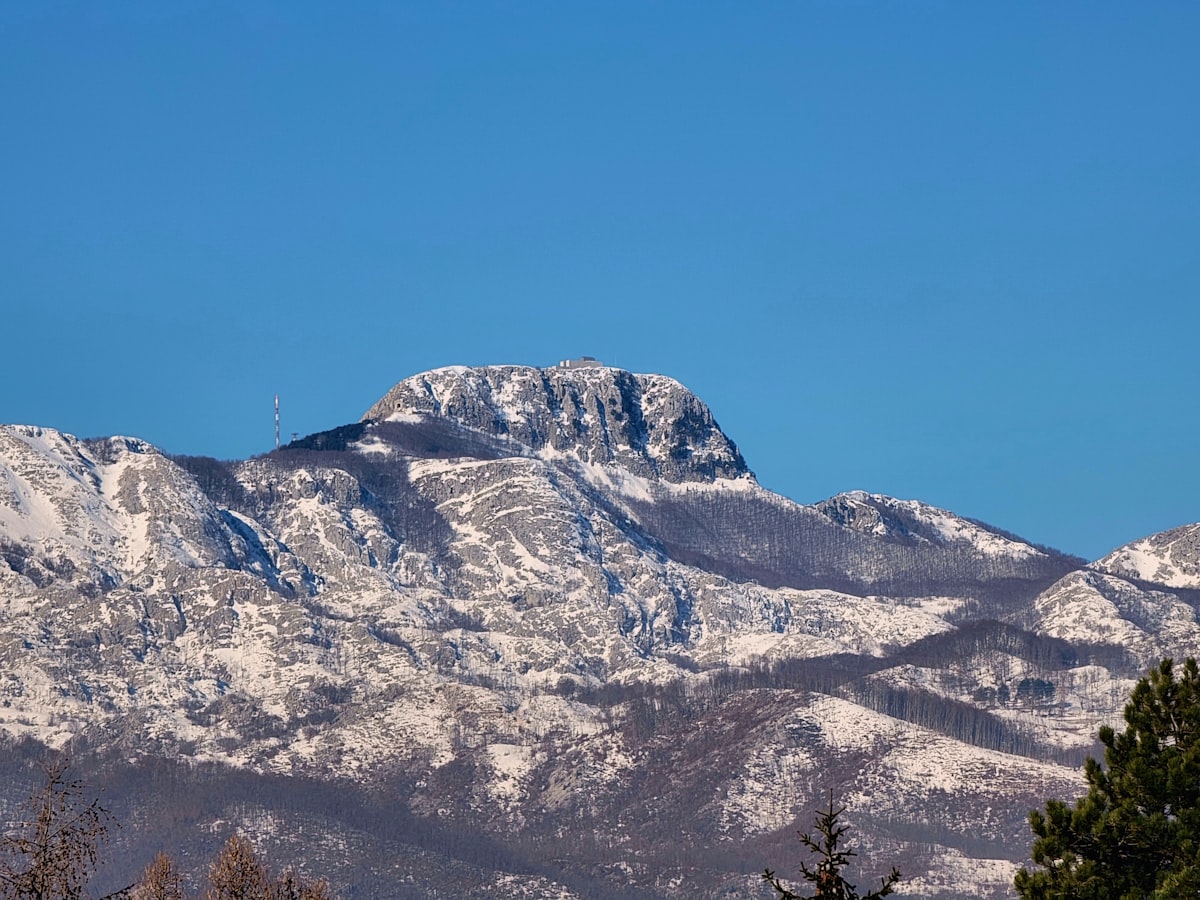
Practical
The Balkans in Winter: Ski, Christmas Markets and City Breaks
Balkans in winter: ski Jahorina from €25/day, Zagreb Christmas market, Sarajevo under snow. Dec-Feb guide with prices and best cities.
Transport, costs, safety, borders, and timing - everything you need to plan a Balkans trip without guesswork.
Featured guide
Albania or Croatia? Dubrovnik or Split? Every head-to-head comparison in one place — 18 articles covering countries, cities, and coastlines so you can plan the right route before you book.
Browse all comparisons → Balkans in winter: ski Jahorina from €25/day, Zagreb Christmas market, Sarajevo under snow. Dec-Feb guide with prices and best cities.
Bansko vs Borovets: Bansko wins on infrastructure and runs; Borovets wins on proximity to Sofia and price. Both beat the Alps on cost — comparison here.
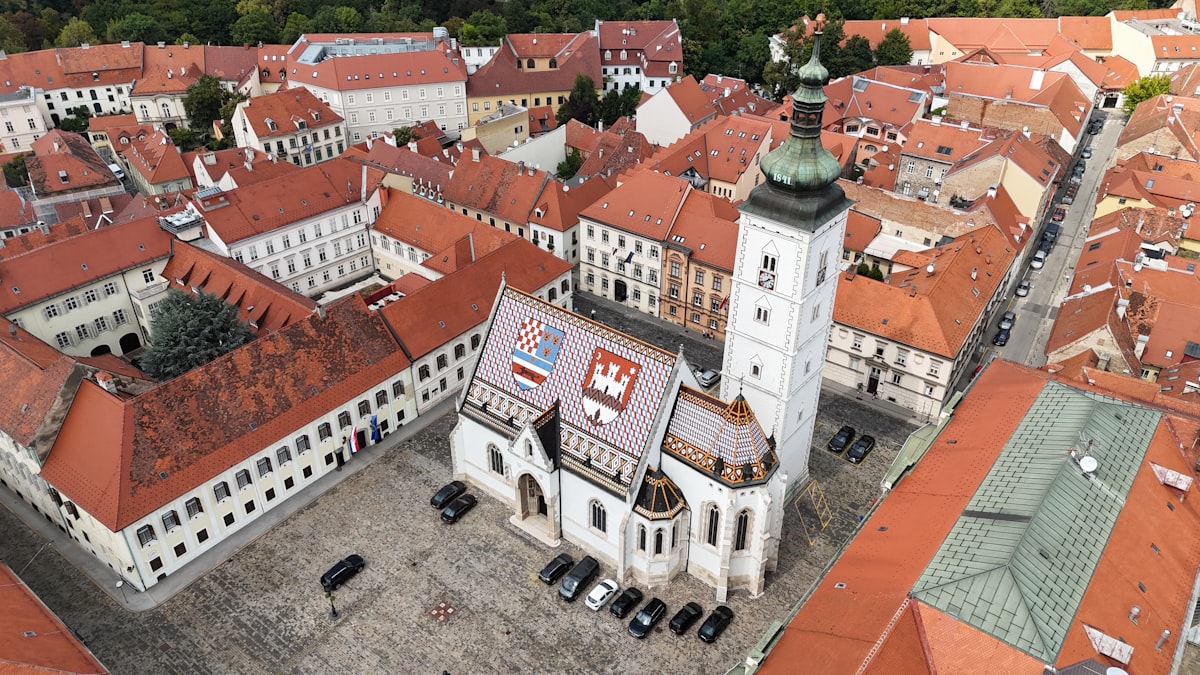
Best Christmas markets in the Balkans: Zagreb Advent runs late Nov–Jan, Ljubljana Festive Fair, Sarajevo NYE. Dates, highlights, and combining them.
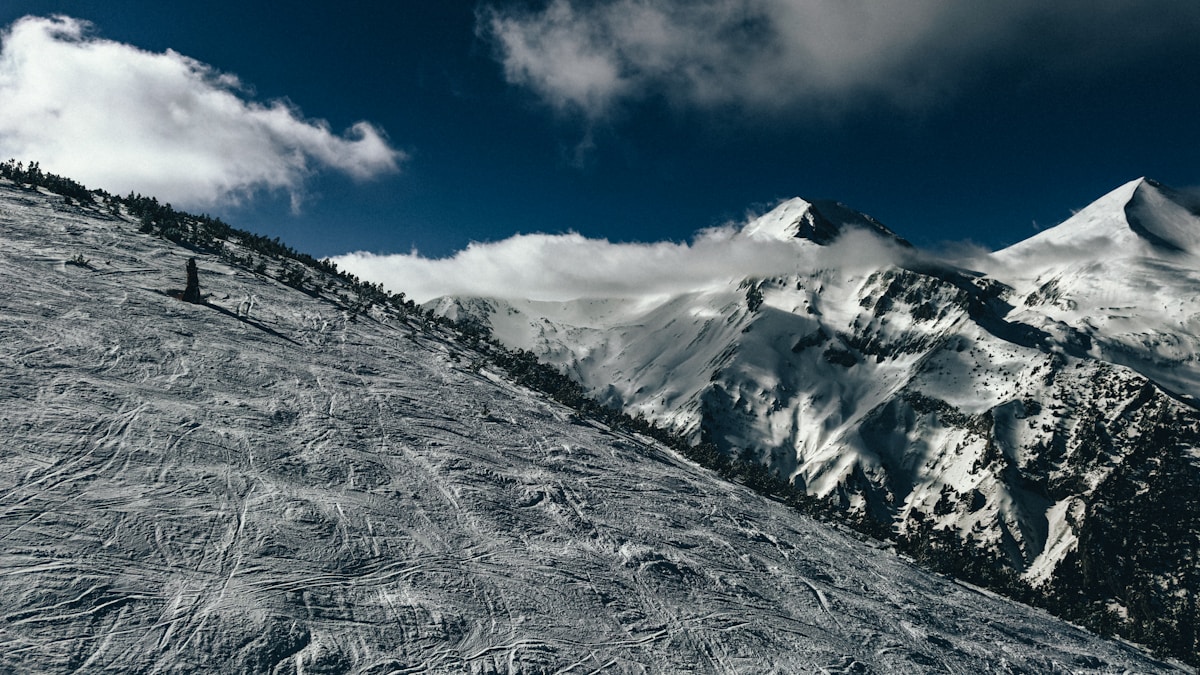
Skiing in Bansko: lift passes €50–65/day, 48 km of pistes to 2,600 m, Ulen Ski School from €30/session, and a 2.5-hour bus from Sofia.
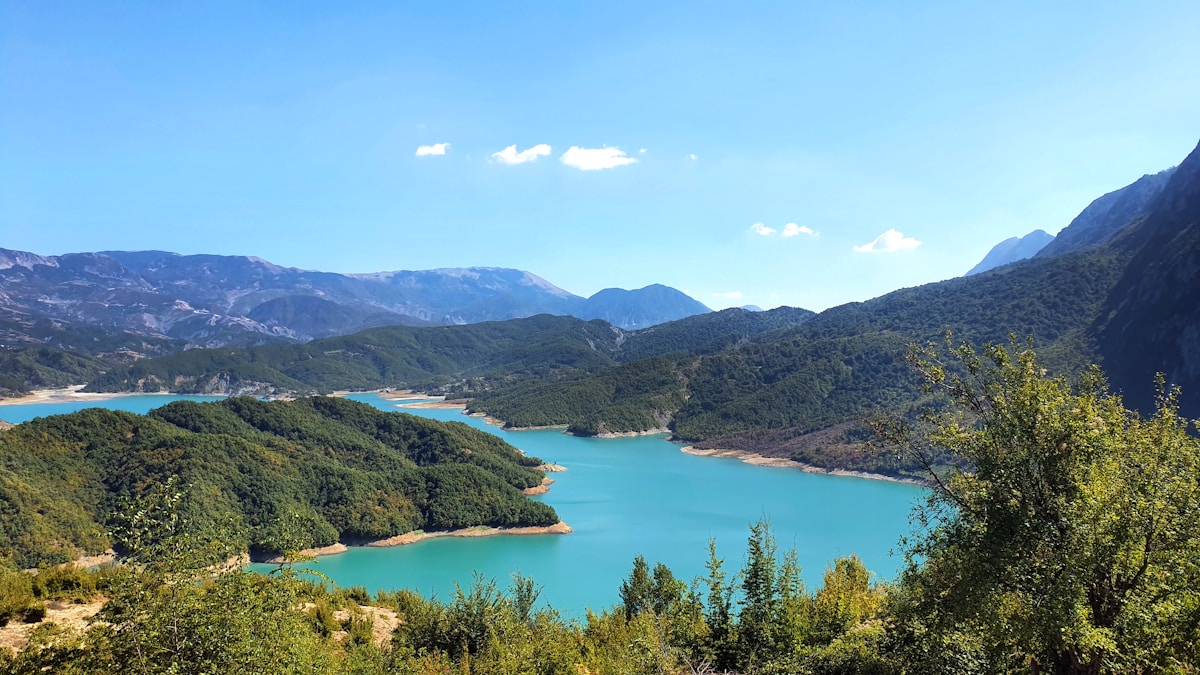
Albania is the cheapest country in the Balkans. Budget €15–25/day, mid-range €30–50. Exact costs for food, accommodation and transport.
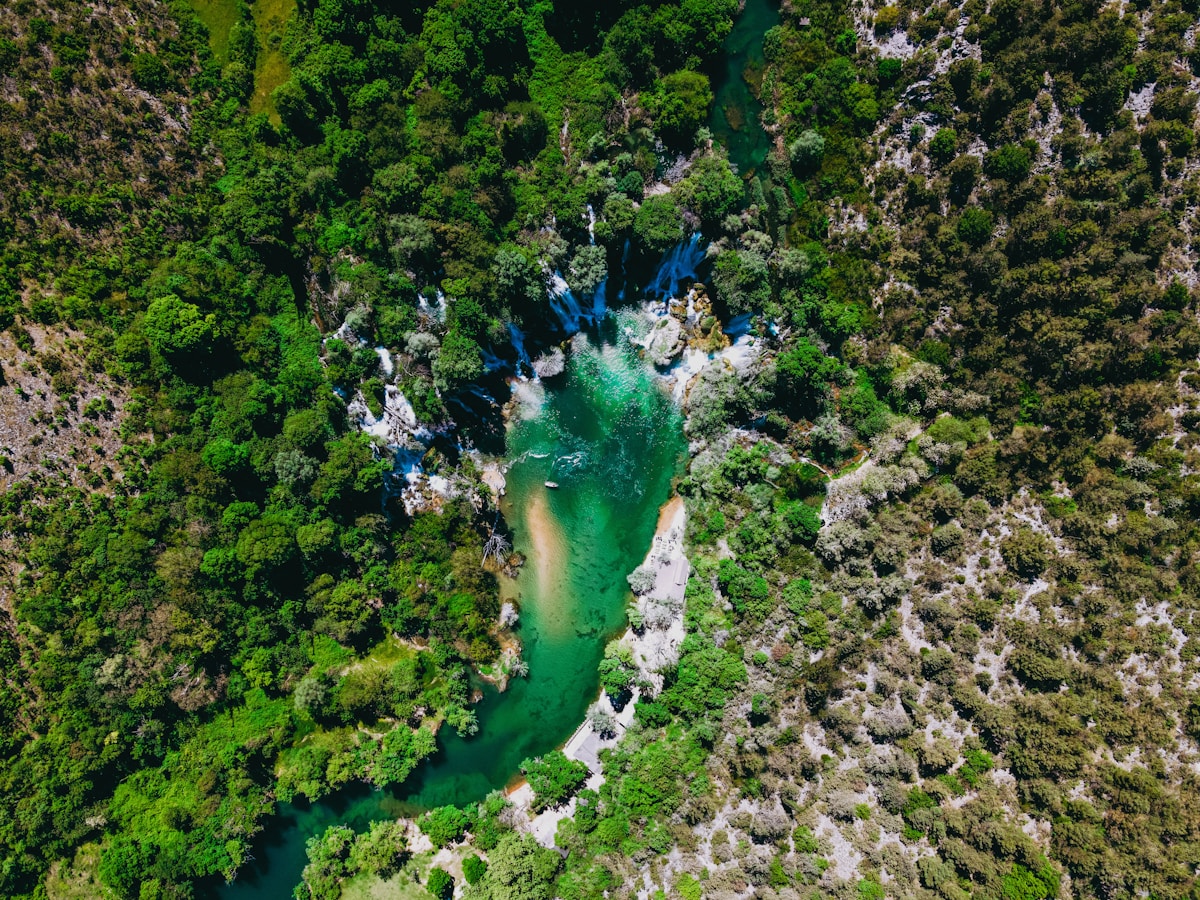
Bosnia is among the cheapest Balkans countries. Budget €18–28/day, mid-range €38–58. Real costs for Sarajevo, Mostar, and beyond.
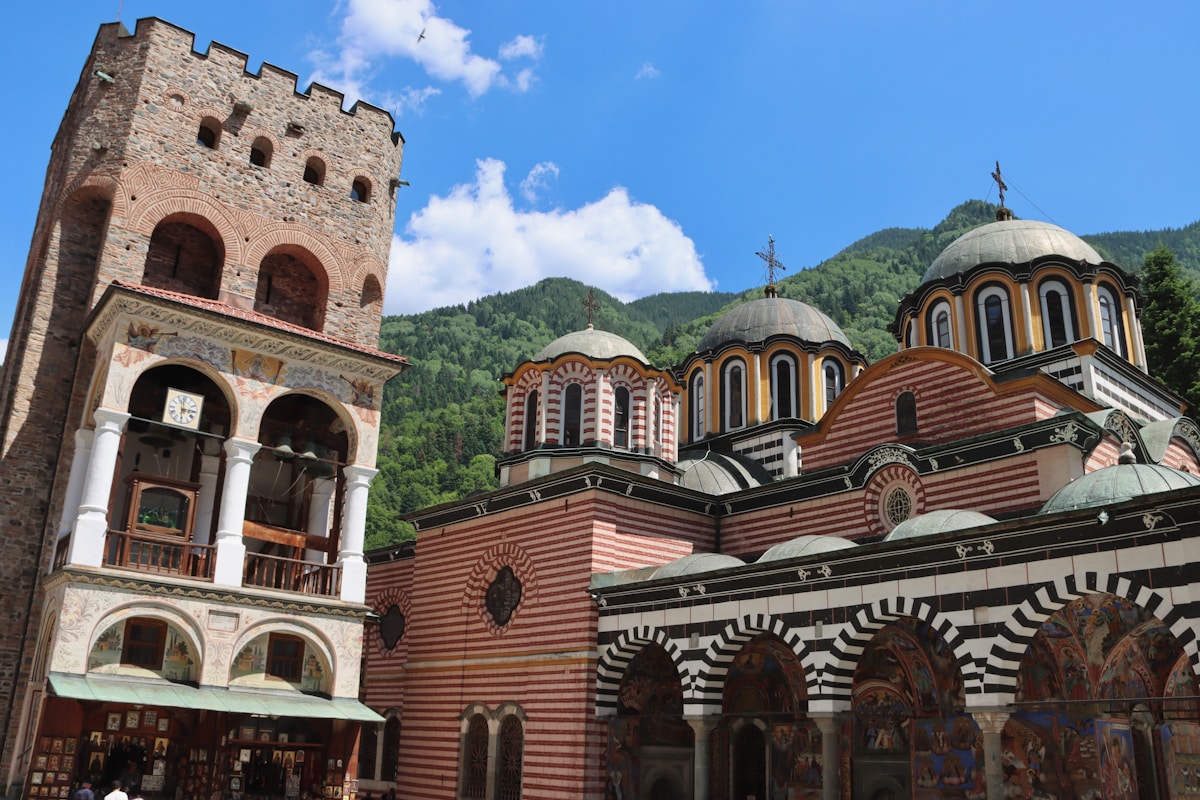
Bulgaria has EU infrastructure at non-EU prices. Budget €20–32/day, mid-range €40–65. Real costs for Sofia, Plovdiv and the Black Sea coast.
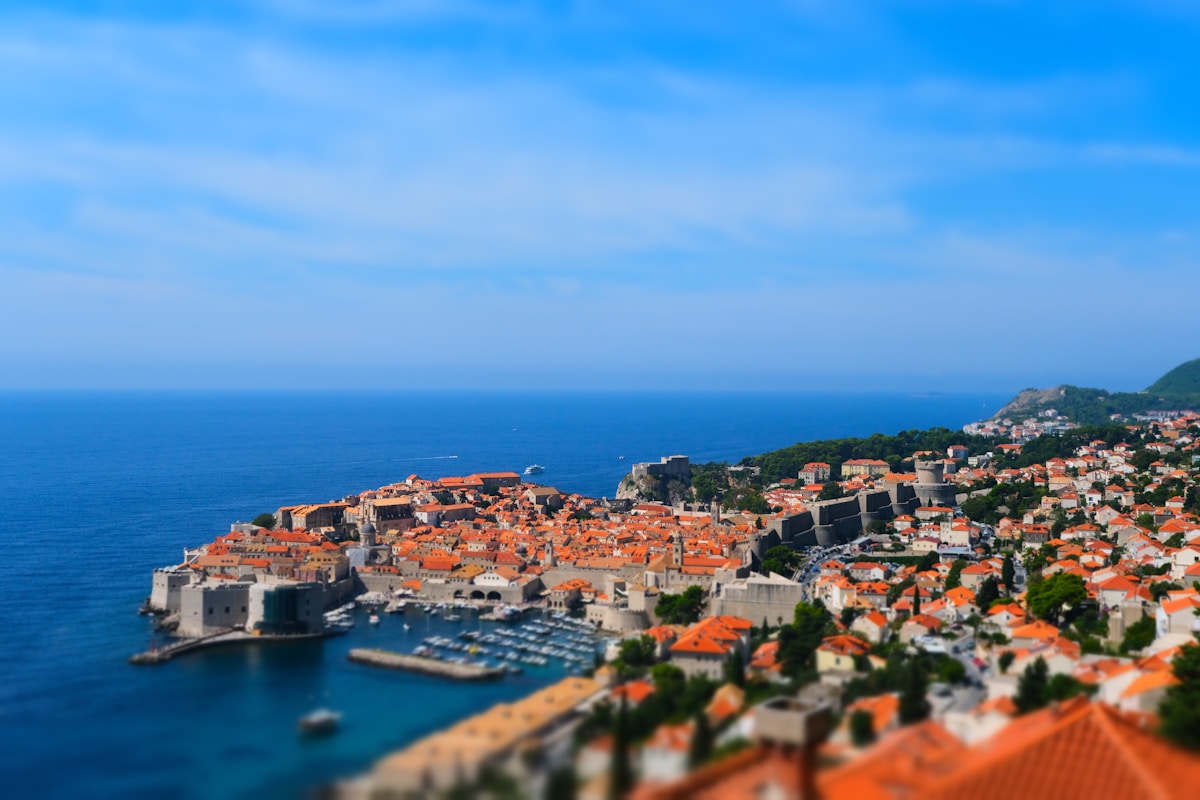
Croatia is the priciest Balkans destination but still cheaper than Western Europe. Budget €35–55/day, mid-range €65–100. Real costs inside.
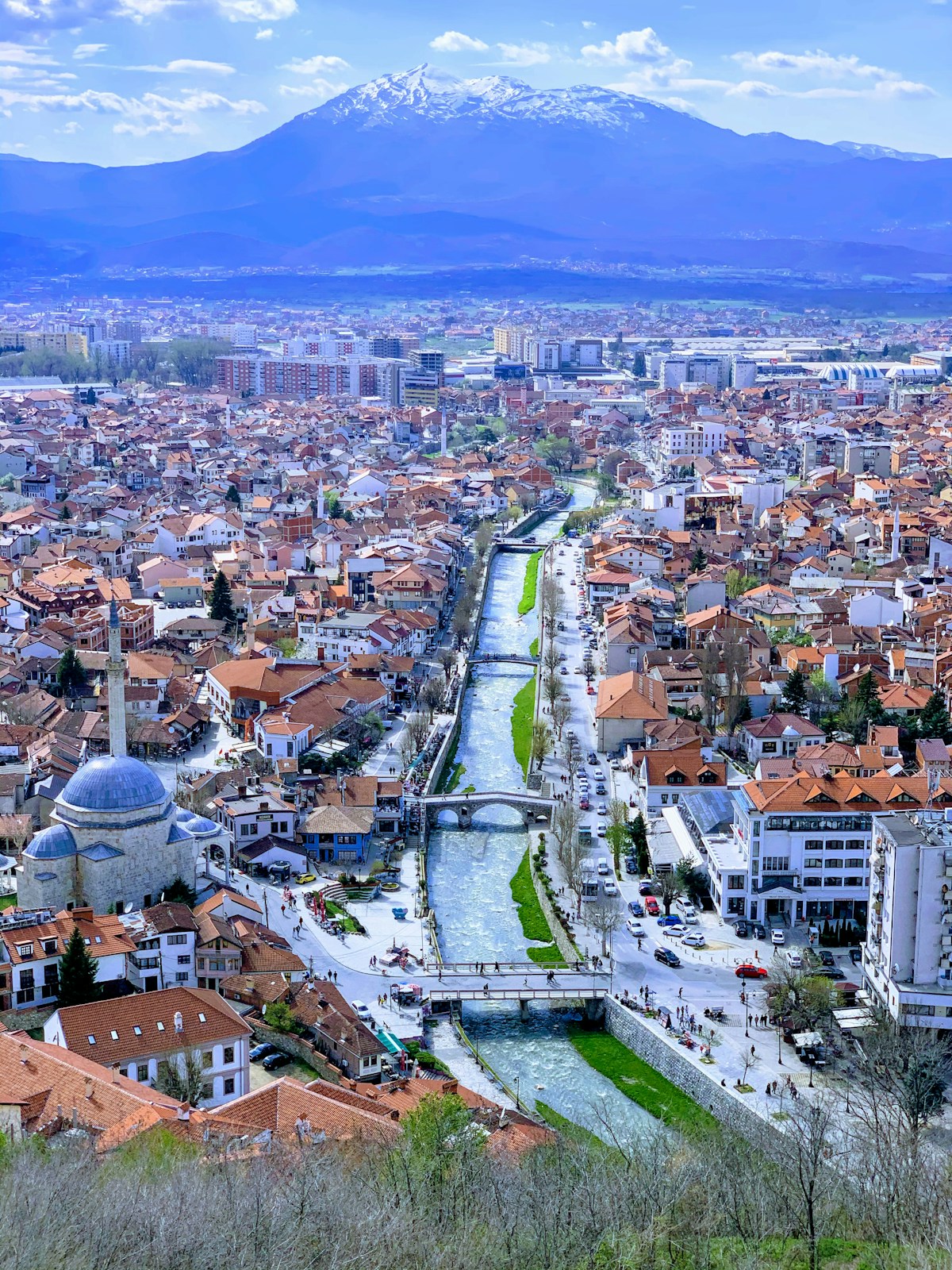
Kosovo is Europe's least visited and most affordable country. Budget €18–28/day, mid-range €35–55. Real costs for Pristina, Prizren and beyond.
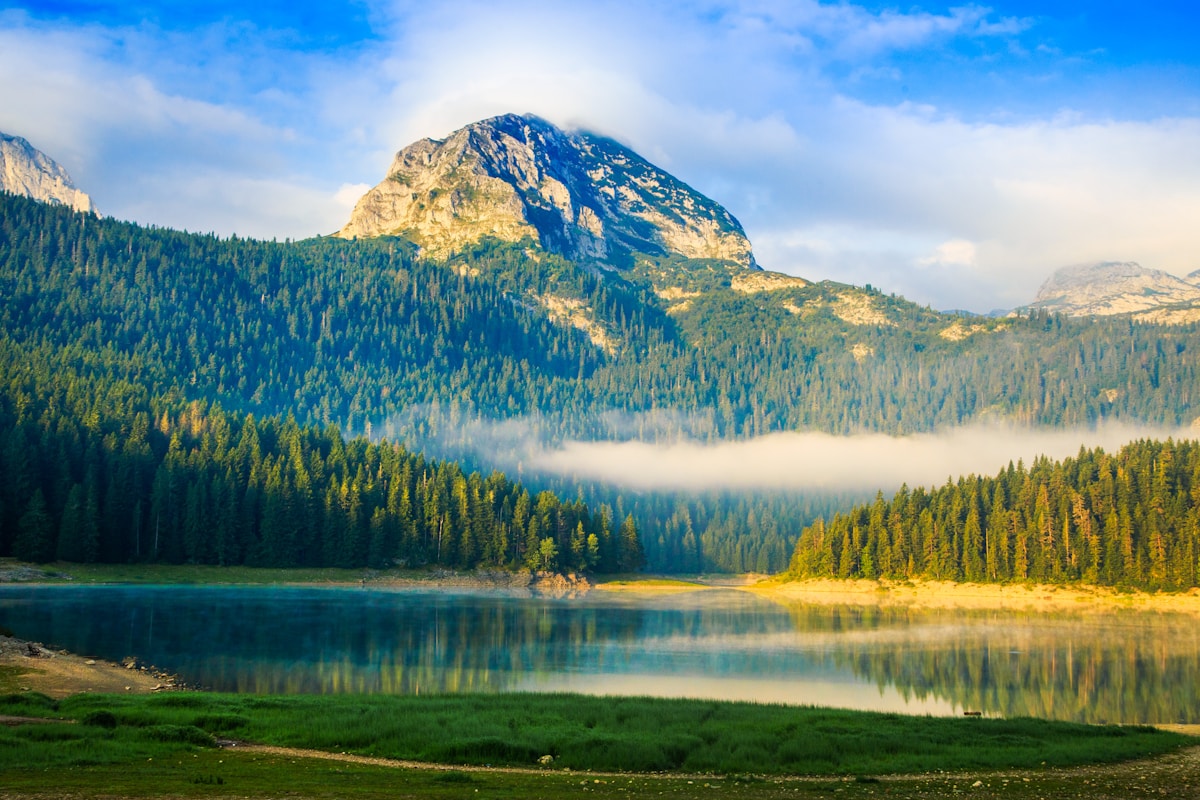
Montenegro uses the euro and prices vary hugely by location. Budget €22–38/day inland, €35–65 on the coast. Real costs for Kotor and beyond.
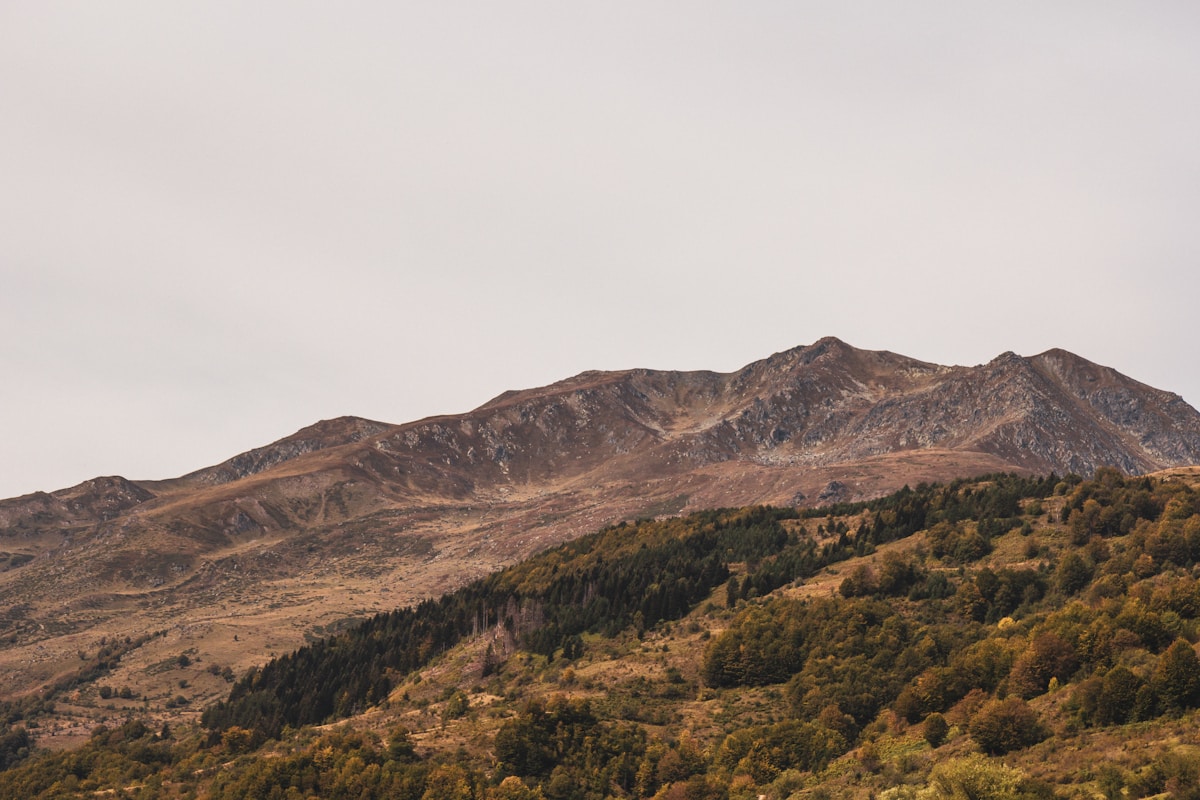
North Macedonia is one of the cheapest Balkans countries. Budget €15–25/day, mid-range €28–45. Real costs for Skopje, Ohrid and beyond.
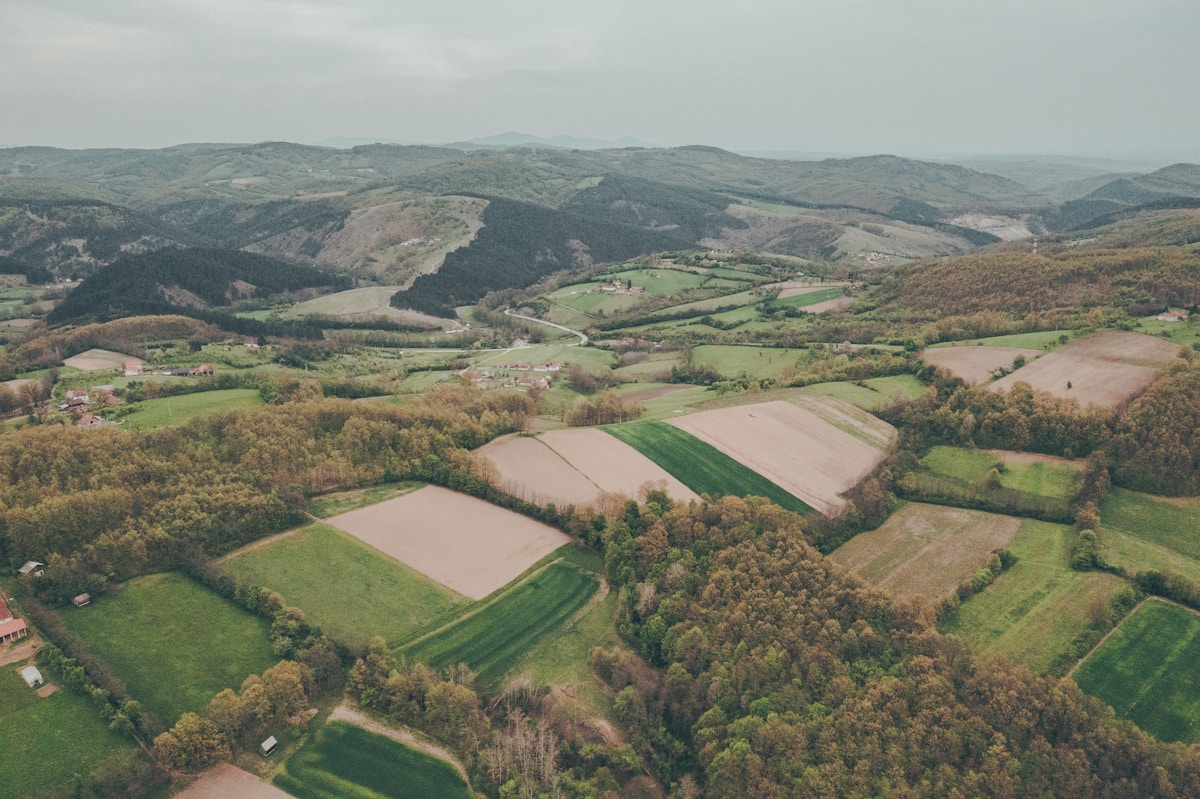
Serbia is excellent value with a lively nightlife and food scene. Budget €18–30/day, mid-range €38–60. Real costs for Belgrade and beyond.
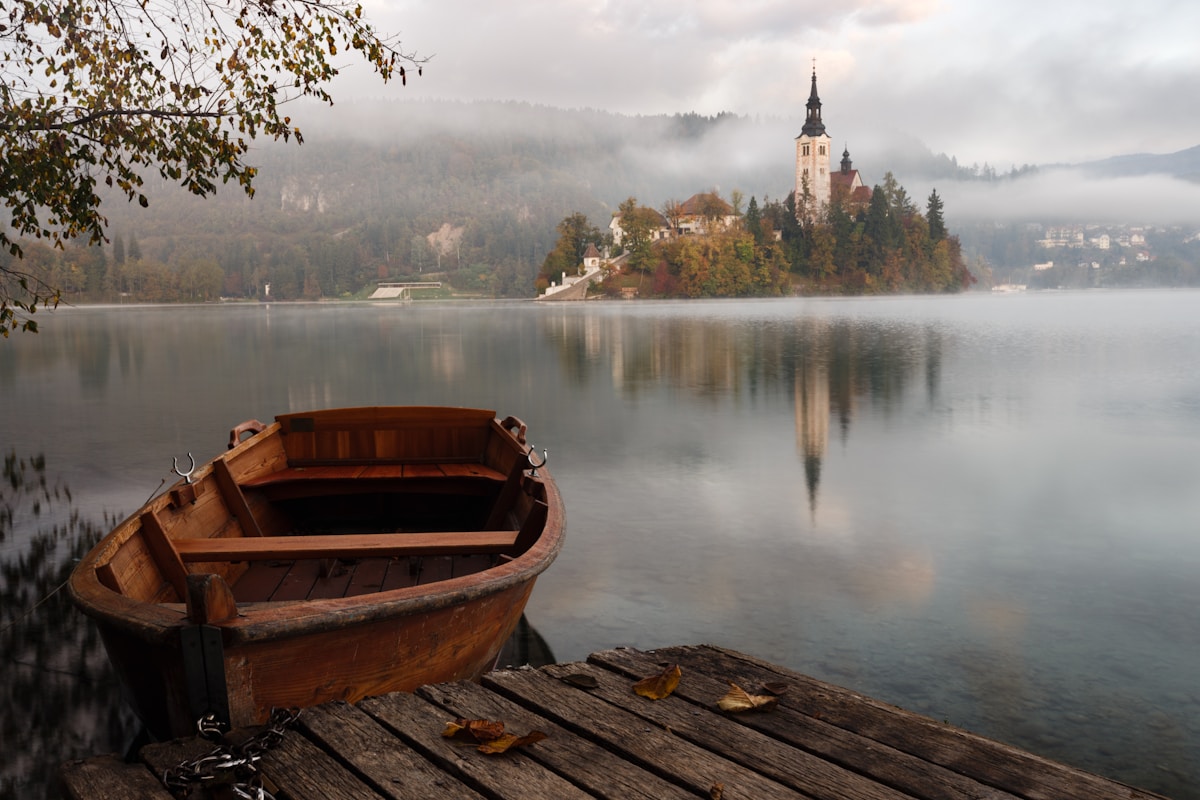
Slovenia is the most expensive Balkans country but still cheaper than Western Europe. Budget €40–58/day, mid-range €70–105. Real costs inside.
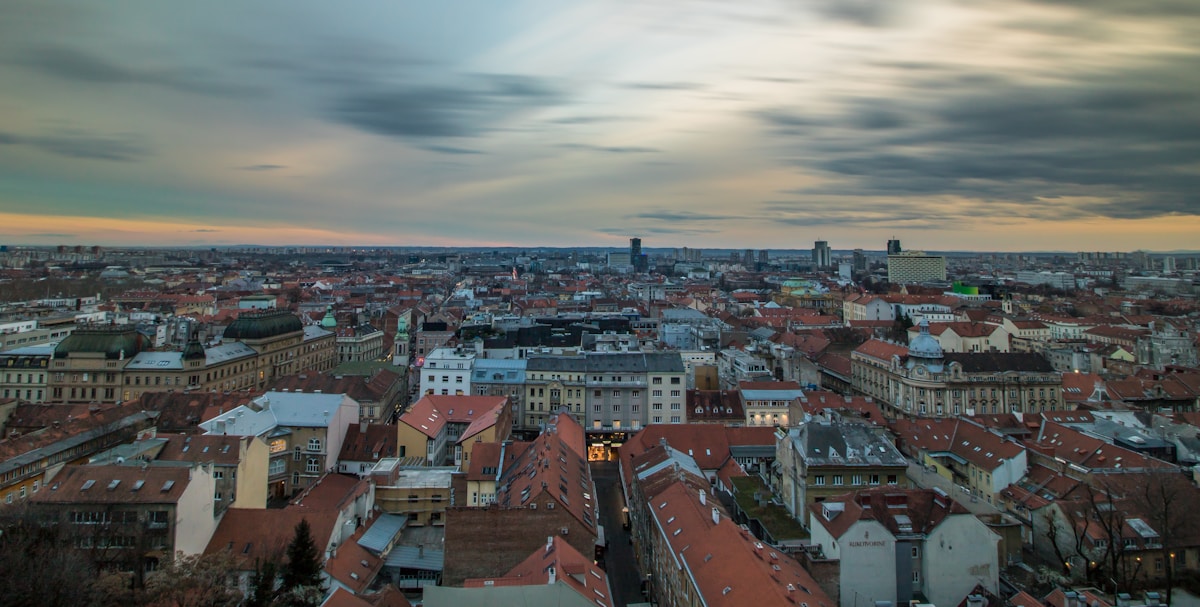
Zagreb wins for city culture, cafes, and year-round appeal; Split wins for the coast, islands, and Diocletian's Palace. Costs and hotels compared.
Bosnia & Herzegovina: low retirement costs, 90-day visa-free entry, and Sarajevo's exceptional cultural depth. Monthly budgets from €700.
Croatia offers EU membership, Adriatic coastline, and a residency permit route for non-EU retirees. Monthly costs from €1,100 — the full guide.
North Macedonia is among the cheapest retirement options in the Balkans. Monthly costs from €700, 90-day visa-free entry, and Lake Ohrid for scenery.
Serbia offers 90-day visa-free entry, a low cost of living, and a straightforward residency permit. Monthly budgets from €800 — full guide.
Every Balkans vs comparison in one place — countries, cities, and coastlines compared head-to-head so you can plan the right route.
The Balkans beat Greece on price by 40–60%; Greece wins on islands, ancient history, and seamless EU infrastructure — both regions compared.
Southeast Asia is cheaper day-to-day; the Balkans costs less to reach from Europe and packs in history, cities, and coastline without the 12-hour flight.
Bulgaria wins on Black Sea beaches and mountain hiking; Romania wins on Carpathian castles, Transylvania, and travel variety — comparison.
Serbia wins on city culture, nightlife, and price; Croatia wins on coastline, islands, and Adriatic summer — comparison for Balkans trip planners.
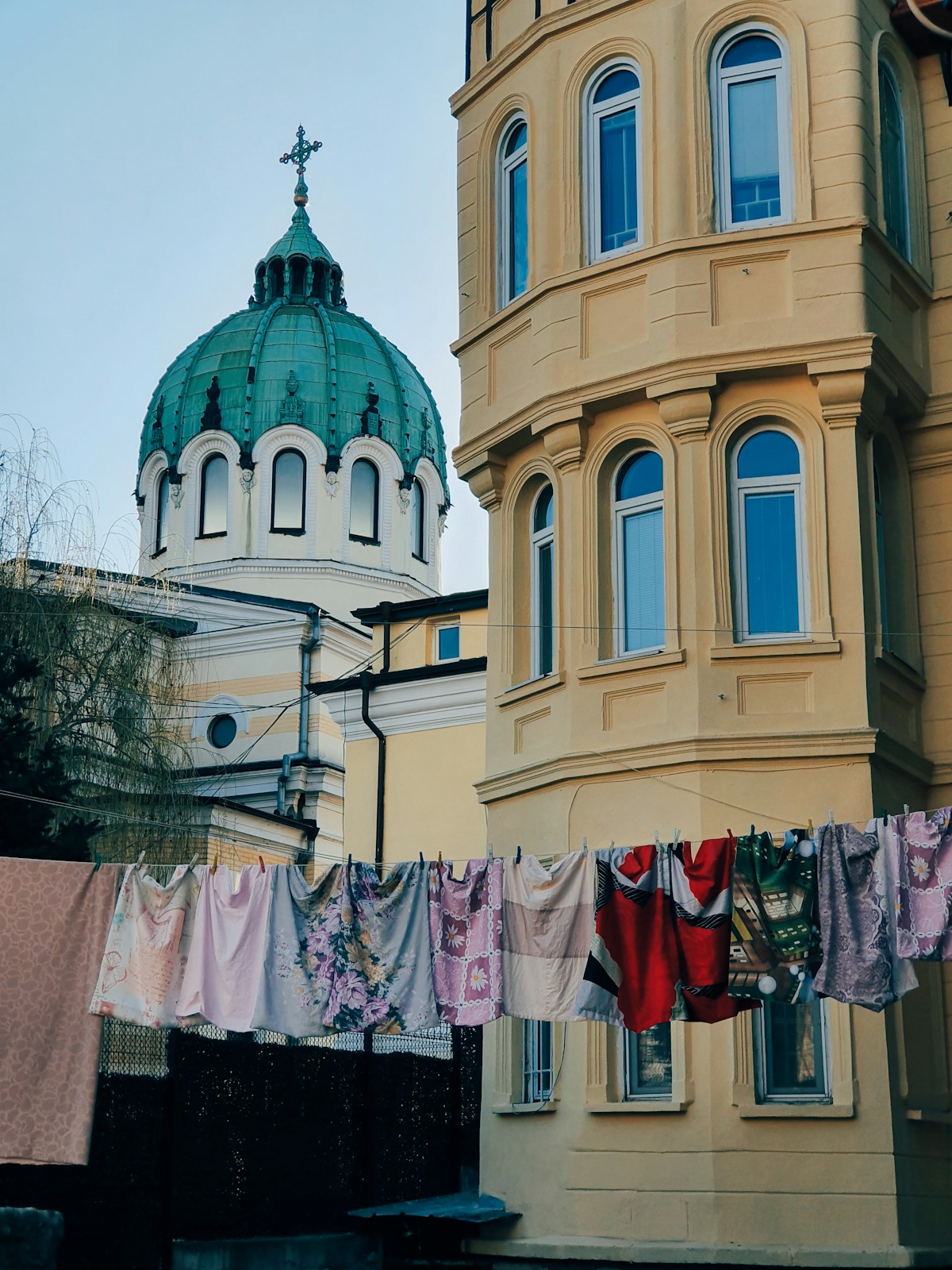
Belgrade wins on nightlife, food scene, and price; Bucharest wins on architecture, day trips, and EU convenience — both cities compared city breaks.
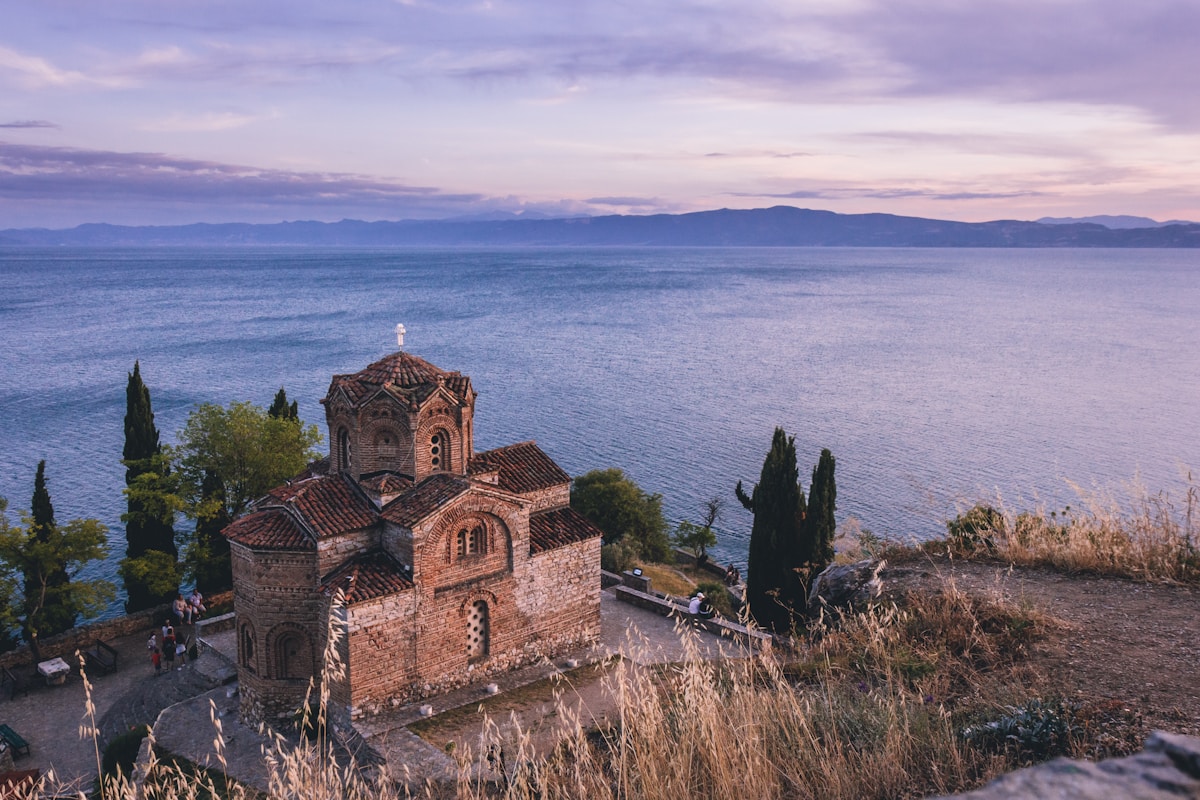
Albania wins on coast, Albanian Alps and UNESCO old towns; North Macedonia wins on Lake Ohrid, value and Byzantine heritage — compared.
Bosnia wins on Ottoman heritage, mountain scenery and intimacy; Serbia wins on nightlife, food culture and countryside — a full comparison.
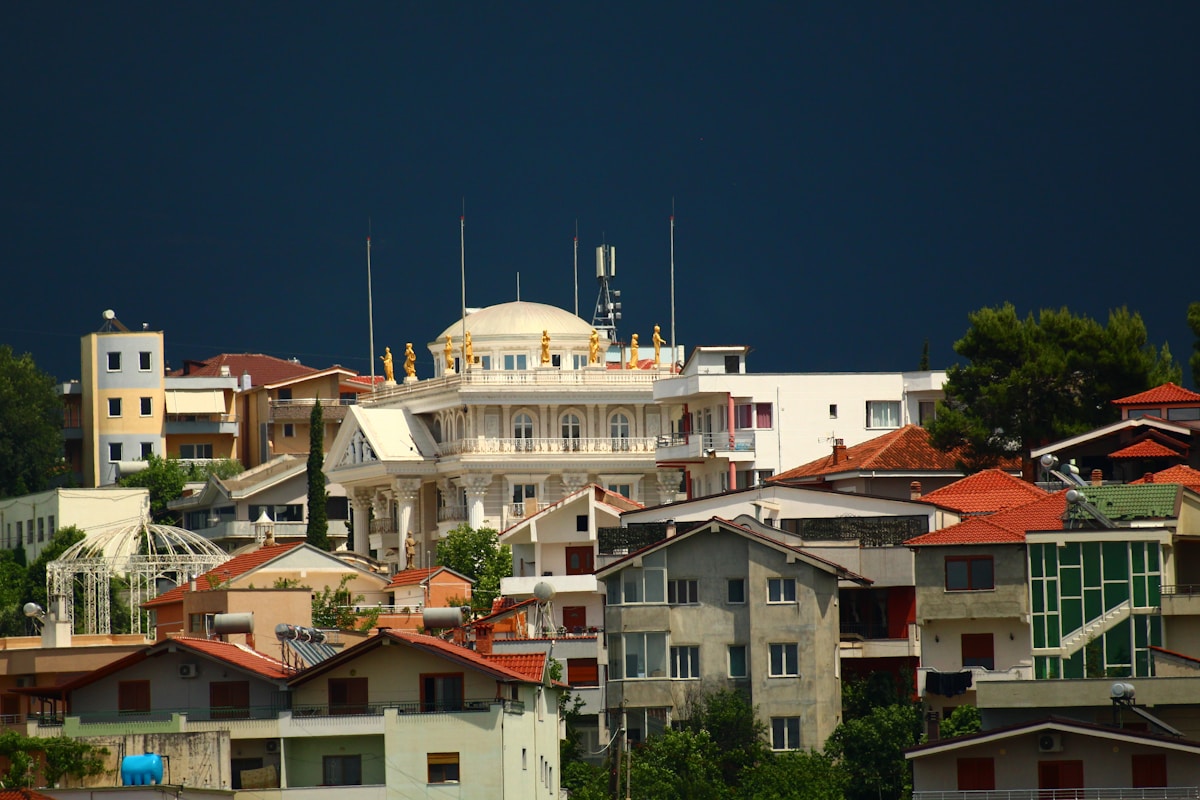
Albania digital nomad visa: requirements, application process, costs, and whether you actually need one. Most nationalities can stay visa-free.
Albania wins on price, raw beaches, and off-beat appeal; Croatia wins on Dalmatian islands, infrastructure, and EU travel ease — .
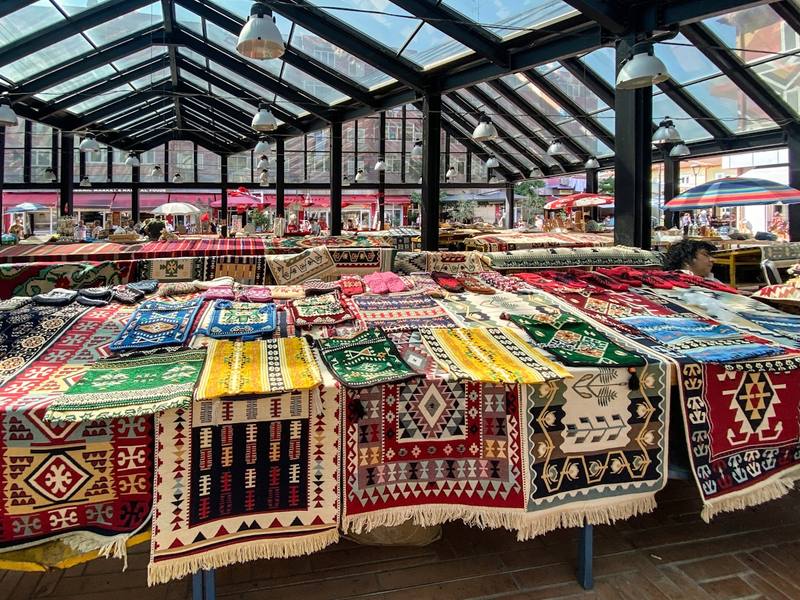
Albania wins on price and untouched beaches; Greece wins on islands, ancient history, and seamless EU travel — both compared travellers.
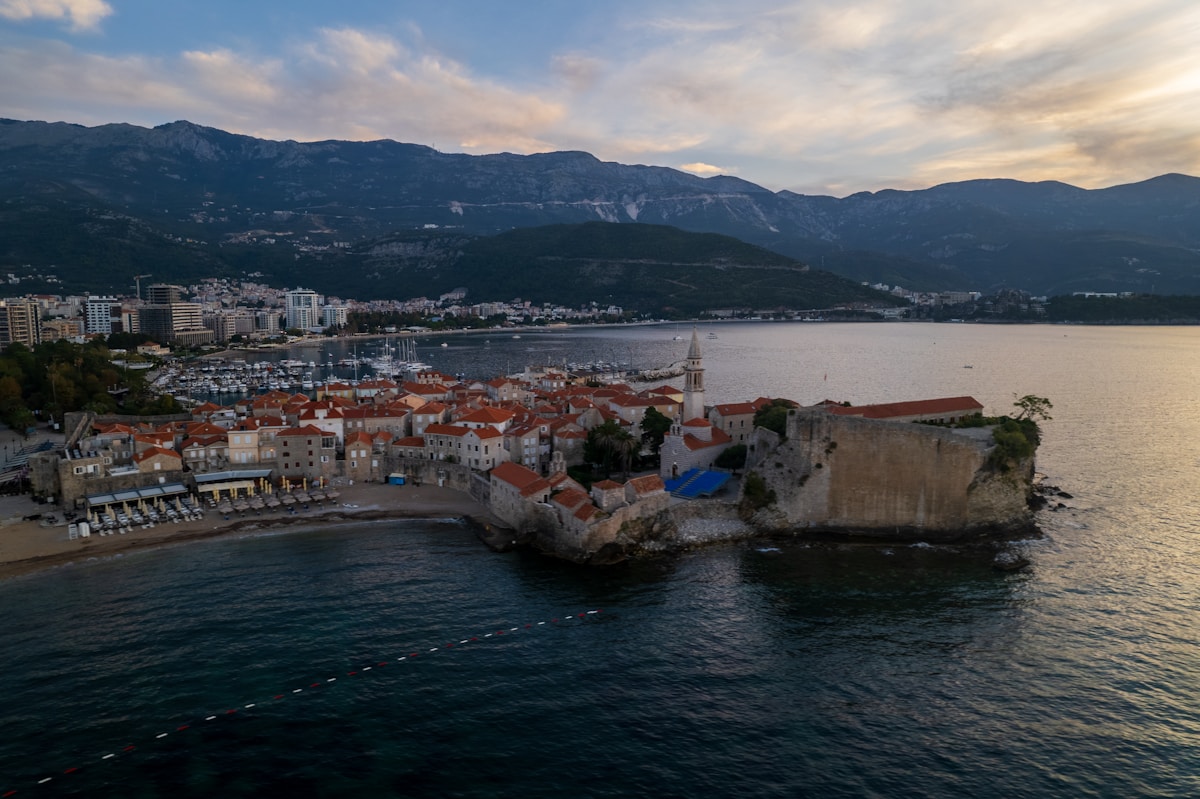
Albania wins on price, beach length, and raw Riviera adventure; Montenegro wins on Bay of Kotor beauty and compact convenience — comparison.
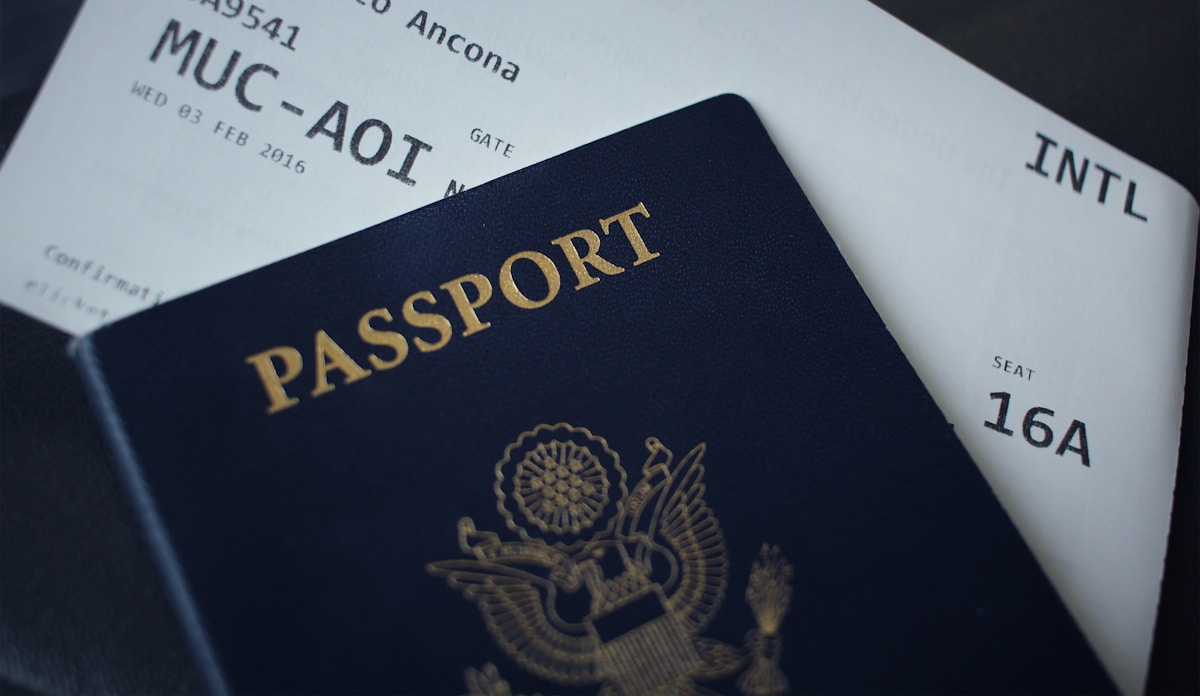
How to use the Balkans for a Schengen 90/180 reset. Which countries don't count, sample 6-month routing, and what you need to know.
Cost of living guide for the Balkans: monthly budgets from €750–1,300 for long-term living. Albania, Montenegro, Bulgaria, and Serbia compared.
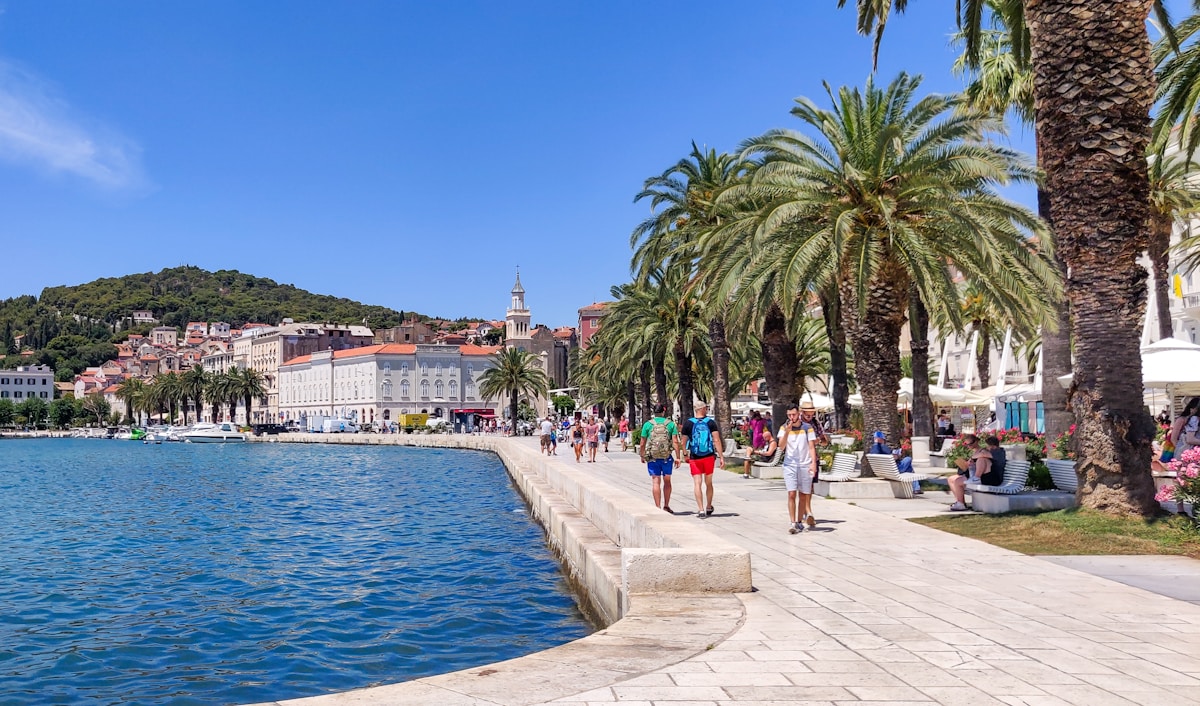
Croatia digital nomad visa: requirements, application steps, costs, and the key Schengen catch most guides miss. Valid for 1 year, non-renewable.
Montenegro wins on Bay of Kotor drama and lower prices; Croatia wins on island variety, sailing, and tourist infrastructure — Adriatic comparison.
Albania is Europe's most affordable retirement destination. Monthly costs from €700, no income tax on foreign pensions, and a stunning Adriatic coast.
Bulgaria offers EU membership, a low cost of living, and a stunning Black Sea coast. Monthly budgets from 900 EUR — retirement visa options covered.
Montenegro offers EU-candidate status, Bay of Kotor scenery, and monthly costs from €900. A full guide to retiring in Montenegro as a foreign national.
Balkans ski resorts compared: Bansko leads on infrastructure; Jahorina wins on atmosphere; Kolašin suits snowsport beginners; Popova Shapka for value.
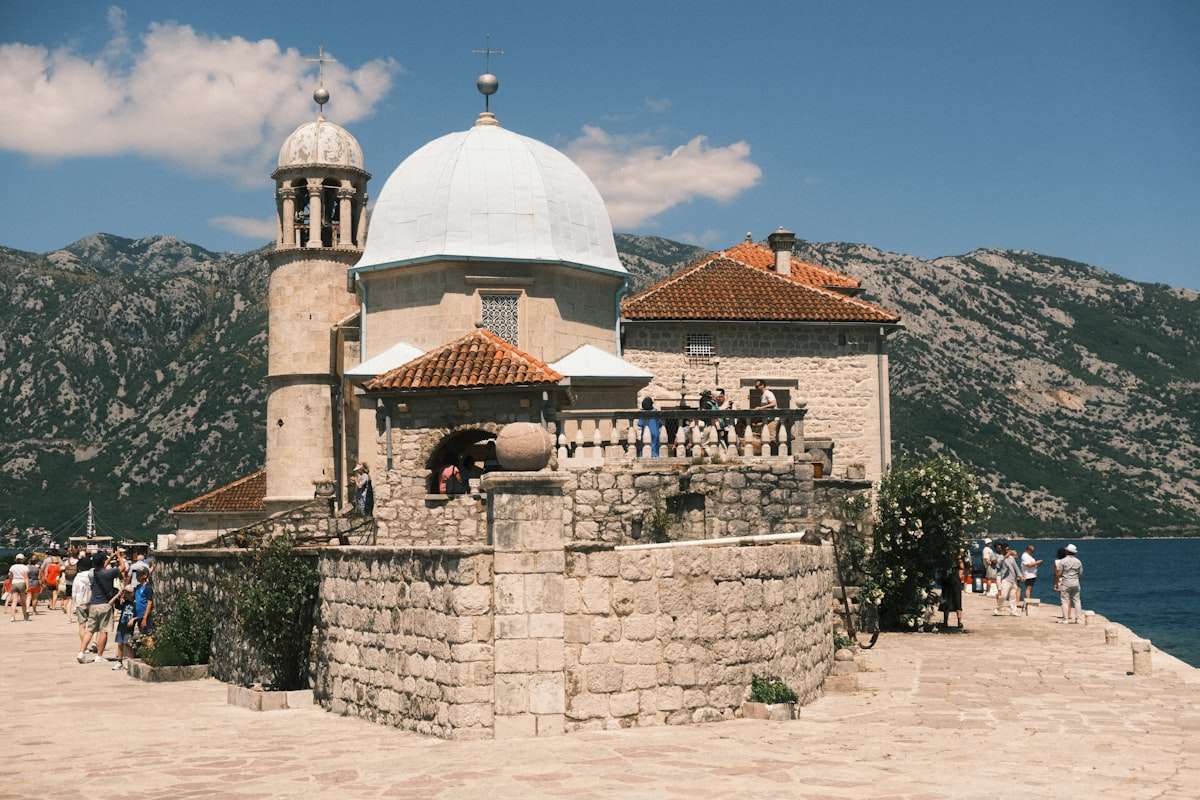
Tivat Airport (TIV) to Kotor, Budva and beyond: taxis, private transfers, shuttle options, fares in EUR, and journey times updated.
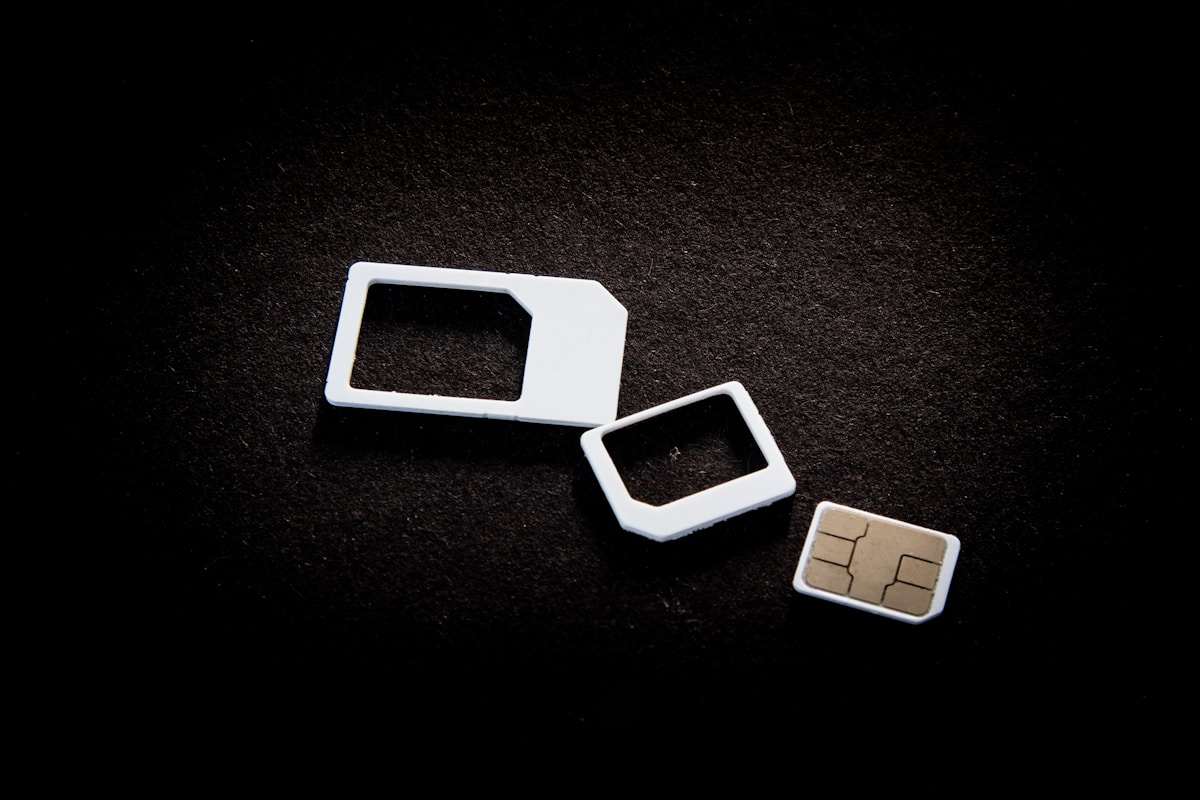
Best eSIM for the Balkans: Airalo multi-country plans from $13 cover Serbia, Albania, Montenegro and Bosnia. No SIM swap, activate before you fly.
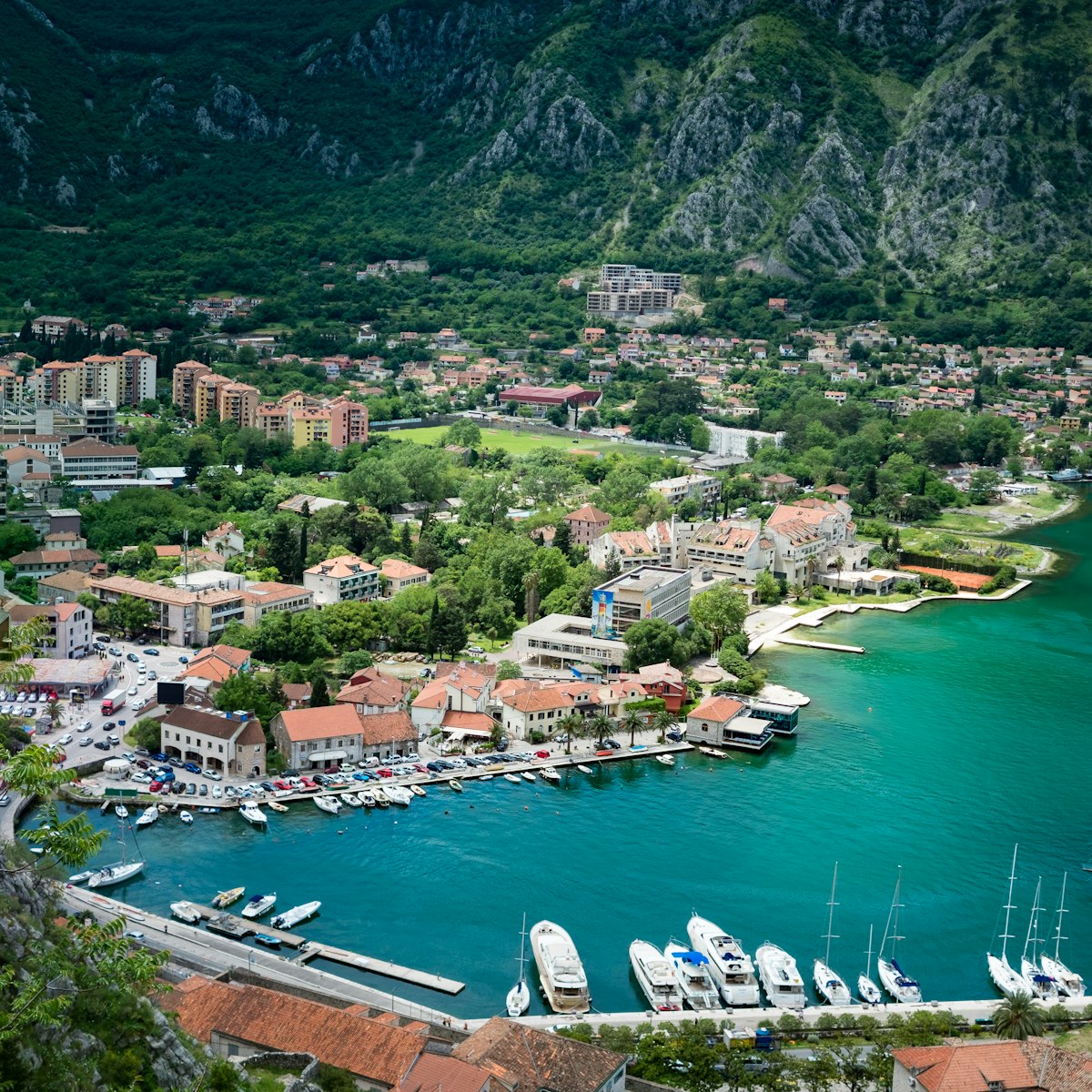
Kotor wins for history and UNESCO drama; Budva wins for beaches and nightlife. Costs, hotels, and restaurants compared for Montenegro .
Ohrid wins on price, history, fewer crowds and a UNESCO old town; Bled wins on alpine scenery and Instagram pull. lake destination guide.
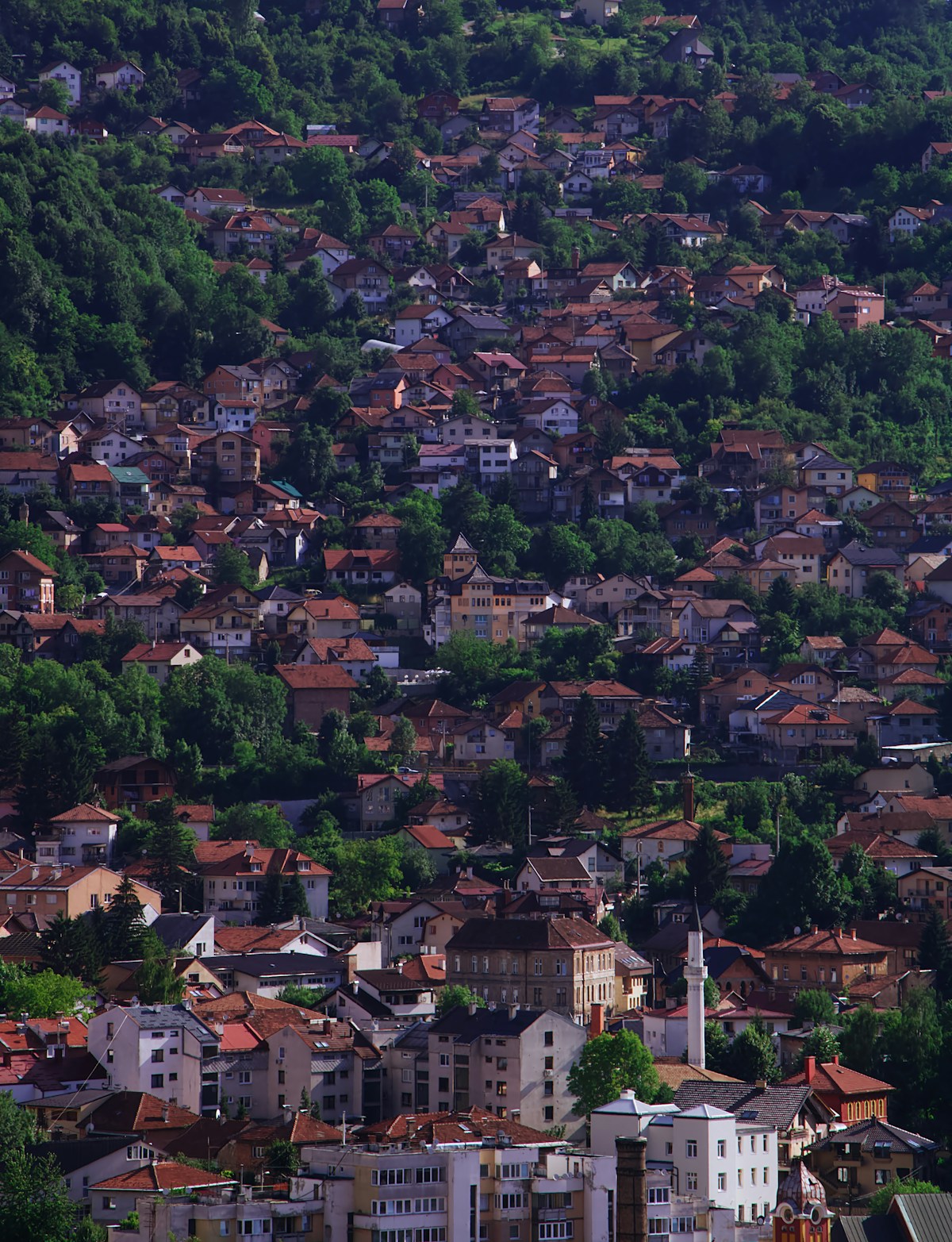
Sarajevo wins on history and intimacy; Belgrade wins on nightlife and size. Costs, hotels, and restaurants compared for both Balkan capitals.
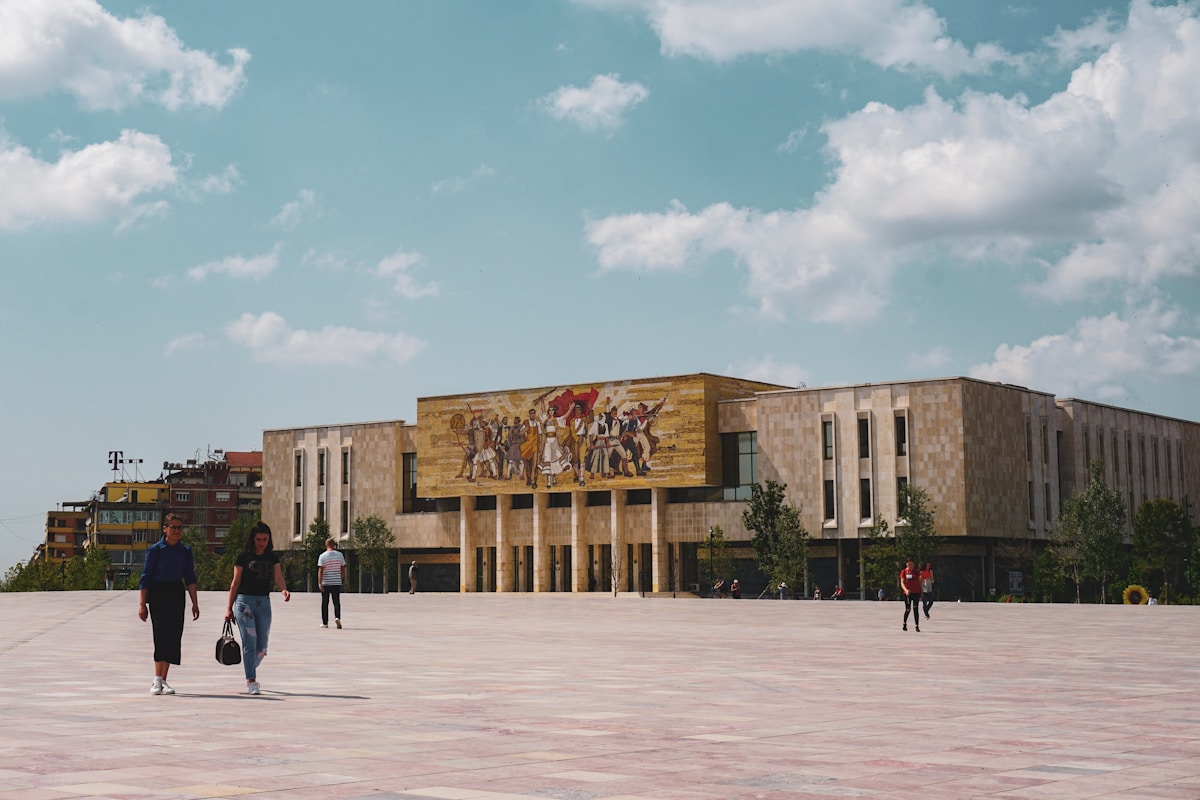
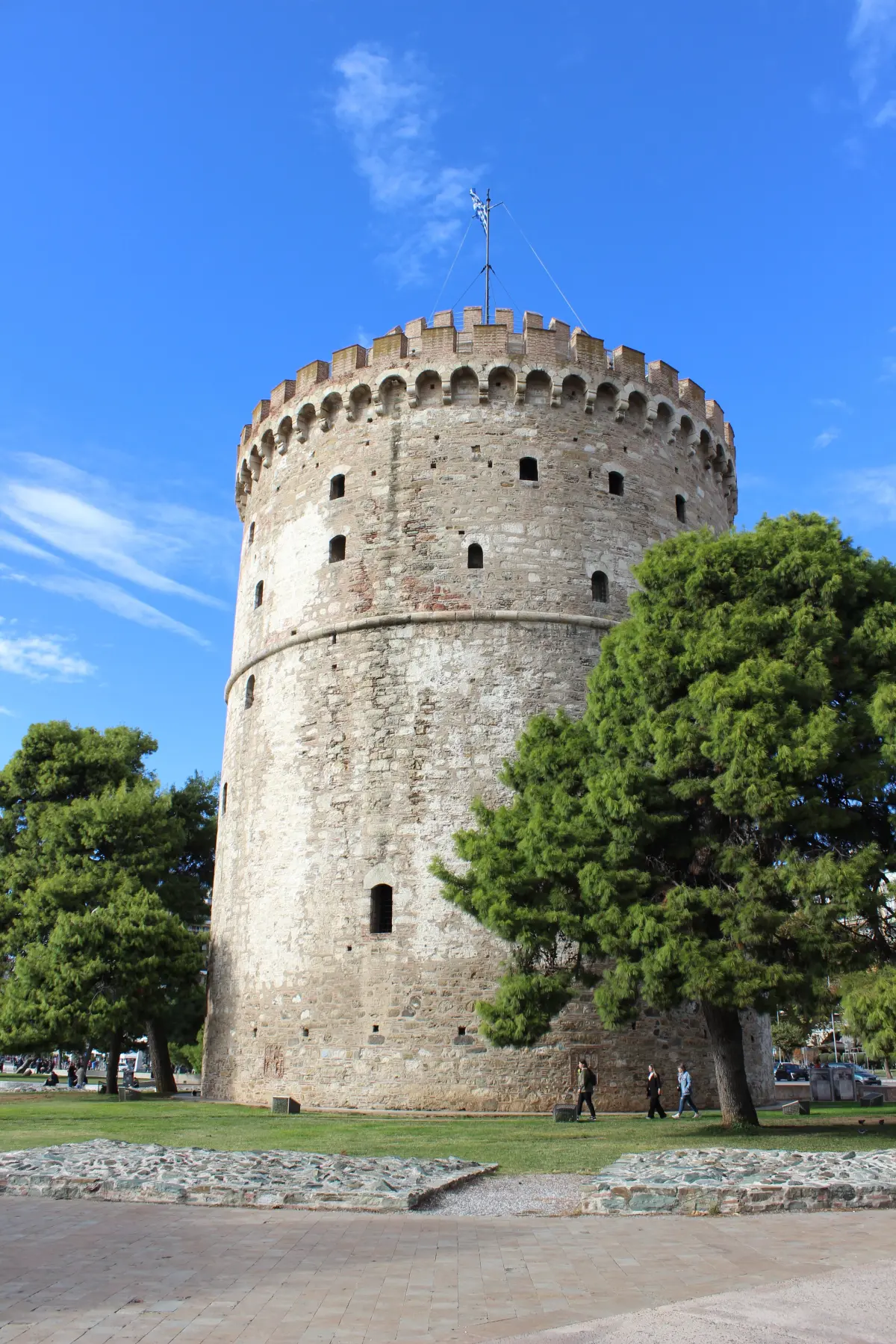
Tirana wins on price, energy, and off-beat appeal; Thessaloniki wins on food, nightlife, and coastal setting. Both cities compared.
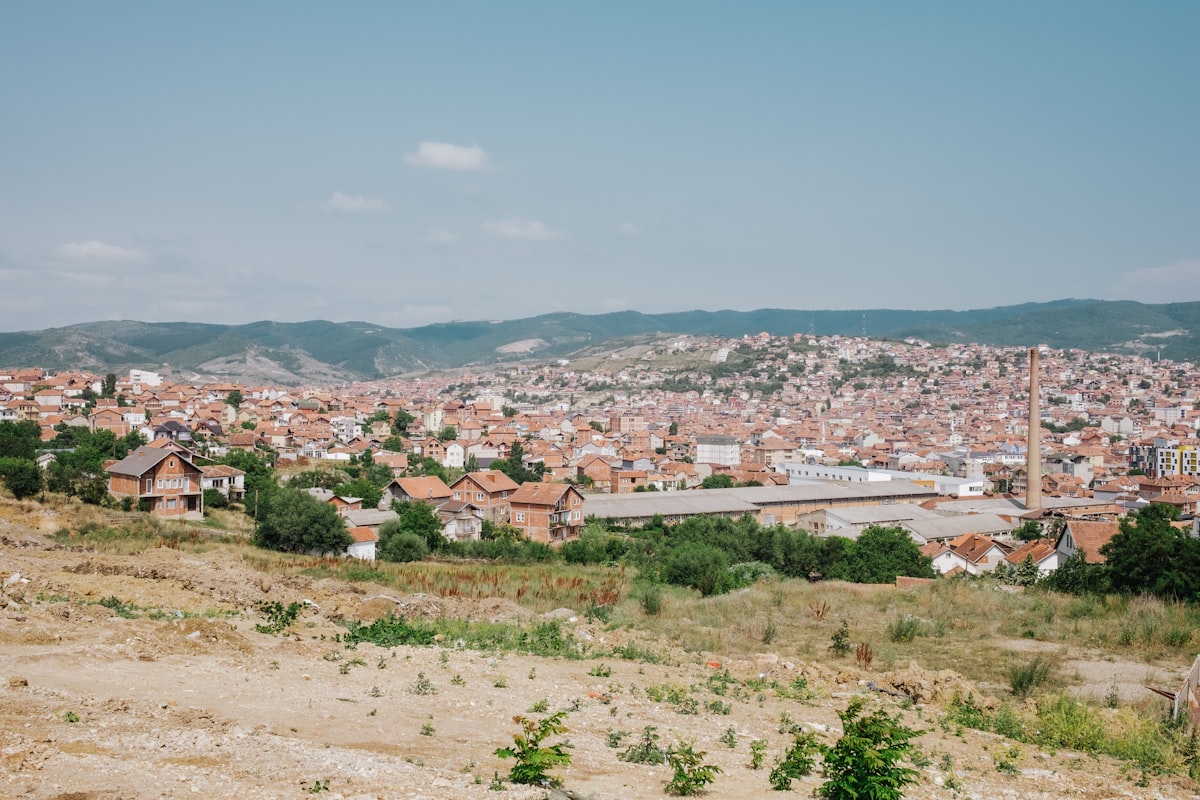
Kosovo passport stamps can bar Serbia re-entry. Safest order: Serbia first, then Kosovo via Albania or North Macedonia. crossing guide.
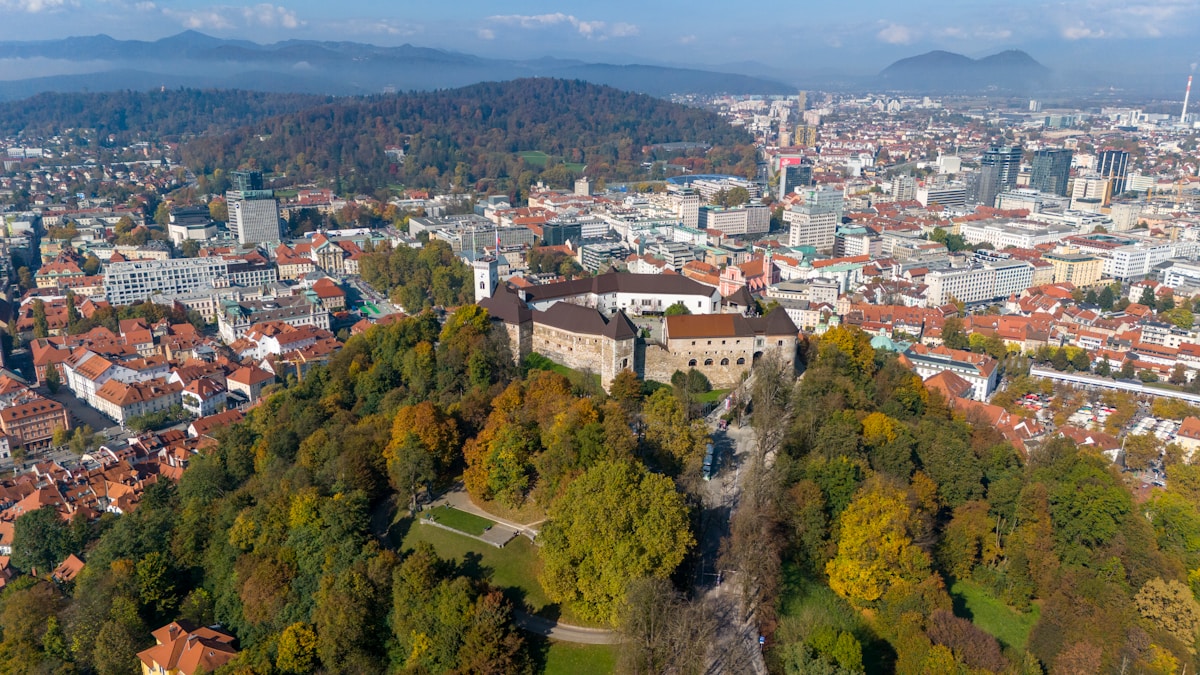
Arriva bus, GoOpti shared shuttle, and taxi options from Ljubljana Airport Brnik (LJU) to the city - fares in EUR, journey times.
Taxi and private transfer options from Podgorica Airport (TGD) to the city centre - fares in EUR, journey times, and tips.
Bus (€1), taxi (€20 flat), or private transfer from Pristina Airport (PRN) to city — fares, journey times, and booking options.
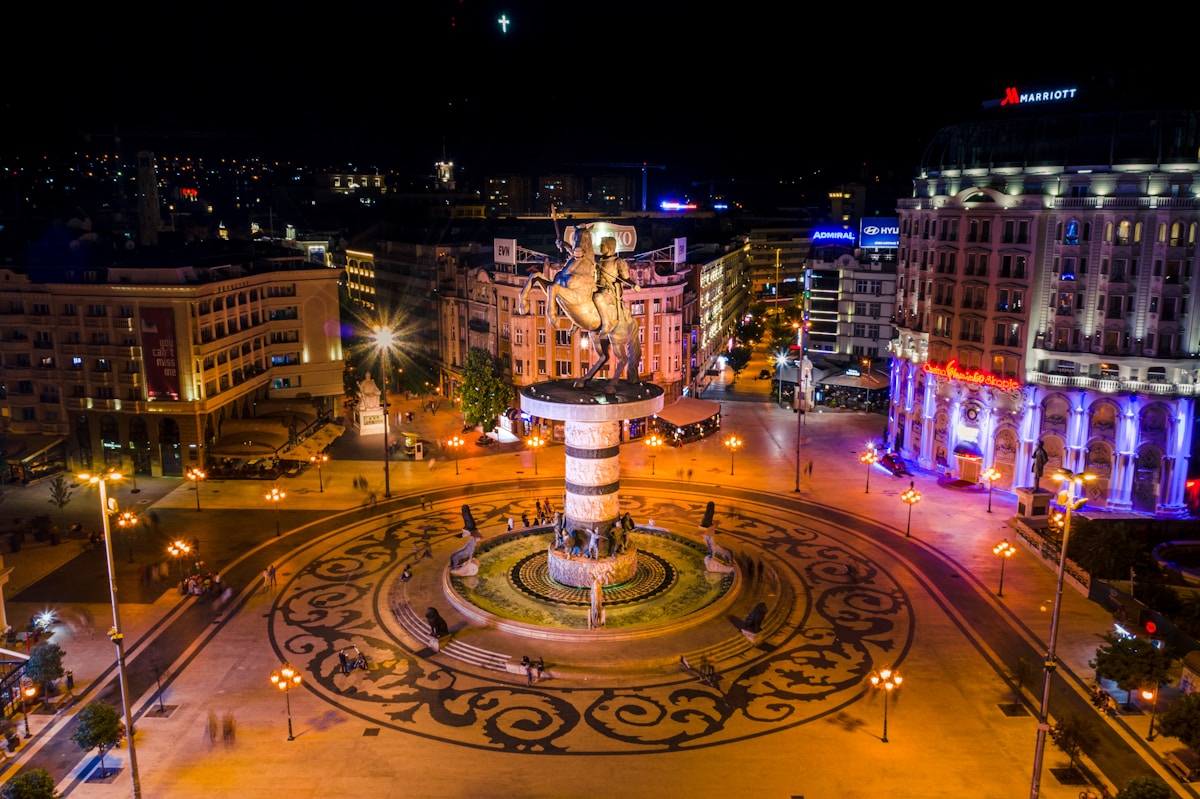
Vardar Express bus, taxi, and private transfers from Skopje Airport (SKP) to the city - fares in MKD and EUR, journey times.
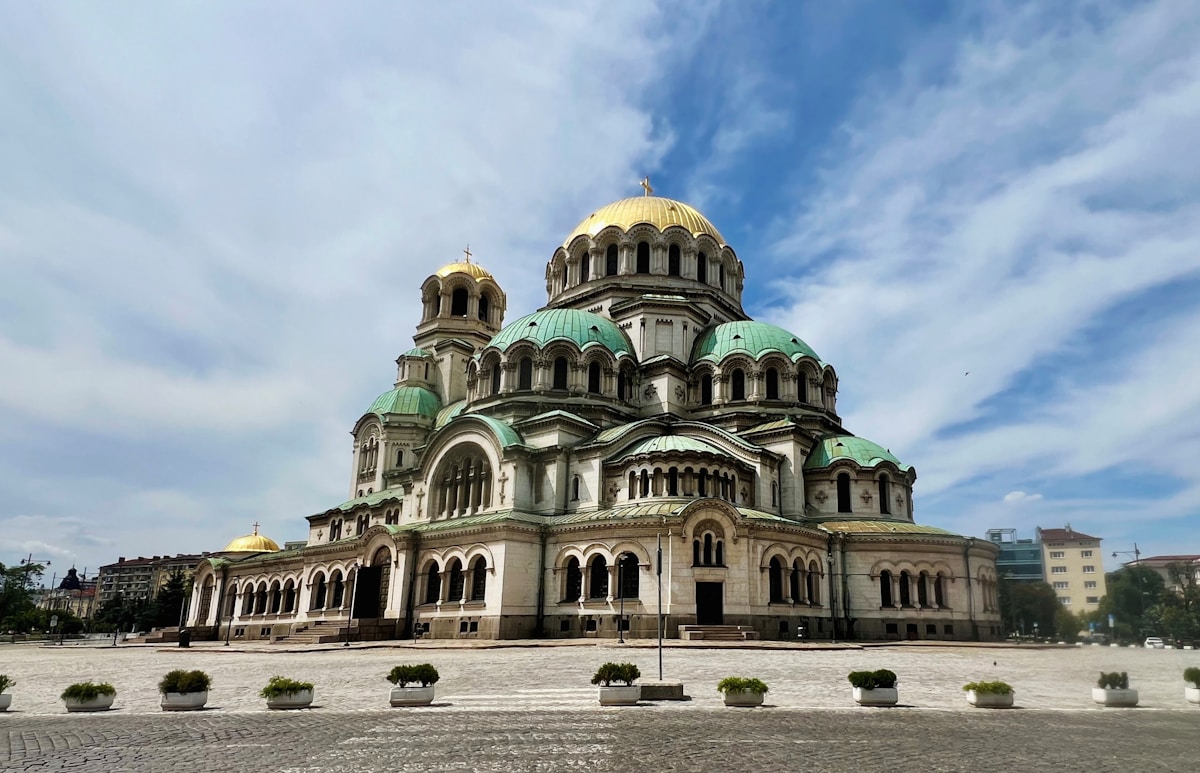
Metro line M4, bus 84/184, and taxi options from Sofia Airport (SOF) to the city centre - fares in BGN and EUR, journey times.
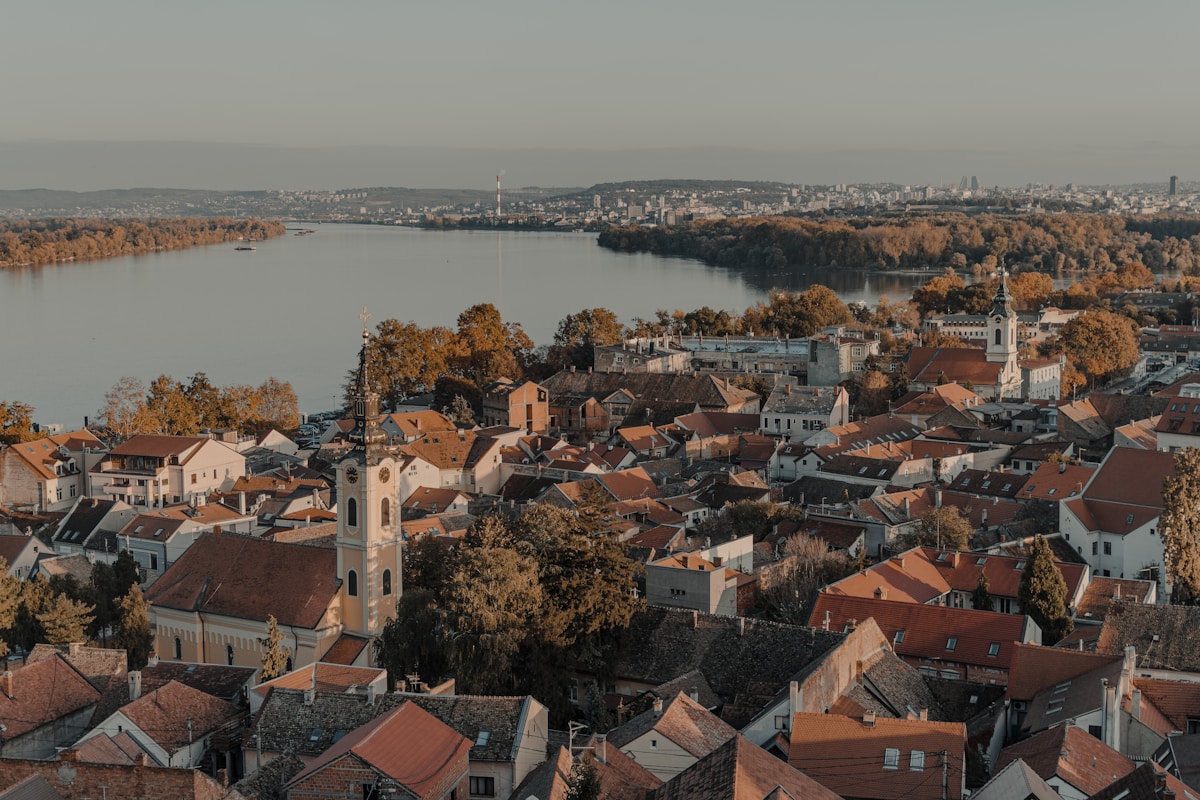
Taxi, bus, and private transfer options from Belgrade Nikola Tesla Airport (BEG) to the city centre - fares, journey times, and booking tips.
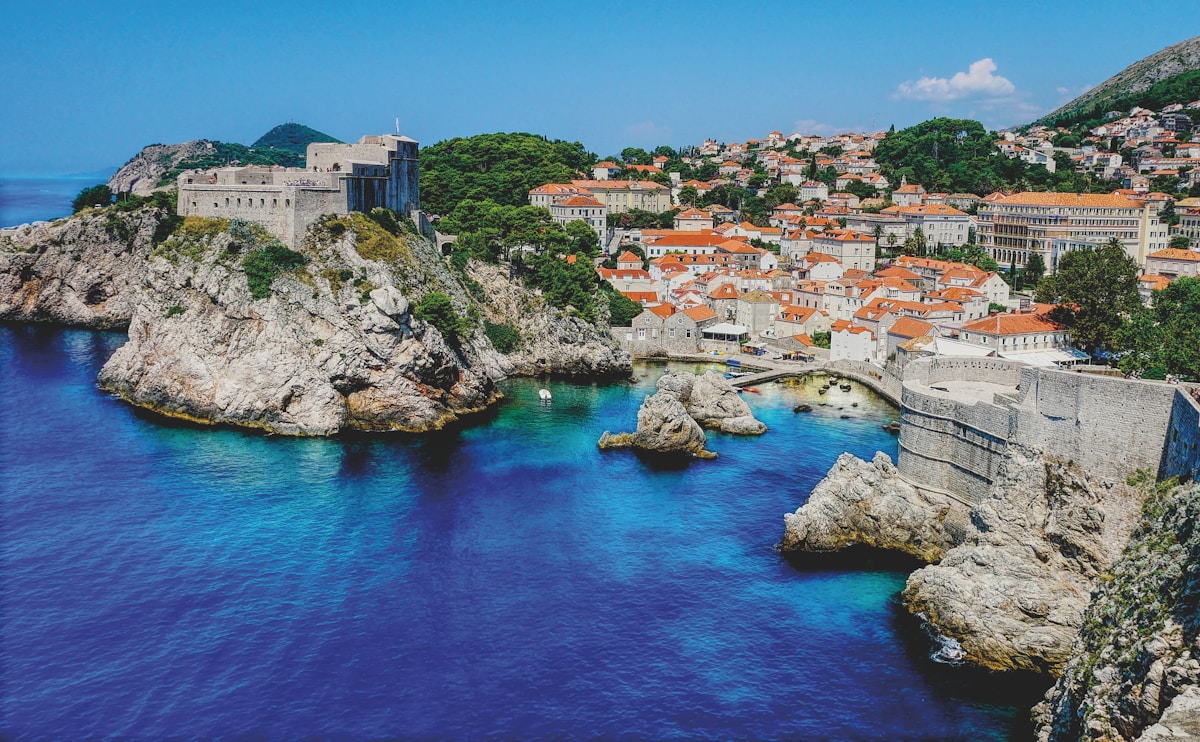
Taxi, Atlas shuttle bus, and private transfer options from Dubrovnik Airport (DBV) to the Old Town and beyond - fares in EUR, journey times.
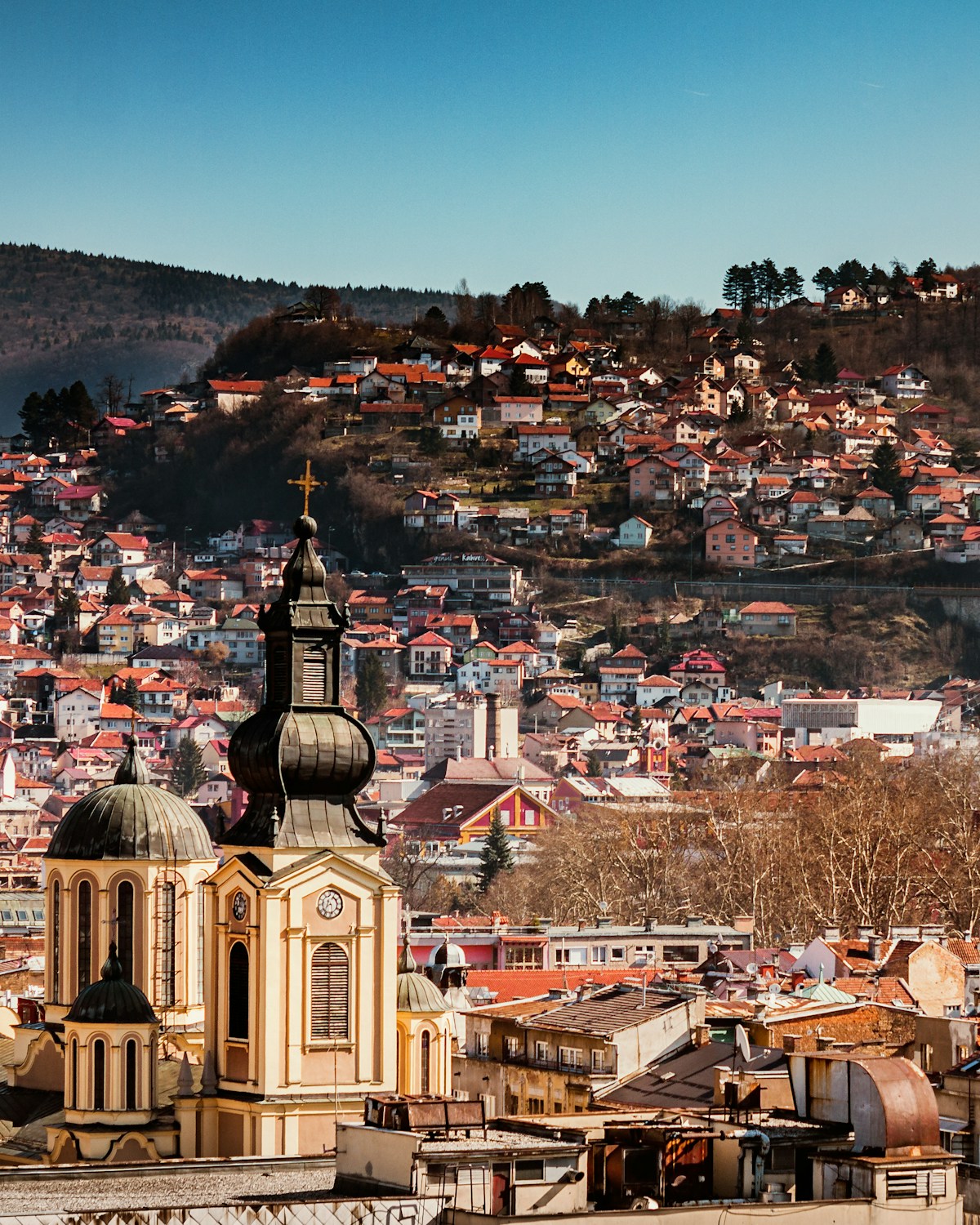
Taxi, bus, and private transfer from Sarajevo Airport (SJJ) to the city centre - fares in BAM and EUR, journey times, and booking tips.
Taxi, shuttle bus, and private transfer options from Split Airport (SPU) to the city centre and ferry port - fares in EUR, journey times.
Taxi, Rinas Express, and private transfer from Tirana Airport (TIA) to the city - fares in ALL and EUR, journey times and booking tips.
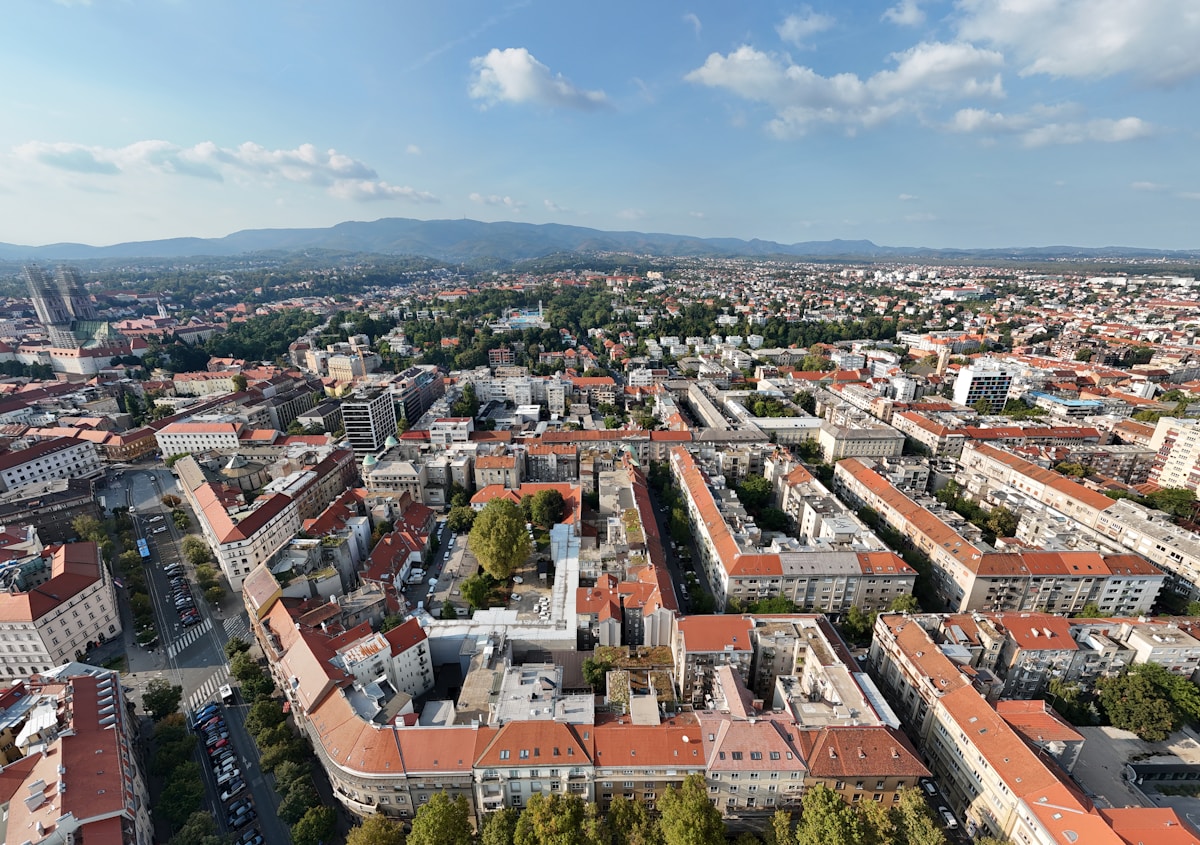
Taxi, shuttle bus, and private transfer options from Zagreb Franjo Tuđman Airport (ZAG) to the city centre - fares in EUR, times.
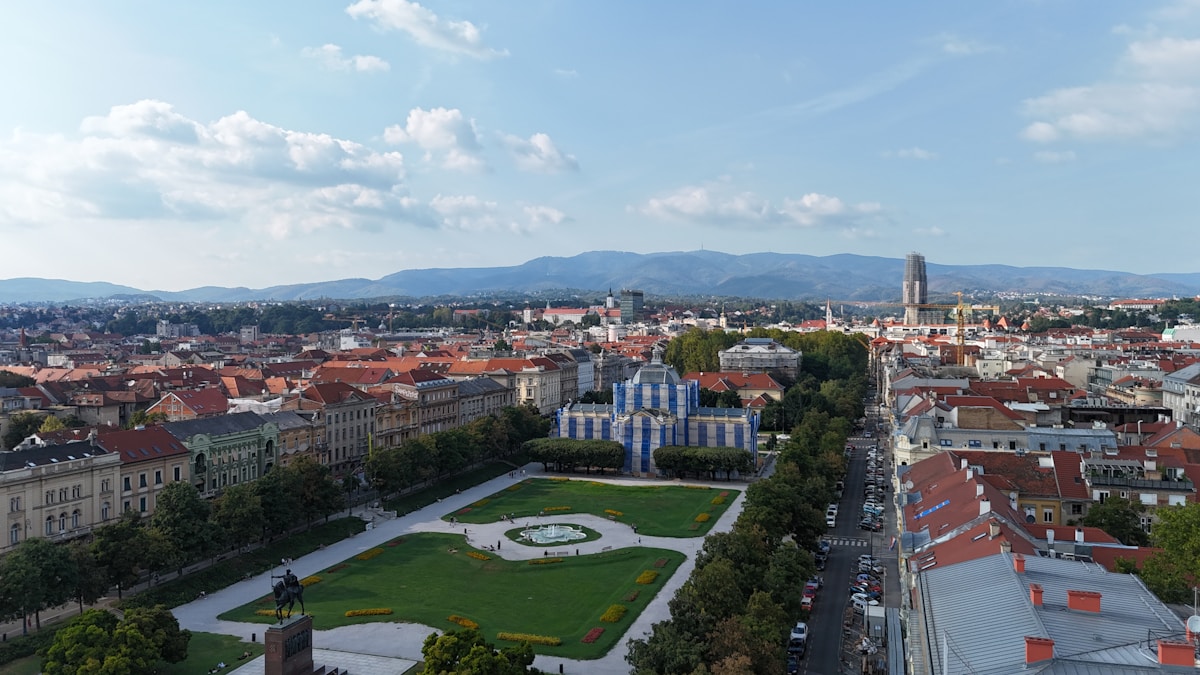
Belgrade vs Zagreb: costs, nightlife, food and day trips compared. Belgrade wins on budget; Zagreb wins on transport links and nature - .
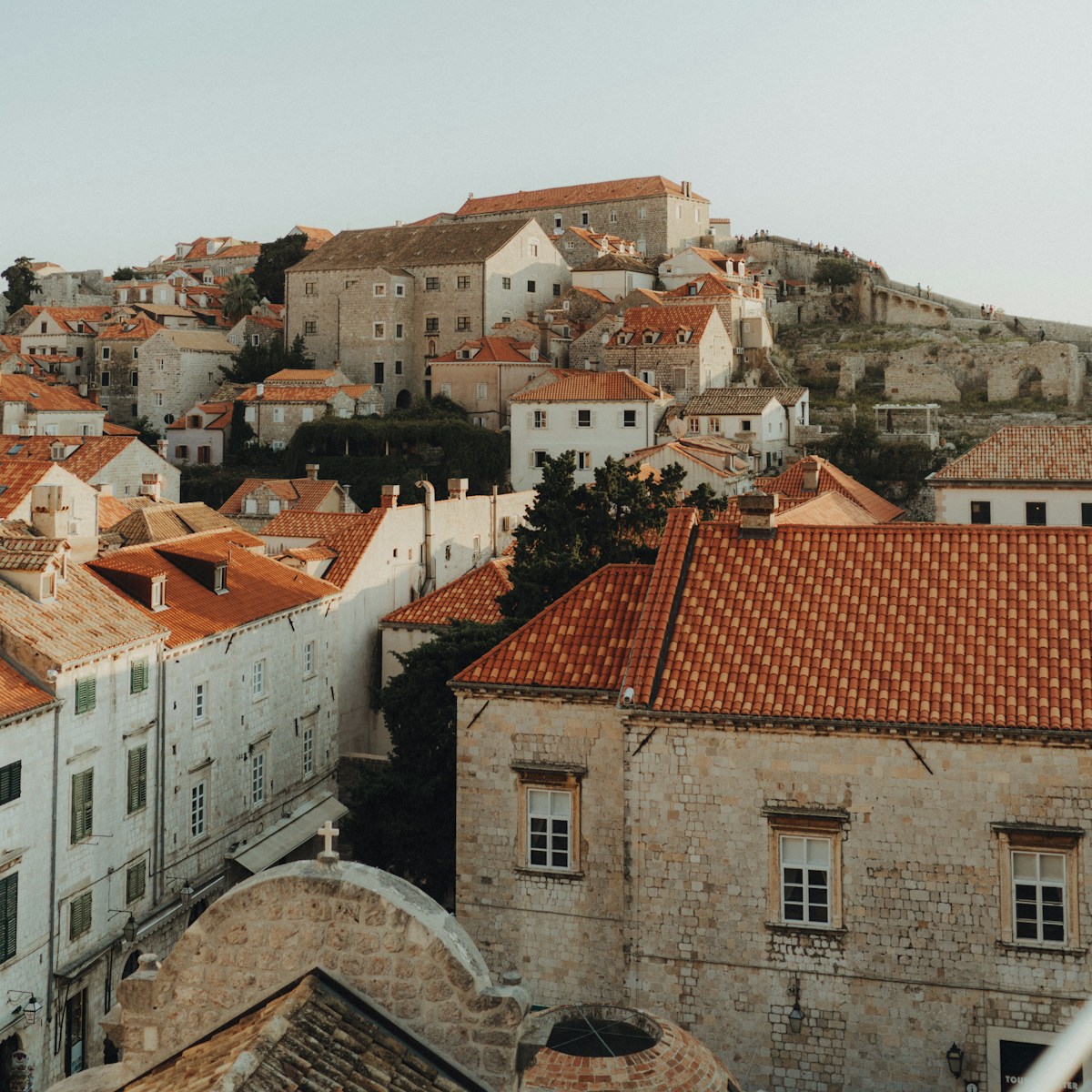
Dubrovnik wins on drama and the old city walls; Split wins on value, beaches, and island access. Costs, hotels, and restaurants compared.
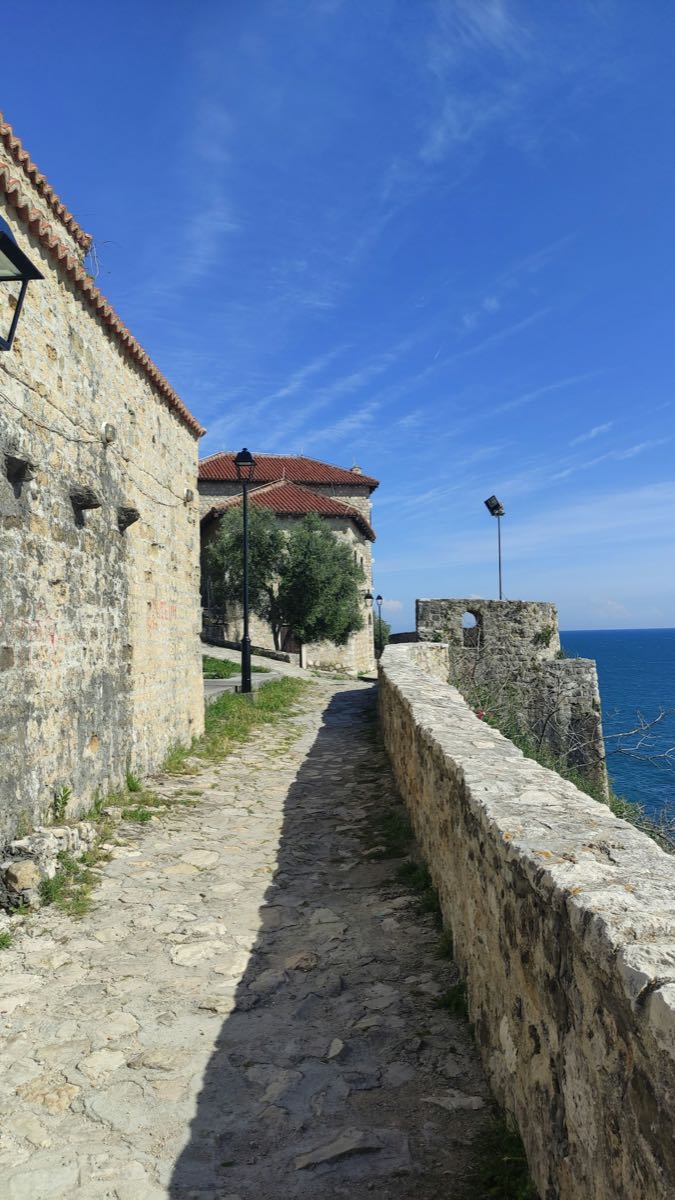
Kotor wins on price and atmosphere; Dubrovnik wins on beaches, the city walls walk and history. Montenegro vs Croatia walled cities compared.
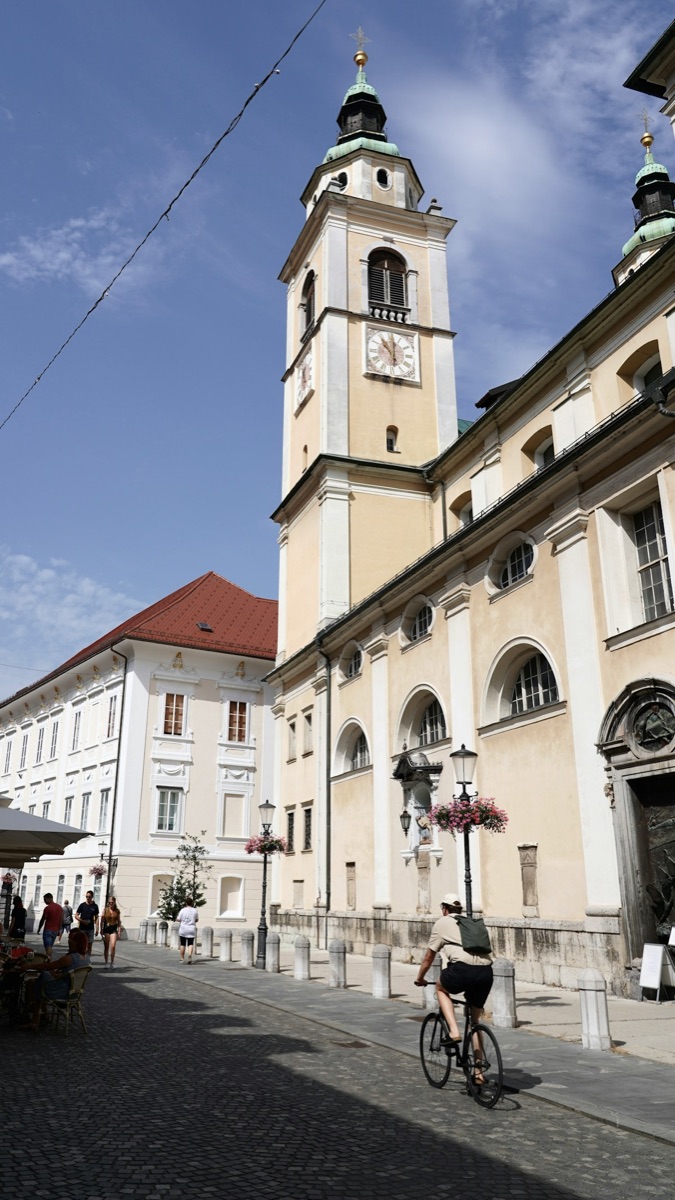
Ljubljana wins on charm and Bled day trips; Zagreb wins on budget, size and coast access. accommodation costs, food prices and clear verdict.
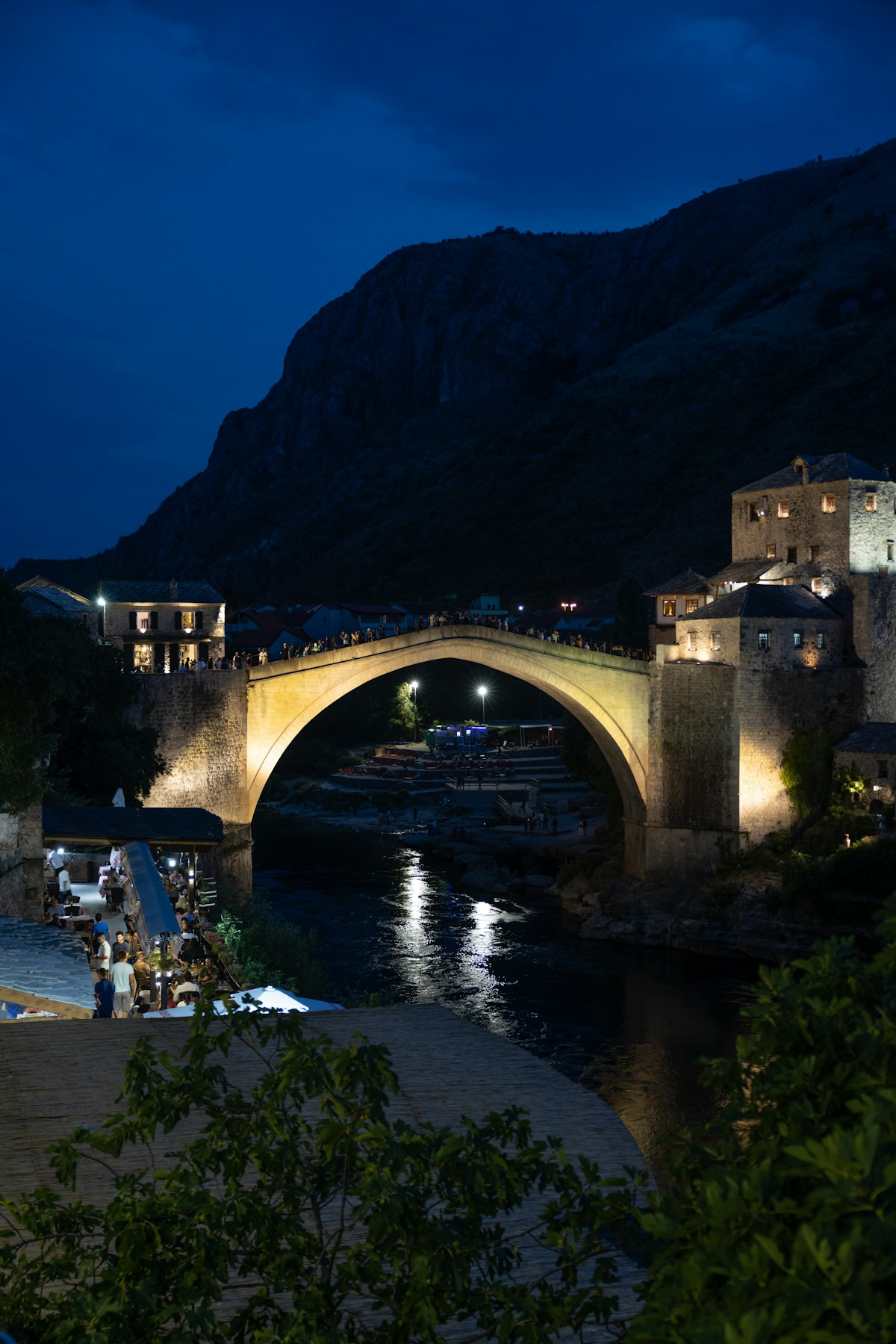
Mostar is best as a day trip; Sarajevo deserves two nights minimum. Costs, hotels, buses and what to eat in Bosnia's two essential cities, .
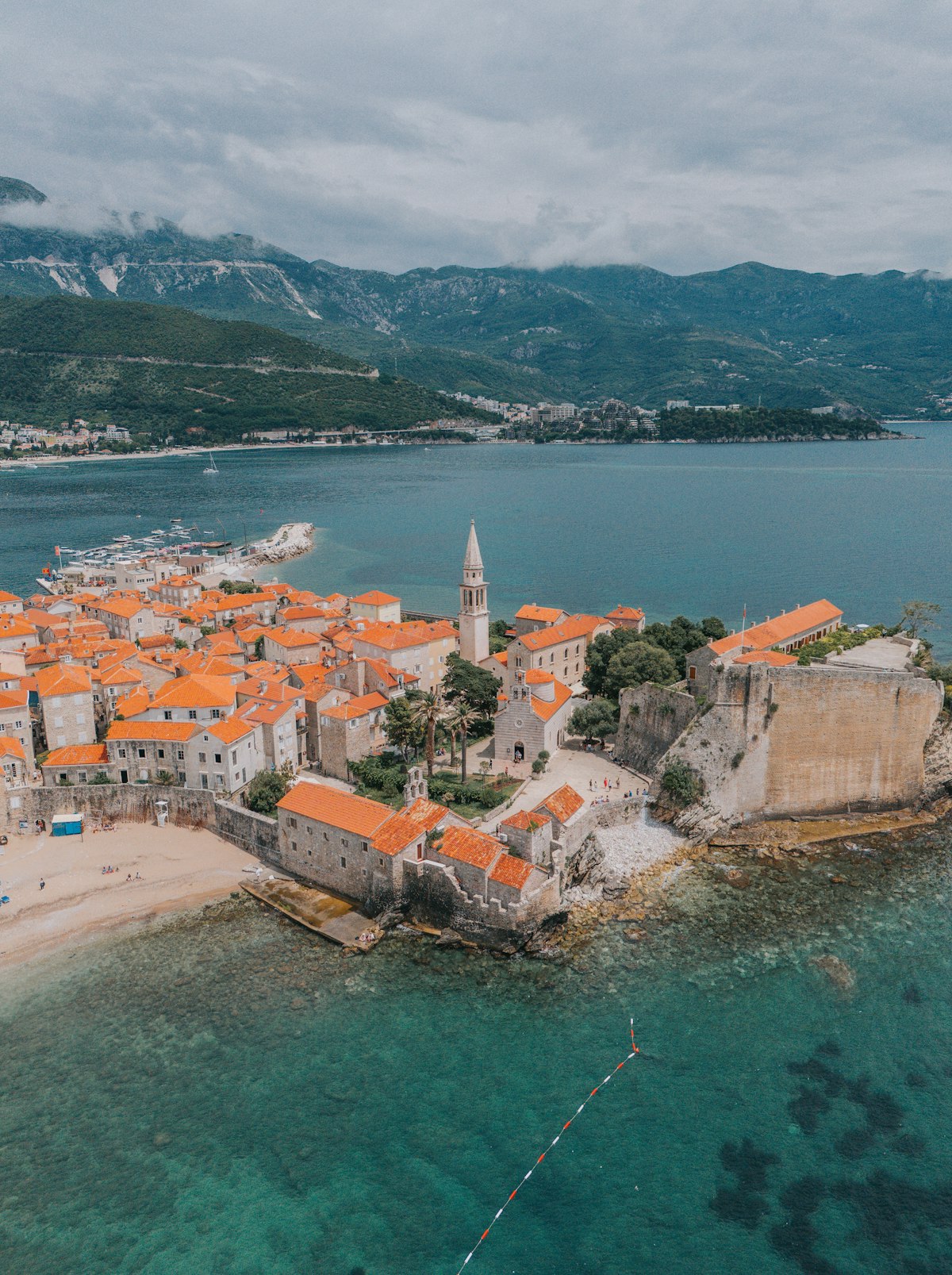
Ohrid wins for culture and scenery; Budva wins for beaches and nightlife, though it feels generic in August. Costs, hotels and how to reach.
Belgrade wins on nightlife; Sofia wins on history and mountain day trips. Both very affordable. costs, hotels, food and transport compared.
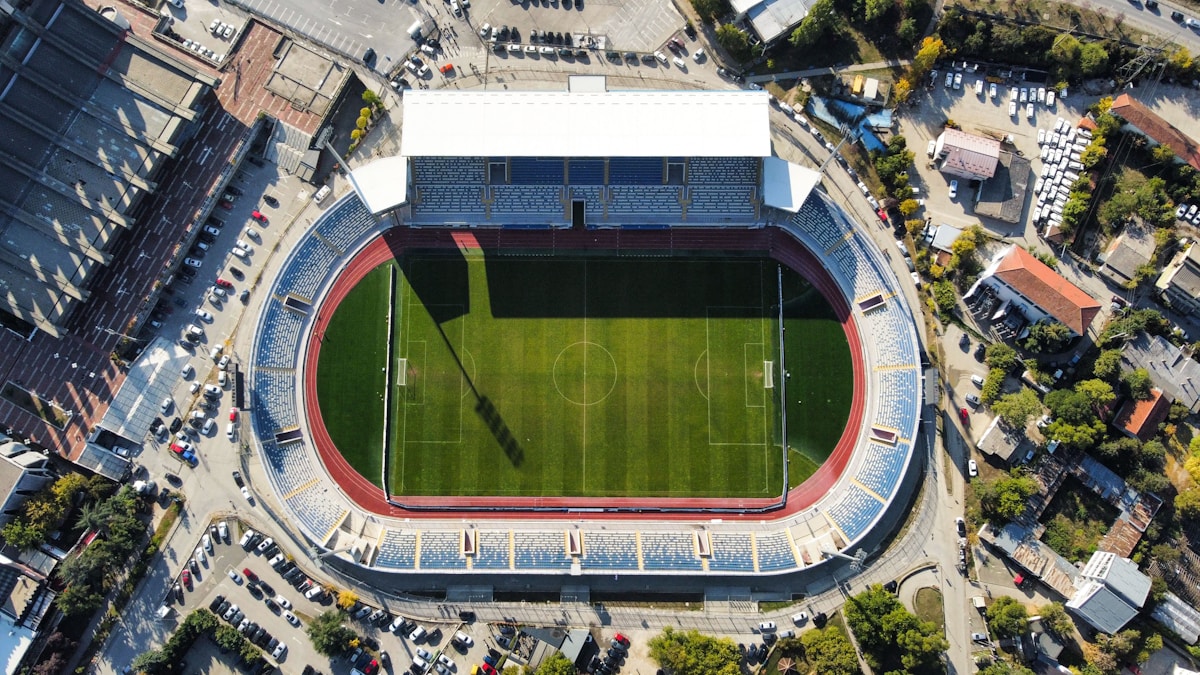
Tirana wins for food and things to do; Pristina wins for cafe culture and authenticity. Two of Europe's cheapest capitals.
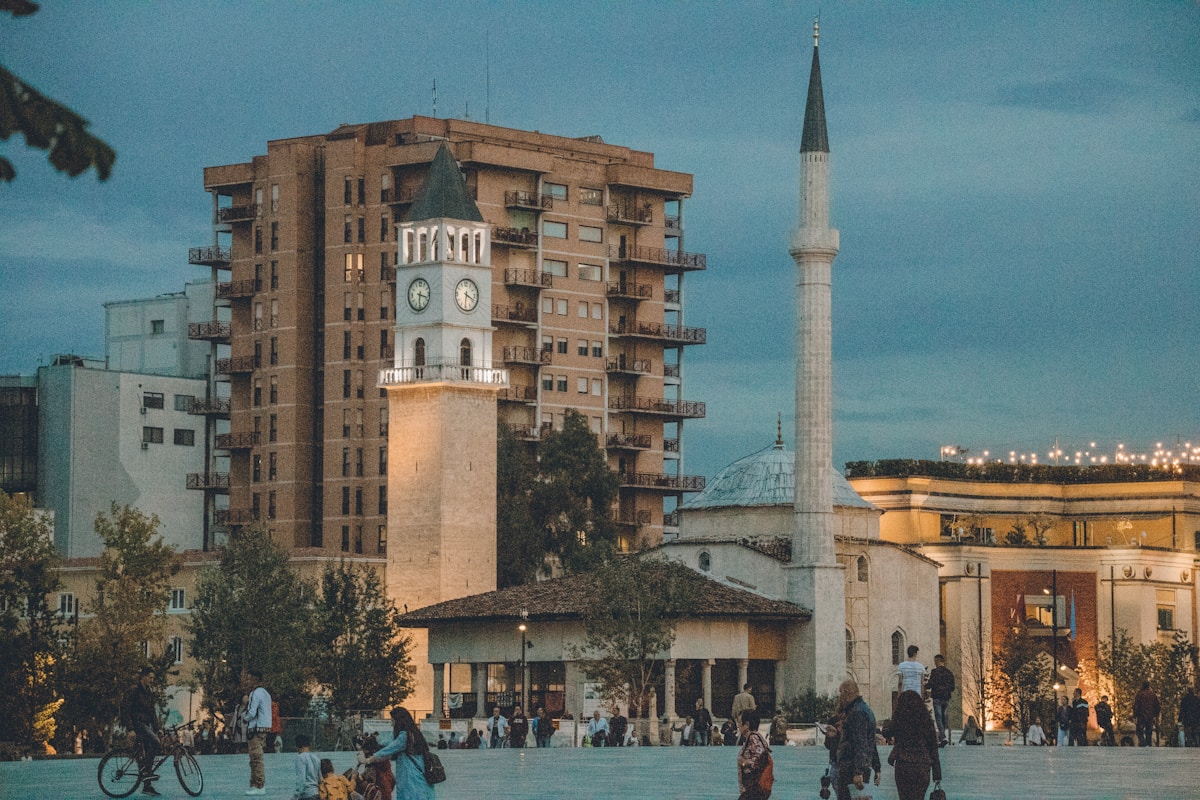
Digital nomad Balkans: coworking, visa rules and costs in Belgrade, Sarajevo, Tirana and Sofia. Europe's best-value cities for remote workers.
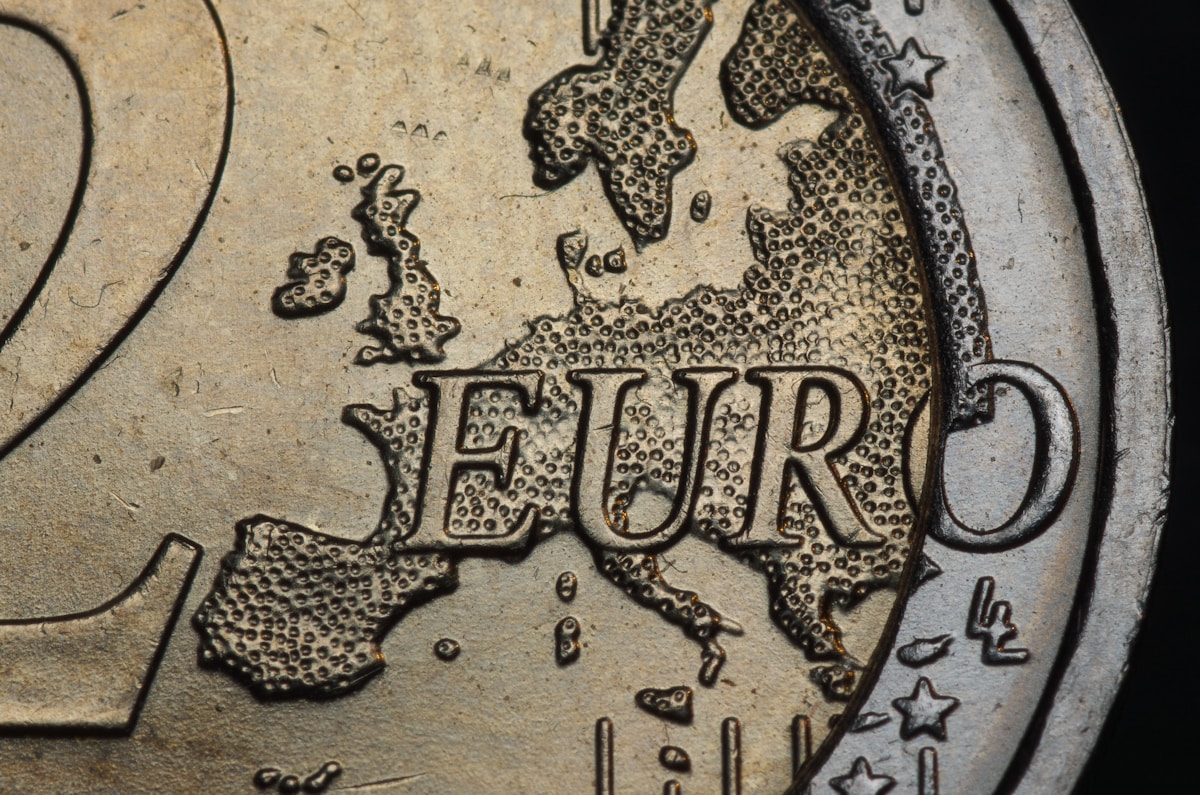
Balkans currency guide: which countries use euros, ATM tips, exchange rates, and tips for Serbian dinar, Bosnian mark, Albanian lek.
Balkans visa guide: entry requirements for all seven countries by passport, Schengen 90-day rules explained, and police registration.
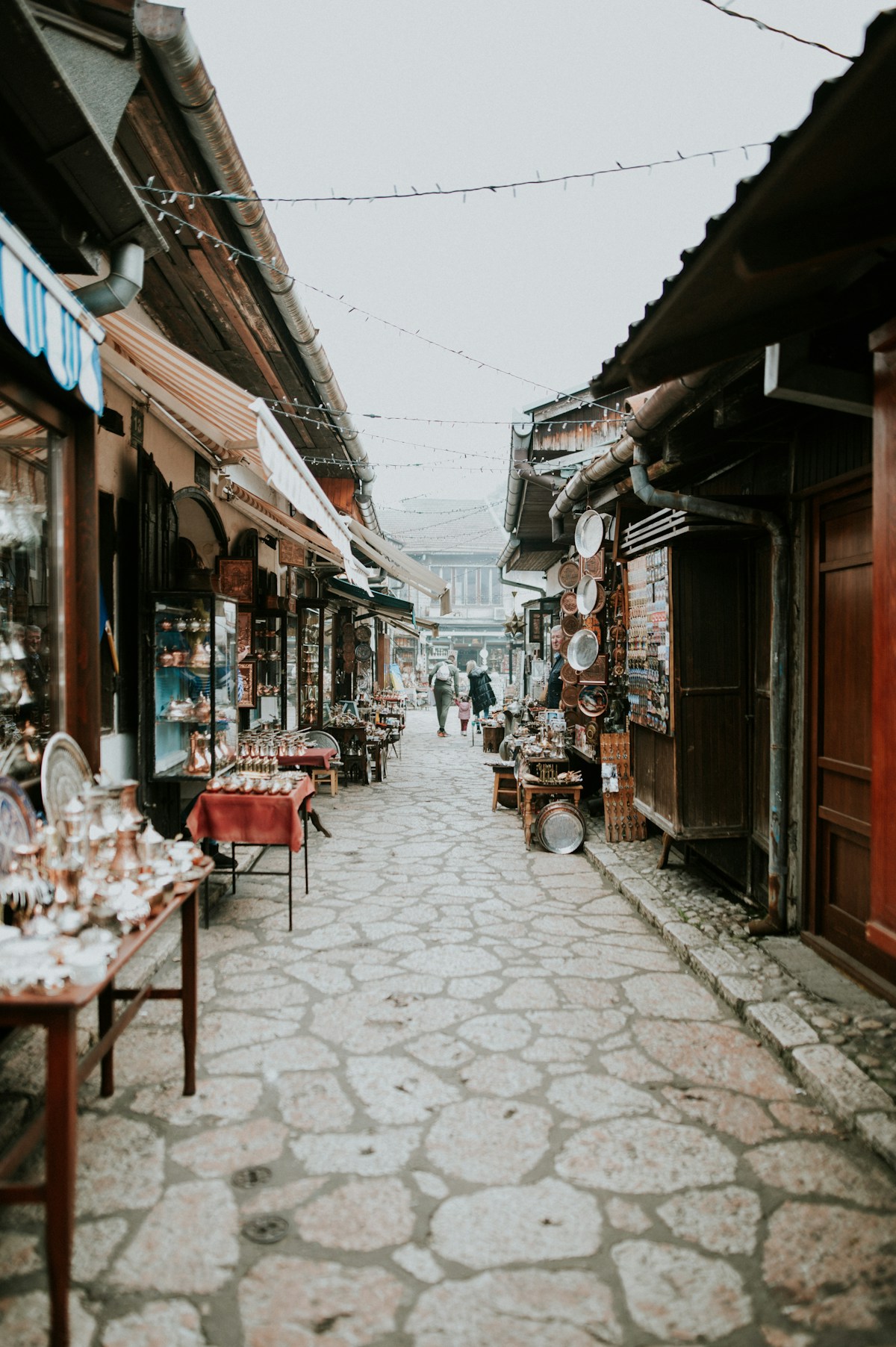
Essential phrases in Serbian, Croatian, Bosnian, Albanian, and Slovenian for Balkan travel with phonetic pronunciations and translations.
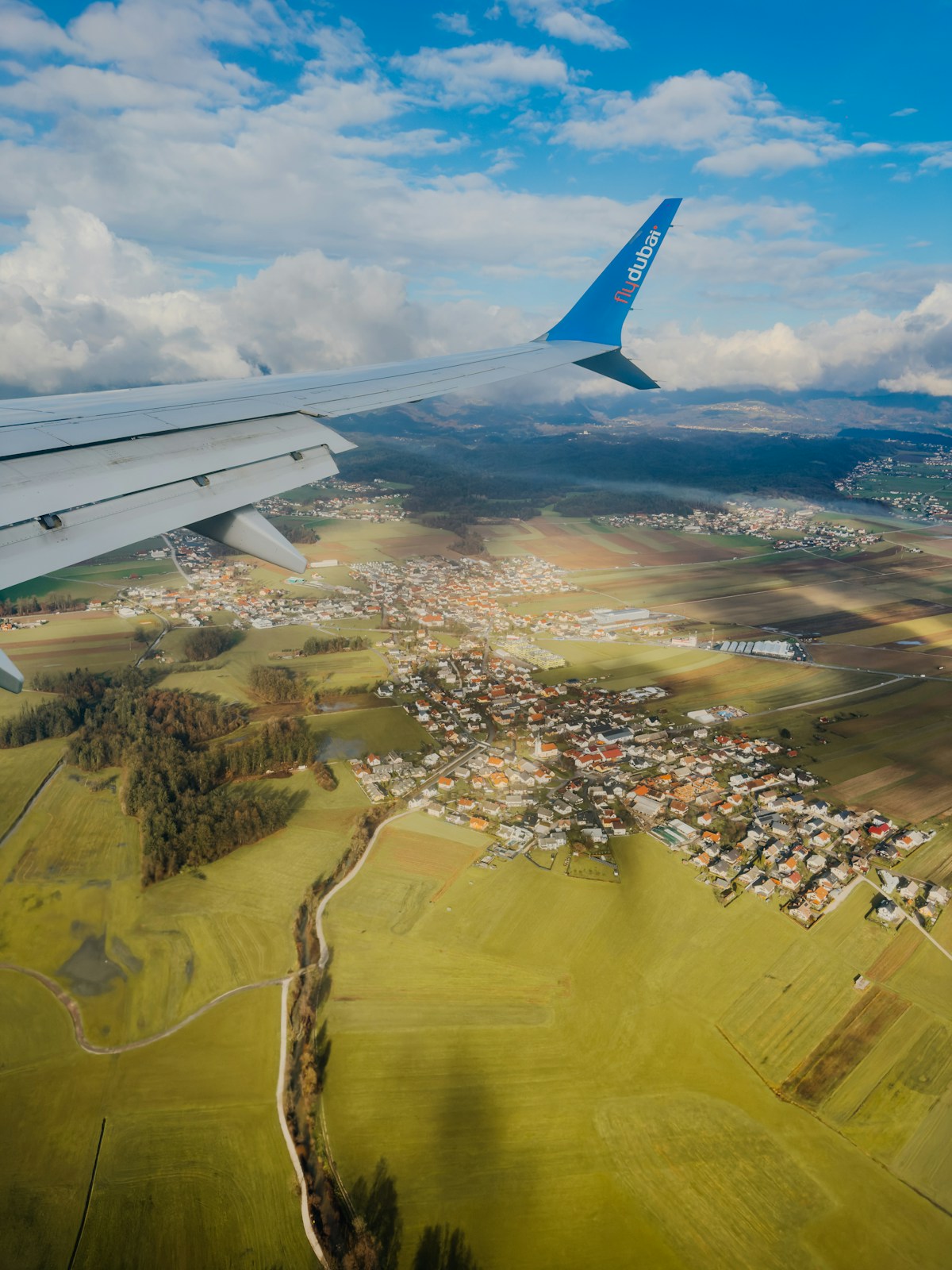
Balkans airports, airlines, open-jaw flight tactics, and ferry options - how to plan flights to Croatia, Albania, Serbia, and Montenegro.
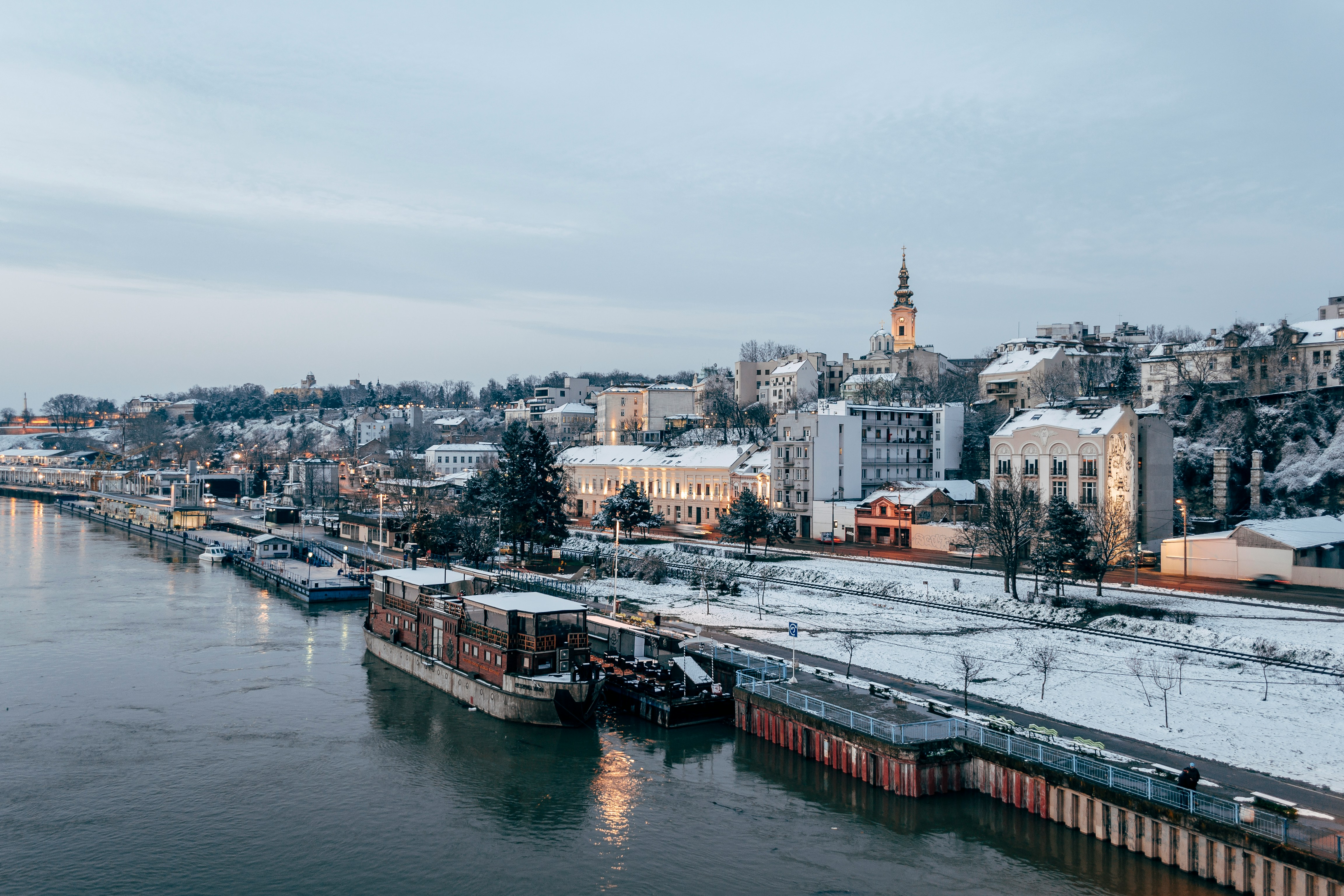
Solo travel in the Balkans is straightforward, affordable, and sociable. Here's what to expect on safety, meeting people, and getting around.
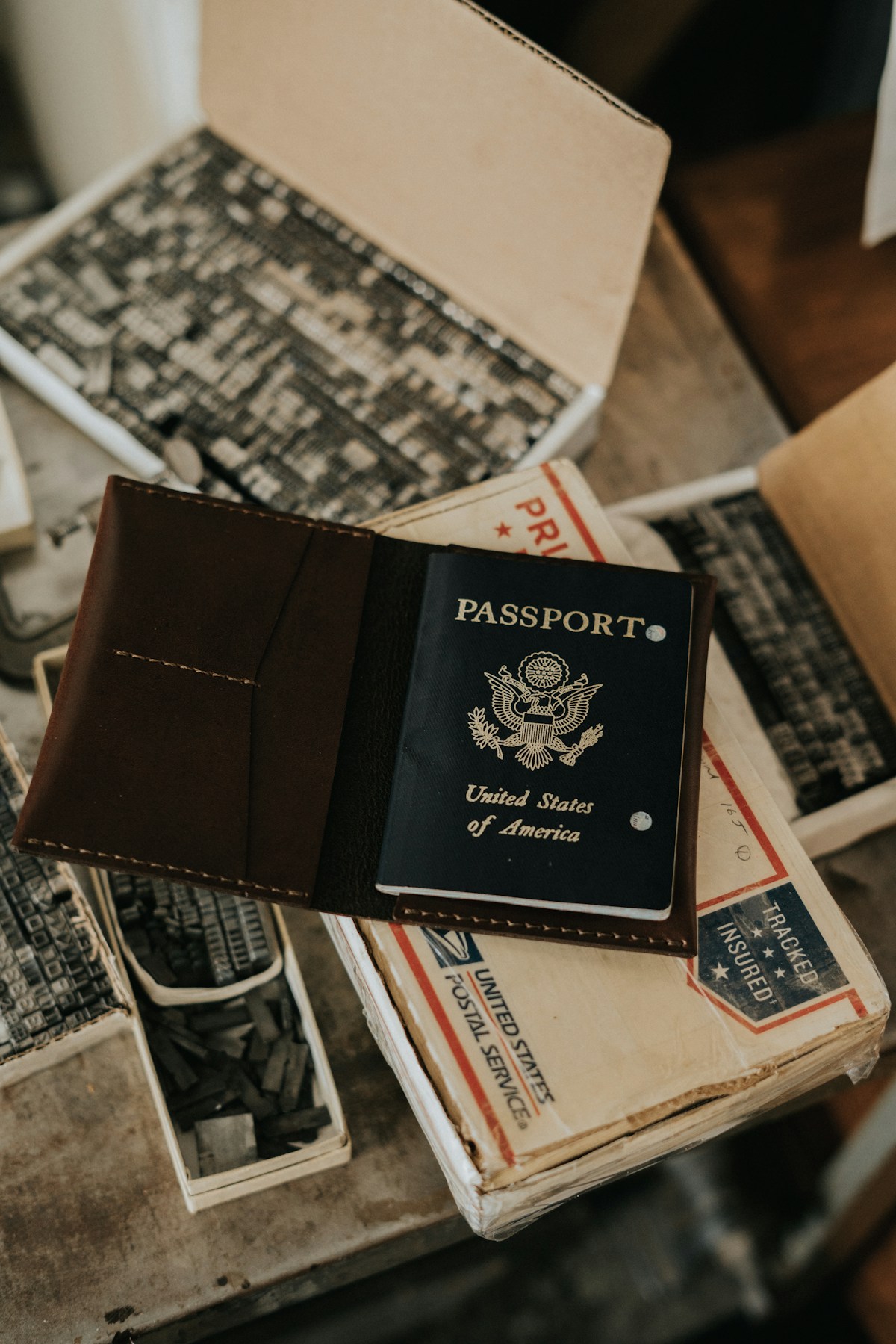
How to plan a Balkans trip: best routes, which countries to combine, how long you need, costs, and what first-time visitors get wrong.
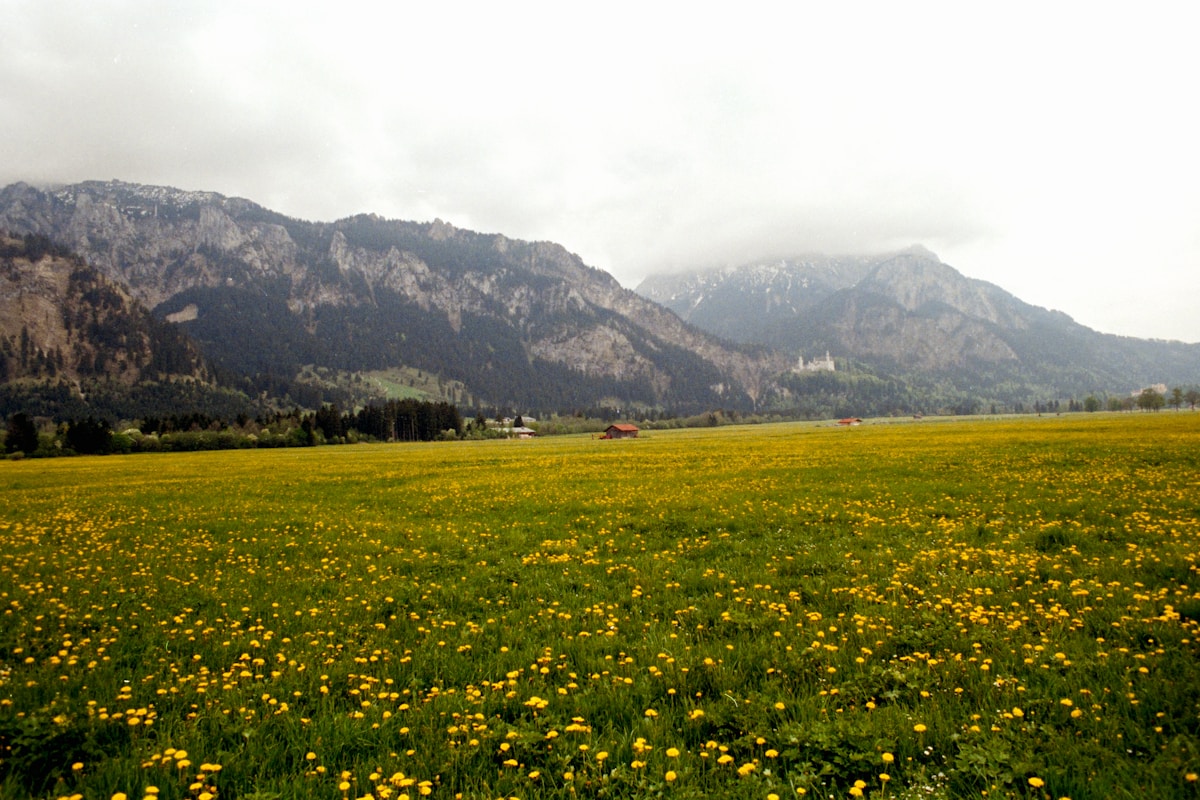
April in the Balkans: spring arrives, wildflowers in Macedonia and Bosnia with 14–19°C weather. Good weather, low crowds before the summer.
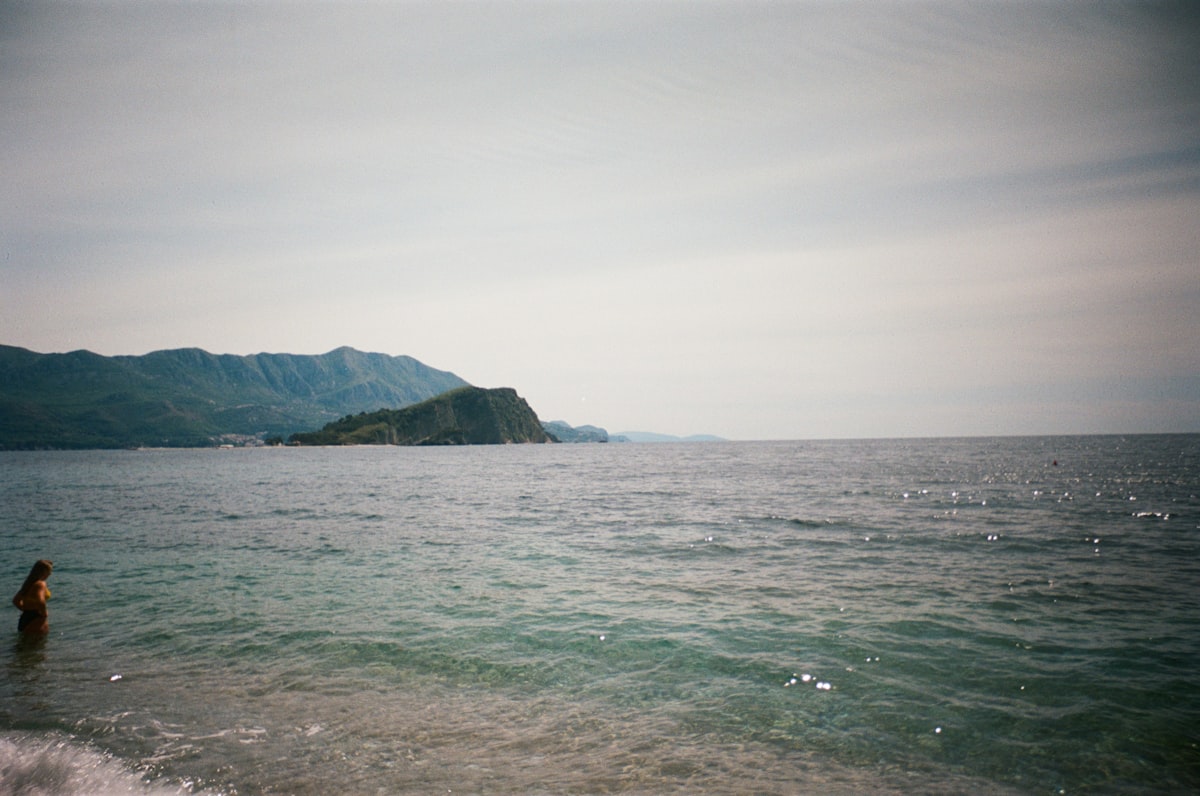
August in the Balkans: the hottest month, peak prices on the Adriatic coast, but lively inland festivals across the region. 29–35°C.
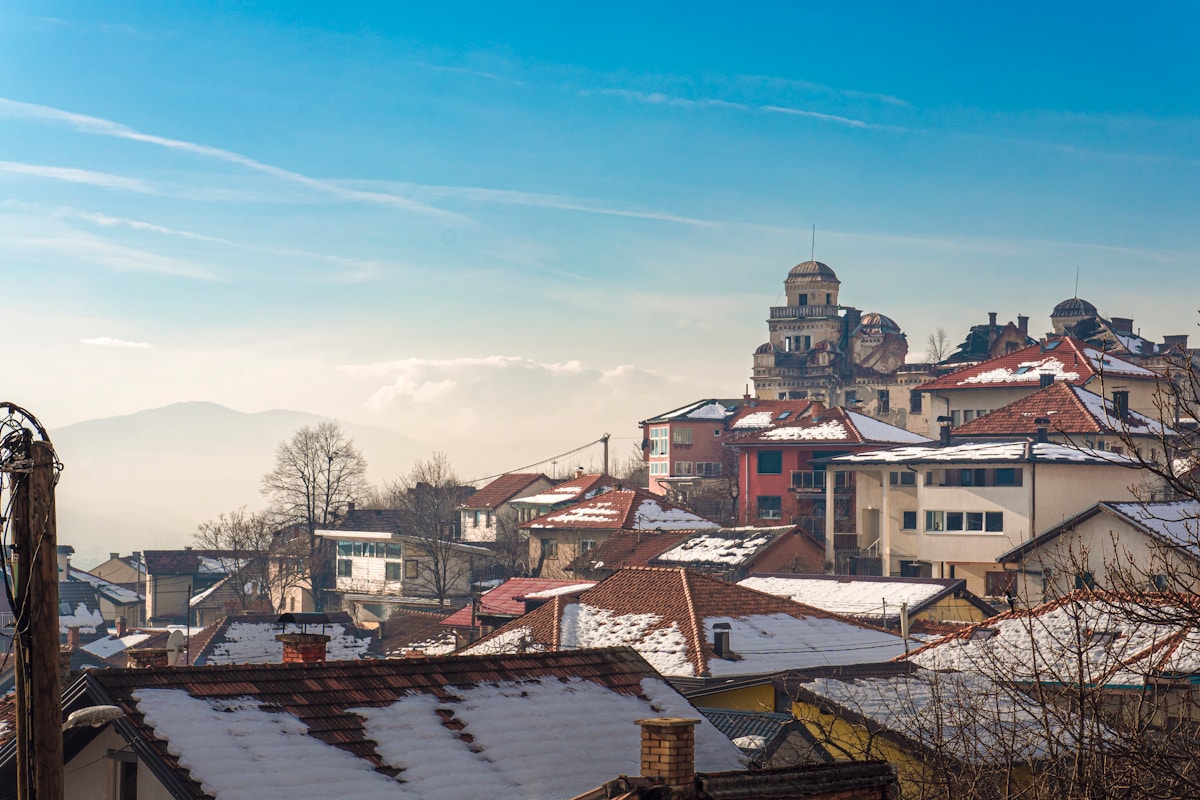
December in the Balkans: Christmas markets, ski season opening in the mountain resorts, and low prices outside the holiday period. 0–8°C.
February in the Balkans: deep winter, 8–12°C, low prices, quiet cities, a lively carnival season, and the region's ski resorts at peak.
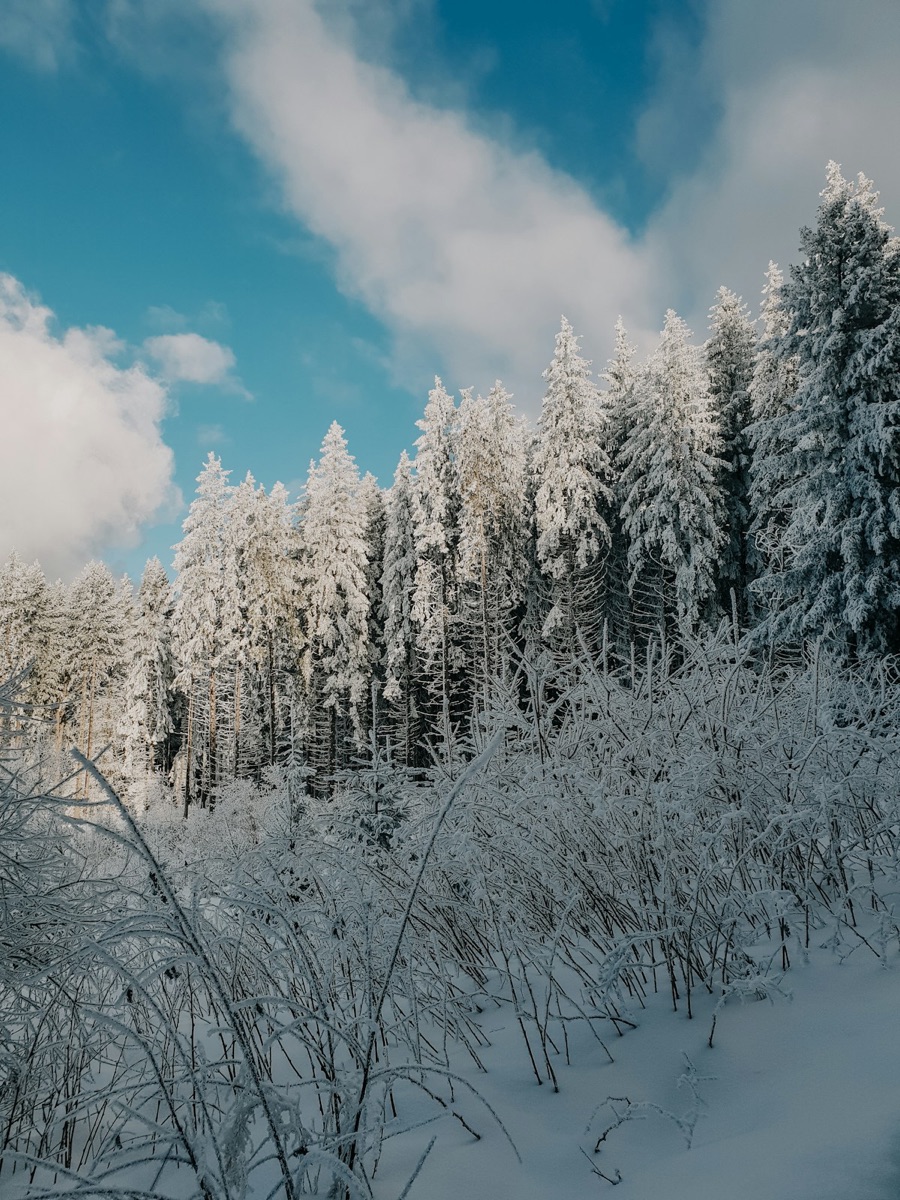
The Balkans in January: cold, snowy mountains, quiet cities with 8–12°C weather. Best for winter breaks in Sarajevo or Belgrade at low.
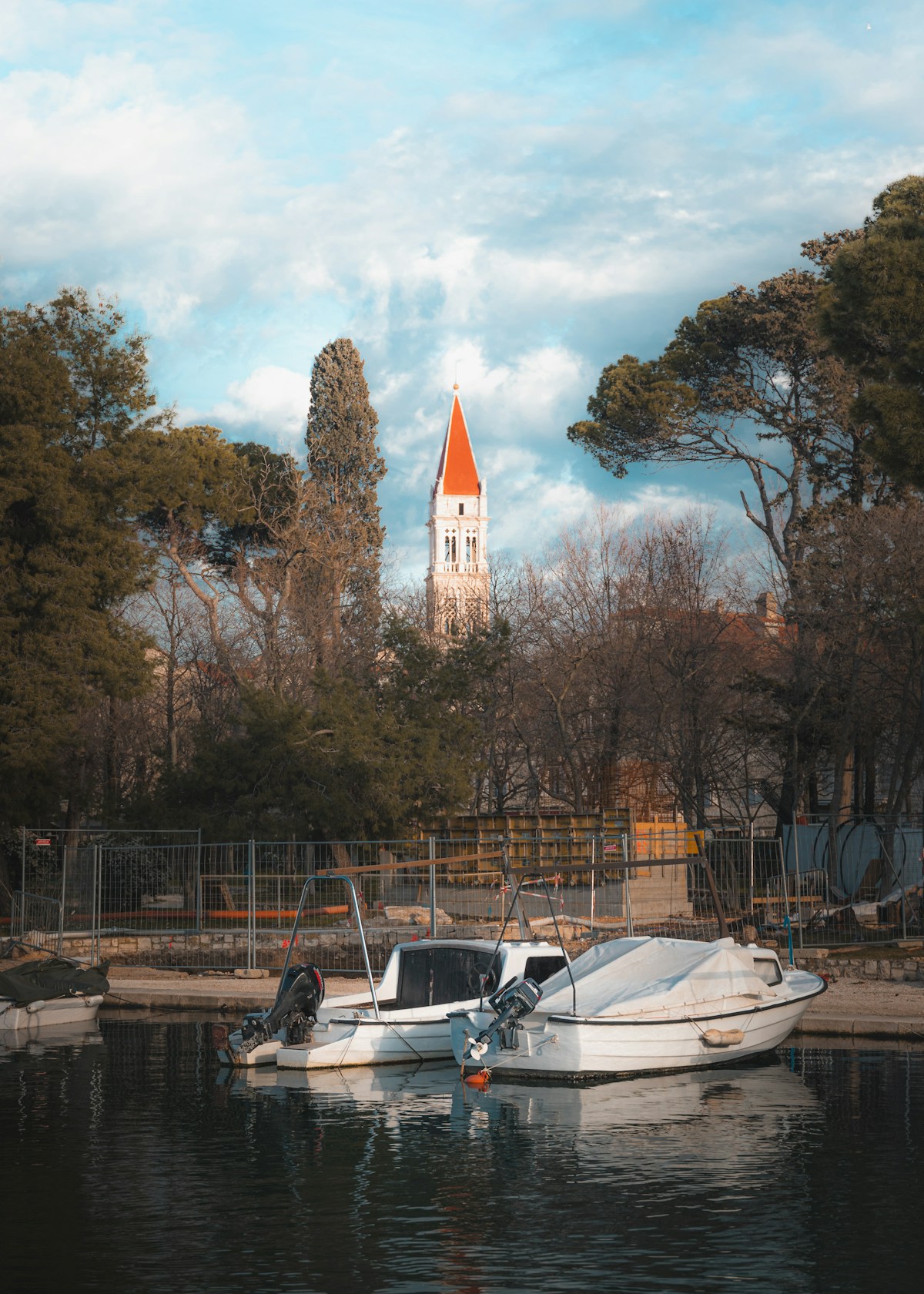
July in the Balkans is peak season - scorching heat, crowded coasts, and a major music festival. Budget travellers do better inland. 32-38C.
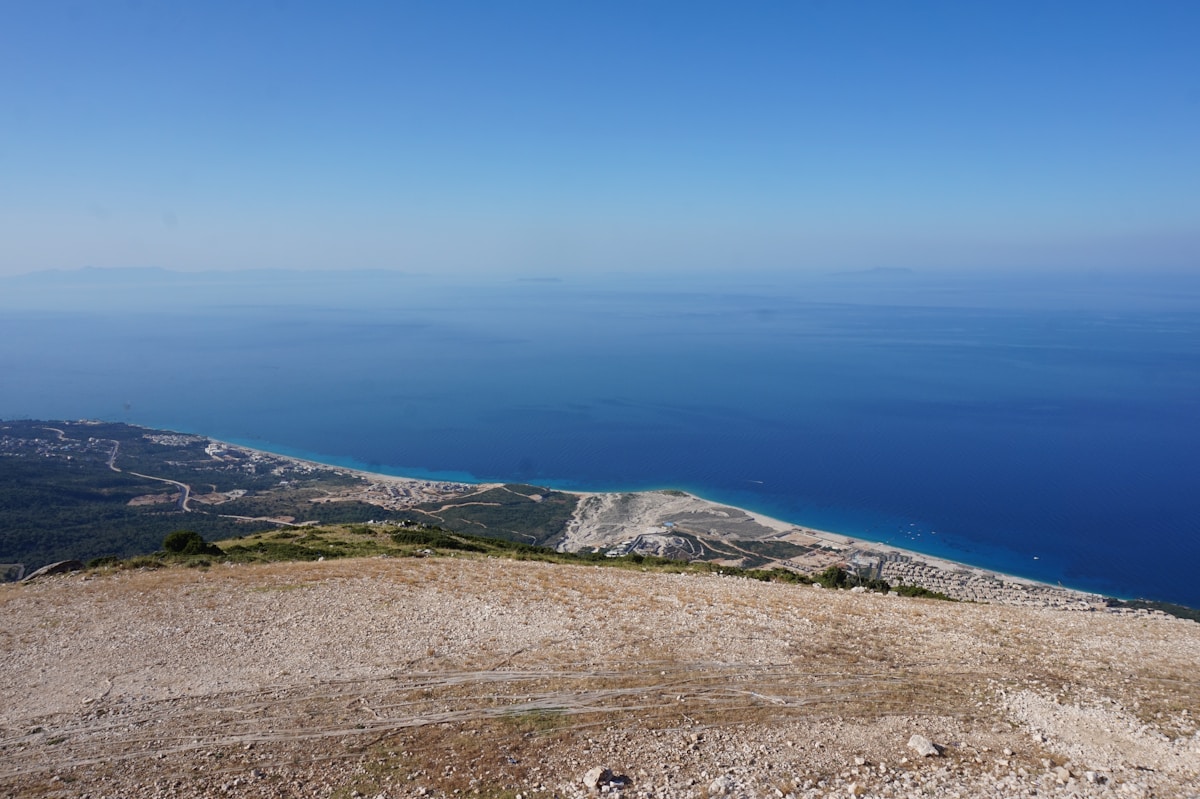
June in the Balkans: early summer, warm seas, and the last window before Dubrovnik and Kotor become overwhelmed with cruise crowds. 24–29°C.
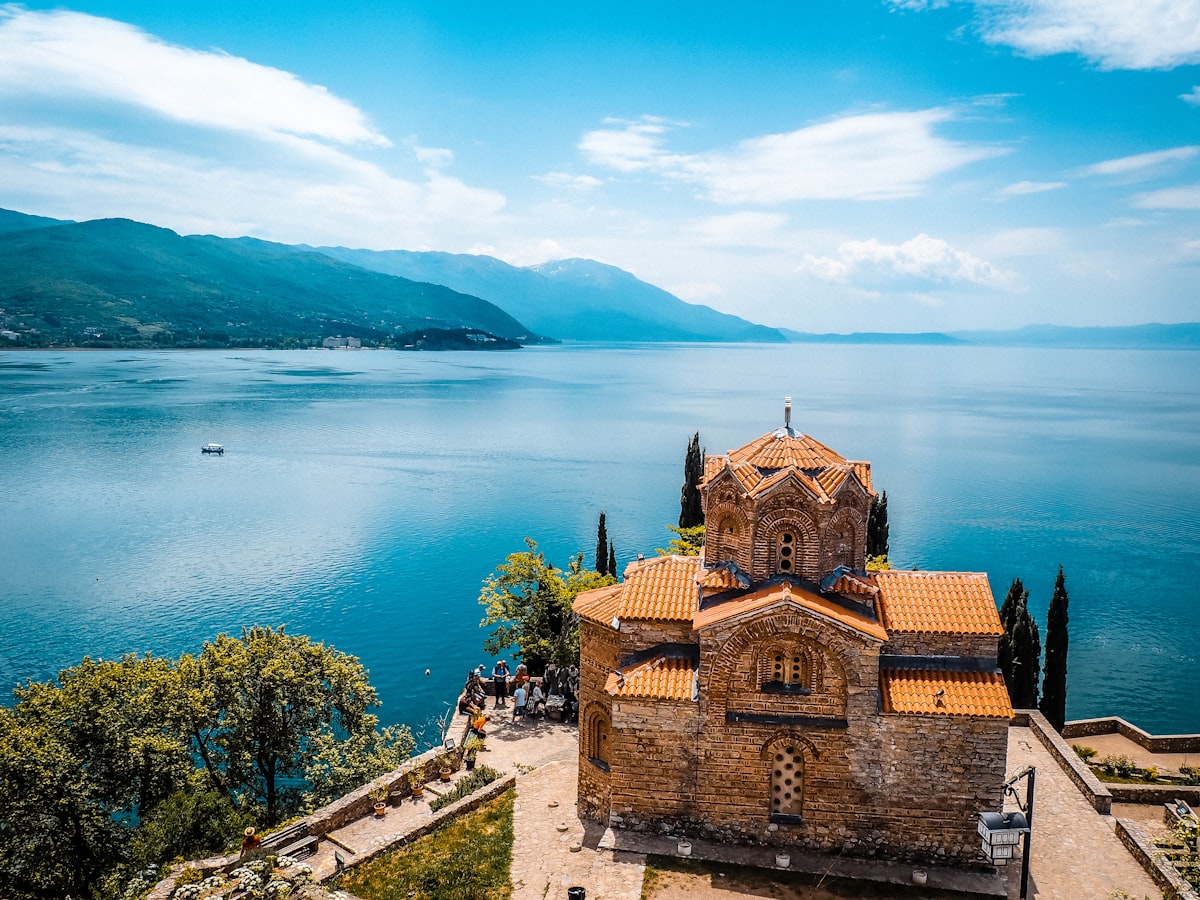
March in the Balkans: winter thaws, early spring on the Croatian coast, and fewer tourists - what to expect across each country this time.
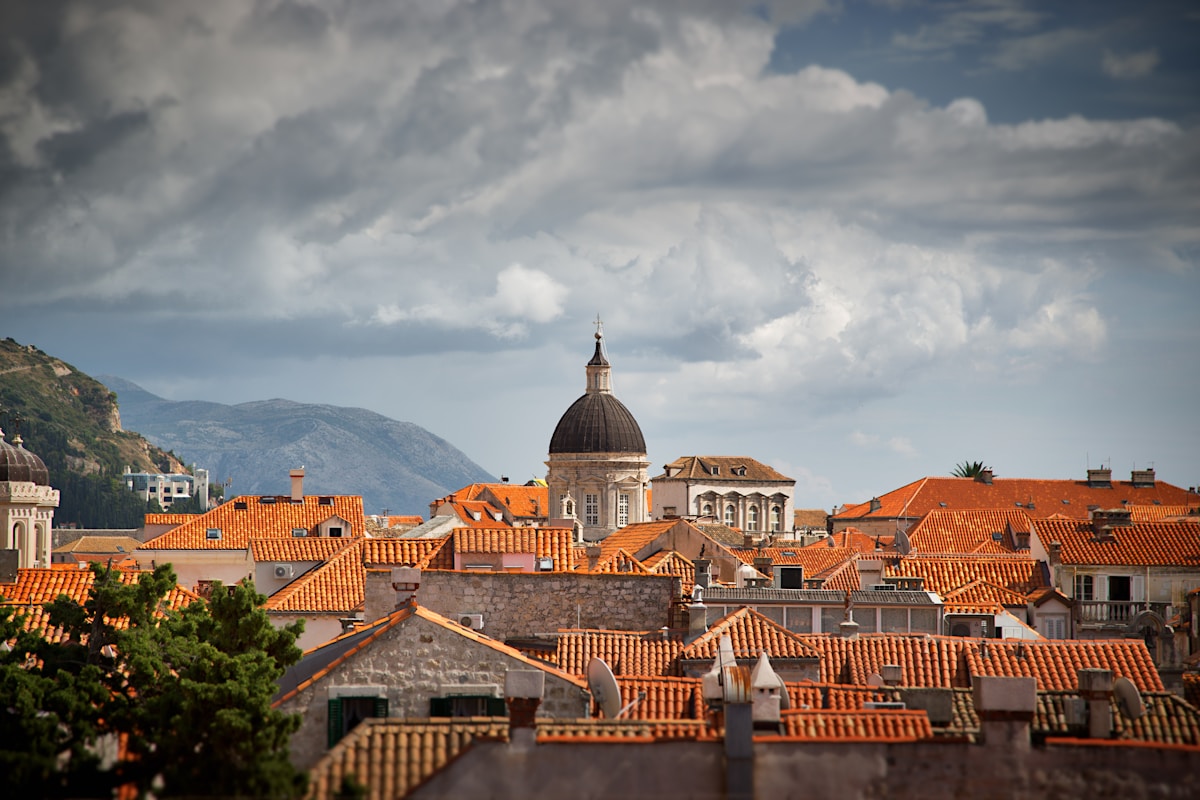
Balkans in May: warm and uncrowded, sea at 18-20°C, ideal for hiking and city breaks. Temperatures, crowds, and what to do by country.
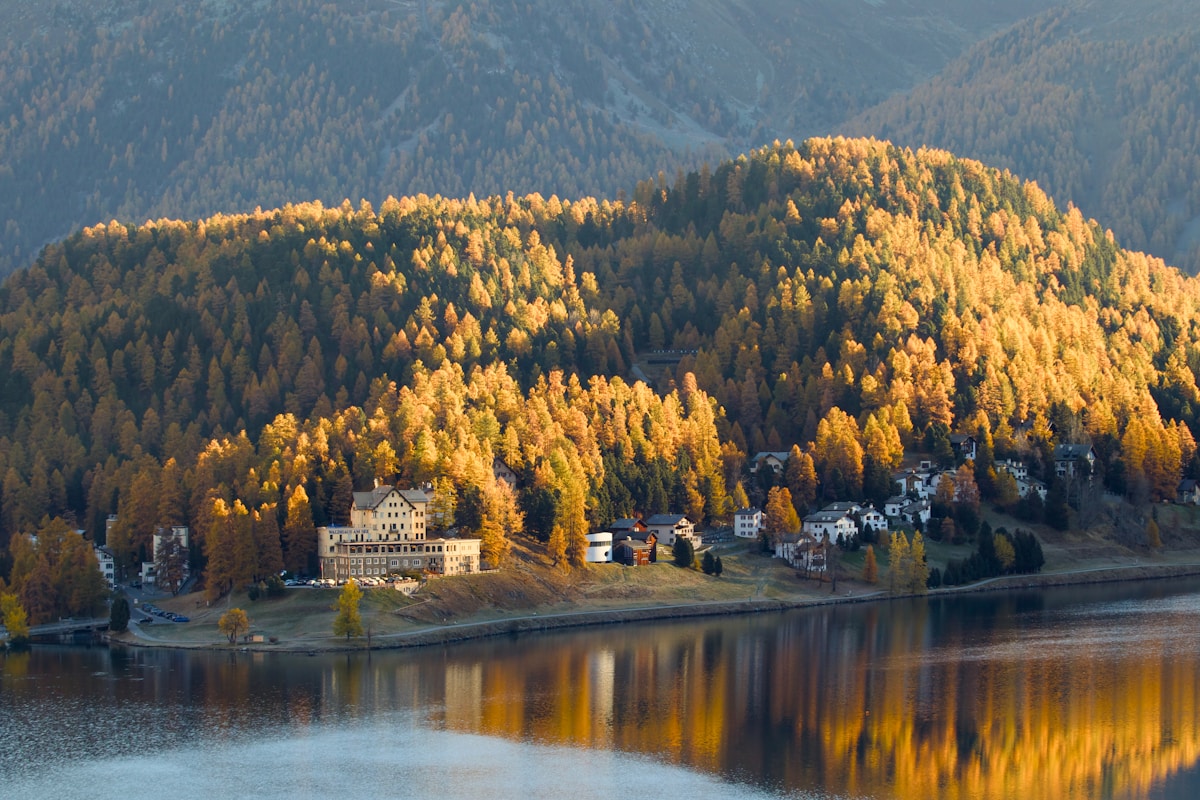
Balkans in November: Belgrade, Sarajevo and Skopje are lively and cheap as coast towns close - off-season prices with autumn festivals still.
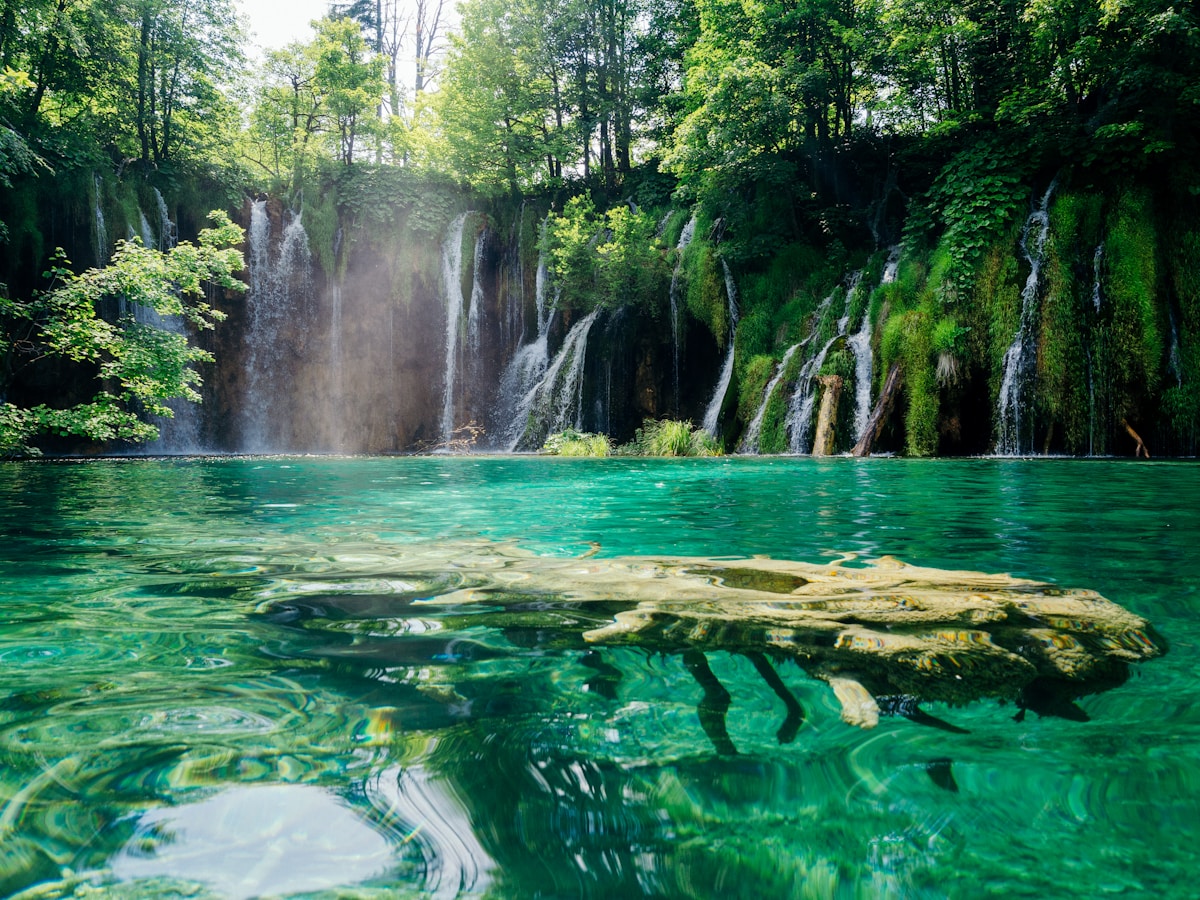
October in the Balkans brings golden autumn light, quiet coastlines, and good temperatures across Croatia, Bosnia, Serbia, and Albania.
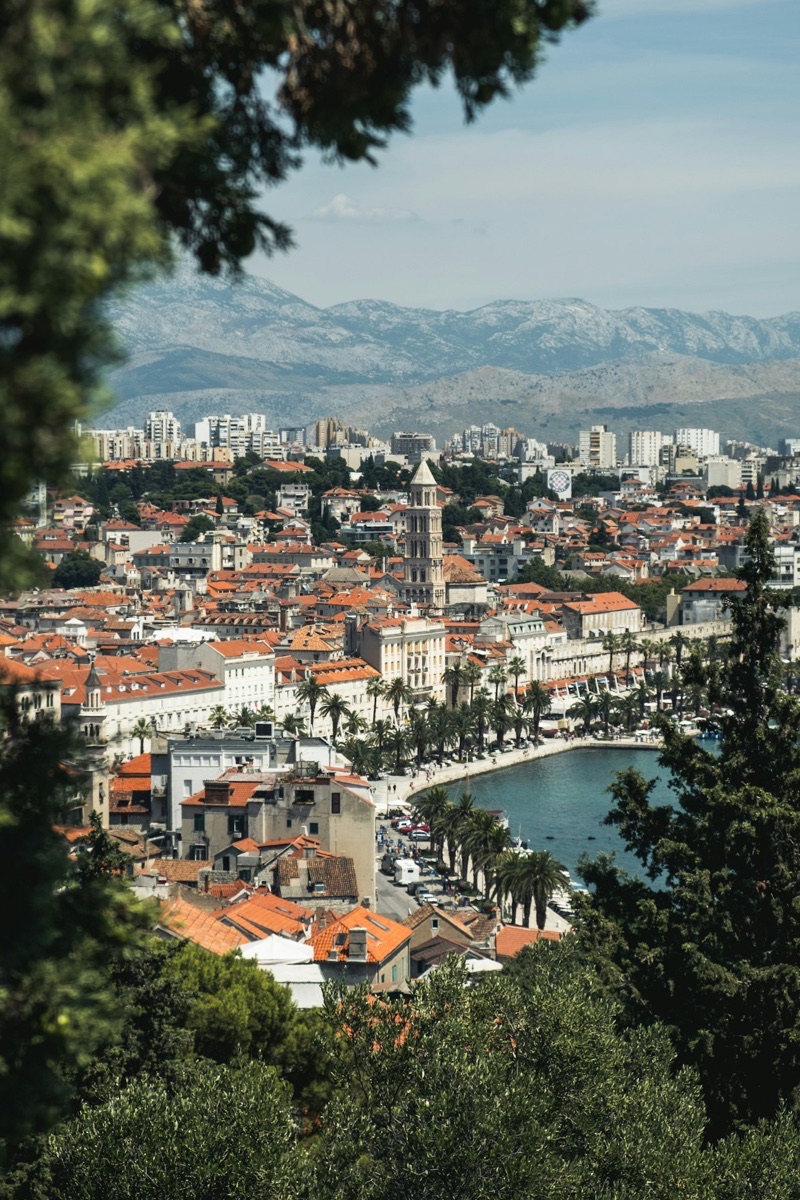
September rivals May as the best month for visiting the Balkans - seas (23–25°C), fewer crowds, and accommodation 30–40% cheaper than August.
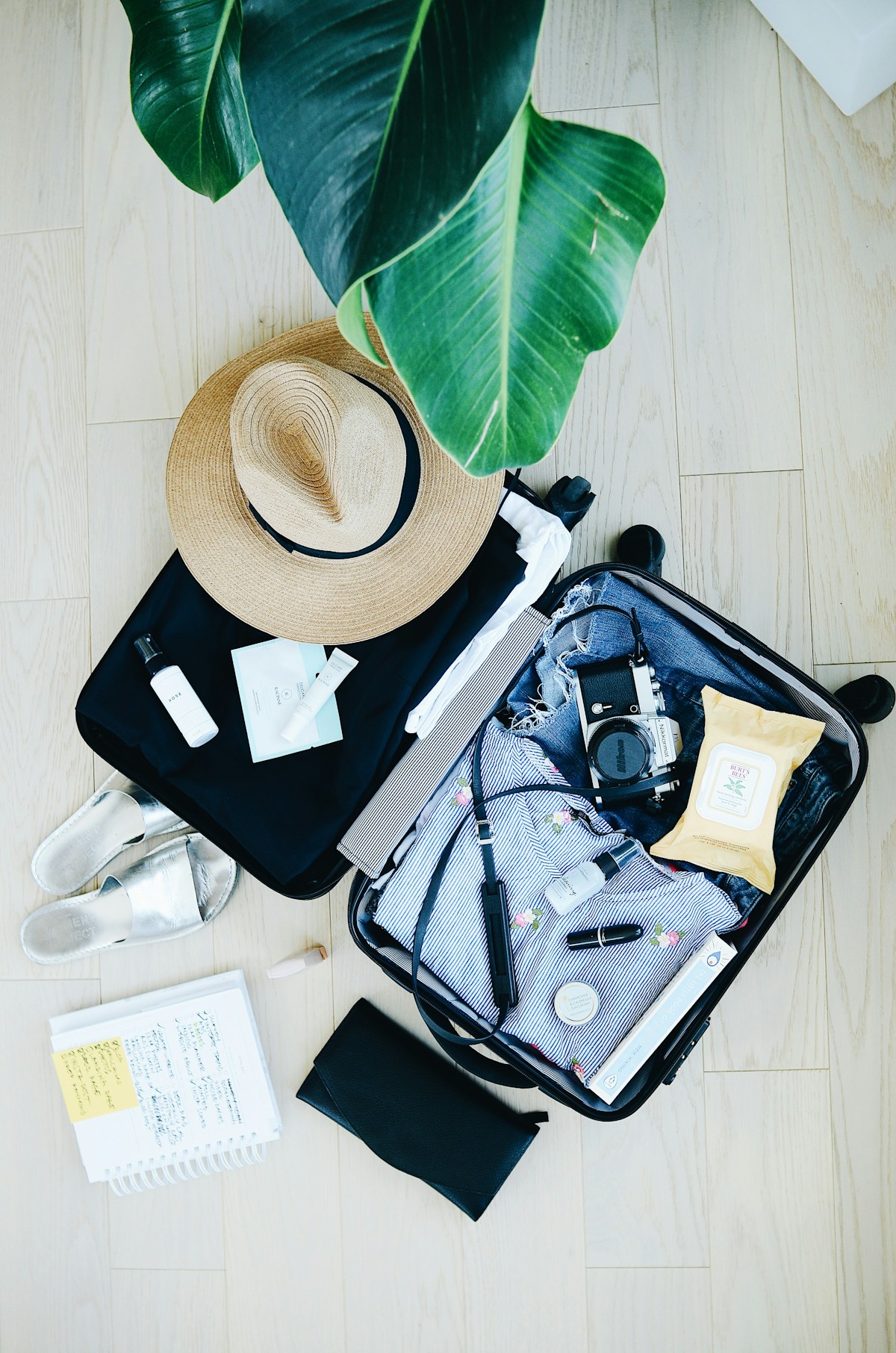
What to pack for the Balkans: documents, clothing for a 15-38C temperature range, cobblestone-ready shoes, power adaptors, and health essentials.
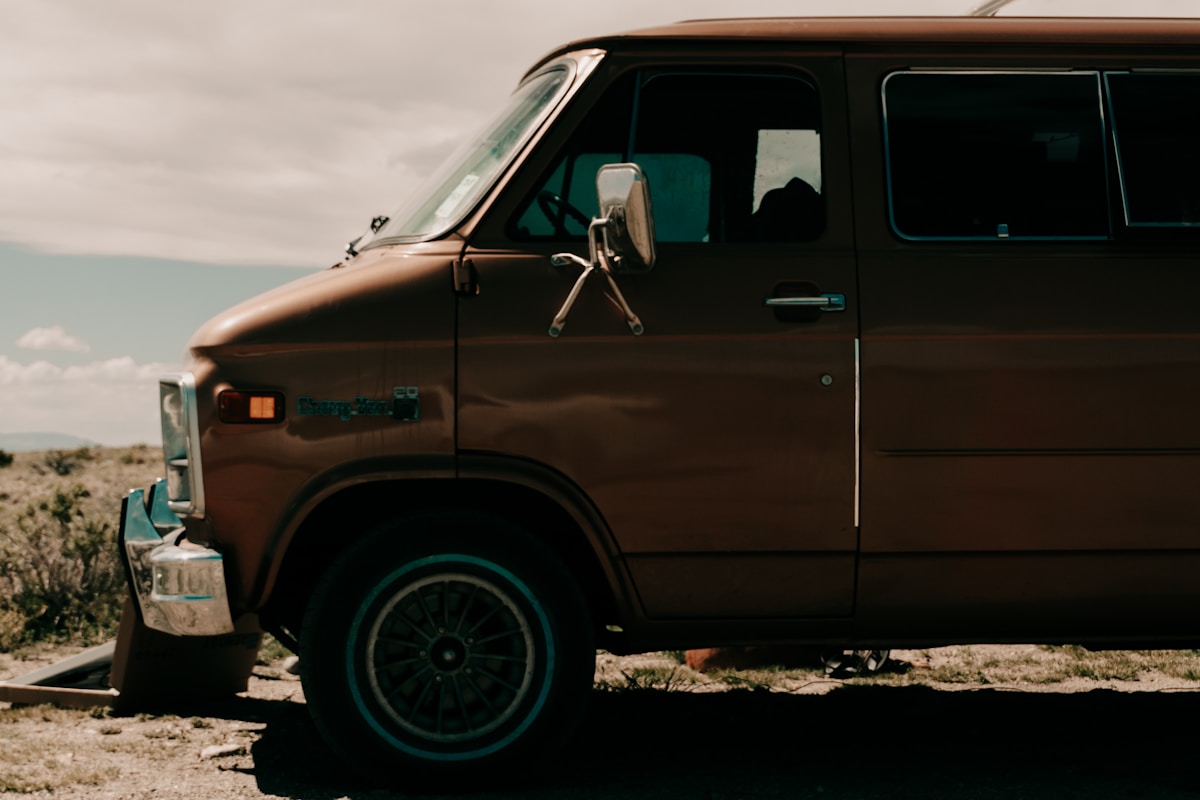
Balkans road trip planning: best routes, border crossing tips, car hire across multiple countries, and a sample 2-3 week Adriatic circuit.
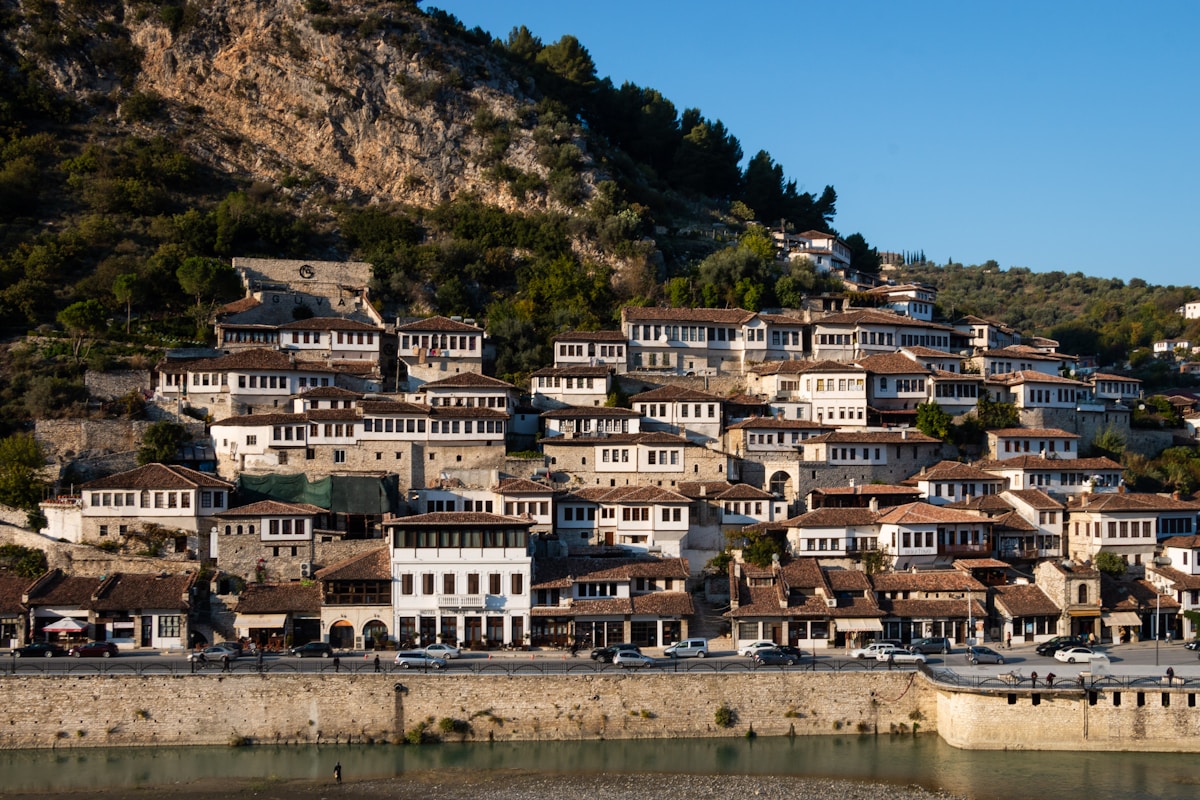
First-time Balkans travel guide: which countries to include, how to get around, visas, currencies, safety, and realistic budgets.
Flight delay compensation under EU261: €250–€600 per person for 3+ hour delays on Balkans flights. Understand your rights.
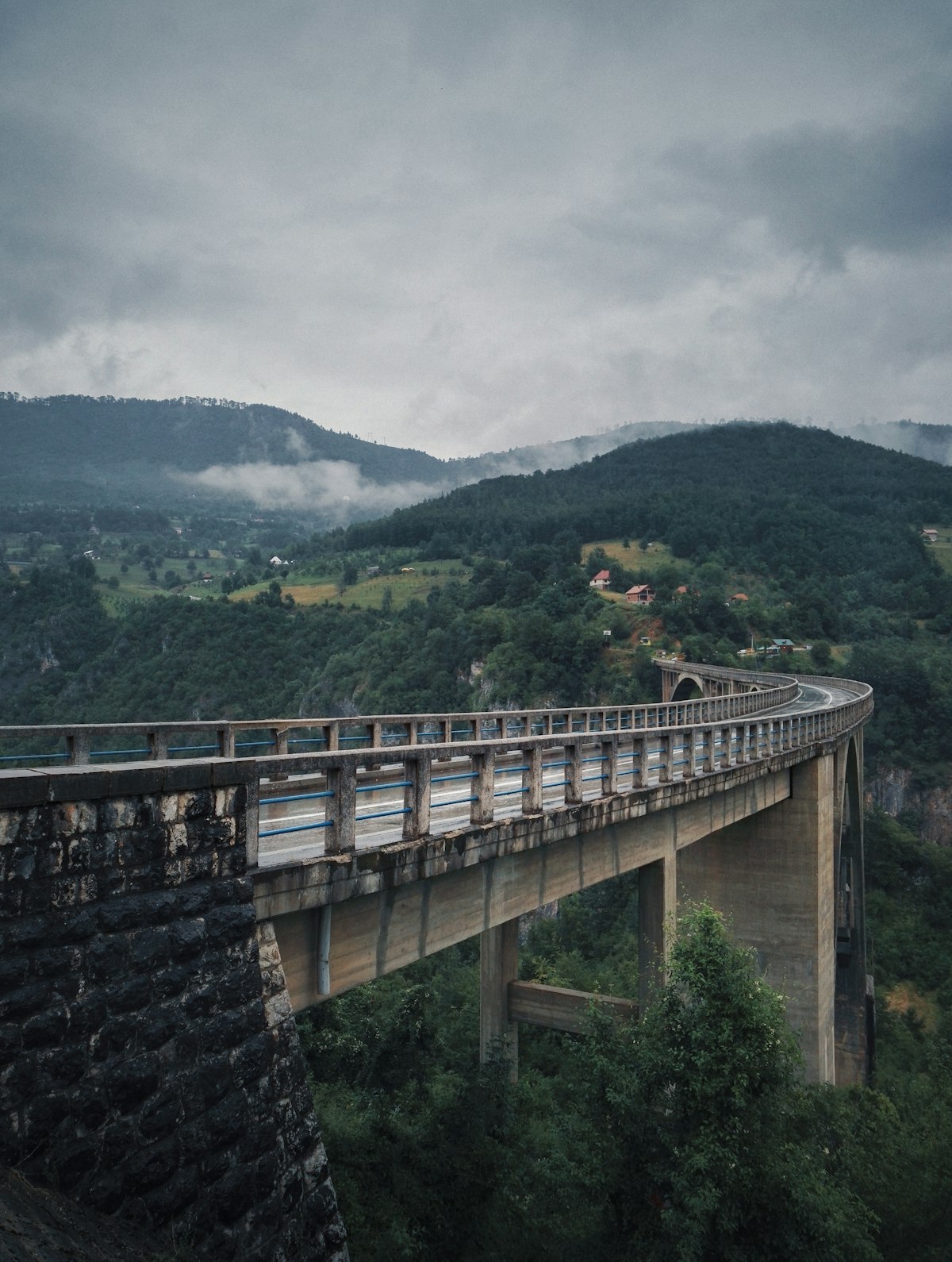
How to get around the Balkans by car hire, intercity bus, airport transfer, and ferry - with cross-border driving rules and road condition.
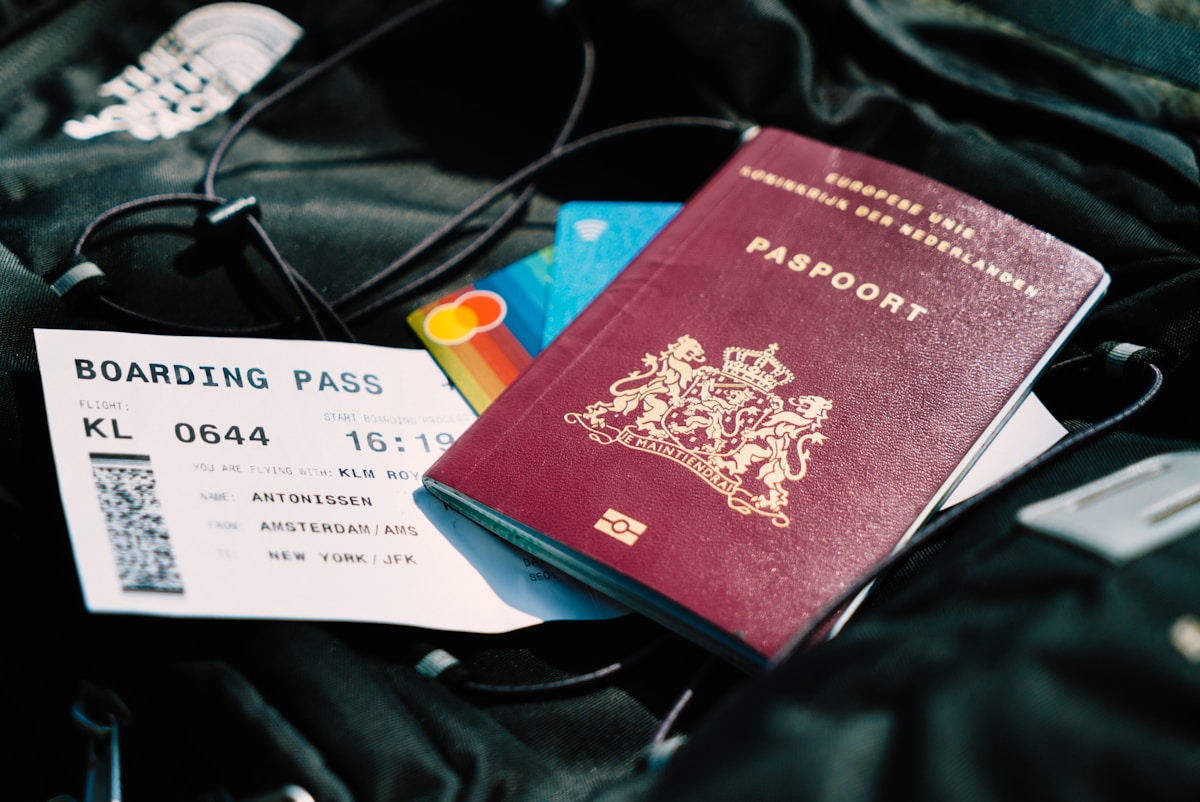
Balkans travel insurance: EHIC only covers Croatia, so most countries need private cover. Adventure activities, what's included, and best plans.
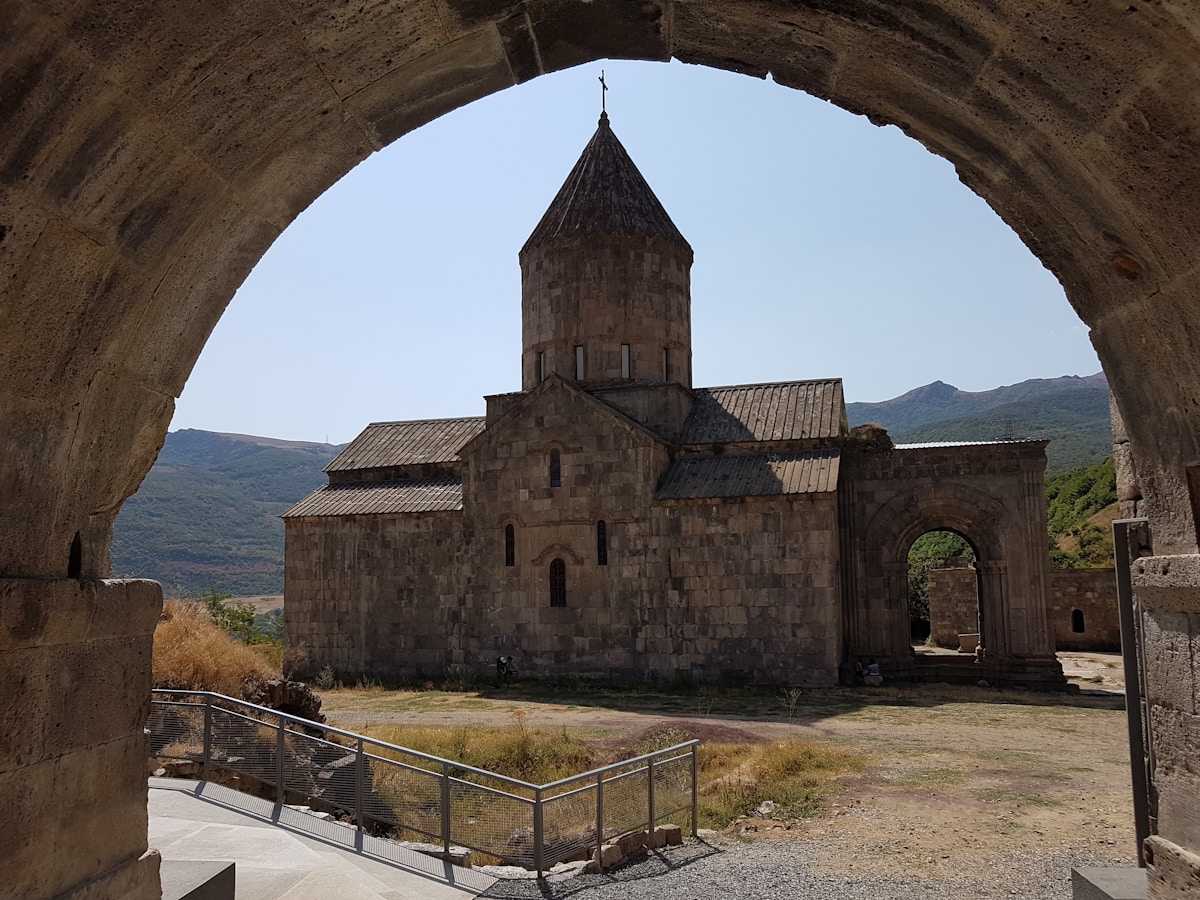
Balkans safety: crime rates, common scams, driving risks, health tips, and which areas to avoid in Serbia, Albania, Kosovo, and Croatia.
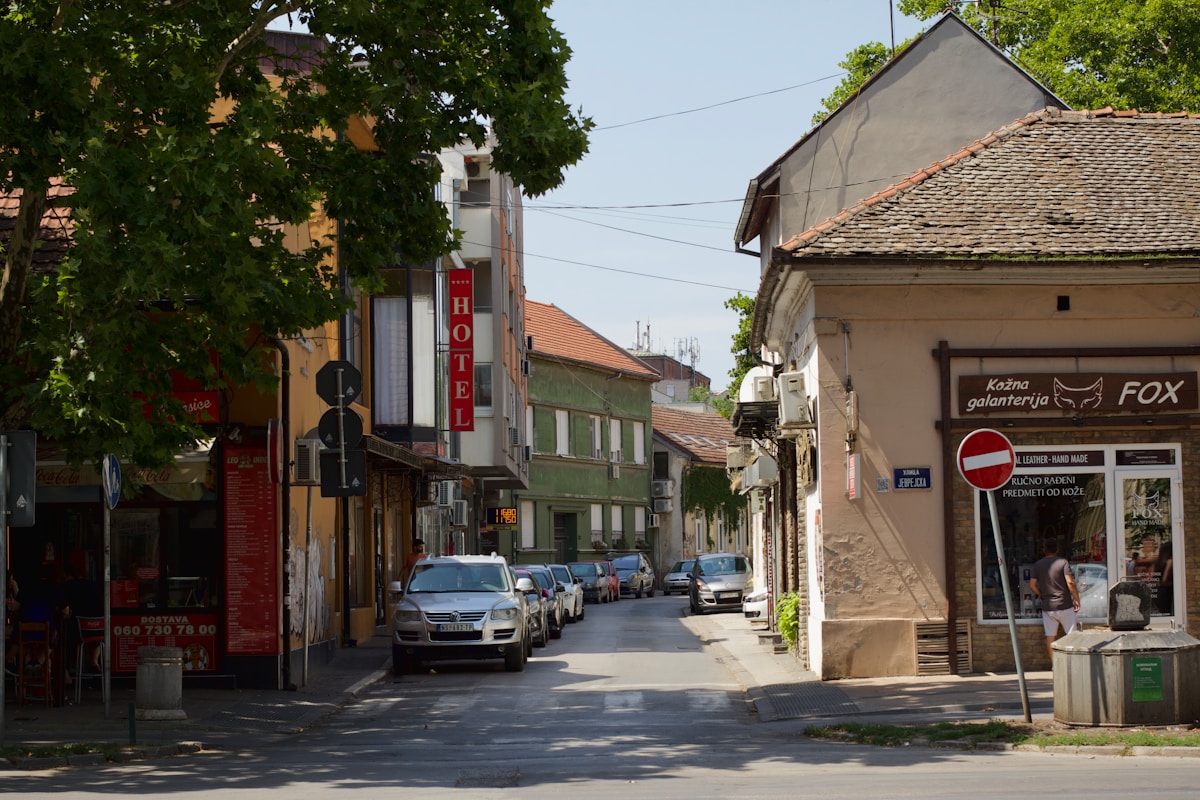
How to get around the Balkans: buses, trains, and ferries between countries, with costs, journey times, and which routes are.
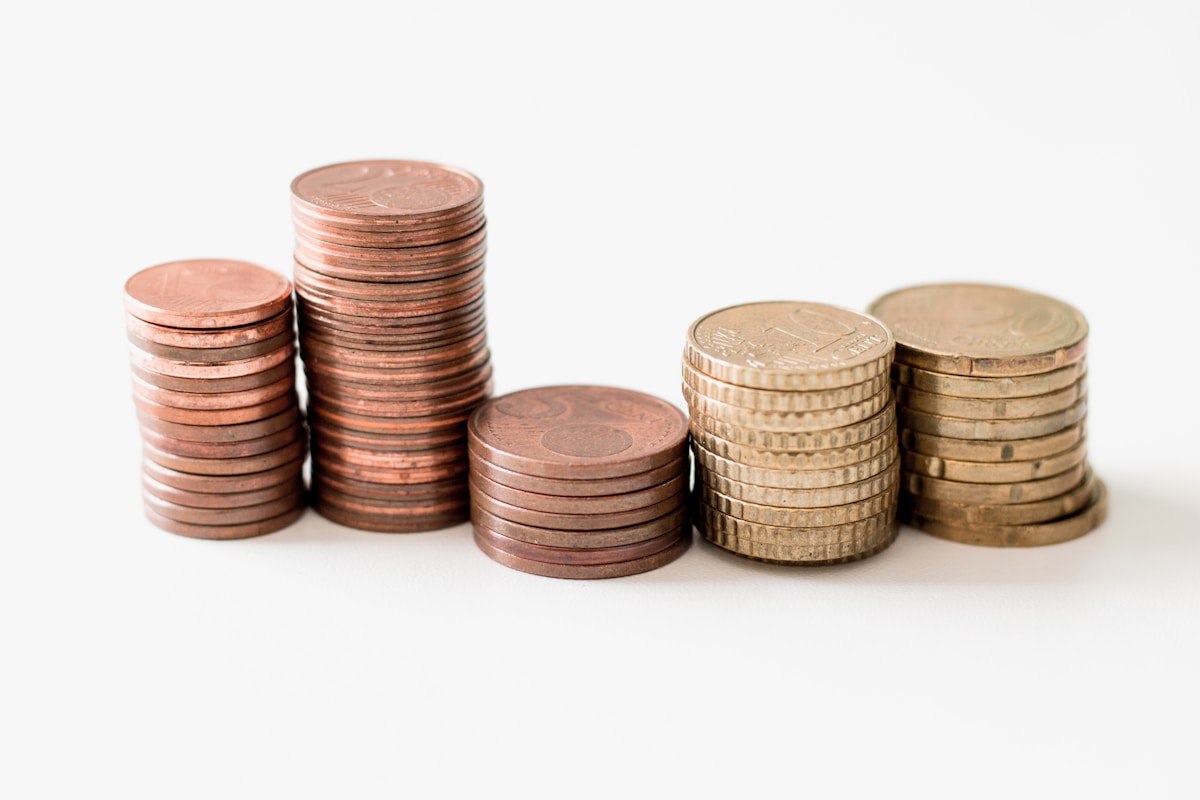
Albania costs half of Croatia. Budget €20–35/day, mid-range €40–70. Exact costs for food, accommodation and transport across 6.
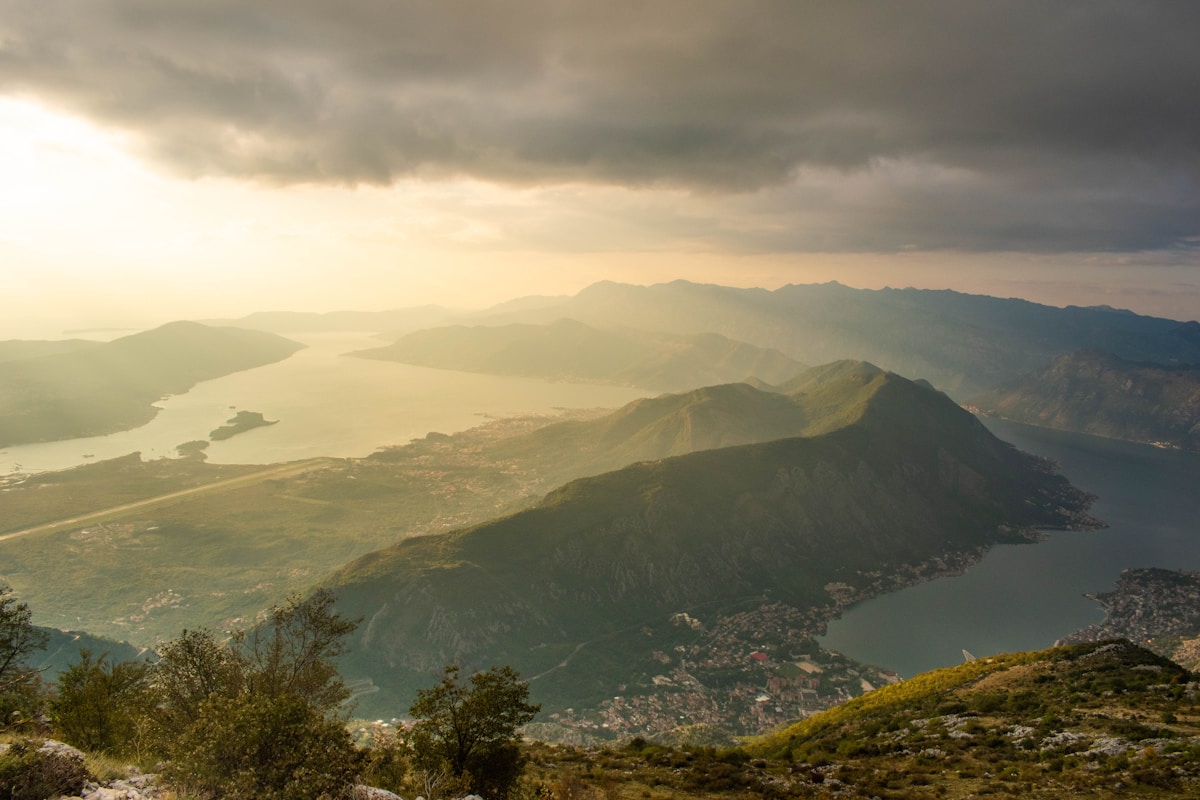
Best time to visit the Balkans: May-June and September offer warm weather, manageable crowds, and full infrastructure across the region.
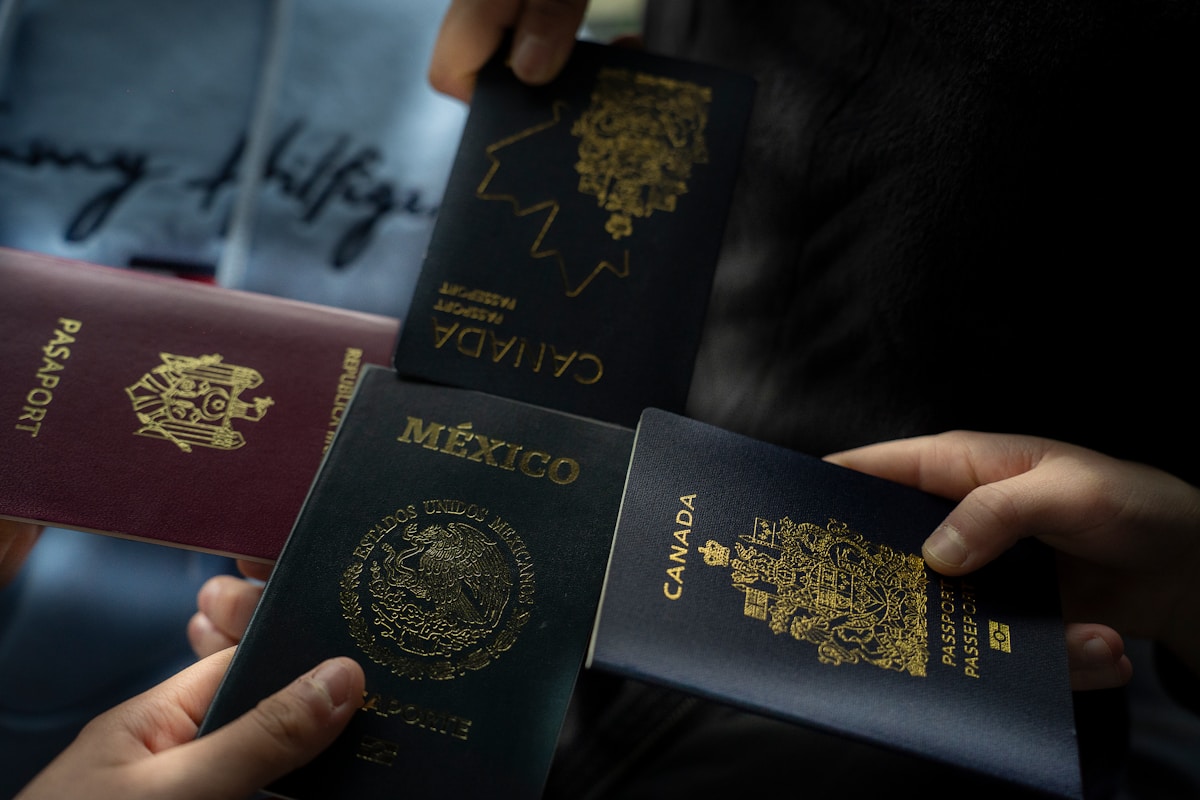
Balkans border crossings: wait times, documents required, and tips for land crossings between Croatia, Bosnia, Montenegro, Albania.
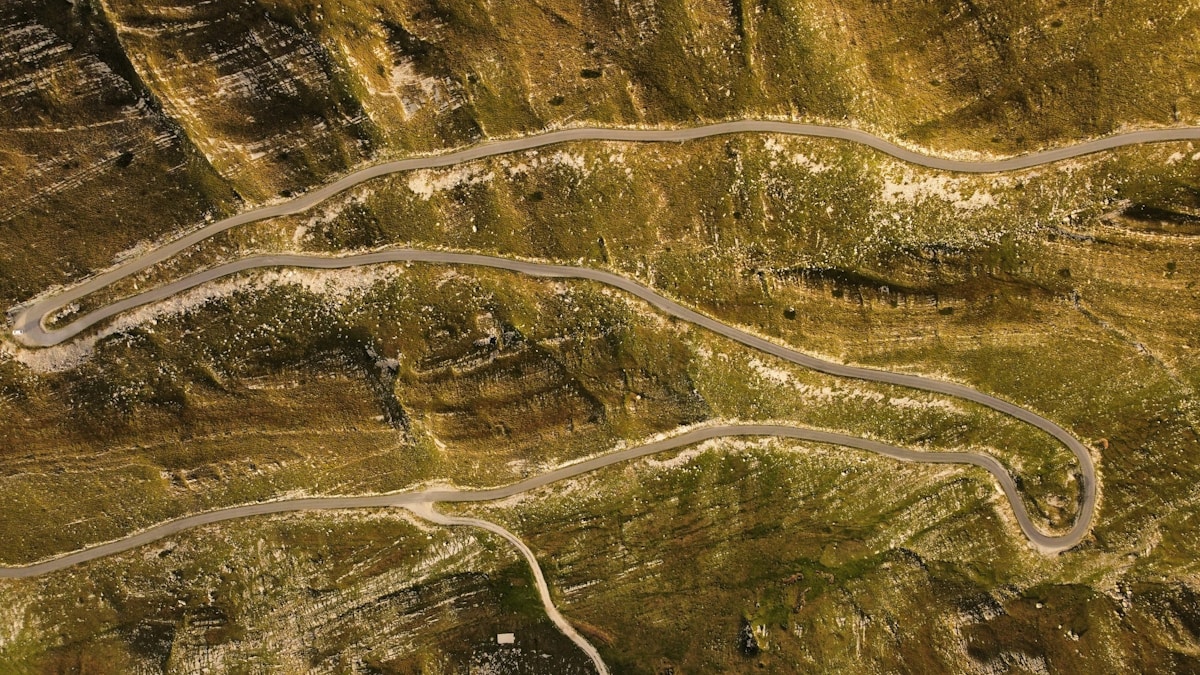
Car rental in the Balkans: daily rates by country, cross-border permit rules, best agencies, and where driving beats buses or trains.
Explore more