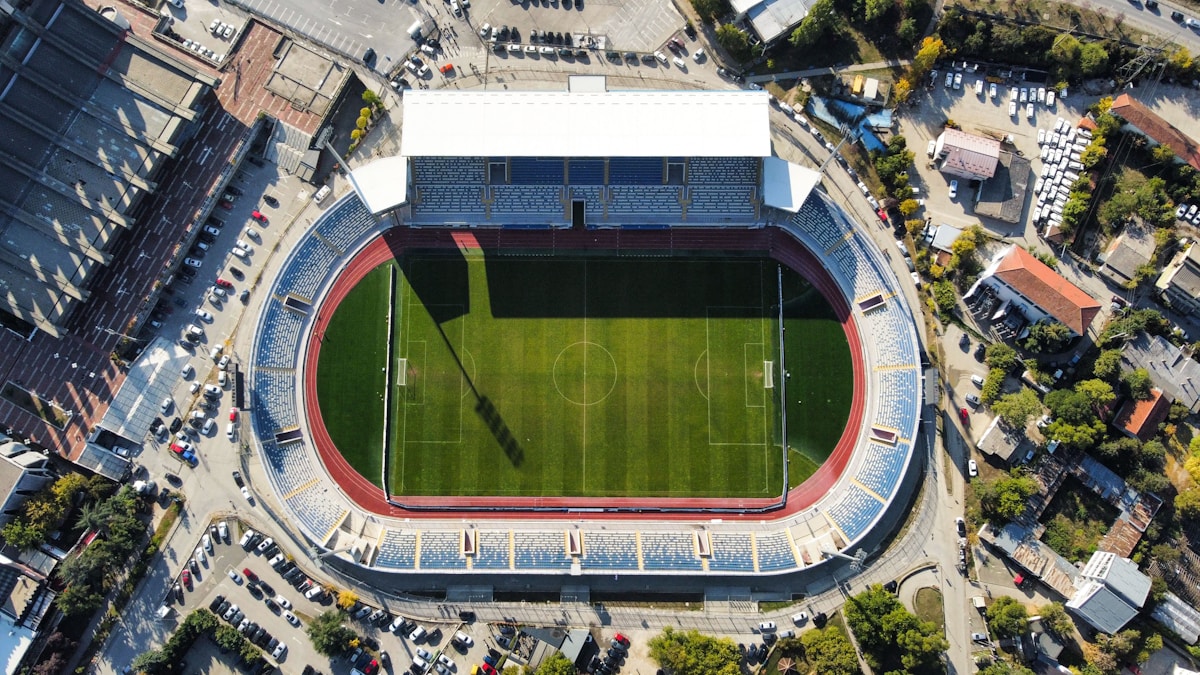
Tirana and Pristina are the two least-visited capitals in the Balkans by Western travellers, and both are changing faster than anywhere else in the region. Tirana has been on a decade-long transformation - colourful buildings, expanding pedestrian zones, and a restaurant scene that punches well above its weight. Pristina is younger, smaller, and rawer, with the kind of energy that comes from a country that has only been independent since 2008. Neither is a traditional sightseeing destination, but both reward curious travellers who spend time in them.
Quick Verdict
| Factor | Tirana | Pristina |
|---|---|---|
| Population | Approx. 800,000 | Approx. 215,000 |
| Independence | 1912 | 2008 (declared) |
| Currency | Albanian Lek (ALL) | Euro |
| Major sight | Skanderbeg Square, BunkArt 1 & 2 | Bill Clinton Boulevard, National Library, Newborn monument |
| Food scene | Strong and growing rapidly | Good - strong Turkish and Balkan influence |
| Nightlife | Very active - among the Balkans’ best | Active for its size |
| Budget | Very cheap | Cheap |
| Vibe | Creative, colourful, fast-changing | Youthful, raw, surprising |
Bottom line: Both are worth visiting. Tirana is the more fleshed-out city with more to do over two or three days. Pristina is smaller, more authentic, and often completely overlooked - which is part of its appeal.
Costs
Both cities are among the cheapest in Europe.
Tirana: Coffee at a café costs approximately 150–200 ALL (€1.30–1.75). A sit-down lunch 500–900 ALL (€4.50–8). A mid-range dinner for two 2,000–3,500 ALL (€17–30). The Blloku neighbourhood - once reserved exclusively for Communist Party officials - is now the city’s trendy bar and restaurant hub; prices here are slightly higher.
Pristina: Kosovo uses the euro, but prices remain low. Coffee costs €1–2, lunch €6–12, and dinner for two €25–45. The Pejton district has the city’s best restaurants and most active bar scene.
Daily all-in for one person: approximately €20–30 in Tirana, €25–40 in Pristina.
Where to Stay
Tirana
- Hotel Xheko Imperial - central, polished business hotel near Skanderbeg Square; doubles from approximately €70–100. Good breakfasts.
- Rogner Hotel Europapark - the city’s most established international-standard hotel in the Blloku area; doubles from approximately €100–140. Pool and garden.
- Tirana Backpacker Hostel - well-run hostel near the Blloku district; dormitories from approximately €12–18, private rooms from €35–55.
Pristina
- Hotel Sirius - central boutique hotel near Mother Teresa Cathedral; doubles from approximately €65–95.
- Swiss Diamond Hotel Pristina - the city’s flagship international property; doubles from approximately €90–130. Rooftop bar with good views.
- Guesthouses and apartments - several family-run options near the bazaar area from approximately €35–60 per night.
Where to Eat
Tirana
- Oda - traditional Albanian cooking in a house filled with antiques; mains 1,000–1,800 ALL (€8.50–15). One of Tirana’s most celebrated restaurants.
- Mullixhiu - Albanian fermented and foraged ingredients in a creative setting; tasting menu approximately €30–40 per person. The city’s most ambitious restaurant.
- Era - Blloku stalwart for Albanian-Italian cooking; mains 700–1,200 ALL (€6–10). Good for a reliable, no-fuss dinner.
Pristina
- Soma Book Station - café-bookshop with a terrace; good coffee, simple food, central location. Beloved by Pristina’s creative class. Mains €7–12.
- Tiffany - long-running Pristina institution; fresh fish and grilled meats; mains €10–18. On the central strip.
- Pishat - modern Albanian-Kosovar cooking with seasonal ingredients; full dinner approximately €25–40 per person. One of the city’s better restaurants.
Getting Between Tirana and Pristina
Bus: Regular daily services from Tirana’s International Bus Station to Pristina. Journey approximately 4.5–5.5 hours depending on the route and border crossing. Tickets approximately 1,800–2,500 ALL or €15–22 per person. The crossing at Morina/Vërmicë is the standard route.
Minivan (furgon): Shared minivans also run this route and are often faster. Negotiate fares; expect to pay similarly to the bus.
Flying: Tirana’s Mother Teresa International Airport has direct flights to Pristina on Wizz Air and others. Flight time approximately 45 minutes. Cheap if booked in advance - often €20–40 each way. Given border wait times on the bus, flying can actually be faster door-to-door.
Car: Around 3.5–4 hours driving. The route via Kukës (the Durrës–Kukës–Morina highway) is modern and fast.
Best Season
Tirana: Spring (April–May) and autumn (September–October) are most pleasant. Summers are hot (35°C+ in August) but the city’s outdoor café life is in full swing. The Blloku district becomes an outdoor living room from May through September.
Pristina: Similar timing. The city’s young population keeps the nightlife active year-round. Winters in Kosovo are cold (elevation 652 m) and can be grey, but the city doesn’t shut down.
History Context
Tirana: Albania’s isolation under Enver Hoxha’s communist regime (1944–1991) left the city cut off from the world for 47 years. The legacy is visible in BunkArt 1 (inside a Cold War nuclear bunker beneath Mount Dajti, entry approximately €5) and BunkArt 2 (Skanderbeg Square, entry approximately €5). Both are essential context for understanding the country.
Pristina: Kosovo’s declaration of independence from Serbia in 2008 is fresh history. The Newborn monument (letters spelling NEWBORN, repainted annually to reflect current events) on Nënë Tereza boulevard is the city’s most photographed symbol. The Kosovo Museum covers the full arc from ancient Illyrian civilisations through the 1999 NATO intervention. Bill Clinton Boulevard - named in gratitude for US support during the Kosovo War - is a surreal but genuine local landmark; the Bill Clinton statue at the north end is worth a photograph.
Internal Links
- Albania travel guide
- Kosovo travel guide
- Tirana city guide
- Pristina city guide
- Things to do in Tirana
- Things to do in Pristina
- Where to stay in Tirana
- Albania 7-day itinerary
- Kosovo 5-day itinerary
- Balkans without a car
- Getting around the Balkans
- Pristina city guide
- Getting around the Balkans
FAQs
Is Kosovo safe to visit? Yes. Kosovo is one of the safest countries in the Balkans for visitors. Petty crime is low and the population is overwhelmingly welcoming to Western tourists, particularly Americans and British citizens, given the country’s history.
Do I need a visa for Kosovo? Most Western passport holders (EU, UK, US, Canada, Australia) enter Kosovo visa-free for up to 90 days. Note that Kosovo is not universally recognised - if you plan to visit Serbia after Kosovo, check current entry rules as stamps can sometimes cause issues at Serbian borders.
Can I enter Kosovo from Serbia? The situation has been complex. As of 2026, Kosovo–Serbia border crossings are technically open but politically sensitive. Check the latest travel advisories from your government before planning this crossing.
Which city has more to see in a single day? Tirana - it has more distinct sights (Skanderbeg Square, National History Museum, Blloku district, Et’hem Bey Mosque, Grand Park) than Pristina. Pristina can be seen thoroughly in a half-day, making it better as an add-on than a standalone destination.
Is Albania a safe country to travel in? Yes. Albania has improved significantly in safety and infrastructure over the past decade. Tirana is safe to walk at night; the main caution is traffic - road standards vary.
Comparing other destinations? See our full Balkans comparison guide.
Plan your trip: Guided tours in Tirana · Tours in North Macedonia · Car hire · Search flights
🏨 Search hotels in Tirana - Search hotels in Pristina
Plan Your Trip
✈️ Book your flights to the Balkans 🛡️ Get travel insurance 📱 Stay connected with an eSIM 🚗 Rent a car