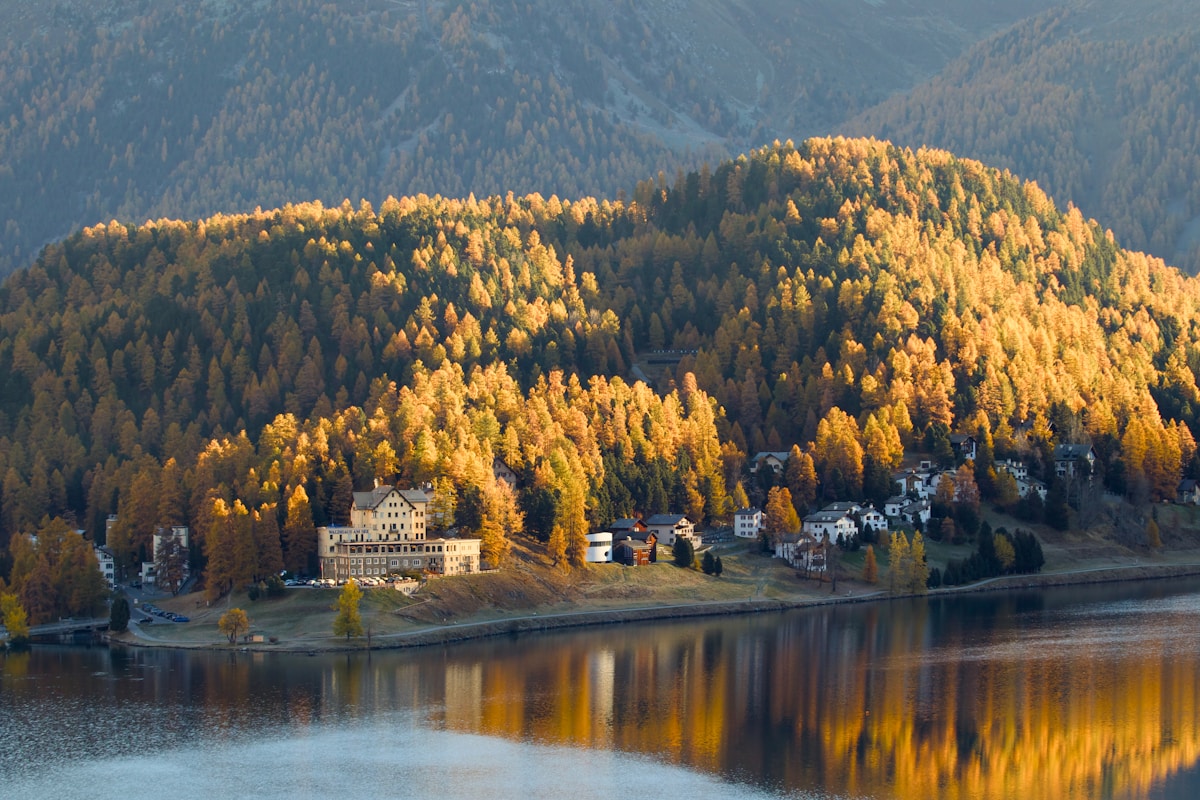
November marks the start of the Balkans off-season. The coast empties, mountain roads begin to close, and rain becomes frequent across the region. But the cities - particularly Sarajevo, Belgrade, and Tirana - remain worthwhile at their cheapest prices of the year. Late November also brings the first snowfall to Bosnia’s ski resorts and the opening of Christmas markets in Ljubljana and Zagreb.
Weather by Region
Croatian coast (Dubrovnik, Split): 12–16°C with frequent rain. The bura wind picks up, making exposed coastal walks unpleasant on some days. Sunshine is intermittent. Most island ferry routes switch to reduced winter schedules. Many restaurants and hotels outside Dubrovnik’s old town close for winter.
Montenegro coast (Kotor, Budva): 11–16°C. Kotor receives some of its heaviest rainfall in November - over 200mm on average. The old town is atmospheric in the rain but pack waterproofs. Budva is largely shut down; Podgorica (the capital, inland) offers more reliable dining and accommodation options.
Bosnia (Sarajevo, Mostar): 5–12°C. Sarajevo sees first snowfall, typically in the second half of November. The city takes on a winter character - smoke rises from wood-burning stoves in the old town, and the kafanas fill with locals. Mostar cools but remains dry enough for walking the old bridge area.
Serbia (Belgrade, Novi Sad): 6–12°C. Grey skies and cooler temperatures push life indoors. Belgrade’s indoor cultural scene peaks - theatre, live music venues, and the city’s extensive café culture. Skadarlija’s restaurants (particularly Dva Jelena and Tri Šešira) are at their most atmospheric in colder months.
Albania (Tirana): 8–15°C. The mildest capital in November. Tirana’s Blloku district - full of cafés and restaurants - is lively year-round. The coast is quiet with most seasonal businesses closed, though Sarandë maintains a basic year-round scene.
North Macedonia (Skopje, Ohrid): 5–12°C. Skopje is grey and cold. Ohrid is quiet - the lake takes on a steely quality and the old town sees very few visitors. Accommodation is extremely cheap.
Pre-Ski Season
Late November brings the first reliable snowfall to the Balkans mountain resorts. Jahorina (near Sarajevo) and Bjelašnica typically receive enough snow to open limited runs by the last week of November, though full operation depends on the year. Kopaonik in Serbia and Kolašin 1450 in Montenegro are in a similar position - conditions are variable, and a late-November trip is a gamble on snow depth.
For guaranteed skiing in November, wait until December. But if you are already in the region, Jahorina’s proximity to Sarajevo (30 minutes by car) makes it easy to check conditions and hire a car for a day on the slopes if the snow cooperates. Lift passes run €25–35 per day - a fraction of Alpine prices regardless of the month. Our Skiing in the Balkans guide covers all four resorts with lift pass prices, piste profiles, and the best months for reliable snow cover.
What to Do
City breaks are November’s purpose in the Balkans. A Belgrade–Sarajevo combination works well: fly into Belgrade, spend three days exploring the fortress, Zemun, and the indoor food scene, then bus to Sarajevo (5–6 hours via the scenic Drina valley route) for three days in the old town. Total accommodation cost for a week: €300–500 for a couple at good mid-range hotels. Our Belgrade accommodation guide covers Stari Grad, Dorćol, and Savamala — the three neighbourhoods best placed for fortress walks and food. For a guided introduction, Belgrade tours include walking tours of the Kalemegdan fortress, food crawls through Skadarlija, and Nikola Tesla experiences.
Dubrovnik off-season rewards those who do not mind rain. The city walls are near-empty, Game of Thrones filming locations can be visited without crowds, and restaurants that cater to locals (Konoba Ribar, Pantarul in Lapad) are reliably open. A double room in the old town runs €50–80 - against €250+ in August.
Tirana is an underrated November option. The city has a strong café culture, the National Gallery and BunkArt museums are excellent indoor activities, and the restaurant scene - particularly in the Blloku neighbourhood - operates at full strength year-round. Flights from London and other European cities serve Tirana airport on low-cost carriers.
Christmas market scouting begins in late November. Ljubljana (just north of the traditional Balkans) opens its Festive Ljubljana market in late November - it runs through December and is one of the best in Central Europe. Zagreb’s Advent (also late November opening) has won European Best Christmas Market awards multiple times.
Prices and Practical Notes
November is among the cheapest months across the region. Accommodation runs 50–70% below summer peaks in coastal towns and 30–40% below in cities. Flight prices drop to their lowest. The downside: reduced services, shorter daylight hours, and rain.
Some mountain roads close after heavy snowfall - particularly in Montenegro’s interior and the Albania-North Macedonia border crossings at higher altitudes. Main highways and city-to-city bus routes operate normally. Border crossings are fast - no queues at any time of day.
Daylight is limited: sunrise around 6:45am, sunset by 4:30pm. Plan indoor activities for late afternoons.
Who November Suits
Budget travellers, city-break visitors who prefer local atmosphere, and anyone wanting to see Dubrovnik or Kotor without crowds. Not suitable for beach holidays, island-hopping, or extensive road trips. Those interested in skiing should wait until December for more reliable snow.
See our Balkans transport guide for border crossings, bus routes, and getting between countries.
See also
- Best time to visit the Balkans
- Balkans in October
- Balkans in December
- Bosnia and Herzegovina travel guide
- Croatia travel guide
- Serbia travel guide
- Planning a Balkans trip
Plan Your Trip
November is the cheapest month for Sarajevo and Belgrade city breaks — mid-range doubles from €45, no queues, and the indoor kafana and café culture these cities are known for comes into its own. Sarajevo’s Baščaršija bazaar is atmospheric in grey November light. In Belgrade, Skadarlija’s restaurants (Dva Jelena, Tri Šešira) are at their most local. Ljubljana opens its Festive Ljubljana market in late November — the Christmas market programme runs through December and is one of Central Europe’s best. Zagreb Advent also launches late November. If you’re considering skiing, Jahorina occasionally opens early — it is 30 minutes from Sarajevo by hire car, worth a day trip if the snowfall cooperates. Search flights to the Balkans · Travel insurance · Tours & activities in Sarajevo · Balkans eSIM via Airalo