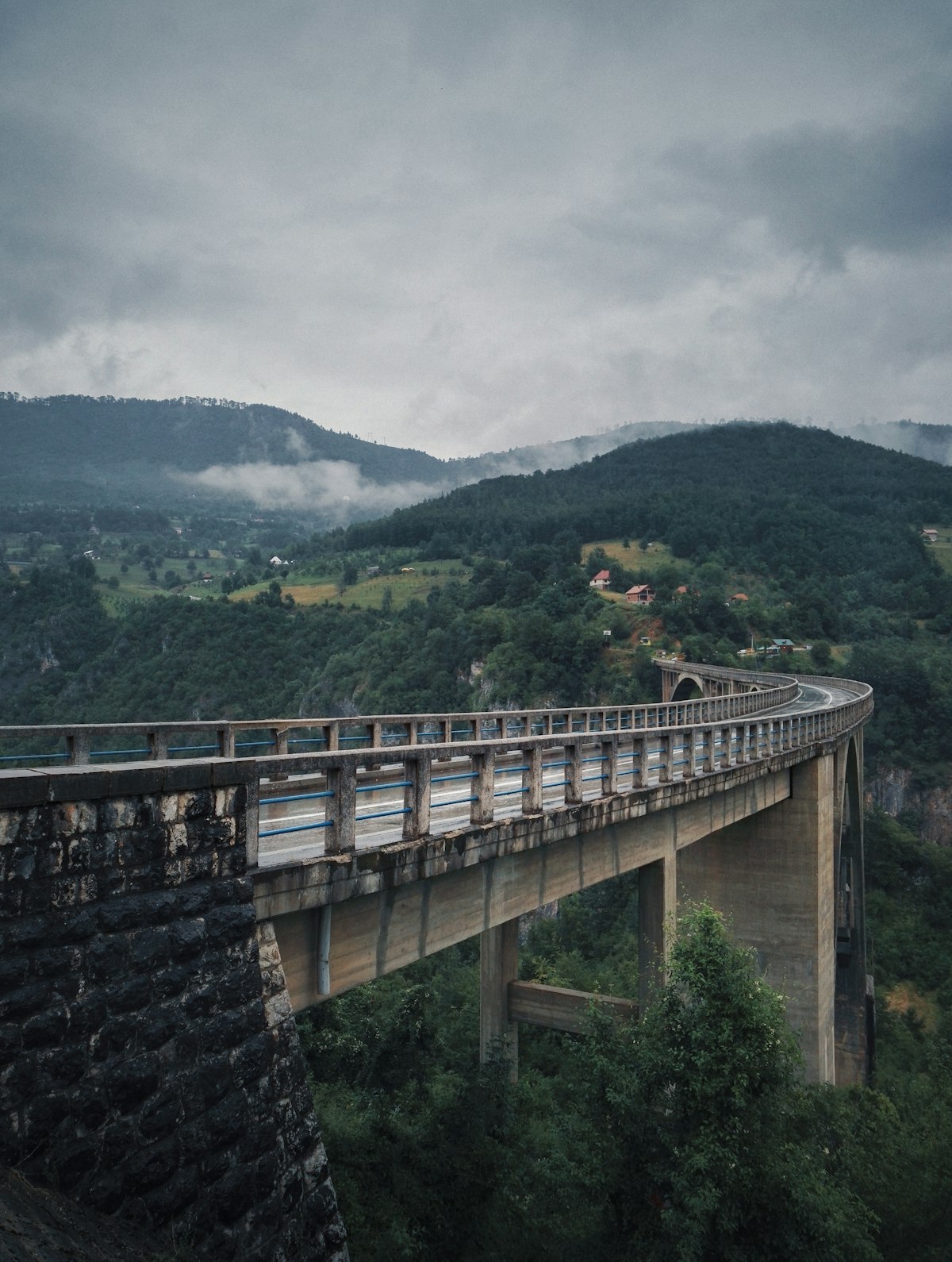
Getting around the Balkans takes planning. Public transport covers the main routes between capitals, but large parts of the region - the Albanian Riviera, Durmitor National Park, Plitvice Lakes, the Tara Canyon - are only practical to reach by car. How you get around depends largely on which countries you are visiting and how much of the countryside you want to see. If you are still deciding on your entry point, our guide to getting to the Balkans covers the main airports and open-jaw flight options.
Car Hire: The Most Flexible Option
A hire car gives you the freedom to travel at your own pace, cross borders on your schedule, and reach places that buses cannot. For a multi-country Balkans trip that includes rural areas, coastal roads, or national parks, hiring a car is usually the right call.
Cross-border rules are the main thing to check before booking. Most major international rental companies permit cross-border travel within the western Balkans, but you need to confirm this in writing - some companies allow it by default, others charge a fee or require advance notice, and some restrict travel into specific countries.
Bosnia and Herzegovina and Kosovo are the countries most likely to attract restrictions or additional premiums. If your route includes these countries, raise it with the rental company at the time of booking, not when you collect the car.
GetRentacar compares suppliers across the region and allows you to filter by pickup location, vehicle type, and price. They offer a 90-day price lock on confirmed bookings, which is useful if you are planning ahead.
What to bring: Your licence and passport. An International Driving Permit is not legally required in most Balkans countries for EU and UK licence holders, but it is cheap and eliminates any potential difficulty at checkpoints. Green Card insurance documentation is required in some countries - check your policy.
Road conditions vary considerably. Slovenia and Croatia have good motorways. Serbian roads are generally well-maintained on main routes. Albanian roads have improved substantially but secondary roads outside the main towns can be rough. Mountain roads in Montenegro and Bosnia require confidence and patience - they are often single-track with steep drops and no barriers.
Buses: Practical for Capital-to-Capital
Intercity buses are the backbone of the Balkans transport network for travellers without a car. FlixBus connects many of the major cities, and local operators fill the gaps.
Useful bus routes include:
- Tirana → Podgorica (approximately 4 hours)
- Belgrade → Sarajevo (approximately 6 hours)
- Sarajevo → Mostar (approximately 2 hours, multiple daily)
- Dubrovnik → Kotor (approximately 2.5 hours)
- Skopje → Belgrade (approximately 5–6 hours)
- Ljubljana → Zagreb (approximately 2.5 hours)
Booking bus tickets in advance online is possible on some routes but not all - on many regional routes, you simply turn up at the bus station. For long overnight routes, booking ahead is advisable in summer. Omio is the most practical way to search train and bus options across multiple Balkans countries in a single place - useful for comparing journey times and prices before you decide on a route.
Trains: Limited but Useful in Places
The Balkans rail network is patchy. It is genuinely useful in two countries:
Serbia has a functional rail network connecting Belgrade to Novi Sad, Niš, and the Serbian countryside. The Belgrade–Bar line through Montenegro is a scenic engineering achievement but extremely slow.
Slovenia has a compact and efficient rail system connecting Ljubljana to Bled, Koper, Maribor, and the Austrian and Italian borders.
Elsewhere, trains are slow, infrequent, or simply absent. Albania’s rail service is minimal. Bosnia’s rail network is limited and slow. Croatia’s coastal resorts are not well served by rail. Do not build a Balkans itinerary around trains outside of Slovenia and Serbia.
Airport Transfers: Fixed Prices, No Surprises
If you are arriving late at night or travelling to an unfamiliar city for the first time, a pre-booked airport transfer removes a lot of uncertainty. Tirana, Dubrovnik, Belgrade, and Ljubljana all have legitimate taxi operators, but arrival halls can be chaotic and unlicensed drivers do operate at some airports.
Kiwitaxi offers fixed-price transfers from airports across the region. The price is agreed at booking - no meter, no surge pricing, and a driver who will be waiting for you in the arrivals hall with a name sign. For groups of three or more, a private transfer is often comparable in price to individual taxi fares.
One practical note on connectivity: if you are crossing non-EU borders by car or bus, standard EU roaming rules do not apply in most Balkans countries. See our eSIM guide for the Balkans for data options that work across the region without unexpected charges.
A Note on Fuel and Tolls
Motorway tolls apply in Slovenia and Croatia - both use a vignette system for motorways. Slovenia’s vignette can be purchased at the border or online; Croatia’s tolls are paid at booths. Budget for these costs if you are planning to drive through either country.
Fuel prices across the Balkans are generally lower than in Western Europe, though Albania can be an exception on busier tourist routes.
If a self-drive loop is your primary plan, see our Balkans road trip guide for the best multi-country routes, distances, and what to see along the way.
Plan Your Trip
- Trains & Buses - Compare train and bus prices with Omio
- Flights - Find the best fares to the Balkans
- Travel Insurance - Get covered before you go
- eSIM - Stay connected from landing
- Car Rental - Compare prices across providers