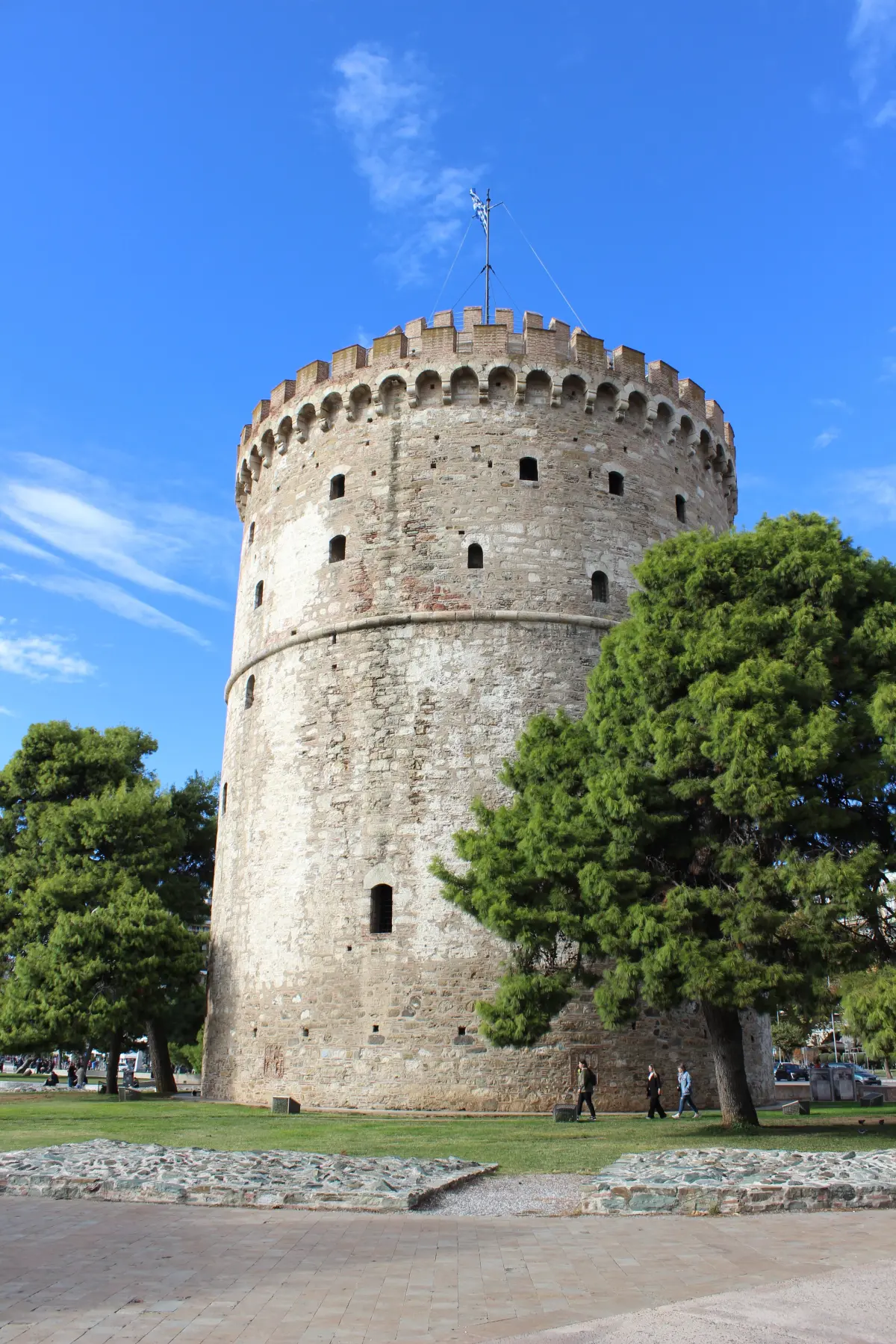
Greece and the Balkans share the same corner of Europe and a great deal of history — Ottoman, Byzantine, and ancient Illyrian layers run through both regions. But they feel fundamentally different to travel. Greece is one of the world’s great travel destinations, with refined cuisine, 6,000 islands, and ancient ruins that anchor the Western historical imagination. The Balkans — Albania, Montenegro, Bosnia, Serbia, Croatia, North Macedonia, and the rest — are rawer, cheaper, and still in the process of being discovered by mainstream travel.
Choosing between them is mostly a question of budget and what kind of experience you are after.
Quick Verdict
| Factor | Balkans | Greece |
|---|---|---|
| Price level | Very cheap (Albania, Bosnia, Serbia) to moderate (Croatia, Slovenia) | Moderate on mainland; expensive on Cyclades islands |
| Beaches | Albania Riviera, Montenegro coast — quiet, affordable | 6,000+ islands — the most varied beach destination in Europe |
| Ancient history | Ottoman, Byzantine, Illyrian sites — layered and underexplored | Parthenon, Delphi, Olympia, Meteora — world-class ancient history |
| Food | Cevapi, byrek, roštilj, burek — hearty and cheap | One of Europe’s great cuisines — fresh fish, mezze, excellent wine |
| Crowds | Generally low except Dubrovnik and Split in peak season | Santorini, Mykonos, Corfu extremely busy July–August |
| Infrastructure | Variable — Croatia and Slovenia EU-standard; others developing | EU-standard throughout |
| Island variety | Croatia has islands; rest of Balkans limited | The deepest island network in the Mediterranean |
Bottom line: The Balkans wins on price by a significant margin and offers a more adventurous, less-trodden experience. Greece wins on island variety, ancient history, cuisine, and ease of travel. Budget-focused travellers get more from the Balkans; travellers prioritising food, islands, and seamless logistics get more from Greece.
Costs
The Balkans has a wide price range depending on country. Albania, Bosnia, Serbia, and North Macedonia are among the cheapest destinations in Europe. A daily all-in budget (accommodation, food, transport, one activity) runs approximately:
- Albania: €60–90 per person
- Bosnia / Serbia: €65–95 per person
- North Macedonia: €55–85 per person
- Montenegro: €80–120 per person
- Croatia (coast, summer): €130–180 per person — approaching Greek mainland pricing
Greece also varies by location. Athens and the northern mainland are affordable by western European standards — a full day costs approximately €80–120 per person. The premium islands (Santorini, Mykonos) push daily costs to €200–400 per person in peak season. Corfu and Rhodes offer a middle ground.
The practical upshot: a two-week trip through Albania, Bosnia, and Montenegro can cost less than five days in Santorini.
Beaches
Greece has more beaches, more islands, and more variety than any country in Europe. The Cyclades (Santorini, Mykonos, Naxos, Paros), Ionian islands (Corfu, Kefalonia, Zakynthos), Dodecanese (Rhodes, Kos), and the Cretan coast cover every preference from windswept rock coves to long sandy bays. The downside is that the best-known beaches are extremely crowded in July and August, and accommodation prices reflect it.
The Balkans has two serious beach options:
Albania’s Riviera stretches from Vlorë to Sarandë, with clear turquoise water, minimal crowds outside peak season, and prices roughly 60–70% below Corfu. Ksamil — a small town near the Greek border with lagoon water and four tiny offshore islands — is Albania’s most remarkable beach. Himara and Dhermi are popular with locals and a growing number of European visitors looking for something uncrowded.
Montenegro’s coast is compact but impressive. The Bay of Kotor is not a beach destination — it is one of Europe’s most dramatic natural harbours — but the Budva Riviera and the long sandy beach at Ulcinj offer genuine beach options at lower prices than the Croatian coast.
For beach variety, Greece is the better choice. For value and avoiding the crowds, Albania’s Riviera is harder to beat.
Culture and History
Both regions have extraordinary depth. The question is which layers you find most compelling.
Greece is foundational to Western civilisation. The Acropolis in Athens, the oracle site at Delphi, the stadium at Olympia, the monasteries at Meteora — these are among the most significant historical sites anywhere in the world. Greek mythology, philosophy, and architecture run through European culture. Thessaloniki has one of the best Byzantine heritage collections in the Balkans region, and Crete has Minoan ruins dating to 2000 BCE.
The Balkans offers a different kind of depth: Ottoman markets, Austro-Hungarian facades, WWII partisans, and 1990s war history all visible within a single day’s walk in Sarajevo. Bosnia and Herzegovina has perhaps the most emotionally layered urban experience in the region — the Baščaršija bazaar, the Stari Most bridge at Mostar, and the Tunnel of Hope museum combine Ottoman architecture with 20th-century war history in a way that no other destination does. Serbia has the medieval monastery circuit of the Raška school — Sopoćani, Studenica, Mileševa — which is genuinely world-class but little-visited. Albania has Gjirokaster and Berat, two UNESCO World Heritage sites with Ottoman-era towers and cobblestoned citadel districts. North Macedonia has Ohrid, a Byzantine lakeside town with more than 300 churches and some of the oldest Orthodox frescoes in Europe.
If ancient and classical history is the priority, Greece wins clearly. If Ottoman, Byzantine, and 20th-century layering in less-visited places is what you are after, the Balkans has depth that Greece cannot match at the same price.
Food
Greek cuisine is globally admired for good reason. Fresh grilled fish and octopus, moussaka, spanakopita, dolmades, excellent olive oil, and a wine culture that has been developing since antiquity — eating well in Greece is effortless. A quality taverna meal in Athens or on a mainland town runs approximately €15–22 per person including wine.
Balkan food is hearty, meat-forward, and extremely good value. In Sarajevo, a plate of cevapi (small grilled sausages with fresh bread and raw onion) costs approximately €4–5 and represents Bosnia’s national dish at its most authentic. In Belgrade, a full grill spread at a traditional kafana costs approximately €8–12 per person. Albania’s byrek — flaky pastry filled with cheese or spinach — costs €0.80–1.50 from a bakery and is one of the best cheap eats in Europe. In North Macedonia, the slow-cooked bean stew tavče gravče is a staple that rewards visits to smaller towns.
Neither region loses on food. Greece is more refined and consistent; the Balkans is more varied, more surprising, and dramatically cheaper.
Getting There and Getting Around
Greece has excellent international connections: Athens International Airport is a major European hub with direct flights from most Western cities year-round. Ferries connect the islands reliably through summer. The road and rail network is EU-standard throughout.
The Balkans varies. Croatia’s Split and Dubrovnik airports have strong summer charter connections from Western Europe. Tirana and Belgrade airports have been growing fast and now have direct connections from London, Vienna, Istanbul, and most Central European cities. Smaller Balkan countries — Bosnia, North Macedonia, Kosovo — have fewer direct connections and often require a connection through Zagreb, Belgrade, or Vienna.
Within the Balkans, getting around between countries by bus is efficient, cheap, and well-established. See our Balkans transport guide for routes, costs, and timings.
Who Should Visit the Balkans Instead of Greece
- Budget-focused travellers who want to stretch limited funds significantly further
- Travellers who have already done Greece and want to explore somewhere less-visited
- History lovers interested in Ottoman, Austro-Hungarian, and 20th-century layers rather than classical antiquity
- Those who prefer adventure and independent discovery over well-developed tourism infrastructure
- Anyone looking for coastal beaches without peak-season Cyclades crowds — Albania’s Riviera is the best answer in the region
Who Should Visit Greece Instead of the Balkans
- Island-focused travellers — no Balkan country approaches Greece’s island network
- Ancient history enthusiasts who want Greek and Roman ruins at the highest density
- Food lovers who want consistent quality across an entire country’s culinary culture
- Travellers who value infrastructure, easy bookings, EU transport, and predictable quality throughout
- Families or less experienced international travellers who want simplicity alongside beauty
Combining Both
The most rewarding approach is to do both. Albania serves as a natural bridge — it borders Greece in the south (the Kakavijë crossing is straightforward) and shares the same Ionian waters that Greece’s island chain sits in. The Sarandë-to-Corfu ferry takes just 35 minutes and is one of the most scenic short crossings in the Mediterranean.
A logical three-week route: fly into Thessaloniki → spend 2–3 days in northern Greece → cross into North Macedonia for Ohrid → continue through Kosovo and Albania → ferry to Corfu for 3–4 days → fly home from Corfu or back to Tirana.
For broader multi-country planning, see our Balkans itineraries including two weeks in the Balkans and three weeks.
Related comparisons
- Albania vs Greece — the closest cross-border comparison
- Tirana vs Thessaloniki — two capitals on either side of the Greek border
- Bulgaria vs Romania — the eastern Balkans’ two largest countries compared
- Balkans vs Southeast Asia — the Balkans vs the other great budget backpacker region
- Serbia vs Croatia — the Balkans’ most popular internal contrast
- Montenegro vs Croatia — two Adriatic neighbours: one mainstream, one emerging
See also: Albania vs Greece · Tirana vs Thessaloniki · Bulgaria vs Romania · Balkans Comparison Guide
Plan your trip: Tours in the Balkans · Tours in Greece · Car hire · Travel insurance · eSIM · Search flights