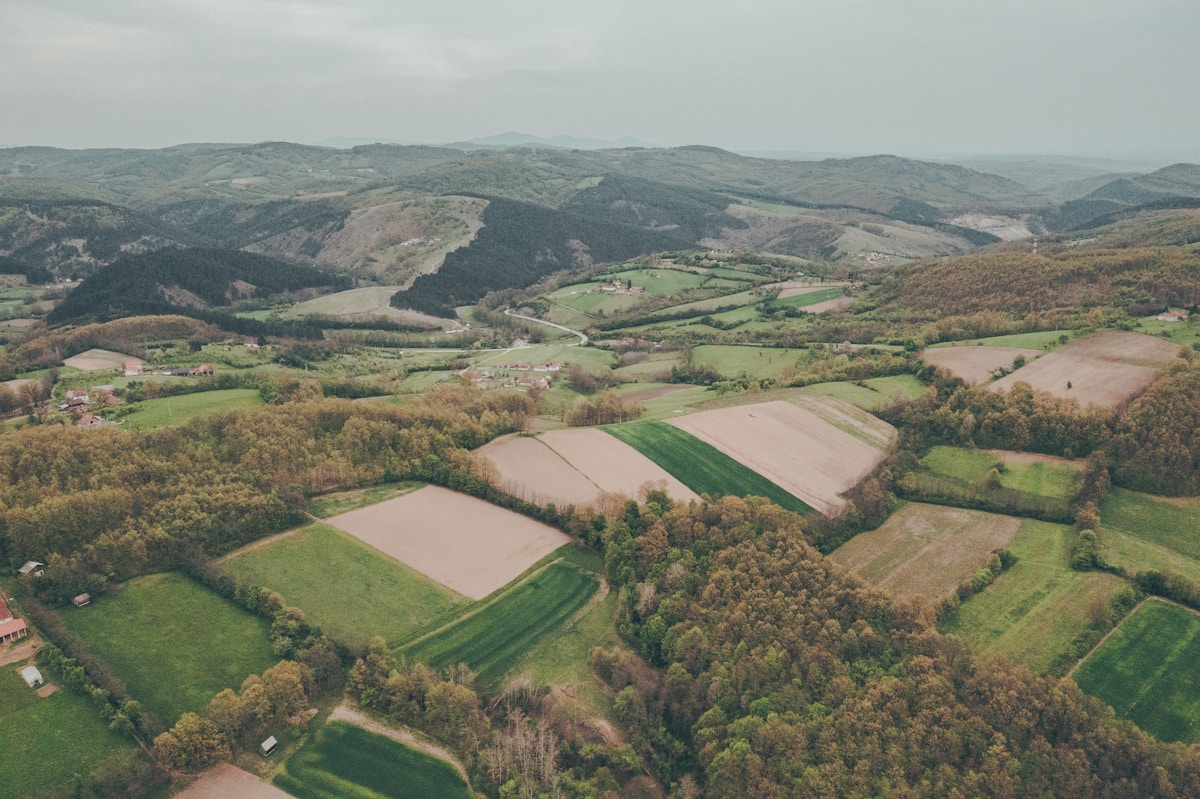
Serbia and Croatia make for an unusual but logical comparison: they are former Yugoslav neighbours, less than a day’s travel apart, but they offer almost entirely different travel experiences. Serbia is an inland city-break and cultural destination — Belgrade’s energy, Novi Sad’s festival scene, and the medieval monastery circuit are its core. Croatia is a coastal summer destination — the Dalmatian islands, Dubrovnik’s walls, and Split’s Diocletian Palace are why 20 million visitors show up each year.
Choosing between them is not really a like-for-like question. The better frame is: what kind of trip are you building?
Quick Verdict
| Factor | Serbia | Croatia |
|---|---|---|
| Price level | Very low — one of Europe’s best-value destinations | Moderate to expensive — especially on the Dalmatian coast in summer |
| Main draw | Belgrade city culture, medieval monasteries, Novi Sad | Dalmatian coast, islands, Dubrovnik, Split |
| Beaches | None — landlocked | Excellent — some of Europe’s best island and Adriatic beaches |
| Nightlife | Belgrade — one of Europe’s best city nightlife scenes | Split, Hvar, Dubrovnik — strong summer party scene |
| History | Ottoman, Byzantine, medieval Serbian Empire | Venetian, Roman, Habsburg — Diocletian’s Palace in Split |
| EU / Schengen | Not EU, not Schengen | EU member, Schengen since 2023 |
| Language difficulty | Serbian (Cyrillic script in official use) | Croatian (Latin script, similar to other Slavic languages) |
Bottom line: Serbia wins on price, nightlife, and city depth. Croatia wins on coast, beaches, island variety, and the pure Adriatic summer experience. Budget travellers and city-trip planners get more from Serbia; beach and coastal travellers should go to Croatia.
Costs
Serbia is one of the cheapest destinations in the Balkans and in Europe generally. In Belgrade:
- Coffee: approximately €1.20–1.80
- Restaurant main course: approximately €5–9 at a traditional kafana
- Mid-range hotel or apartment: approximately €50–80 per night
- Entry to most museums: approximately €2–5
A daily all-in budget for one person in Belgrade runs approximately €60–90. Novi Sad and smaller Serbian cities are cheaper still.
Croatia varies significantly by location and season. Zagreb is affordable — similar to Belgrade pricing. The Dalmatian coast in summer is another matter:
- Coffee in Dubrovnik: approximately €2.50–3.50
- Restaurant main in Split or Dubrovnik: approximately €14–22
- Mid-range accommodation in Split (July): approximately €120–180 per night
- Dubrovnik in peak season: add 30–50% to Split prices
A daily all-in budget on the Dalmatian coast in July runs approximately €140–200 per person. Croatia is worth the money for what it delivers, but the cost difference with Serbia is significant.
The Cities
Belgrade
Belgrade is one of the most underrated capital cities in Europe. The Kalemegdan Fortress, at the confluence of the Sava and Danube, is a dramatic riverside setting that rivals any European citadel. The Savamala arts district has galleries, bars, and clubs in former industrial spaces. The kafana — Belgrade’s traditional Serbian restaurant, a hybrid of tavern, restaurant, and live music venue — is an experience worth a full evening. And Belgrade’s splavovi (river-floating nightclubs, unique to this city) are unlike anything else in the region.
Belgrade rewards slow travel. Two nights is enough to see the sights; three or four nights lets you actually inhabit the city.
Novi Sad
Serbia’s second city is smaller, gentler, and home to EXIT — one of Europe’s top music festivals, held in the Petrovaradin Fortress every July. Outside festival season, Novi Sad is a good-looking Austro-Hungarian city with a strong cafe culture, walkable old town, and lower prices than Belgrade. An easy day trip or overnight stop from the capital.
Split
Split is one of Croatia’s two major cities and the main gateway to the Dalmatian islands. Its central feature is Diocletian’s Palace — a Roman emperor’s retirement home that became, over 1,700 years, the urban core of a living city. Narrow palace streets house apartments, bars, restaurants, and small hotels within walls built in the 4th century CE. Split is a place to be experienced more than sightseeing, and it works as a base for ferry access to Hvar, Brač, Vis, and Korčula.
Dubrovnik
Dubrovnik’s walled old city is one of Europe’s most celebrated urban spaces and one of its most photographed. The Stradun (main boulevard), the city walls walkable in about 2 hours, and the views over terracotta rooftops to the Adriatic are genuinely extraordinary. The tourism pressure is also real — Dubrovnik is extremely crowded in July and August, and accommodation is expensive by any European standard. Go in May, June, or September for a substantially better experience.
The Coast and Islands
This is Croatia’s strongest card and Serbia has no answer for it. Croatia’s Dalmatian coast stretches for roughly 600km with more than 1,000 islands, most of them accessible by Jadrolinija ferry or catamaran from Split or Dubrovnik.
The key islands:
- Hvar — the most popular, with a beautiful old town, lavender fields, and a strong summer nightlife scene. Gets busy; go in June or September for the best of it.
- Brač — home to Zlatni Rat, the most photographed beach in Croatia — a distinctive sand-and-pebble peninsula that shifts shape with the currents.
- Vis — the most remote of the easily accessible islands, with fewer crowds, excellent taverns, and a genuinely local character. The best island for those who want Croatia without the party scene.
- Korčula — a smaller walled town with historical claims as Marco Polo’s birthplace, excellent seafood, and a calmer pace than Hvar.
For island ferry logistics, see our Croatia ferry vs boat tour guide.
Food
Serbia
Serbian food is one of the great underrated cuisines of Europe. The national dish is roštilj — grilled meats, specifically cevapi (small sausages), pljeskavica (flat beef and pork burger), and veal chops — served with raw onion and flat bread. A full grill spread at a traditional kafana, with beer, costs approximately €8–12 per person. Gibanica (cheese and egg pastry), prebranac (slow-cooked beans), and winter sarma (stuffed cabbage rolls) add depth. Belgrade’s food market at Zeleni Venac and the Kalič neighbourhood kafanas are the best places to eat authentically.
Croatia
Croatian cuisine is coastal and Mediterranean: fresh fish, shellfish, lamb, olive oil, truffles from Istria, and an excellent wine industry anchored by Plavac Mali on Hvar. A grilled fish lunch at a Dalmatian konoba — a small traditional restaurant, often family-run — is one of the genuinely great meals in the region, though it costs accordingly. In Split and Dubrovnik, a good dinner for two with wine runs approximately €50–80.
Both countries have strong food cultures. Serbia is cheaper and more carnivore-forward; Croatia is seafood-focused and more expensive.
History and Culture
Serbia’s historical highlights run deeper than most visitors expect. The Raška-school medieval monasteries — Studenica (UNESCO listed), Sopoćani, Žiča — are among the finest examples of Byzantine art in the region and largely off the mainstream tourist trail. Belgrade’s wartime history, the Nikola Tesla Museum, and the Museum of Yugoslavia (housed in the mausoleum complex where Tito is buried) round out a genuinely substantial cultural offer.
Croatia’s historical highlights are more visible from the street. Diocletian’s Palace in Split — a Roman palace complex that became a city — is the most impressive Roman ruin in the entire Balkans region. Dubrovnik’s medieval walls represent Venetian and Ragusan Republican history at its most concentrated. The city of Trogir (UNESCO listed) and the Plitvice Lakes National Park add natural and architectural depth outside the coast.
Practical Planning
Serbia: Fly into Belgrade Nikola Tesla Airport (BEG), which has good connections from London, Vienna, Istanbul, Amsterdam, and most European capitals. Serbia uses the Serbian dinar (RSD). No Schengen visa required for most Western passports.
Croatia: Fly into Split (SPU) or Dubrovnik (DBV) for the coast, or Zagreb (ZAG) for a broader trip. Croatia uses the euro. As a Schengen member since January 2023, time in Croatia counts against the 90/180 Schengen allowance.
For routes combining both countries with Bosnia in the middle, see our Balkans transport guide and one-week Balkans itinerary.
Related comparisons
- Bosnia vs Serbia — culture, history, and price across Serbia’s western border
- Montenegro vs Croatia — two Adriatic rivals, one budget and one mainstream
- Kotor vs Dubrovnik — two walled Adriatic cities compared in detail
- Dubrovnik vs Split — Croatia’s two Dalmatian anchors
- Belgrade vs Zagreb — the former Yugoslav capitals side by side
- Sarajevo vs Belgrade — Balkans city-break comparison
- Serbia vs Romania — Serbia’s eastern neighbour compared
See also: Bosnia vs Serbia · Montenegro vs Croatia · Kotor vs Dubrovnik · Balkans Comparison Guide
Plan your trip: Tours in Belgrade · Tours in Croatia · Car hire in the Balkans · Travel insurance · eSIM · Search flights
🏨 Hotels in Belgrade — Hotels in Split — Hotels in Dubrovnik