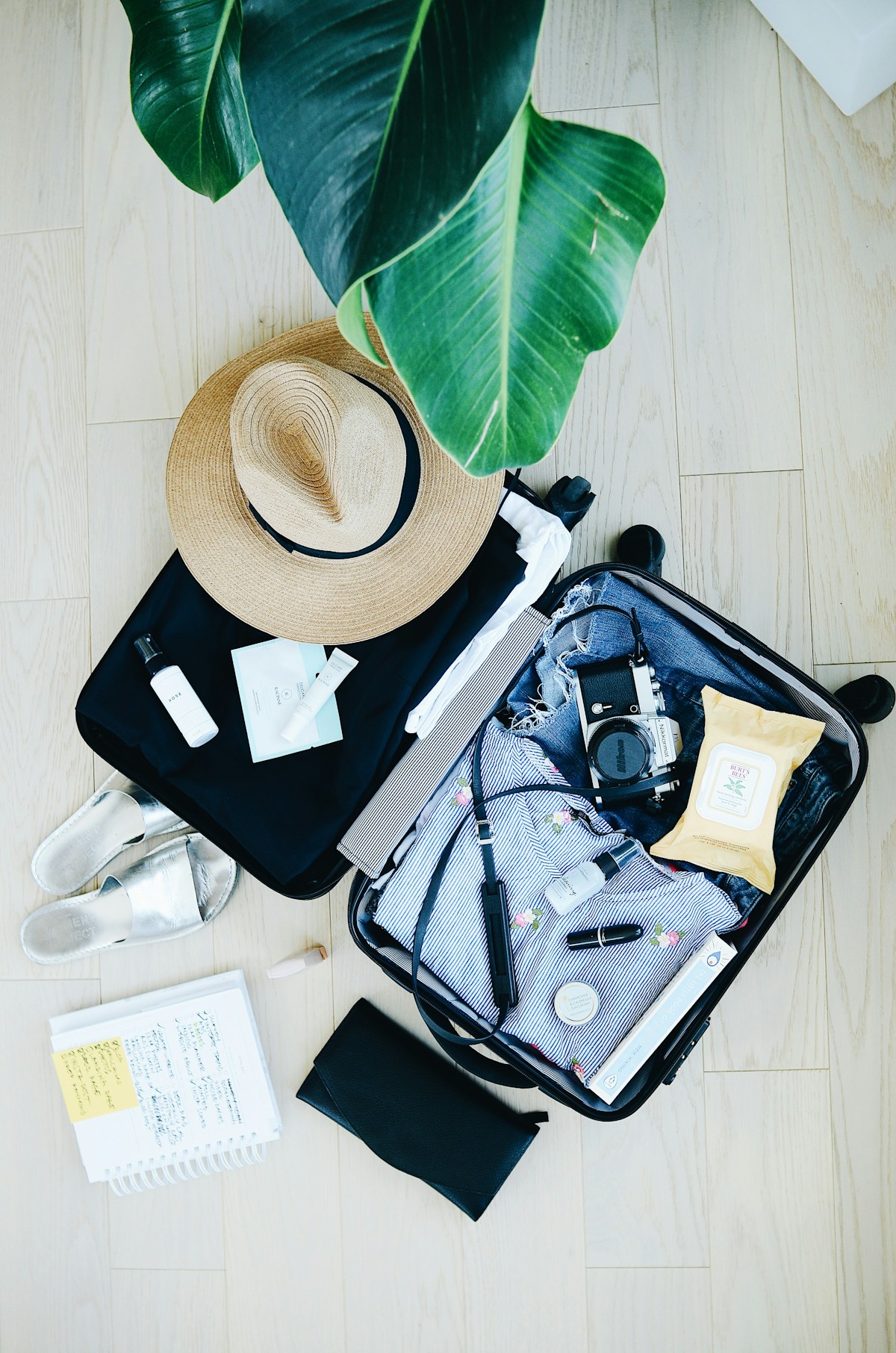
A Balkans trip typically involves multiple countries, different climates (Adriatic coast versus mountain areas), and a mix of beach, hiking, and city sightseeing. The temperature range can be significant - 35°C on the Croatian coast and 15°C in the Albanian Alps on the same trip. Pack with that range in mind, keeping weight down for bus travel and cobblestone old towns.
Documents - the non-negotiables
| Document | Notes |
|---|---|
| Passport | Valid for at least 3 months beyond return date; 6 months recommended for Kosovo and Albania |
| Travel insurance policy | Printed copy or accessible offline; most Balkans countries are outside EHIC/GHIC coverage |
| Accommodation confirmations | Printed or saved offline; useful at border crossings and hotel check-ins |
| EU driving licence or IDP | If hiring a car in the Balkans; international driving permit required by some rental companies |
| Credit/debit card | Visa and Mastercard widely accepted; Amex less so |
| Cash (euros) | Essential backup; euros are used in Croatia, Montenegro, and Kosovo. Other countries use local currency but euros are accepted at many tourist-area businesses |
| Photocopies of documents | Separate from originals; digital copies in email or cloud storage |
Visa note: EU, UK, US, Canadian, and Australian passport holders do not need a visa for stays up to 90 days in any Western Balkans country as of 2026. Check specific requirements if your nationality differs.
Clothing (Summer - May to September)
Summer in the Balkans is hot (30–38°C on the coast and in cities) and intense. Light, breathable fabrics are essential.
- 3–4 lightweight t-shirts or tops - cotton or linen; synthetic fabrics trap heat
- 1–2 pairs of shorts - for beach and casual sightseeing
- 1 pair of lightweight trousers - essential for mosque visits (Sarajevo, Mostar, Prizren), monasteries, and cooler mountain evenings. Linen or cotton; pack these even if you prefer shorts.
- Swimwear (2 sets) - essential if spending any time on the coast; quick-dry material is practical for consecutive beach days
- Light dress or smart shirt - for evenings out; Balkans cities have a stronger evening dress culture than many visitors expect
- Packable rain jacket or light layer - for mountain areas (Albanian Alps, Durmitor, Llogara Pass) and surprise rain; lightweight and compressible
- Walking shoes - the single most important clothing item. Comfortable, closed-toe shoes with good grip for cobblestone old towns (Dubrovnik’s marble streets are slippery when wet, Mostar’s bridge is polished stone, Berat’s castle paths are steep). Lightweight hiking shoes or good trainers work; avoid fashion shoes.
- Flip-flops - for beach use and hostel showers
- Hat - sun protection; essential for wall walks in Dubrovnik (no shade) and beach days
Clothing (Shoulder Season - April, October)
Add to the summer list:
- Warmer mid-layer - fleece or light down jacket; mornings and evenings are cool (10–18°C)
- Light waterproof jacket - rain is more frequent than in summer
- Long trousers as primary option - shorts are less practical outside peak summer
- Warmer socks - if hiking or spending time in mountain areas
Gear and Accessories
| Item | Why | Notes |
|---|---|---|
| Daypack (15–20L) | Day trips, beach bags, carrying water | Lightweight; doubles as bus luggage |
| Microfibre towel | Lightweight; dries fast | Some hostels and guesthouses provide towels, but not all - particularly Albanian Alps guesthouses |
| Refillable water bottle | Reduces plastic waste; saves money | Tap water is drinkable in most Croatian and Montenegrin cities; variable in Albania (bottled recommended outside Tirana) |
| Sunscreen (SPF 30+) | Summer UV is intense on the Adriatic coast | Reapply every 2–3 hours on beach days; the Dubrovnik wall walk and Kotor fortress climb offer no shade |
| Sunglasses | UV protection | The Adriatic glare can be intense |
| Insect repellent | Mosquitoes in lower-lying and coastal areas | DEET-based or natural alternatives; most useful near lakes (Ohrid, Shkoder) and rivers |
| Padlock | Hostel lockers | If staying in shared dorms; bring a combination lock |
| Dry bag (small) | Beach protection for phone and valuables | Useful for boat trips (Kotor bay, Ksamil islands, Kornati) |
| Earplugs | Sleep quality | Old town hotels in Dubrovnik, Split, and Budva can be noisy in summer evenings |
Electronics
| Item | Notes |
|---|---|
| Universal travel adaptor (Type C/F) | European 2-pin standard throughout all Balkans countries; UK and US travellers must bring an adaptor |
| Phone charger and cable | USB-C increasingly standard; bring your specific cable |
| Portable battery (10,000+ mAh) | Essential for long bus journeys (Tirana–Saranda: 5 hours; Dubrovnik–Mostar: 3 hours) and days when café outlets are unavailable |
| Camera (optional) | Phone cameras are sufficient for most purposes; bring a dedicated camera only if photography is a priority |
| Earbuds or headphones | Essential for long bus journeys; noise-cancelling useful for overnight buses |
Voltage note: All Western Balkans countries use 220–230V at 50Hz. US appliances (120V) require a voltage converter for items with heating elements (hair dryers, straighteners). Most modern phone and laptop chargers are dual-voltage (check the charger label for “100–240V”).
Health and Medical
| Item | Notes |
|---|---|
| Prescription medication | Bring enough for entire trip plus 5-day buffer; carry in original packaging with doctor’s letter if controlled substance |
| Basic first aid | Plasters, antiseptic wipes, blister patches (cobblestones cause blisters) |
| Pain relief | Ibuprofen or paracetamol; available at pharmacies (apoteka/farmaci) throughout the region |
| Rehydration sachets | Useful for hot weather and stomach upsets |
| Anti-diarrhoea tablets | Food hygiene standards vary; particularly useful in rural areas |
| Sunscreen and after-sun | SPF 30+ minimum for coast and mountain hiking |
| Travel insurance | Non-optional - see our travel insurance guide. Private medical cover is strongly recommended; public healthcare is limited in Albania, Kosovo, and North Macedonia. Emergency medical treatment costs are manageable but repatriation costs are not. |
Money and budget items
| Item | Notes |
|---|---|
| Two payment cards | Visa or Mastercard; keep one as backup in a different bag |
| Cash (mixed) | €50–100 in euros as emergency reserve; withdraw local currency from ATMs in each country |
| Money belt or hidden pouch | Not strictly necessary - pickpocket risk is lower than Western Europe - but useful for border crossings and long bus journeys |
Currency by country: Croatia, Montenegro, Kosovo use euros (€). Serbia uses Serbian dinar (RSD). Bosnia uses convertible mark (BAM). Albania uses lek (ALL). North Macedonia uses denar (MKD). ATMs are available in all cities and most towns.
What to Leave at Home
- Heavy guidebooks - digital options work; save the weight. Offline Google Maps and cached articles are more useful.
- Excess clothing - laundry services are cheap throughout the region (€3–5/kg at laundromats; many hostels have washing machines)
- Expensive jewellery or visible luxury items - not specifically risky, but unnecessary and creates anxiety
- Hair dryer - most accommodation provides one; if essential, bring a compact travel size (check voltage)
- Multiple shoes - one pair of walking shoes plus flip-flops covers everything
- Hardcover books - weight adds up. E-reader or phone reading is more practical for multi-country trips.
Packing weight target
Aim for 7–10 kg total for a carry-on-only approach. Multi-country Balkans trips involve frequent bus travel (overhead racks are small), cobblestone walks with luggage, and occasional ferry transfers. Light packing is not just convenient - it fundamentally improves the travel experience. A 40–45L backpack or a small wheeled carry-on handles everything on this list.
See also
- Travel insurance for the Balkans
- Balkans visa guide
- Getting around the Balkans
- Balkans transport guide
- First time in the Balkans
- Hiking in the Balkans
- Skiing in the Balkans
Useful links: Search Balkans flights · Travel insurance · Balkans eSIM