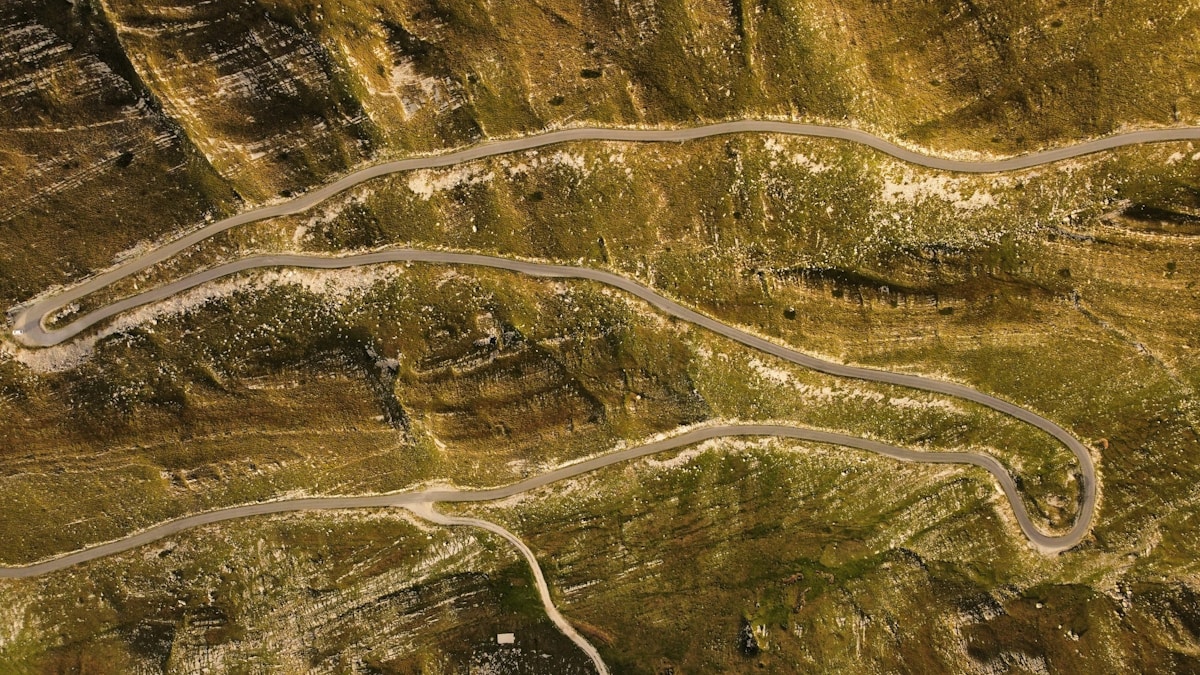
For most standard Balkans city loops, buses are cheaper and simpler than renting a car. But a car genuinely adds value when you want to reach remote villages, drive mountain routes at your own pace, or access national parks that buses serve infrequently. GetRentaCar compares suppliers across the region and includes cross-border-friendly options, which matters when you are crossing multiple Balkans countries with the same vehicle.
This guide covers when to rent, what it costs by country, cross-border rules, and what documents you need.
When renting a car makes sense
Strong reasons to rent:
- Accessing remote villages, mountain trails, inland parks, and small coastal towns that buses reach infrequently or not at all
- Multi-country road-trip itineraries (e.g., Tirana → Kotor → Dubrovnik → Mostar → Sarajevo) where you want maximum flexibility
- Family or group travel - easier logistics with luggage and varied daily plans
When buses are usually better:
- Tight 7-day city-hopping itineraries - the bus network covers all the main legs faster and cheaper
- If you are uncomfortable with narrow coastal or mountain roads - Balkan driving requires confidence on switchbacks and poorly lit routes
- Solo budget travellers - rental plus fuel plus insurance adds up quickly
A useful rule of thumb: rent a car for a niche 10-day rural loop; take buses for a standard 7-day city-coast-city trip.
Daily rental rates by country
Economy-class car, excluding insurance extras (2026 approximate):
| Country | Daily rate | Notes |
|---|---|---|
| Albania | €20–50/day | Local outfits from €20/day; airport brands higher |
| Kosovo and North Macedonia | €25–60/day | Regional providers often cheaper than airport chains |
| Montenegro | €30–70/day | Higher in coastal resort season; inland is cheaper |
| Serbia and Bosnia | €25–60/day | Good local and regional options outside airport terminals |
| Croatia and Slovenia | €40–90+/day | Most expensive in the region; peak coastal season pushes the upper end |
For a 10-day road trip across 4–5 countries, total rental fees typically run €400–800 depending on one-way drop-off and insurance selection.
Extra costs to budget for
One-way drop-off fees: Renting in Tirana and dropping in Dubrovnik, for example, can add €100–500+ to the overall cost depending on the company and route. Always confirm this upfront.
Cross-border insurance: Some companies charge extra for driving into certain countries (Albania → Montenegro, Albania → Kosovo). Others require a Green Card insurance extension. Confirm in writing before signing.
Fuel: Petrol in the Balkans runs roughly €1.15–1.45 per litre depending on the country. A 10-day trip across 4–5 countries typically costs €150–300 in fuel depending on car size and highway use.
Tolls and vignettes: Croatia and Serbia have toll highways with cash or card payment. Some countries use sticker-style vignettes for highway access.
Major rental companies
International chains (Avis, Hertz, Sixt, Europcar, Enterprise, Budget) are available at major airports and cities in Croatia, Slovenia, Serbia, and parts of Bosnia and Montenegro. English-friendly and with standardised cross-border rental policies - though rates are usually higher than local alternatives.
Regional and local operators worth knowing:
- Val & Kar (Sofia-based): frequently recommended for Balkans-wide road trips because they explicitly allow the car across the region and handle cross-border documentation
- Balkan Transfer and Be In Balkan: offer car rental and chauffeur services across Albania, Montenegro, North Macedonia, Kosovo, Serbia, Bosnia, Croatia, Slovenia, and Greece
- Oryx (Croatia) and local Albanian platforms: often cheaper than airport-branded providers on the same routes
For cross-border multi-country trips, verify explicitly that your chosen company allows each country you plan to enter.
Documents needed at pickup
- Valid driver’s licence - an International Driving Permit is not required by law in most Balkans countries but is often recommended for peace of mind, especially in Albania
- Credit card in the main driver’s name (for deposit and toll collateral)
- Passport or ID plus your reservation voucher
Age rules: Minimum age is often 21–23 for standard categories; some companies apply a “young driver” surcharge for under-25 drivers. Some cap older drivers at 70–75 - check in advance.
Insurance
Most rentals offer basic CDW (collision damage waiver) and TPL (third-party liability). Adding a zero-deductible or super-CDW upgrade is strongly recommended for multi-country Balkans road trips - narrow mountain roads and mixed driving behaviour in the region make full coverage worth the daily extra.
“Adding full coverage is usually worth it on multi-country road trips” is the consistent advice from experienced Balkans drivers.
Cross-border driving rules
Can you cross borders with a rental car? Yes, but only if the rental company explicitly allows it and the insurance covers the destination countries. This is not automatic.
Albania: Cars can usually be driven into Montenegro, Kosovo, North Macedonia, and sometimes Greece - but expect extra cross-border insurance fees and confirm this in the contract.
Croatia ↔ Bosnia: A very common crossing, but check that the contract explicitly allows Bosnia and whether a Green Card extension is needed.
Tirana → Dubrovnik via Montenegro and Bosnia: A classic but expensive one-way route. Allow for a €450–550 one-way drop fee plus border-related extras, and confirm all permissions in writing before departure.
One-way vs round-trip: One-way rentals add significant surcharges but are worth it for a 10-day loop that starts and ends in different countries. Round-trip rentals are cheaper and work well for basing in one country with day drives.
Road conditions and driving tips
Highway quality: Modern toll highways in Croatia, Serbia, and parts of Bosnia. Elsewhere, roads vary sharply.
Mountain and coastal roads: Many routes (Kotor–Dubrovnik, Kotor–Sarajevo, Albanian mountain passes) are narrow, twisty, and poorly lit. Drive slowly, allow extra time, and avoid doing these at night.
Winter driving: Mountain regions of Bosnia, Serbia, Montenegro, and North Macedonia can have snow, black ice, and legally required winter tyres or chains from November to March.
Top practical tips:
- Inspect the car thoroughly at pickup and take photos or video of any existing scratches
- Check that cross-border permissions and zero-deductible insurance are written in the contract, not just verbal
- Use offline maps updated for Balkans routing (Google Maps works well with downloaded regions)
- Carry local cash and a card - some smaller stations and toll booths are cash-only
Plan Your Trip
- Flights - Find the best fares to the Balkans
- Travel Insurance - Get covered before you go
- eSIM - Stay connected from landing
- Car Rental - Compare prices across providers