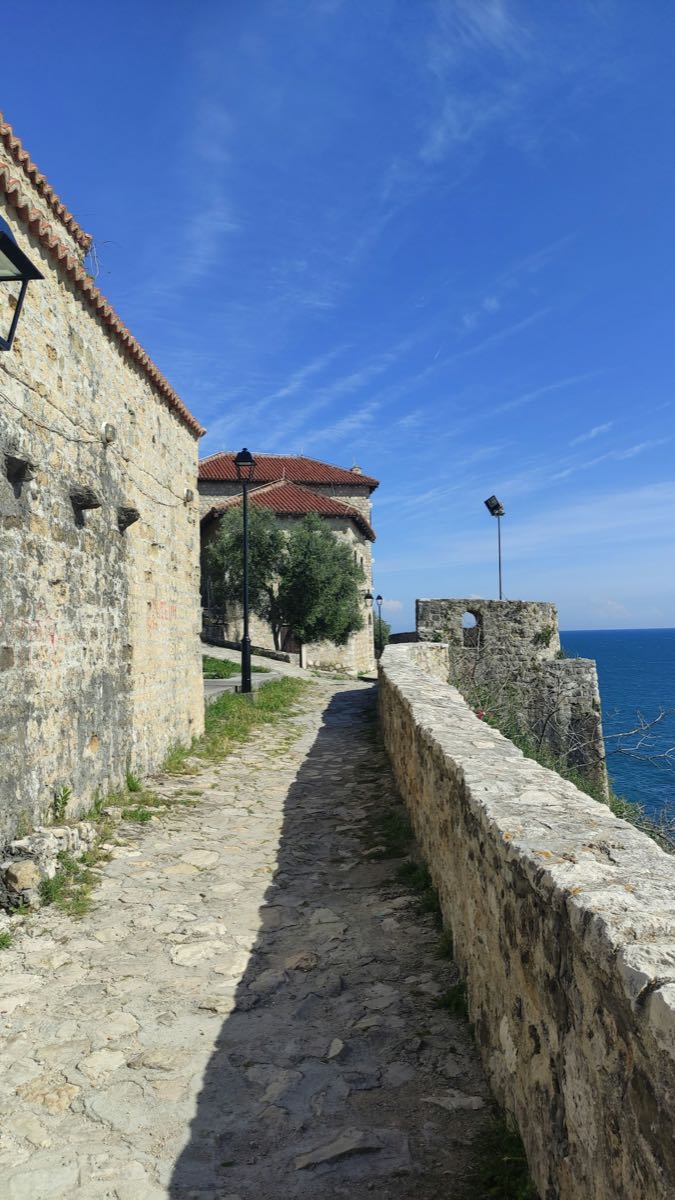
Kotor and Dubrovnik are the two most photographed walled cities in the Balkans, and they sit only 90 km apart. Both are UNESCO World Heritage Sites. Both have medieval Venetian walls, terracotta rooftops, and Adriatic backdrops. But the experience of visiting them is strikingly different - in scale, cost, and atmosphere.
Quick Verdict
| Factor | Kotor | Dubrovnik |
|---|---|---|
| Setting | Inside a bay - enclosed, dramatic | Coastal headland - open sea views |
| Wall entry | €8 (includes fortress hike) | €35 for the full wall walk |
| Crowds (peak) | Very busy but more absorb-able | Overwhelming in July–Aug |
| Currency | Euro | Euro (Croatia) |
| Budget | Significantly cheaper | One of Croatia’s most expensive cities |
| Old town size | Compact - 1–2 hours to walk | Larger - 3–4 hours properly |
| Ferry/boat access | Bay of Kotor ferry, Albania speedboats | Elafiti Islands, Hvar, Mljet |
Bottom line: Kotor is cheaper, more intimate, and less crowded. Dubrovnik is bigger, more polished, and carries greater name recognition. Visit both if time allows - they are close enough that choosing is unnecessary on a longer Balkans trip.
Costs
Kotor is considerably more affordable. A coffee in the old town costs €2–2.50, a sit-down lunch €10–16, a restaurant dinner for two €30–50. Daily all-in costs for a couple at a mid-range level run approximately €90–130.
Dubrovnik commands a premium. Coffee costs €3–4, lunch €15–22, dinner for two €60–100 at a proper restaurant. Daily all-in for a couple runs €170–240 in peak season.
The wall walk alone illustrates the gap: Kotor’s fortification hike costs €8 per person; Dubrovnik’s city walls circuit costs €35.
Where to Stay
Kotor
- Hotel Cattaro - inside the old town walls; doubles from approximately €90–130 in shoulder season, €150–200 in July–August. Roof terrace with fortress views.
- Palazzo Radomiri - 18th-century baroque manor in Dobrota, 2 km from the old town; doubles from approximately €130–180. One of Montenegro’s finest boutique hotels.
- Old town guesthouses - small family rooms inside the walls from approximately €50–80 per night; book early as supply is limited.
Dubrovnik
- Villa Klaic - just outside Pile Gate; doubles from approximately €120–200 per night. Good base without old-town pricing.
- Hotel Stari Grad - inside the old town; doubles from approximately €180–280 in summer.
- Lapad Peninsula - budget accommodation 2 km from the old town; guesthouses from €60–90 per night with frequent bus service.
Where to Eat
Kotor
- Galion - terrace restaurant on the bay outside the south gate; fresh fish, mains €14–22. One of the best-value seafood spots in the bay area.
- Restaurant Stari Mlini - in Ljuta village, 8 km north; traditional Montenegrin cooking in a mill setting; full dinner approximately €20–30 per person. Worth the short drive.
- Konoba Scala Santa - inside the walls, near the city’s main church; mains €12–18. Reliable seafood and grilled meats.
Dubrovnik
- Kopun - roast capon in a courtyard near St. Blaise; mains €18–24. Genuinely good.
- Nautika - upscale terrace overlooking Lovrijenac Fortress; three-course dinner approximately €50–65 per person.
- Barba - casual seafood kiosk outside the old town in Lapad; fish sandwiches and octopus salad from €8–12. The city’s best budget eat.
Getting Between Kotor and Dubrovnik
Bus: Daily services run by Montenegro Lines and FlixBus. Journey approximately 2–2.5 hours. Tickets approximately €12–18. You cross the Croatia-Montenegro border at Debeli Brijeg - passport required, expect 20–45 minutes.
Car: Around 1.5 hours without border queues. In peak summer, the border can add an hour. The Jadranska magistrala coastal road (M-2 in Montenegro, D8 in Croatia) is scenic but slow.
Speedboat (summer only): Private speedboat transfers between Kotor and Dubrovnik take approximately 1.5 hours and cost €60–120 per person depending on the operator and group size. Scenic and avoids the border queue.
Best Season
Kotor: May and early June, or September–October. The Bay of Kotor creates a microclimate - summer temperatures inside the walled city can reach 38–40°C. The annual Kotor Carnival (February) is a local highlight. In August, cruise ships disgorge thousands of visitors into the compact old town.
Dubrovnik: The same shoulder-season logic applies but even more strongly. The city’s 2018 tourist cap (8,000 visitors in the old town at once) has been enforced with limited success. Early morning (before 9 am) is the most bearable time to walk the walls in summer.
The Fortification Hike
Both cities offer wall walks, but Kotor’s is an active climb.
Kotor: The hike up to San Giovanni Fortress involves 1,350 steps carved into the mountainside. Allow 1.5–2 hours return. The views over the bay are among the best in the Balkans. Cost: €8 per person. Go early morning in summer.
Dubrovnik: A mostly flat 1.9 km circuit of the city walls, with excellent views in every direction. Allow 1.5 hours. Cost: €35 per person as of 2026. Tickets must be purchased online in advance in summer.
Internal Links
- Montenegro travel guide
- Croatia travel guide
- Kotor city guide
- Dubrovnik city guide
- Bay of Kotor guide
- Things to do in Kotor
- Things to do in Dubrovnik
- Where to stay in Kotor
- Montenegro itinerary
- 3 days in Dubrovnik
- Dubrovnik vs Split
- Getting around the Balkans
- Sailing in Croatia
FAQs
Which walled city is less crowded? Kotor - but only relatively. Both are heavily visited in July–August. Kotor’s old town is smaller and the cruise ship effect is significant. May, June, and September are far more pleasant.
Is Kotor worth visiting if I’ve already been to Dubrovnik? Yes. Despite surface similarities, Kotor feels different - the bay setting, the mountain backdrop, and the more local Montenegrin atmosphere are distinct from Dubrovnik’s manicured tourist experience.
Can I visit both on the same trip? Easily. They are 90 km apart and the bus takes around 2 hours. Many travellers base in Kotor and do a day trip to Dubrovnik (or vice versa), though an overnight in each city is more comfortable.
Is Montenegro in the EU? Not yet, though it uses the euro as its currency and is in the EU accession process. You need a passport (not just an ID card) to enter Montenegro.
Which has more to do beyond the walls? Both have comparable bay/coastal activities. Dubrovnik has better island access (Hvar, Mljet, Korčula). The Bay of Kotor has Perast and Our Lady of the Rocks - two of Montenegro’s most photographed sights - within easy reach.
Plan your trip: Guided tours in Kotor · Guided tours in Dubrovnik · Car hire in the Balkans