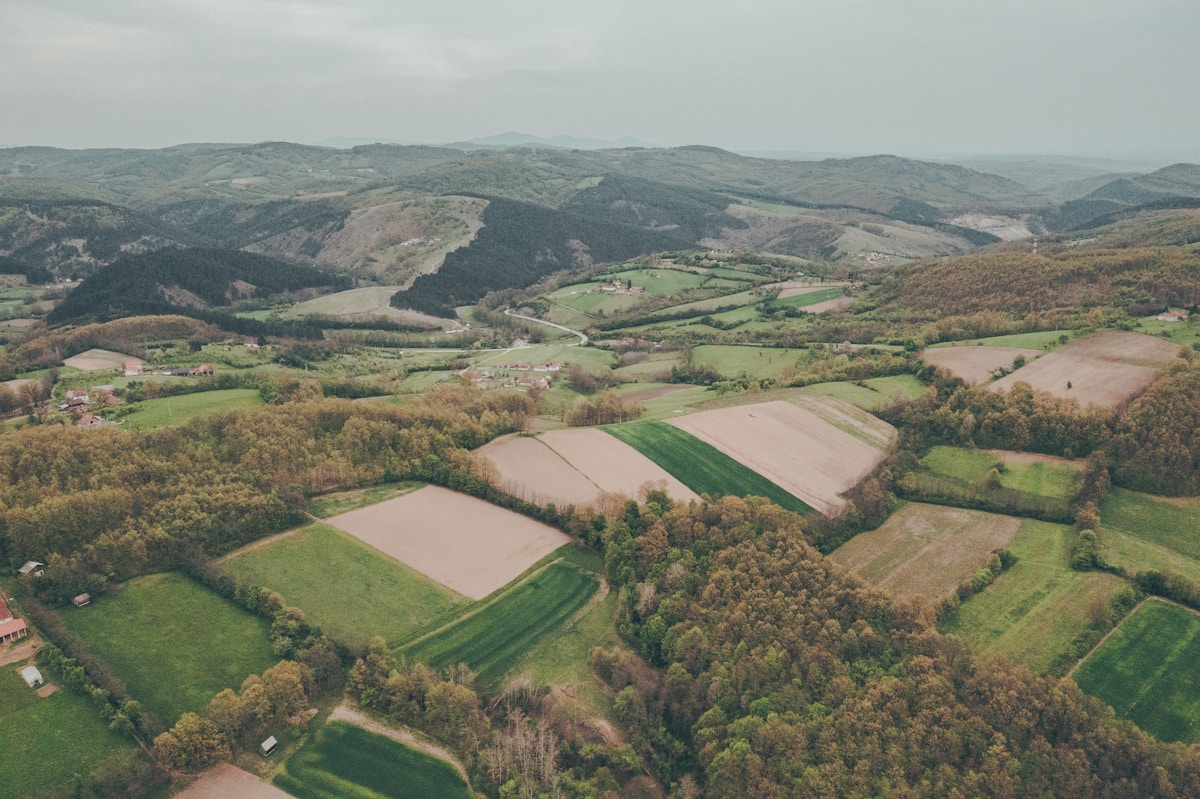
Serbia is the largest country in the Western Balkans and arguably the most underappreciated retirement destination in the region. Belgrade — the capital — is a genuine European city: 1.7 million people, excellent restaurants, a world-class nightlife scene (not just for the young), outstanding café culture, and a warmth of character that makes long stays feel natural very quickly.
Costs sit below Croatia and roughly on a par with Albania — but Belgrade offers a city-life experience that smaller Balkan capitals cannot match. Outside the capital, cities like Novi Sad and Niš offer an even lower cost base with their own distinct appeal.
Serbia is not in the EU, not in Schengen, and has a residency process that requires some paperwork. But for retirees who can handle the admin, Serbia rewards handsomely: a rich cultural life, excellent food, a growing international community, and a monthly cost of living that leaves significant headroom in most Western pension budgets.
Serbia at a glance for retirees
Serbia is a landlocked country at the crossroads of Central and Southeast Europe, bordered by Hungary to the north, Romania and Bulgaria to the east, North Macedonia and Kosovo to the south, and Croatia, Bosnia, and Montenegro to the west. The country has no coastline but sits on the Danube and Sava rivers; Zlatibor and other mountain ranges provide highland alternatives to the beach.
Key facts for retirees:
- Currency: Serbian Dinar (RSD); approximately 117 RSD per 1 EUR as of 2026
- Language: Serbian (Cyrillic script in official use; Latin script widely used in everyday life); English fluency is high in Belgrade and Novi Sad among under-45s
- Climate: Continental — hot summers (Belgrade regularly reaches 35°C in July), cold winters with snow; mountain areas cooler year-round
- Time zone: CET (Central European Time) — same as most of continental Europe
- Healthcare: Public system (RFZO) exists; private clinics are the main option for expat retirees
Visa and residency options
Visa-free stays
Serbia’s visa-free arrangements vary by passport. The main groups:
- EU, UK, Canadian, Australian, New Zealand: 90 days visa-free within any 6-month period
- US citizens: 30 days visa-free; can exit and re-enter but this is not a sustainable long-term strategy
- Serbia is not in Schengen, so Serbian stays do not affect your Schengen clock
The 30-day US limit makes Serbia more burdensome for American retirees than for EU or UK nationals at the initial stage. The residence permit process below resolves this.
Temporary Residence Permit
For stays beyond the visa-free limit, the standard route is the Temporary Residence Permit (Privremeni boravak). It can be granted on several grounds relevant to retirees:
Passive income / financial self-sufficiency: Proof of sufficient pension or investment income to support yourself in Serbia without working. The informal income benchmark is approximately €400–600/month per person, significantly lower than Croatia or Western Europe — this is one of Serbia’s genuine practical advantages.
Property ownership: Owning property in Serbia does not automatically grant residence but simplifies the application significantly.
Requirements (as of 2026):
- Valid passport (6+ months remaining)
- Proof of accommodation (rental contract or property deed)
- Bank statements or pension documentation showing sufficient income
- Health insurance valid in Serbia
- Clean criminal record (apostilled in your home country)
- Application submitted at the Department of Foreigners (Upravljanje za strance) at the local police station
The permit is issued for 1 year initially and is renewable. After 5 continuous years of temporary residence, permanent residence is available. A local lawyer (cost approximately €300–500) is recommended to navigate the paperwork, particularly for the first application.
Monthly cost of living
Belgrade (capital)
| Expense | Monthly cost (approx.) |
|---|---|
| 1-bedroom furnished apartment (central, Vračar or Zvezdara district) | €600–950 |
| Utilities (electricity, water, internet) | €80–130 |
| Food (groceries + eating out 3-4x/week) | €300–450 |
| Private health insurance | €60–120 |
| Transport (public transport + occasional taxi) | €40–80 |
| Total | €1,080–1,730 |
Belgrade prices have risen significantly since 2021 due to a surge of digital nomads and remote workers, particularly from Russia and Western countries. Central neighbourhoods (Vračar, Zemun, Savamala, Dorćol) command a premium; residential areas 15–20 minutes from the centre are substantially cheaper.
Novi Sad (northern Serbia, on the Danube)
Novi Sad is Serbia’s second city and university capital — a beautiful, walkable city with excellent café culture, a well-preserved old town, and the EXIT Festival (Europe’s largest music festival by some measures) in summer.
| Expense | Monthly cost (approx.) |
|---|---|
| 1-bedroom furnished apartment | €450–750 |
| Utilities | €70–110 |
| Food | €260–380 |
| Private health insurance | €60–120 |
| Transport | €30–60 |
| Total | €870–1,420 |
Novi Sad runs approximately 25–30% cheaper than Belgrade with very similar quality of life.
Niš (south Serbia)
Niš is Serbia’s third-largest city and one of the most affordable in the country — a city with real character (birthplace of Emperor Constantine, excellent Roman ruins at Mediana, the Skull Tower), good food, and minimal tourism.
Monthly total for a single retiree: approximately €700–1,100. Possibly the best value retirement base in Serbia for retirees on modest pensions.
Zlatibor (mountain resort area)
Zlatibor and the surrounding western Serbia mountains offer a completely different lifestyle: clean mountain air, outdoor activities (hiking, skiing in winter), and an increasingly well-developed services sector. Off-season (outside July–August and ski season), Zlatibor is quiet and very affordable.
Monthly total (off-peak): approximately €650–1,000 for a single retiree.
How Serbia compares
| Country | Solo retiree monthly budget |
|---|---|
| North Macedonia | €700–1,100 |
| Bosnia & Herzegovina | €700–1,100 |
| Serbia | €800–1,200 |
| Albania | €800–1,200 |
| Montenegro | €900–1,400 |
| Croatia | €1,100–1,700 |
Serbia and Albania are broadly equivalent on cost; Serbia’s advantage is the city-life experience in Belgrade that no other affordable Balkan city fully matches.
Healthcare
Healthcare is the primary concern for most retirees considering Serbia — and the picture is more positive than many expect, at least in Belgrade.
Public healthcare (RFZO): Serbia’s public health system covers Serbian citizens and legal residents. Expat retirees with a residence permit can theoretically access it, but the system is under-resourced and most expat residents use private clinics for routine care.
Private clinics in Belgrade: Belgrade’s private healthcare sector has grown substantially in the last decade. Major private hospitals (Bel Medic, Euromedik, Intermedika, MediGroup) offer good primary, specialist, and surgical care at prices far below Western European levels:
- GP consultation: approximately €25–50
- Specialist consultation: approximately €50–90
- Dental cleaning: approximately €30–55
- Full blood panel: approximately €30–60
For complex procedures or advanced surgery, Belgrade’s private hospitals are competent options. For the most complex cases, Vienna (1.5 hours by plane), Budapest (5 hours by car), or Ljubljana are accessible. International health insurance is strongly recommended before arrival — travel and health insurance for the Balkans.
Private healthcare in Novi Sad is also reasonable. Outside these two cities, provision drops significantly.
Best places to retire in Serbia
Belgrade
The unambiguous choice for retirees who want city life. Belgrade is one of Europe’s most underestimated capital cities — architecturally layered (Habsburg, Ottoman, Yugoslav, contemporary), with a café culture that ranks among Europe’s best, extraordinary live music and nightlife, food that has dramatically improved in the last decade, and a river setting (Sava-Danube confluence) that gives it a scale and grandeur that surprises first-time visitors.
Belgrade works best for retirees who speak or are willing to learn some Serbian, or who are comfortable navigating a city where English is widely spoken among under-45s but less so among older residents and in municipal offices. The expat community has grown substantially since 2021.
Novi Sad
Our top recommendation for retirees who want a quieter, more manageable city than Belgrade at lower cost. Novi Sad is genuinely beautiful — the old town, Petrovaradin Fortress, and Danube promenade form one of the Balkans’ most pleasant urban environments. The city has a university energy, good coffee shops, and a relaxed pace that Belgrade lacks. Healthcare is reasonable; the Belgrade connection (45 minutes by motorway) provides access to better private hospitals when needed.
Niš
The most affordable Serbian city worth considering for retirement. Niš has an underrated historic centre (Felix Romuliana is a short drive away; the Skull Tower is grim and fascinating in equal measure), an increasingly lively café scene, and costs that genuinely allow a comfortable life on a modest pension. Healthcare is the main limitation — for serious conditions, the 4-hour drive to Belgrade is a real consideration.
Zlatibor
Zlatibor is the choice for retirees who want mountain living: pine forests, hiking trails, fresh air, and a seasonal buzz in winter and summer. The town has grown significantly and has reasonable services. Best suited to retirees who are active, healthy, and comfortable with limited local healthcare provision.
Practical considerations
Banking: Serbia does not use the euro. Opening a Serbian bank account requires a residence permit and is straightforward once obtained. In the interim, Wise and Revolut cards work at Serbian ATMs without significant fees. ATMs are widely available in cities; less so in rural areas.
Language: Serbian is written in both Cyrillic and Latin scripts. Official signage and government documents use Cyrillic; everyday usage (social media, restaurant menus, shop signs) widely uses Latin. Learning basic Serbian in Latin script is practical; Belgrade’s English-language environment reduces the urgency. Language apps covering Serbian use Latin transliteration.
Mobile and internet: Serbia has good 4G coverage across urban areas and major roads; rural coverage can be patchy. Mobile operators: Telekom Srbija, A1, and Yettel. Monthly plans run approximately €8–18. Fixed broadband: €15–25/month. eSIM for the Balkans works from arrival.
Safety: Serbia is safe for expats. Belgrade in particular has a low street crime rate. The country’s political context occasionally generates protests, but these do not typically affect everyday expat life.
Driving: Serbia drives on the right. Roads between major cities are good (E75 Belgrade–Niš motorway is excellent). Rural roads vary. A car is useful outside Belgrade; in Belgrade, public transport and taxi apps (Car:Go, Naxis) are effective.
Pets: Serbia has no quarantine for pets arriving from rabies-free countries with valid health certificates and microchipping.
Taxes for foreign retirees
Serbia has a flat 15% personal income tax rate. However, Serbia has double taxation treaties with major source countries. Under most DTAs (including UK, Germany, France), foreign pension income is taxable only in the source country and is not subject to Serbian income tax.
For US citizens: the Serbia-US tax treaty covers pension income. Independent financial advice is essential — the interaction between US FBAR requirements, FATCA, and Serbian banking is a genuine complexity for US retirees in Serbia.
Formal tax residence in Serbia is triggered by spending 183+ days in the country in a calendar year. Consider the implications for your home-country tax obligations before committing to full-year Serbia residency.
Summary: is Serbia right for you?
Serbia is best suited to retirees who:
- Want genuine city life at an affordable price (Belgrade is the key draw)
- Can budget €900–1,300/month comfortably
- Value Central European location — Vienna, Budapest, and Thessaloniki are all accessible for a weekend
- Are comfortable living outside the EU, without Schengen rights
Serbia is less suited to retirees who:
- Require reliable high-quality local healthcare at all times (outside Belgrade, this is a real constraint)
- Want EU membership benefits (Croatia is the correct choice)
- Are US citizens who find the 30-day initial visa-free entry restrictive (the permit process resolves this but adds early friction)
See also
- Serbia travel guide
- Belgrade guide
- Novi Sad guide
- Cost of living in the Balkans
- Retire in Montenegro
- Retire in Croatia
- Retire in Bulgaria
- Balkans visa guide
Useful links: Health insurance for Serbia · Flights to Serbia · eSIM for Serbia · Hotels in Belgrade · Hotels in Novi Sad · Tours in Serbia · Car hire in Serbia