October is the Balkans’ autumn shoulder season - golden light, empty coastal towns, and the best national park colours of the year. The Adriatic is still swimmable in early October (19–21°C), city breaks are excellent value, and the mountain parks turn from green to amber. We rate October highly for travellers who prefer atmosphere over heat.
Weather by Region
Croatian coast (Dubrovnik, Split, Hvar): 17–22°C. Warm enough for outdoor dining but not for reliable beach days. The sea cools to 19–21°C - still swimmable in early October for those who are not put off by cooler water. Rain increases, particularly in the second half. Cruise ship visits drop sharply.
Montenegro coast (Kotor, Budva, Ulcinj): 16–22°C. The Bay of Kotor is atmospheric in autumn light with fewer tourists than any month since April. Budva’s beach infrastructure winds down, but the old town is pleasant for walking. Rainfall increases - Kotor can receive heavy downpours.
Bosnia (Sarajevo, Mostar): 10–18°C. Sarajevo’s surrounding hills turn gold and red. The old town is comfortable for walking all day. Mostar cools to pleasant daytime temperatures and the bridge area is quiet enough to photograph without crowds. First frost possible in Sarajevo by late October.
Serbia (Belgrade, Novi Sad): 12–20°C. Belgrade’s cultural season is in full swing - theatre premieres, gallery openings, and the autumn restaurant scene. The Danube and Sava waterfronts are beautiful in October light. Fruška Gora’s wine region near Novi Sad is at its most colourful.
Albania (Tirana, Albanian Riviera): 15–23°C. Tirana is pleasant for city exploration. The Riviera begins shutting down - most beach hotels and restaurants in Dhermi and Ksamil close between mid and late October. Sarandë stays open longer due to its year-round population.
North Macedonia (Skopje, Ohrid): 12–20°C. Ohrid’s lakeside is quiet and golden. The water cools to 16–18°C - too cold for most swimmers but the town’s old quarter and monasteries are at their most photogenic against autumn foliage.
National Parks in Autumn Colour
October is the standout month for national park visits. The summer crowds are gone, entry fees often drop, and the foliage is spectacular.
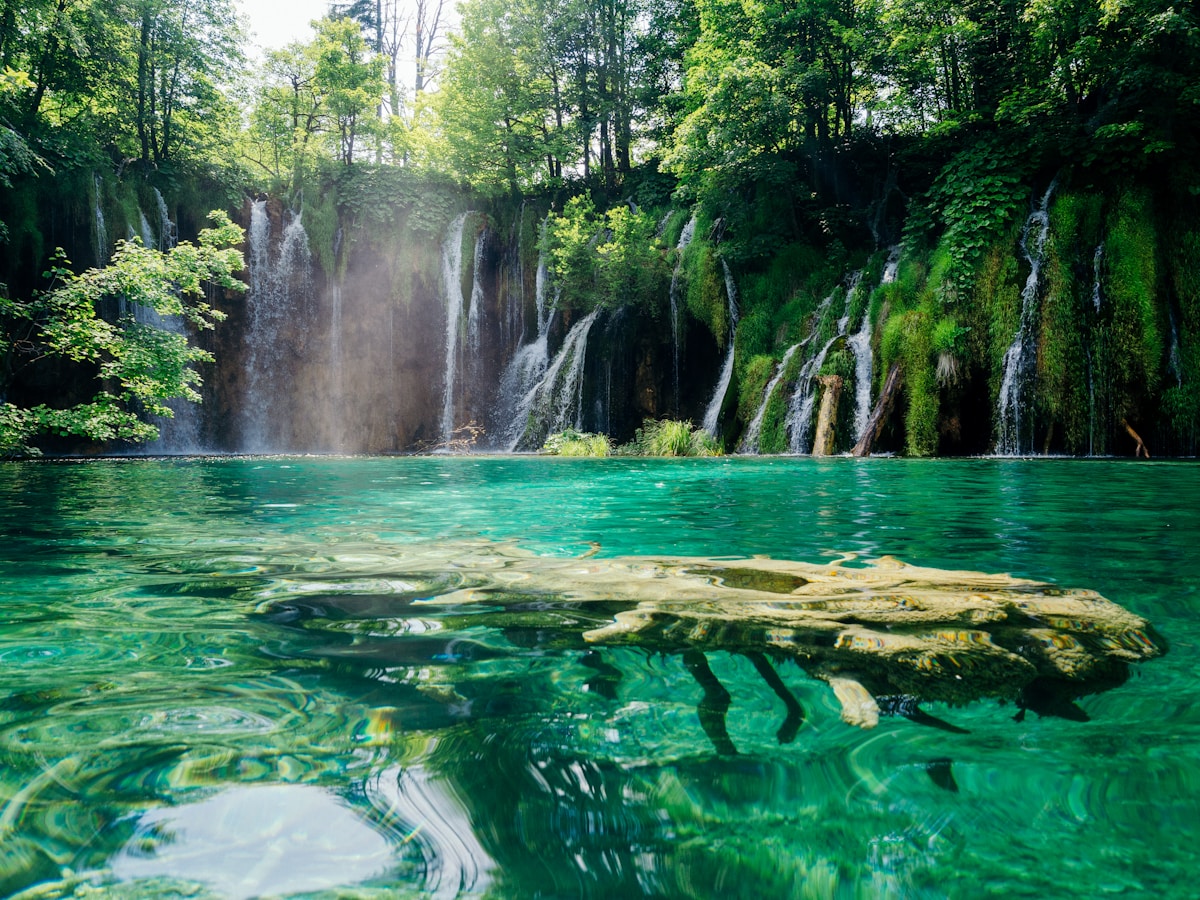
Plitvice Lakes (Croatia) - the most visited park in the Balkans transforms in October. The beech and maple forests surrounding the 16 terraced lakes turn copper and gold. Waterfalls are lower than spring but the colour contrast with turquoise water is striking. Visit midweek for near-solitude on the boardwalks.
Durmitor National Park (Montenegro) - Black Lake reflects autumn colour from the surrounding forest. The higher trails remain open through mid-October before first snowfall closes the peaks. The Tara Canyon drive is particularly scenic.
Sutjeska National Park (Bosnia) - home to Perućica, one of Europe’s last primeval forests. October foliage in the ancient beech and fir stands is remarkable. Maglić (2,386m), Bosnia’s highest peak, is accessible in early October.
Lake Skadar (Montenegro/Albania) - the largest lake in Southern Europe is excellent for birdwatching in October as migratory species pass through. Boat tours from Virpazar run until month’s end. Our national parks in the Balkans guide covers all four parks with entry fees, trail maps, and the best autumn visiting windows.
What to Do
City breaks are October’s strongest option. A Sarajevo-Belgrade-Novi Sad triangle covers three distinct cities in a week. Belgrade’s kafana culture, Sarajevo’s Baščaršija, and Novi Sad’s Austro-Hungarian old town contrast effectively. Accommodation across all three runs 30–50% below summer rates.
Wine touring continues from September. Serbia’s Šumadija region and North Macedonia’s Tikveš district are in full harvest mode. Many wineries offer tastings without appointment in October.
Late-season coastal visits reward flexibility. Dubrovnik in October is the Dubrovnik that locals enjoy - uncrowded walls, open restaurants catering to a local clientele, and accommodation from €60–80 per night (against €200+ in August). Our Dubrovnik accommodation guide covers old-town hotels and quieter Lapad options that are especially well-priced in autumn. Kotor is similarly transformed.
Photography trips are well-served. The combination of autumn colour, low-angle light, and empty landmarks makes October the best month for landscape and architectural photography across the region.
Prices and Practical Notes
October pricing returns to shoulder-season levels. Croatian coast accommodation runs 50–60% below August peaks. Inland cities are at their cheapest outside December-February. Flights thin out - some low-cost routes end in mid-October, so book early.
Beach infrastructure (sunbeds, beach bars) closes at most locations after early October. Swimming is possible but unofficial - no lifeguards or services.
Some island ferry routes in Croatia reduce to winter schedules from mid-October. Check Jadrolinija timetables before planning island visits. All land border crossings remain fast and uncomplicated.
Who October Suits
City-break travellers, photographers, national park visitors, and anyone who prefers mild temperatures and quiet sites over heat and crowds. Wine enthusiasts and cultural tourists benefit from the full autumn calendar in Belgrade and Sarajevo. Not ideal for beach holidays or those wanting guaranteed warm weather.
See our Balkans transport guide for border crossings, bus routes, and getting between countries.
See also
- Best time to visit the Balkans
- Balkans in September
- Balkans in November
- National parks in the Balkans
- Bosnia and Herzegovina travel guide
- Serbia travel guide
- Bulgaria travel guide
Plan Your Trip
Plitvice Lakes in autumn colour is October’s strongest reason to visit Croatia — no summer queues, the boardwalks are open, and the foliage peaks mid-to-late month. For national parks, Sutjeska in Bosnia and Prokletije in Albania are also at their best in October. The Bay of Kotor is atmospheric without cruise ships: walk up to the fortress above Kotor old town for views across the bay, and the old town itself has space to breathe. Belgrade’s autumn cultural calendar — theatre season, live music at Skadarlija — is the best time for a city break. Sea temperature holds at 19–21°C through early October for those willing to swim. Search flights to the Balkans · Travel insurance · Tours & activities in Kotor · Balkans eSIM via Airalo