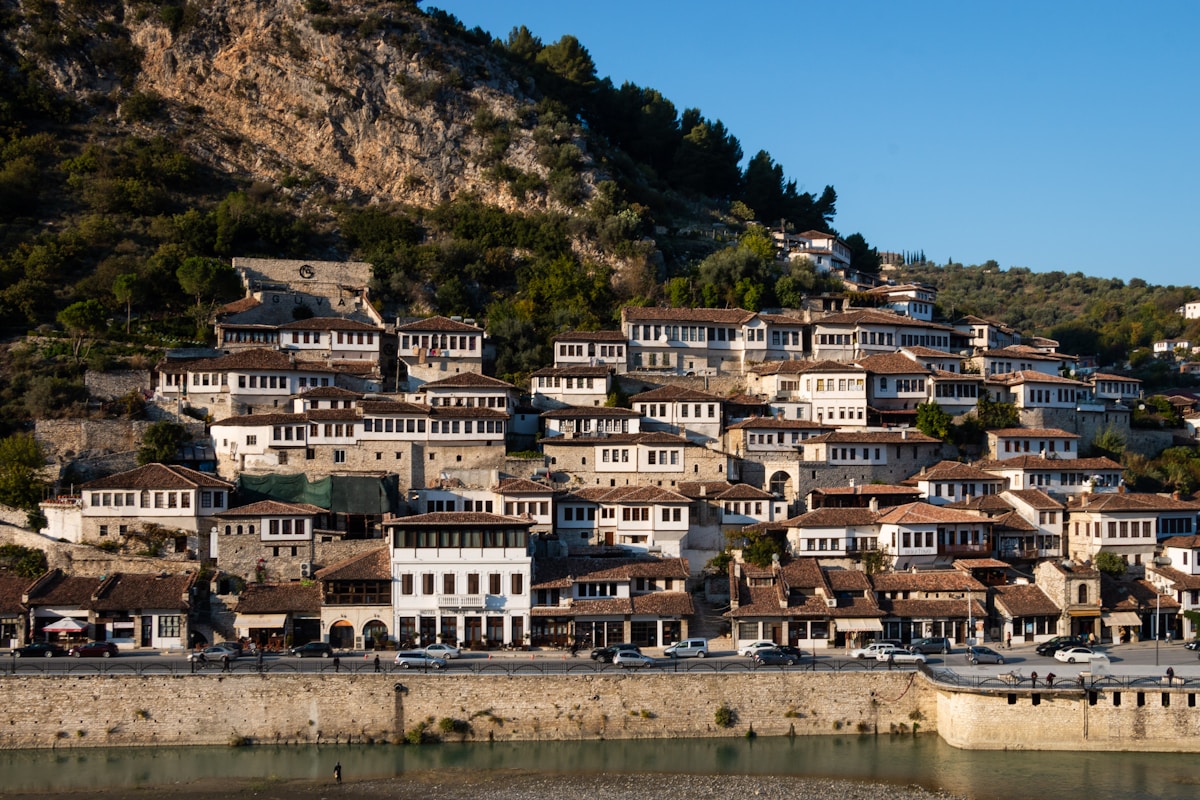
The Balkans - broadly defined as the countries of the former Yugoslavia plus Albania, Romania, Bulgaria, and Greece - offers some of Europe’s most rewarding and least crowded travel. For first-time visitors, the sheer number of countries, currencies, and border crossings can seem daunting. This guide cuts through the complexity.
Which Countries to Include
The most-visited Balkans circuit focuses on the Western Balkans:
- Slovenia - gateway country, Lake Bled, Ljubljana; technically outside the classic Balkans definition but often included in itineraries
- Croatia - Dalmatian coast, Split, Dubrovnik, Plitvice Lakes; the most developed and expensive
- Bosnia and Herzegovina - Sarajevo, Mostar; culturally distinct, excellent value
- Montenegro - Bay of Kotor, Budva; small country with dramatic scenery
- Albania - fastest-growing destination; Albanian Riviera, Albanian Alps, Tirana; outstanding value
- North Macedonia - Ohrid, Skopje; undervisited and rewarding
- Kosovo - Pristina, Prizren; the region’s newest country, very few tourists
- Serbia - Belgrade; Eastern European city break energy, excellent nightlife and food
A 2-week first-time trip typically covers Croatia + Bosnia + Montenegro. Three weeks allows you to add Albania or Serbia meaningfully.
Getting Around
Bus: The primary transport mode between cities. FlixBus connects larger cities. Local operators handle cross-border routes - buying tickets at the bus station is often easier than online.
Car hire: Transforms your trip, particularly in Albania, Montenegro’s interior, Bosnia, and North Macedonia. Check insurance terms carefully - many standard policies exclude Balkans countries. Hire a car in the Balkans through GetRentacar, which compares suppliers and confirms cross-border permissions upfront. See the car rental guide for full detail.
Ferry: Adriatic ferries connect Ancona, Bari, and Brindisi (Italy) with Split, Dubrovnik, and Bar (Montenegro). Useful for western approach without flying.
Train: Limited usefulness in the Western Balkans. The Belgrade–Bar railway is scenic but slow. Buses are faster and more practical for most routes.
Currencies and Money
The Balkans is a multi-currency zone:
| Country | Currency |
|---|---|
| Croatia | Euro (€) |
| Montenegro | Euro (€) |
| Kosovo | Euro (€) |
| Slovenia | Euro (€) |
| Bosnia | Convertible Mark (BAM) - fixed to euro at BAM 1.96 |
| Serbia | Serbian Dinar (RSD) |
| Albania | Albanian Lek (ALL) |
| North Macedonia | Macedonian Denar (MKD) |
ATMs are available in all capitals and most larger towns. Bring small amounts of each local currency for rural areas. For a full breakdown of cash, cards, and country-by-country ATM tips, see the Balkans currency guide.
Costs
The Balkans is significantly cheaper than Western Europe. See the Balkans travel costs guide for full breakdown. As a rough guide:
- Budget traveller (hostels, local food, buses): €40–60/day
- Mid-range (guesthouses, restaurants, car hire): €80–120/day
- Croatia in peak summer: add 50–70% to these figures
Safety
The Western Balkans is broadly safe for tourists. The conflicts of the 1990s are in the past - Bosnia, Kosovo, and Serbia all welcome tourists normally. Kosovo passport restrictions mean Serbian passport holders cannot enter Kosovo directly (use another border post), but this doesn’t affect Western travellers.
Road quality varies - take care on mountain roads, particularly at night in Albania and Montenegro. See our Balkans safety guide for full detail. If you are travelling alone, our solo travel guide for the Balkans covers the best solo bases, hostels, and how to meet other travellers on the road.
Border Crossings
The Balkans involves multiple border crossings on most itineraries. See the border crossings guide for what to expect, required documents, and the main crossing points between each country pair.
Planning your trip
Before you go, our Balkans visa guide covers entry requirements by passport nationality, and our Balkans packing list covers everything you need for a multi-country trip. For full route, timing, and logistics advice, see the Balkans trip planning guide.
Learn a few words before you arrive - our basic Balkans phrases guide covers the most useful phrases in Serbian/Croatian/Bosnian, Albanian, and Macedonian. If you are working remotely during your trip, the Balkans digital nomad guide covers the best bases, co-working options, and visa considerations.
Popular Balkans trip types
Plan your trip: Search flights to the Balkans · Travel insurance · Balkans eSIM via Airalo · Tours & activities