North Macedonia is the Balkans’ best-kept secret for budget-conscious retirees. It is small, landlocked, and has none of the coastline glamour of Croatia or Montenegro — but what it offers instead is genuinely compelling: Lake Ohrid (one of Europe’s oldest and deepest lakes and a UNESCO World Heritage Site), remarkably low costs, 90-day visa-free entry, and a pace of life that many retirees find deeply restorative.
Skopje, the capital, is a complex city — a mix of Byzantine churches, Ottoman bazaar, and an eccentric neoclassical building programme that has polarised observers — but it is functional, affordable, and improving. Ohrid on the lake is one of the Balkans’ most genuinely beautiful small towns.
For retirees whose priority is value for money, outdoor access, and warmth of welcome, North Macedonia deserves serious consideration.
North Macedonia at a glance for retirees
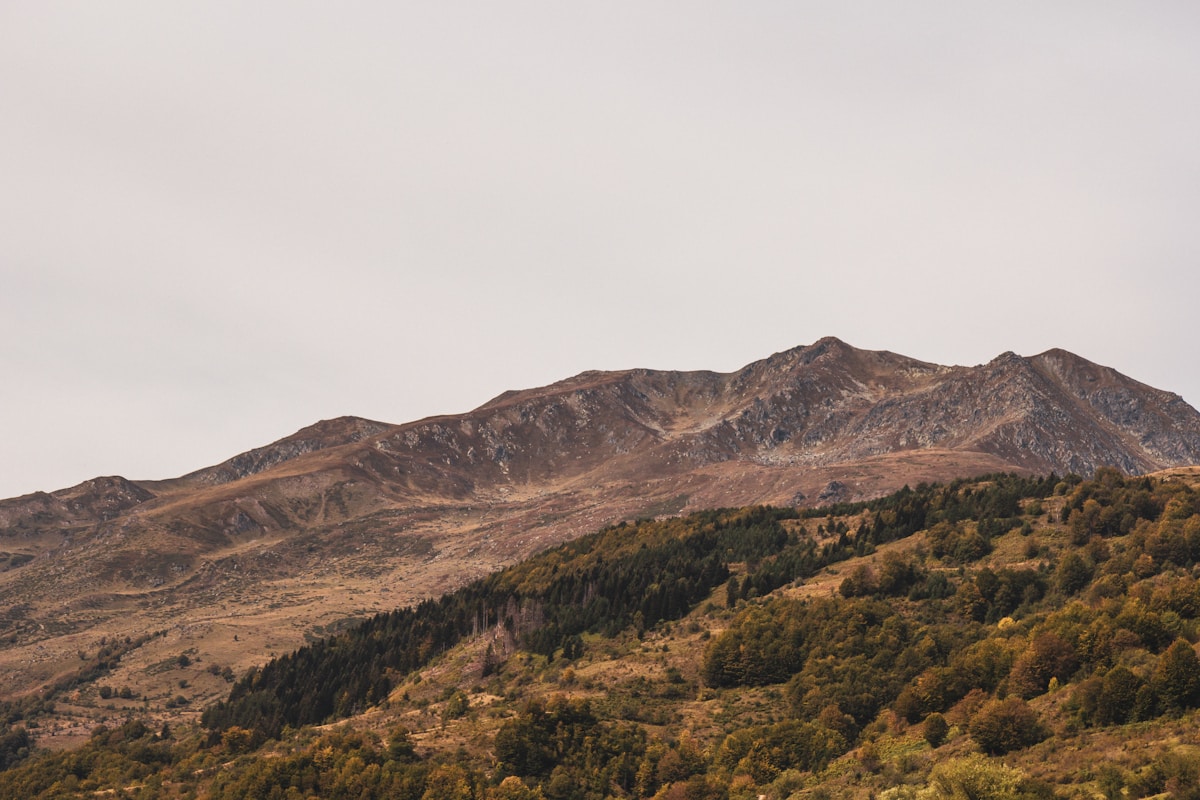
North Macedonia is a small landlocked country in the southern Balkans, bordered by Serbia to the north, Bulgaria to the east, Greece to the south, and Albania to the west. It joined NATO in 2020 and is an EU accession candidate. The country is largely mountainous, with the Šar Planina range in the northwest, the Jakupica mountains in the centre, and the Vardar River valley running through Skopje.
Key facts for retirees:
- Currency: Macedonian Denar (MKD); approximately 61–62 MKD per 1 EUR as of 2026
- Language: Macedonian (Cyrillic script); Albanian in western areas; English reasonably good among younger residents in Skopje and Ohrid
- Climate: Continental — hot summers (Skopje is one of the Balkans’ hottest capitals), cold winters; Ohrid has a more moderate microclimate due to the lake
- Time zone: CET (Central European Time) — same as Germany and Croatia
- Healthcare: Public system exists but limited; private clinics in Skopje; serious cases to Thessaloniki or Belgrade
Visa and residency options
90-day visa-free stays
EU, US, UK, Canadian, Australian, and New Zealand passport holders can enter North Macedonia and stay up to 90 days without a visa. North Macedonia is not in Schengen, so this allocation is separate from your Schengen days.
Temporary Residence Permit
For stays beyond 90 days, the standard route is the Temporary Residence Permit (Privremeno Престојување / Privremeno Prestojuvanje), issued for up to 1 year and renewable.
The main grounds relevant to retirees:
Passive income / financial self-sufficiency: Proof of sufficient foreign income — pension, investment income, rental income from abroad — to support yourself in North Macedonia. The income threshold is modest: approximately €300–500/month is generally sufficient, reflecting the low cost of living in the country.
Property ownership: Owning property in North Macedonia allows you to apply for residence on a property basis.
Requirements (as of 2026):
- Valid passport (6+ months remaining)
- Proof of accommodation (rental contract or property deed)
- Bank statements or pension documentation
- Health insurance valid in North Macedonia
- Clean criminal record (apostilled)
- Application submitted at the Ministry of Internal Affairs (MVR) in your area of residence
The process is manageable but documentation requirements can be procedurally demanding. A local lawyer (cost approximately €200–400) significantly reduces friction for a first application. The permit is renewable annually; after 5 years of continuous temporary residence, permanent residence is available.
Monthly cost of living
Skopje (capital)
| Expense | Monthly cost (approx.) |
|---|---|
| 1-bedroom furnished apartment (central/Centar district) | €350–600 |
| Utilities (electricity, water, internet) | €60–100 |
| Food (groceries + eating out 3-4x/week) | €250–380 |
| Private health insurance | €60–120 |
| Transport (bus + occasional taxi) | €30–60 |
| Total | €750–1,260 |
Skopje is one of the most affordable European capitals for long-stay living. The city has improved significantly in terms of restaurants, coffee culture, and services over the last decade. The controversially built “Skopje 2014” neoclassical monuments and fountains are genuinely divisive aesthetically, but they have also made the city centre more walkable and touristically presentable.
Ohrid (Lake Ohrid)
Ohrid is North Macedonia’s most scenic and most sought-after address for retirement — a small town of about 50,000 people on the shores of one of Europe’s oldest lakes. The old town is a UNESCO World Heritage Site, with over 365 churches within the historic area. The lake itself is extraordinary: 300m deep, 3 million years old, and rich in endemic species.
| Expense | Monthly cost (approx.) |
|---|---|
| 1-bedroom furnished apartment (near lake or old town) | €300–550 |
| Utilities | €55–90 |
| Food | €220–350 |
| Private health insurance | €60–120 |
| Transport | €25–50 |
| Total | €660–1,160 |
Ohrid is cheaper than Skopje in rental terms. The trade-off is limited services and limited healthcare access — for anything beyond routine care, the nearest adequate private clinic is in Skopje (2.5 hours) or Thessaloniki (2 hours across the Greek border).
Bitola (south-central Macedonia)
Bitola is North Macedonia’s second-largest city — a historically significant Ottoman-era town close to the Greek border, with a beautiful Sirok Sokak pedestrian boulevard, a slower pace than Skopje, and costs running 20–30% below the capital.
Monthly total: approximately €650–1,000 for a single retiree. The Greek border (Medžitlija/Níki crossing) is about 16 km away, giving access to Greek healthcare and retail.
How North Macedonia compares
| Country | Solo retiree monthly budget |
|---|---|
| North Macedonia | €700–1,100 |
| Bosnia & Herzegovina | €700–1,100 |
| Albania | €800–1,200 |
| Serbia | €800–1,200 |
| Montenegro | €900–1,400 |
| Croatia | €1,100–1,700 |
North Macedonia and Bosnia are the two most affordable retirement destinations in the Balkans. North Macedonia has the edge in scenery (Lake Ohrid) and simplicity of daily life; Bosnia has the edge in cultural richness and Sarajevo’s cosmopolitan character.
Healthcare
Healthcare is the most important constraint on retiring in North Macedonia. The honest picture:
Public healthcare: The public system exists but is significantly under-resourced and not recommended as a primary source of care for expat retirees.
Private clinics in Skopje: Skopje has a reasonable private clinic sector that handles GP consultations, common specialist appointments, and minor procedures:
- GP consultation: approximately €15–30
- Specialist consultation: approximately €30–60
- Dental cleaning: approximately €20–40
- Blood panel: approximately €20–45
Prices are among the lowest in the Balkans.
Cross-border healthcare: North Macedonia’s proximity to both Thessaloniki (Greece) and Niš or Belgrade (Serbia) is a significant practical asset. Thessaloniki — approximately 2 hours from Skopje by road — has good private hospitals and is the most common destination for North Macedonian residents seeking higher-level care. EU citizens can use their EHIC in Greece.
For Ohrid and Bitola, Thessaloniki is actually the more practical healthcare destination than Skopje.
Health insurance is essential both for the residence permit application and for practical care. International plans valid in North Macedonia (and ideally covering Greece for cross-border treatment) cost approximately €60–120/month. Get health insurance before arriving.
Best places to retire in North Macedonia
Ohrid
Our top recommendation. Ohrid is one of the Balkans’ most genuinely beautiful places to live — a lakeside town with a medieval old town, active monastery culture (Saint Naum Monastery on the southern shore is extraordinary), excellent fresh fish from the lake, and a pace of life that feels remarkably calm by European standards. The summer tourist season (July–August) is busy, but outside those months, Ohrid has a quiet contemplative quality. Suits retirees who prioritise scenery, outdoor access, and cost over urban services.
Skopje
The practical choice for retirees who want city infrastructure — services, private clinics, restaurants, cultural life, and transport connections including direct flights to several European cities. Skopje is never going to be a beautiful city in the conventional sense, but it works well for daily life and has a genuinely warm social culture. Best for retirees who need urban facilities and don’t want to depend on cross-border healthcare.
Bitola
The most character-rich city in North Macedonia beyond Ohrid. Bitola’s Sirok Sokak is one of the most pleasant boulevards in the Balkans, the café culture is excellent, and the proximity to Greece (Thessaloniki is 2.5 hours by road) makes healthcare logistics far more manageable than from more northern locations. Very affordable. Recommended for retirees who want Ottoman-era character and a slow pace without Ohrid’s tourist season pressures.
Struga (Lake Ohrid, southern shore)
Struga is a smaller town on Lake Ohrid at the point where the lake drains into the Black Drin River. It is quieter and cheaper than Ohrid town itself — a genuine small-town experience, with easy access to the lake. Best for retirees who want even deeper immersion in lake life at the lowest possible cost.
Practical considerations
Banking: North Macedonia does not use the euro. Opening a local bank account requires a residence permit. Before then, Wise and Revolut cards work at local ATMs with reasonable fees. Local banks include NLB Tutunska Banka, Stopanska Banka, and Komercijalna Banka.
Language: Macedonian uses Cyrillic script. Unlike Serbian, there is little Latin-script parallel usage in everyday life. Learning to recognise the Cyrillic alphabet is genuinely useful. In Ohrid and Skopje’s tourist areas, English is sufficient for daily needs; in smaller towns and with older residents, it is more limited.
Mobile and internet: Mobile coverage is reasonable in urban areas and tourist areas around Ohrid; rural and mountain areas can be patchy. Operators: Telekom MKD, A1 Macedonia, Lycamobile. Monthly plans: approximately €6–15. Fixed broadband: €15–25/month. eSIM for the Balkans works immediately on arrival.
Safety: North Macedonia is safe and consistently one of the less-mentioned safety concerns for Balkan travellers. Petty crime is low; the main practical consideration is road safety, particularly on mountainous roads.
Driving: Highly recommended for accessing Ohrid, Bitola, and rural areas. North Macedonia drives on the right. The main road network connects Skopje to Ohrid (2.5 hours), Bitola (2 hours), and the Serbian and Greek borders. Roads have improved but secondary roads can be slow.
Taxes for foreign retirees
North Macedonia has a flat 10% personal income tax rate. Under most double taxation treaties, foreign pension income is not subject to Macedonian tax for non-residents — the pension is taxed in the source country. North Macedonia has DTAs with the UK, Germany, France, the Netherlands, and other major countries.
US citizens should note that the US-North Macedonia DTA governs their situation; the interaction with US FBAR and FATCA requirements is a complexity worth professional advice.
Tax residence in North Macedonia is triggered by 183+ days in the country per year.
Summary: is North Macedonia right for you?
North Macedonia is best suited to retirees who:
- Want exceptional value for money — among the lowest monthly costs in the Balkans
- Are drawn to Lake Ohrid as a retirement backdrop — genuinely one of Europe’s most beautiful lake settings
- Are comfortable with limited local healthcare and willing to use Thessaloniki or Skopje for more than routine care
- Value a slower, less internationally connected lifestyle
North Macedonia is less suited to retirees who:
- Need robust healthcare within easy reach at all times
- Want a large established Anglophone expat community
- Prefer EU membership and Schengen travel (Croatia or Bulgaria are better fits)
See also
- North Macedonia travel guide
- Ohrid guide
- Skopje guide
- Cost of living in the Balkans
- Retire in Bulgaria
- Retire in Serbia
- Retire in Albania
- Balkans visa guide
Useful links: Health insurance for North Macedonia · Flights to North Macedonia · eSIM for North Macedonia · Hotels in Skopje · Hotels in Ohrid · Tours in North Macedonia · Car hire in North Macedonia