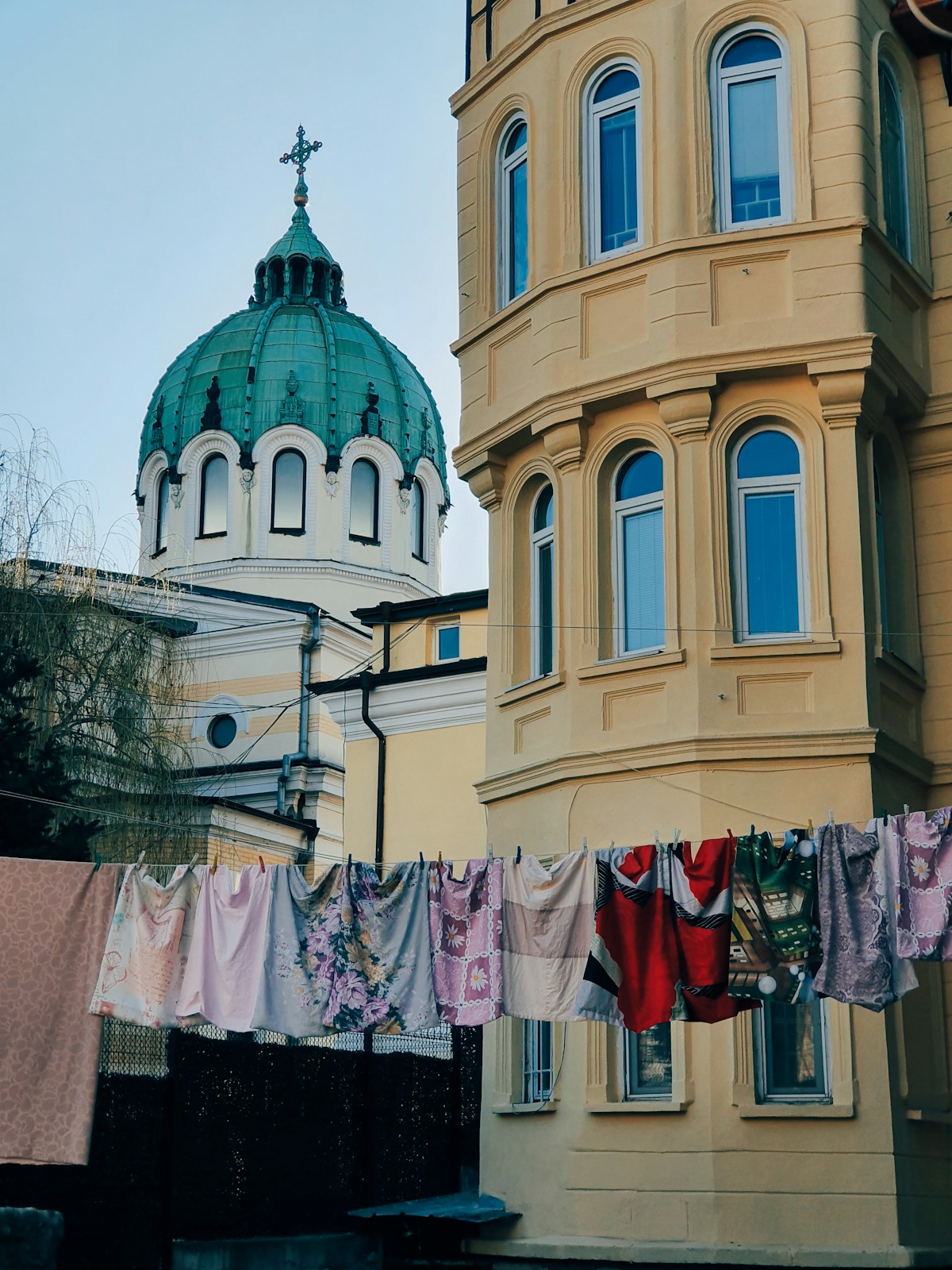
Belgrade and Bucharest attract the same type of traveller — someone who wants a European city break without the crowds and prices of Prague, Vienna, or Lisbon. Both capitals are affordable, historically layered, and increasingly well-connected to the rest of Europe. But they feel genuinely different on the ground, and the right choice depends on what kind of city break you are actually after.
At a Glance: Belgrade vs Bucharest
Belgrade is Serbia’s capital and the larger of the two cities, with around 1.7 million people in the metropolitan area. It sits at the confluence of the Sava and Danube rivers, and its old fortress district — Kalemegdan — looks out over both. The city has a reputation that precedes it: for the nightlife, for the food, for the raw energy of a place that has been repeatedly rebuilt and refuses to slow down.
Bucharest is Romania’s capital and EU member since 2007. It is a city of contrasts — Ceaușescu’s vast Palace of the Parliament (the second-largest building in the world by floor space) sits alongside French-influenced 19th-century townhouses, Orthodox churches, and a growing creative district in Floreasca and the Old Town. The European infrastructure is a genuine practical benefit for travellers who want familiar banking, transport apps, and medical coverage.
Neither is a small city. Both repay at least three full days.
Cost Comparison
Neither Belgrade nor Bucharest will punish your budget the way Paris or Copenhagen will, but there are real differences worth knowing.
Accommodation: Comparable. Belgrade hostels start from €12 per night for a dorm; Bucharest from €13–15. Mid-range hotels in both cities run €50–80 for a central double. Bucharest tends to have more international chain options (Ibis, Radisson) at the upper mid-range.
Food: Belgrade edges it. A three-course dinner with wine at a decent Belgrade restaurant runs €15–20 per person. The same meal in Bucharest costs €18–25. Street food — Belgrade’s ćevapčići and burek, Bucharest’s covrigi and mici — is similarly priced and excellent in both.
Drinks: Belgrade wins clearly. A beer at a kafana (traditional Serbian tavern) costs €1.50–2. Bucharest’s craft beer scene has pushed prices up — expect €2.50–4 at a bar, more at a club. For long nights out, this adds up fast.
Transport: Bucharest has a metro; Belgrade does not yet (construction ongoing for 2027–2028 delivery). Getting around Belgrade means trams, buses, and taxis. Bucharest’s metro is cheap (around €0.50 per ride) and covers most visitor areas. Both cities are walkable in the centre.
Day trips: Bucharest wins on logistics. Sinaia (mountain resort, 1.5 hours by train, from €5), Brasov and the wider Transylvania circuit (2.5 hours, from €8), and Peles Castle are among the best day trips in Eastern Europe. Belgrade’s day trips — Novi Sad (1.5 hours, from €4), Sremska Mitrovica, and the Fruška Gora national park — are excellent but less cinematically dramatic.
History and Architecture
Both cities took serious damage in the 20th century. Belgrade was bombed in World War II and again during NATO’s 1999 campaign; Bucharest was transformed by Ceaușescu’s urban clearance programme in the 1980s, which demolished entire medieval districts to build his vision of socialist grandeur.
Belgrade’s history is visible in the layers at Kalemegdan — Celtic, Roman, Byzantine, Ottoman, Habsburg, and Austro-Hungarian fortifications stacked on one hill. The Skadarlija cobbled quarter evokes the 19th-century Bohemian Belgrade. St. Sava Temple, one of the largest Orthodox churches in the world, dominates the skyline from Vračar hill.
Bucharest’s architecture spans extraordinary range. The Palace of the Parliament is genuinely unmissable — you can tour the interior for approximately €15, and the scale is staggering. The Floreasca and Dorobanți neighbourhoods have a French boulevard feel that earned Bucharest the early 20th-century nickname “Paris of the East.” The Village Museum (Muzeu Satului) on the shore of Herăstrău Lake is one of Romania’s finest open-air collections, with traditional buildings transplanted from across the country.
Verdict: if architecture and monumental history are your priority, Bucharest has a slight edge. If you prefer a grittier, more organically accumulated sense of place, Belgrade delivers.
Food and Drink
Belgrade’s food culture is meat-forward, convivial, and cheap. The kafana is the essential institution — a traditional Serbian tavern with live music, grilled meats, and an expectation that you will stay for several hours. Specialities worth ordering: ćevapčići (minced meat rolls with ajvar pepper relish), pljeskavica (a grilled beef-and-pork patty, sometimes stuffed), and roštilj platters for the table. Kafana Znak Pitanja (”?” Café), operating since 1823, is the city’s oldest. Skadarlija street has the highest concentration of traditional restaurants in the centre.
Bucharest’s food scene has evolved quickly since EU accession. The Old Town (Centrul Vechi) is the obvious option but slightly touristy; the Floreasca area has better neighbourhood restaurants. Romanian specialities to try: sarmale (stuffed cabbage rolls with pork and rice), mici (grilled skinless sausages, eaten with mustard), and papanași (fried doughnuts with sour cream and jam). The craft beer movement is strong in Bucharest — Ground Zero and Vama Veche are two respected local breweries with bars.
Nightlife
This is Belgrade’s clearest win. The splavovi — floating bars and clubs moored on the Sava and Danube rivers — operate on a scale that surprised most visitors the first time they encounter it. Dozens of boats, ranging from intimate bars to 2,000-capacity clubs, run from Thursday night through Sunday morning. Mr. Stefan Braun and Freestyler are among the most famous long-running splavovi. In summer, boat parties take over the river.
Beyond the river: Savamala, the old warehouse district by the Sava, is Belgrade’s answer to Berlin’s Mitte — studios, galleries, restaurants, and a cluster of bars that run well past sunrise. The Exit music festival in Novi Sad (roughly an hour from Belgrade) draws 200,000+ each July and is one of Europe’s best festival experiences for the price.
Bucharest is not quiet after dark. The Old Town concentrates bars and clubs in a small area, which suits short-stay visitors. Berăria H (a beer garden with 3,000 seats) is a summer institution. The Control Club and Expirat are stalwarts of the underground scene. But the prices are higher and the atmosphere is less singular than Belgrade.
Practicalities
Getting there: Both cities have direct budget flight connections from most Western European airports. Wizz Air is dominant in Bucharest; Air Serbia connects Belgrade to European hubs. Prices from London or Amsterdam typically run €30–80 each way with enough advance booking.
Visa and currency: Romania uses the Romanian leu (RON), not the euro, despite EU membership — budget accordingly. Serbia uses the Serbian dinar (RSD). Neither takes euro payments widely outside of tourist areas, so cash management matters.
Language: Serbian is a South Slavic language using both Cyrillic and Latin script. Romanian is a Latin-based language closer to Spanish or Italian than to its Slavic neighbours. English is widely spoken in both cities among under-40 locals, especially in hospitality.
Safety: Both are safe by European standards. Standard urban precautions apply. Belgrade’s Savamala and Skadarlija and Bucharest’s Old Town are well-policed and tourist-friendly. Pickpocketing risk is low in both, though slightly elevated in Bucharest’s Old Town on busy nights.
The Verdict
Choose Belgrade if you want the best nightlife in the region, the cheapest drinks and food in Eastern Europe, and an intense, charismatic city energy that is hard to find anywhere else at this price. Belgrade rewards those who stay up late, eat well, and spend time in the kafanas.
Choose Bucharest if you want EU-standard infrastructure, a more diverse architectural landscape, access to some of Eastern Europe’s best day trips (Transylvania, Sinaia, the Prahova Valley), and a capital city that feels slightly more polished and visitor-ready.
Both are worth visiting — and combining them in one trip, perhaps with Novi Sad or Timișoara en route, is the best version of this itinerary. The bus between them is easy and cheap, and you will feel the shift in character the moment you cross the border.
See also: Bosnia vs Serbia · Sofia vs Belgrade · Bulgaria vs Romania · Balkans Comparison Guide
Plan your trip: Tours in Belgrade · Tours in Serbia · Tours in Romania · Car hire · Travel insurance · eSIM · Search flights
🏨 Hotels in Belgrade — Hotels in Serbia — Hotels in Romania — Hotels in Bucharest