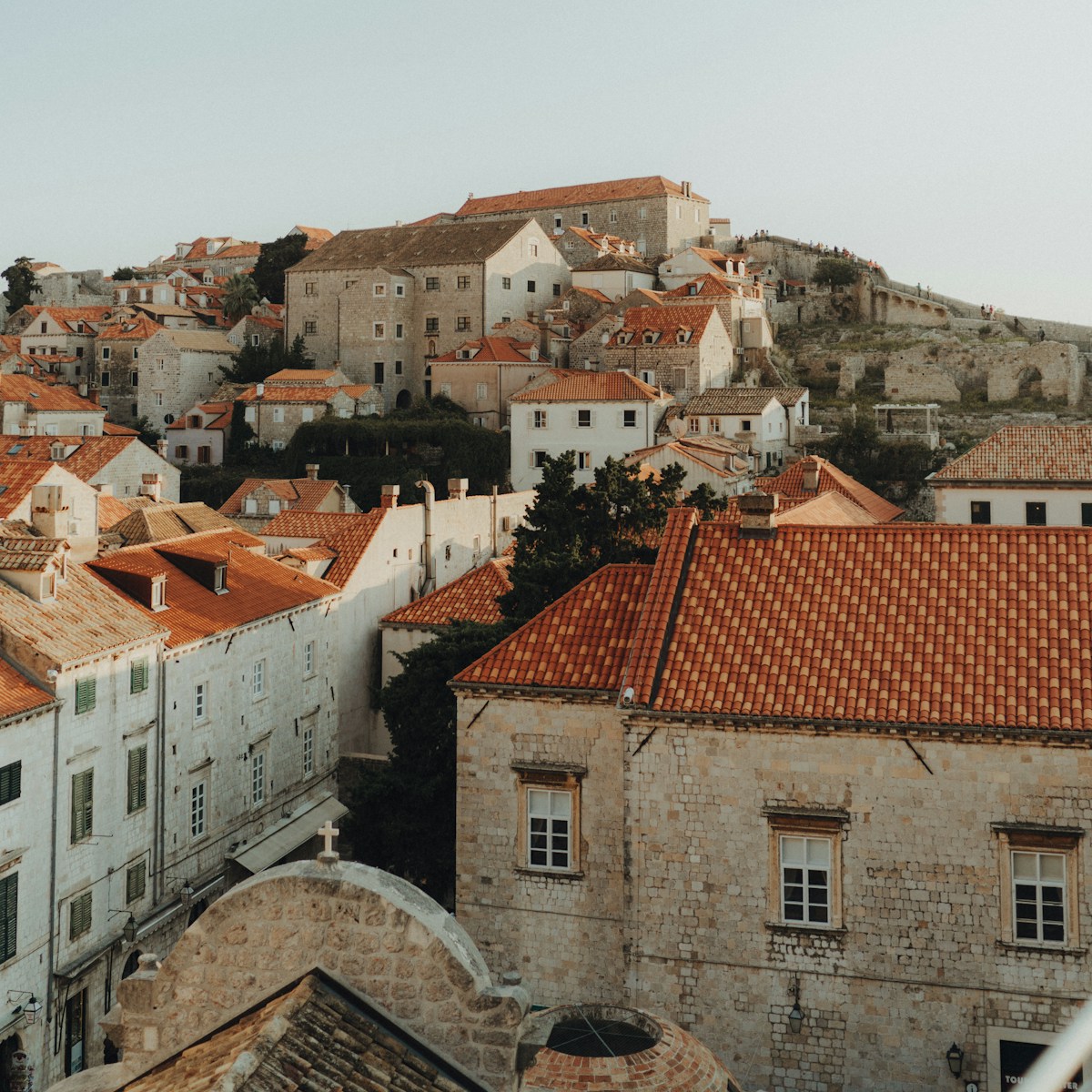
Split to Dubrovnik is the standard Dalmatian coast journey, and the bus is how most independent travellers make it. The route follows the Adriatic highway past Makarska and the Neretva delta, and it is the most frequent intercity link between the two biggest tourist cities on the Croatian coast. See our Dubrovnik vs Split comparison if you are still choosing a base.
Operators, Times and Fares
Around six operators work the route, including FlixBus, Arriva, Autotrans and Promet Makarska, with 20 or more departures a day in summer. Departures leave from Split bus station by the ferry port and arrive at Dubrovnik bus station in Gruž.
| Detail | Bus |
|---|---|
| Journey time | approx. 4 to 5 hours |
| Fare | approx. €20 to €30, as of 2026 |
| Frequency | 20+ daily in summer |
| Luggage | Usually €1 to €2 extra for the hold |
Check live timetables on FlixBus{target=“_blank”} or compare options on Omio. Book ahead for July and August morning departures.
The Neum Corridor and Border
Bosnia and Herzegovina touches the Adriatic for about 20 km at Neum, which splits Croatia in two. Buses that cross it stop at the border twice: out of Croatia (Schengen), through Neum, and back in. Wait times are usually short but can reach 30 to 60 minutes on summer weekends, and non-EU passport holders may face extra entry/exit registration. The Pelješac bridge, opened in 2022, lets traffic skip the corridor, and some services use it, so check the route when you book. Bring your passport either way. Details on documents are in our border crossings guide.
Private Transfer
A private car takes about 3.5 to 4 hours with stops and costs roughly €180 to €280 one way, as of 2026. A private transfer can pause at Ston for oysters and the walls, or at Pelješac wineries. For a group of four it often costs about the same per person as a good bus ticket plus a Gruž taxi.
Ferry and Other Options
Seasonal fast ferries run between Split and Dubrovnik via Hvar and Korčula, taking 4.5 to 5.5 hours at about €46 and up. They are slower and pricier than the bus but scenic. Our Croatia ferry guide explains the lines. There is no practical direct rail service.
Tips
- Sit on the right-hand side heading south for coast views.
- Pay attention to Gruž versus Old Town: a local bus or taxi covers the last 3 km, roughly €1.80 to €15 depending on mode.
- If you want a stop along the way, Split tours can combine Trogir and Krka before you move on.
When to Choose Which
| Option | Cost (as of 2026) | Time | Best for |
|---|---|---|---|
| Bus | approx. €20 to €30 | 4 to 5 hours | Budget travellers |
| Private transfer | approx. €180 to €280 per car | 3.5 to 4 hours | Groups, stops en route |
| Fast ferry | from approx. €46 | 4.5 to 5.5 hours | Seasonal island-hopping |
Morning buses before 09:00 are the quietest, while Friday and Sunday afternoons are the busiest. If you have a flight out of Dubrovnik, aim to arrive the evening before instead of taking a same-day bus, since coastal traffic in July and August can add an hour. Buses usually allow one suitcase in the hold and a small bag on board.