Your honest guide

Your honest guide to the Balkans.

In-depth travel guides to the Balkans: Albania, Croatia, Montenegro, Bosnia, Serbia, North Macedonia, and Slovenia.

Explore

Countries

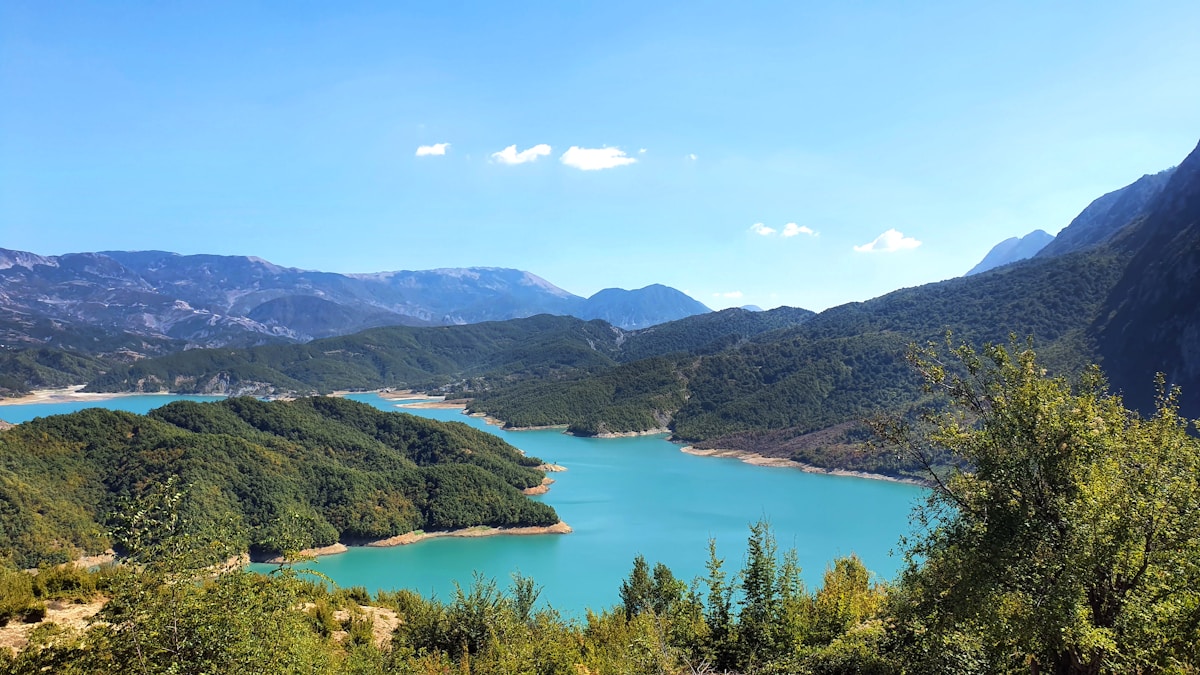
Turquoise Lake Bovilla surrounded by Albanian mountains
Country Guide

Albania Travel Guide: Best Places, Costs, Transport

Albania travel guide - Tirana, Berat, Gjirokaster, and the Albanian Riviera covered with transport options, daily costs, and best time.
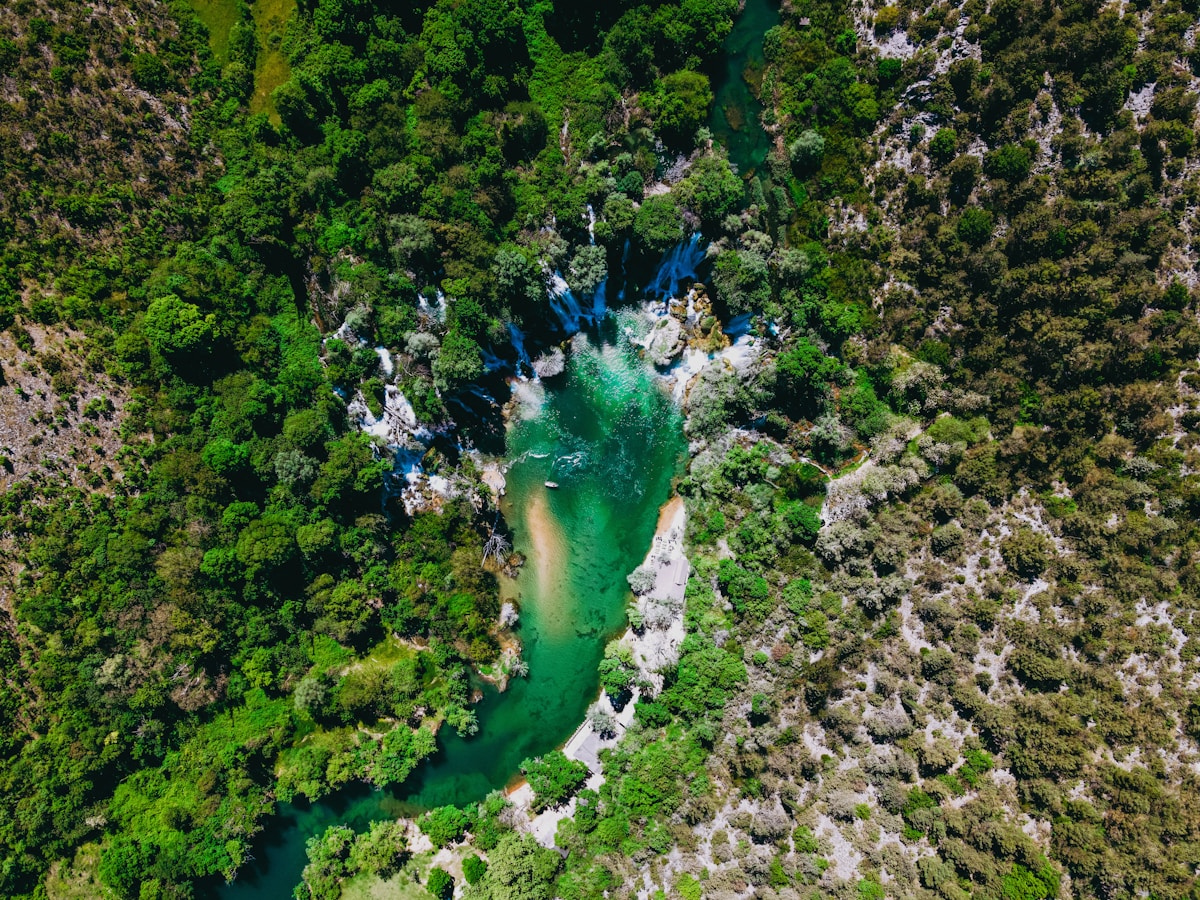
A forested river valley in Bosnia and Herzegovina
Country Guide

Bosnia & Herzegovina Travel Guide: Sarajevo, Mostar & Kravica Falls

Bosnia and Herzegovina travel guide: Sarajevo, Mostar, Kravica, Blagaj, and Kravice covered with transport, daily costs, and practical trip.
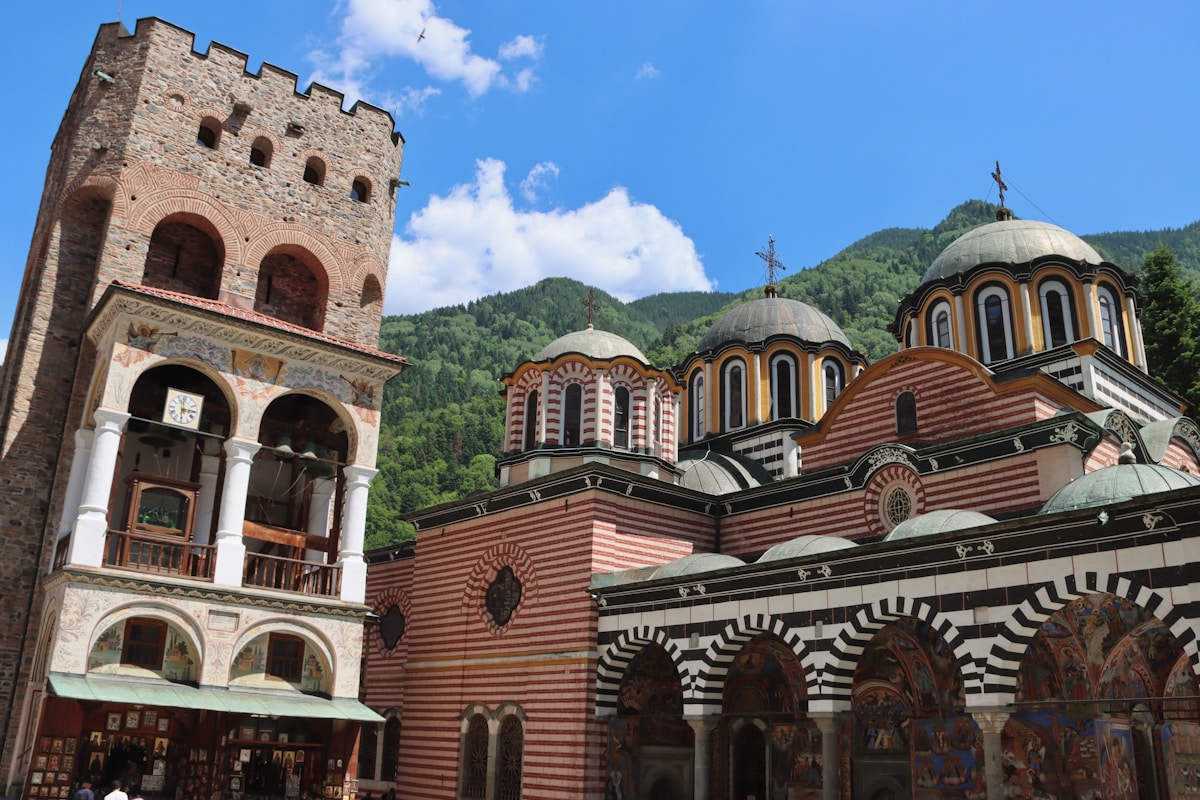
Rila Monastery, Bulgaria's most iconic medieval Orthodox monastery
Country Guide

Bulgaria Travel Guide: Best Places to Visit

Bulgaria travel guide: Sofia, Plovdiv, Rila Monastery, and the Black Sea coast. Transport, entry costs, visa rules, and highlights all covered.
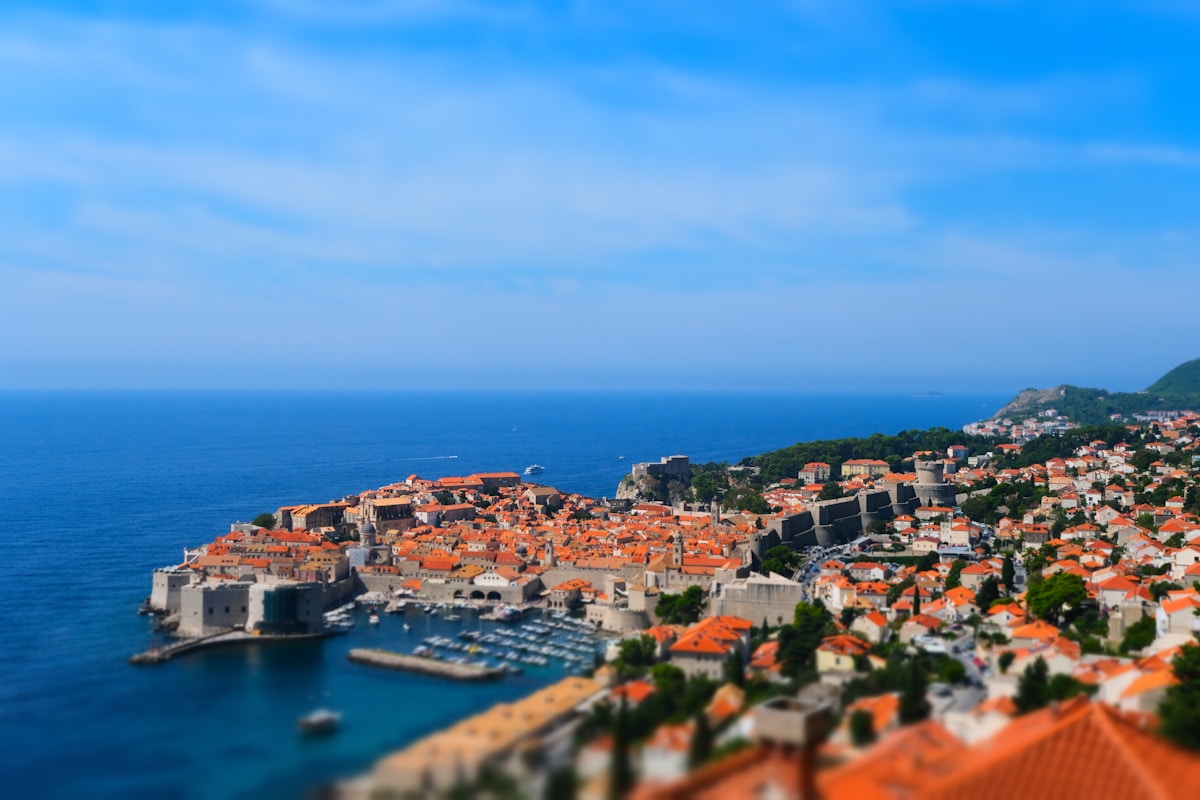
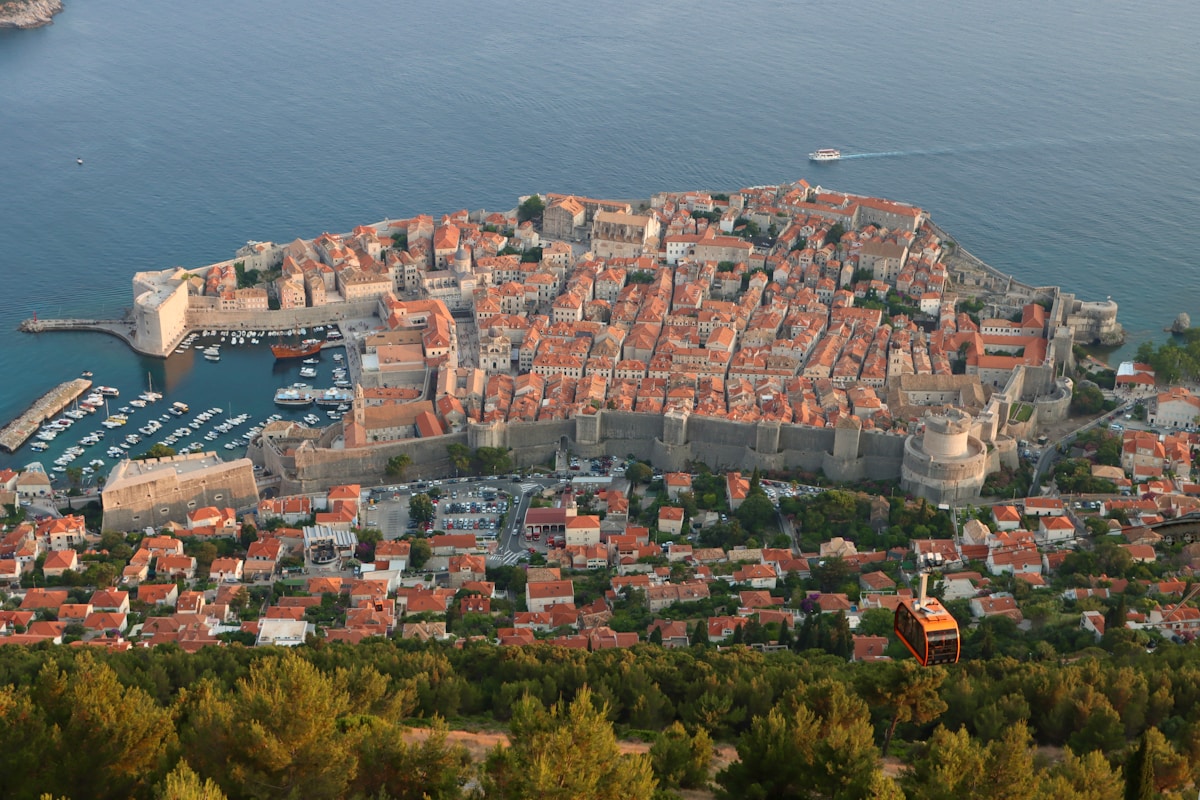
Aerial view of Dubrovnik old city on the Adriatic, Croatia
Country Guide

Croatia Travel Guide: Dubrovnik, Split, Istria

Croatia travel guide: Dubrovnik walls, Split's Diocletian's Palace, Plitvice Lakes, Hvar, and Rovinj with transport, costs, and itinerary.
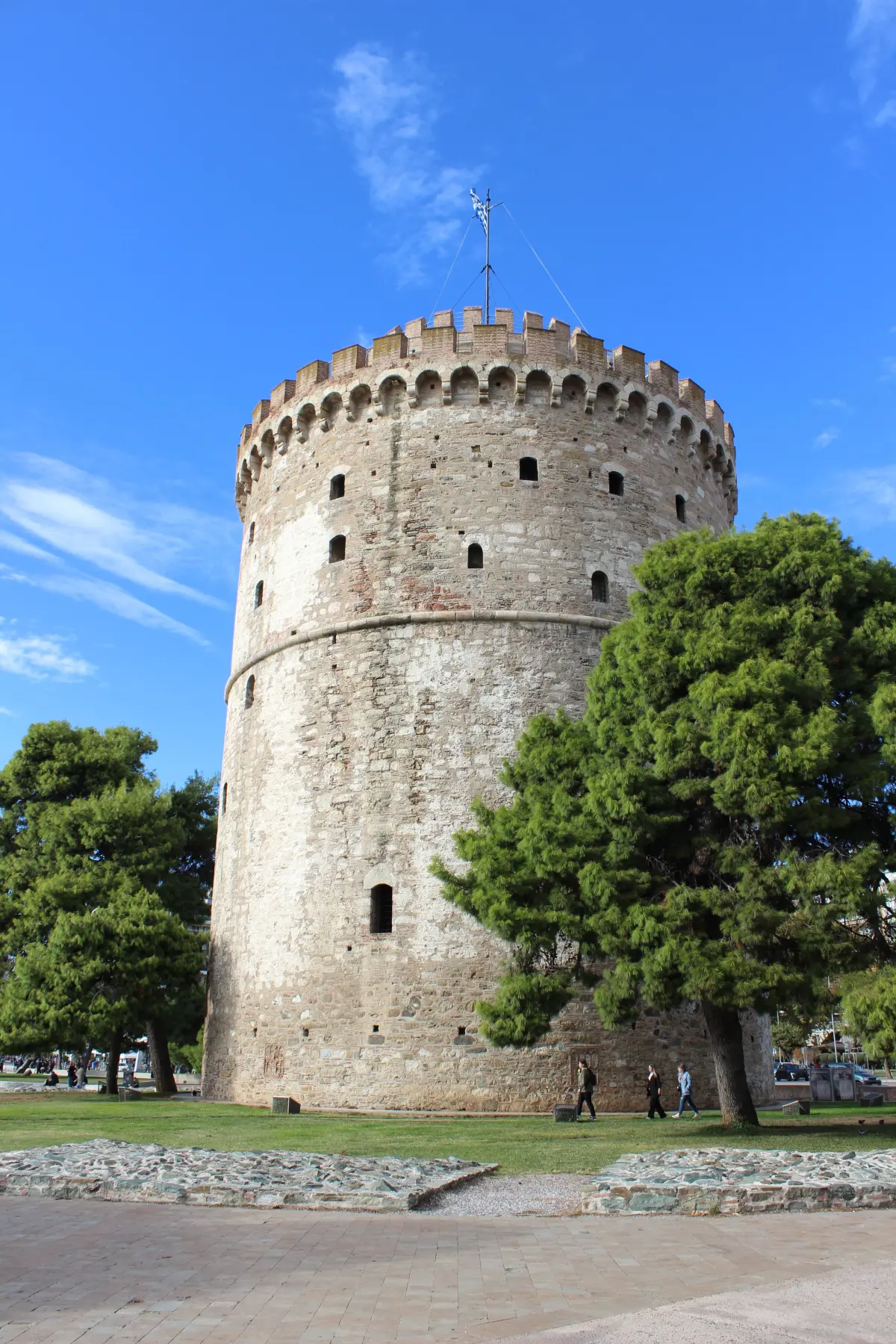
The White Tower of Thessaloniki on the waterfront, Greece
Country Guide

Greece Travel Guide: Thessaloniki, Corfu, and Beyond

Greece from a Balkans base: Thessaloniki, Corfu from Saranda, ancient sites, and the best entry points for pairing Greece with a Balkans trip.
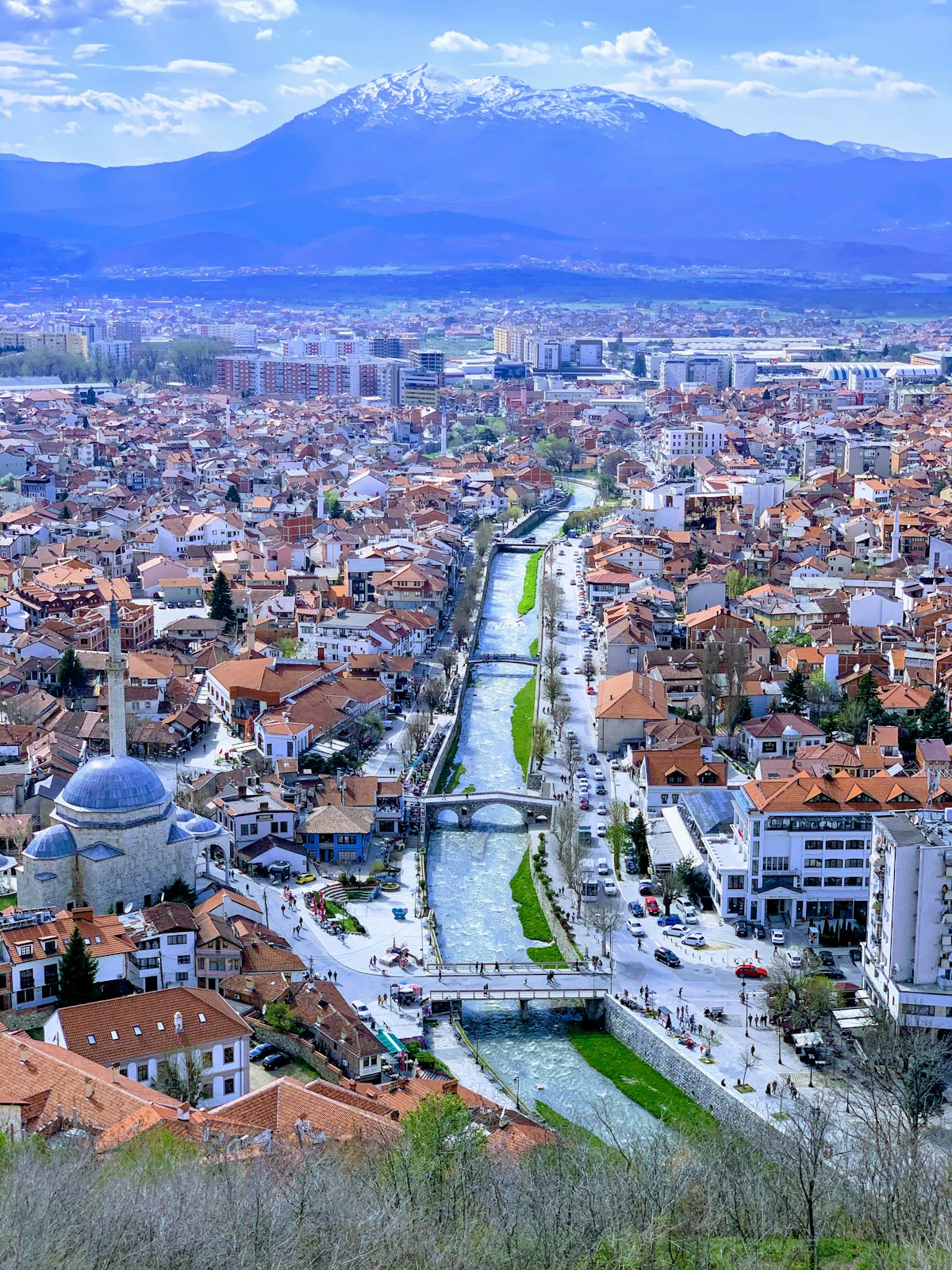
Aerial view of Prizren with the Sinan Pasha Mosque and the Bistrica River
Country Guide

Kosovo Travel Guide: What to Know Before You Visit

Kosovo travel guide: Pristina, Prizren, the Accursed Mountains, border crossings, and the stamp issue - everything for planning a first visit.
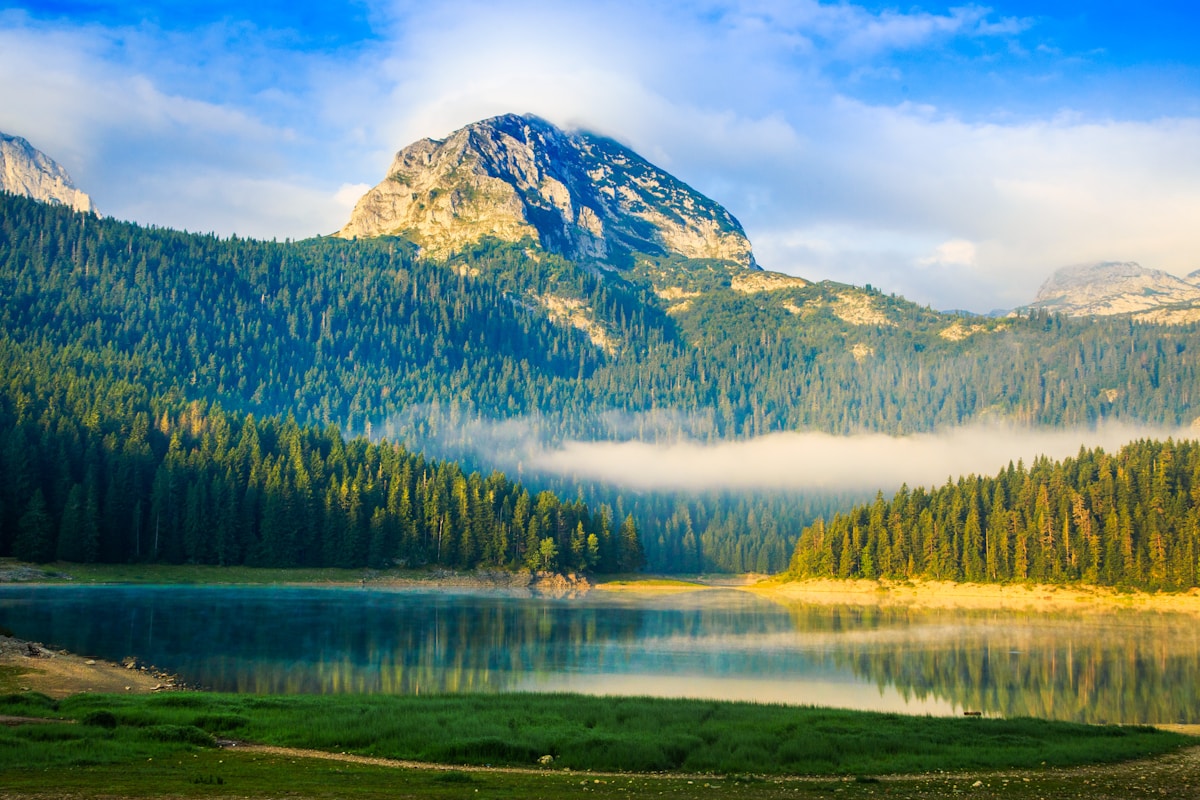
Mountain lake in Durmitor National Park, Montenegro
Country Guide

Montenegro Travel Guide: Kotor, Budva, Durmitor

Montenegro travel guide: Bay of Kotor, Budva, Durmitor National Park, Perast and Ulcinj - with transport, costs and where to stay.
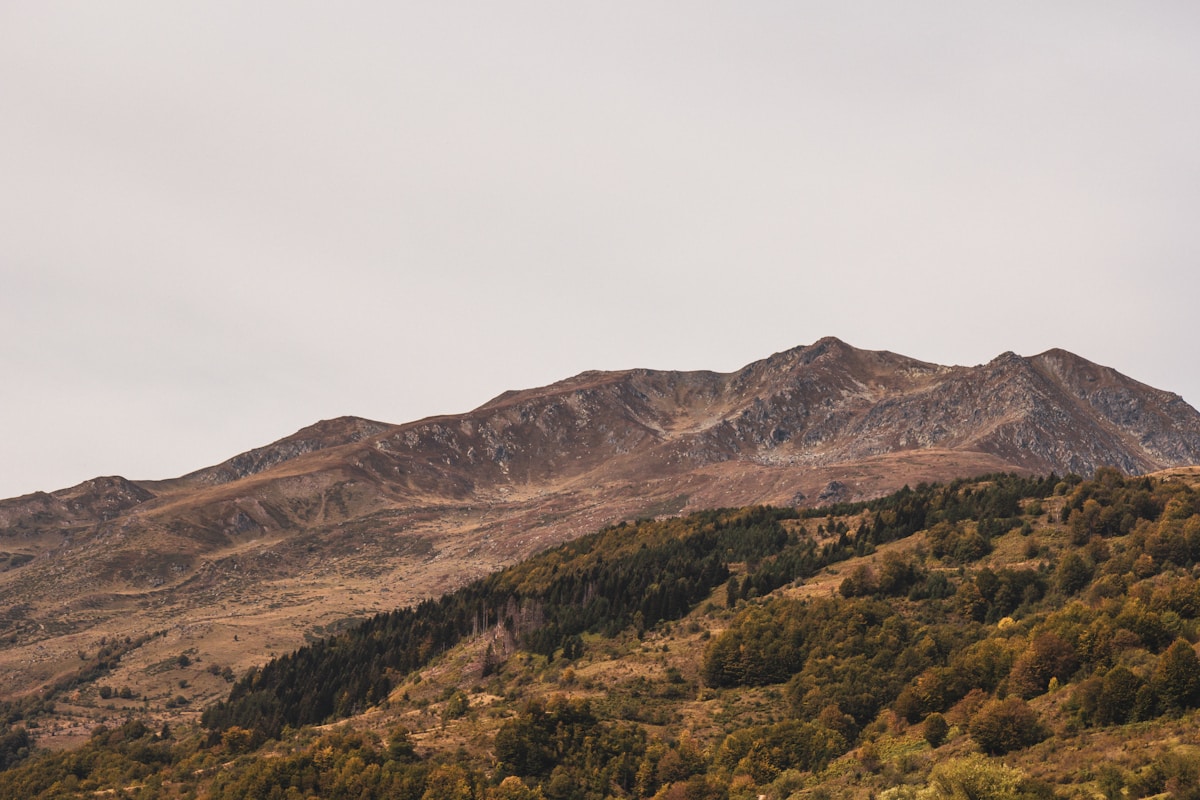
Mountain and forest landscape in North Macedonia
Country Guide

North Macedonia Travel Guide: Skopje, Ohrid & Trip Planning

Plan your trip to North Macedonia: Skopje, Ohrid, Lake Ohrid, and Matka Canyon covered with transport, daily costs, and practical trip.
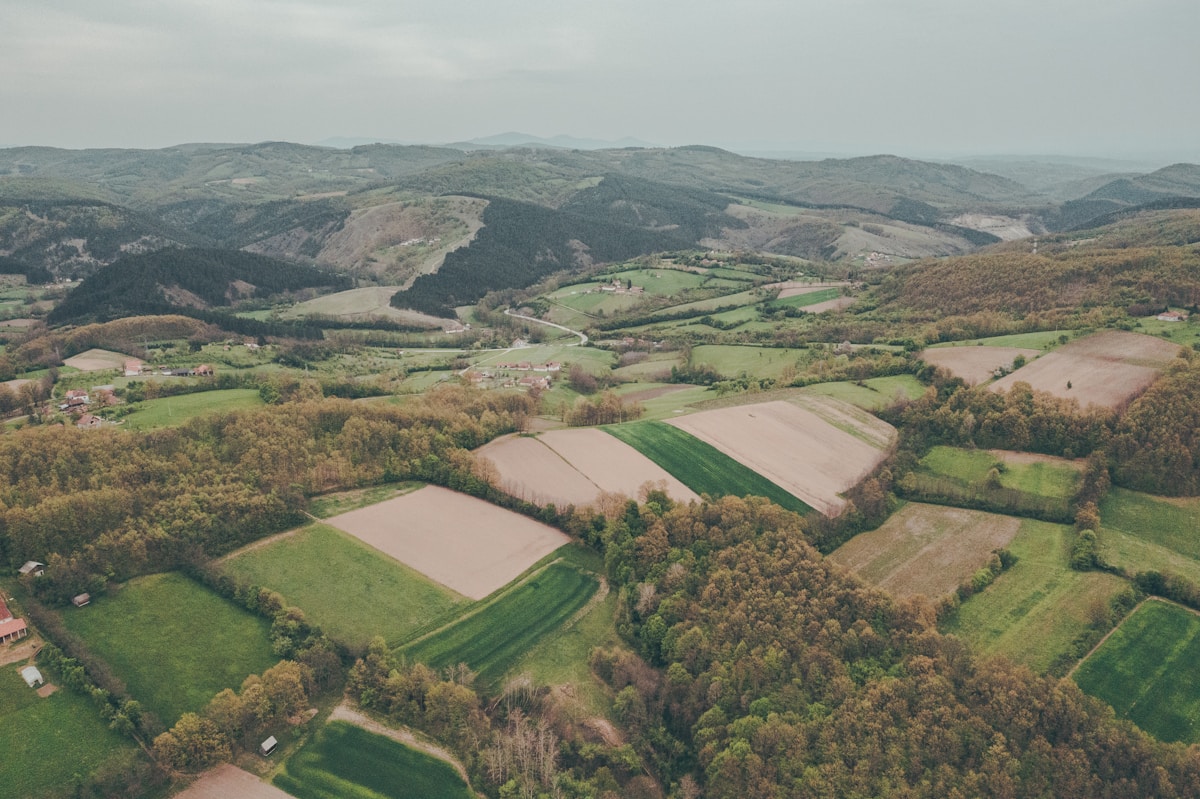
Green countryside landscape in Serbia
Country Guide

Serbia Travel Guide: Best Things to Do, Cities

Serbia travel guide: Belgrade fortress, Novi Sad EXIT Festival, Uvac Canyon, and Zlatibor mountain hikes. Costs, transport and visa info.
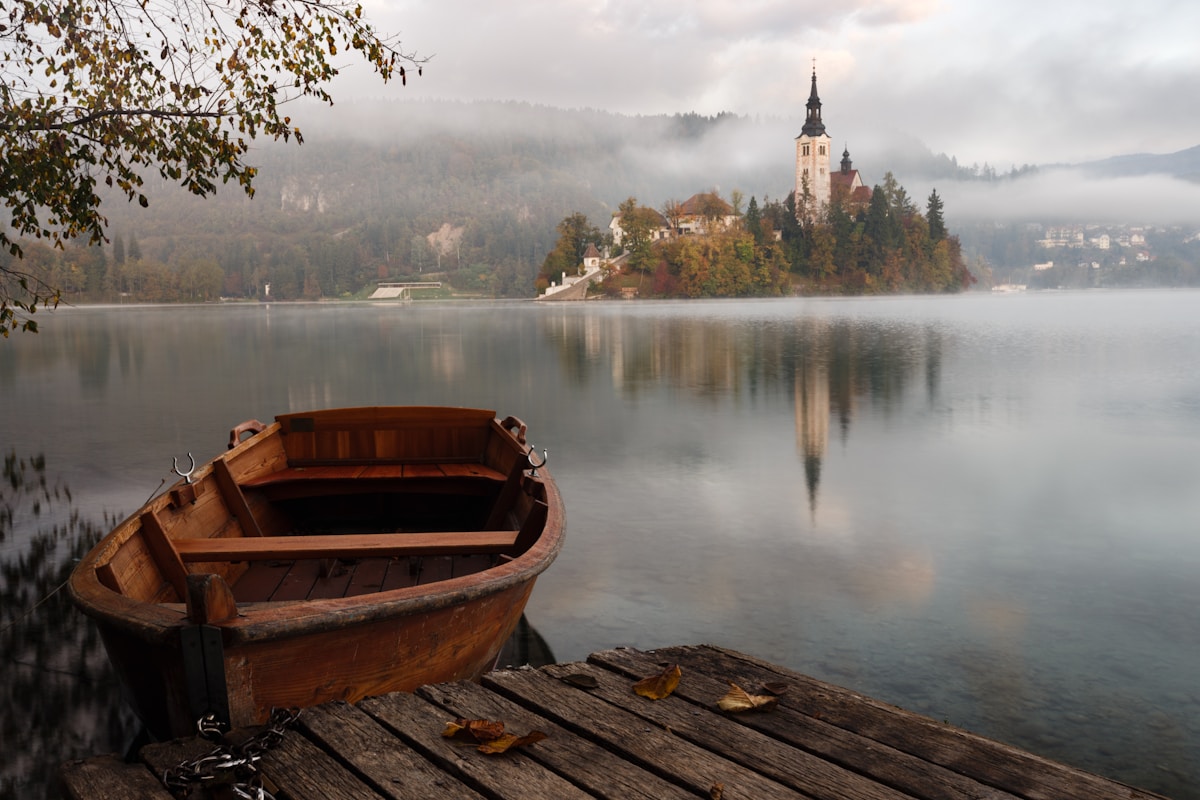
A rowing boat on Lake Bled at dawn, Slovenia
Country Guide

Slovenia Travel Guide: Ljubljana, Lake Bled & Trip Planning

Plan your trip to Slovenia: highlights, regions, Lake Bled, Ljubljana, and Triglav covered with transport, costs, and practical travel planning.

View all countries β†’

Trip planning

Itineraries

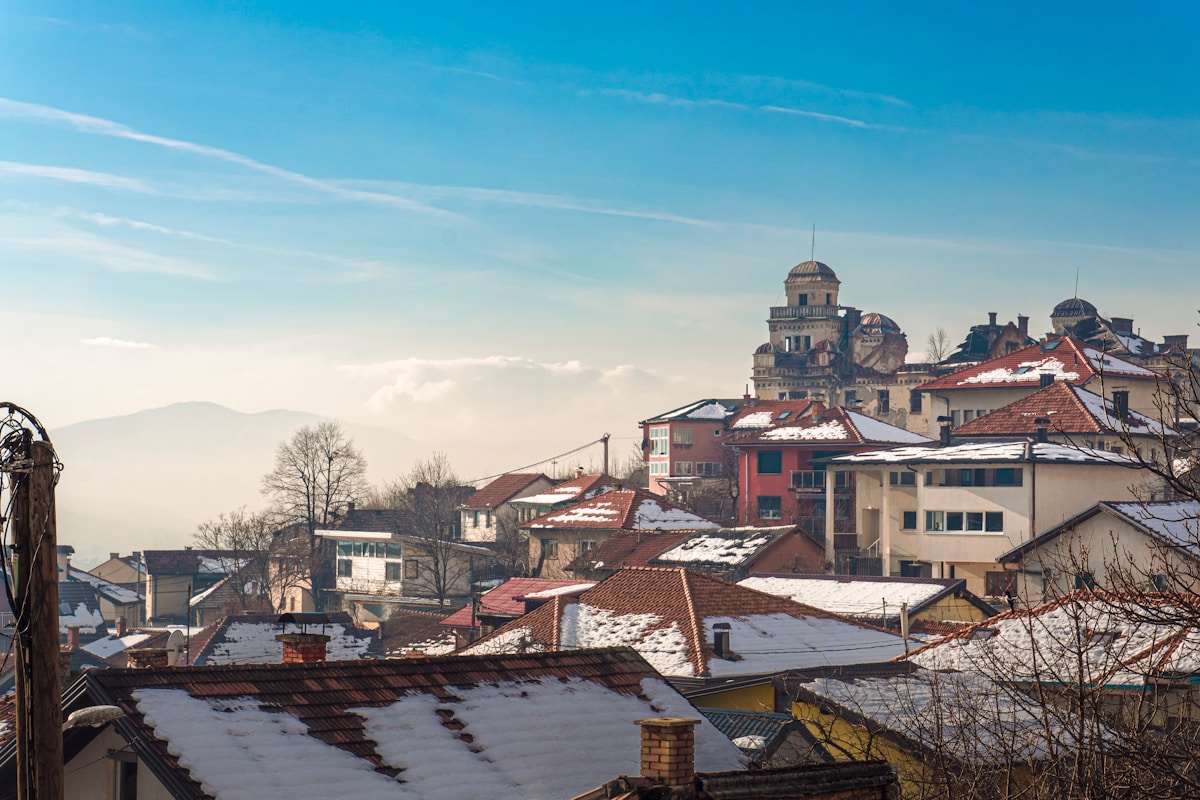
Snow-dusted rooftops and evening lights in a Balkan city centre during December
Itinerary

Balkans in December: Christmas Markets, Skiing, and City Breaks

Balkans in December: Christmas markets in Sarajevo, Sofia, Ljubljana, Belgrade, and Skopje - plus skiing, prices, and what stays open.
Clear winter day in the Balkans with snow on distant mountains and a riverside city in the foreground
Itinerary

Balkans in January: Peak Ski Season, Orthodox Christmas and Winter City Breaks

Balkans in January: skiing at Kopaonik, Bansko, and Bjelasnica, city breaks in Belgrade and Sarajevo, plus coastal Dubrovnik and Kotor.
Autumn foliage along a river gorge in the Balkans, with misty mountains in the background
Itinerary

Balkans in November: Low-Season City Breaks, First Snow and Cheap Hotels

Balkans in November: cool temperatures, low crowds, cheap hotels, and most sights still open. What to expect country by country.

Can't decide?

Compare countries and cities side by side

Albania vs Croatia. Dubrovnik vs Split. Kotor vs Budva. We've written 18 head-to-head comparisons covering every major planning decision in the region β€” budget, highlights, coastlines, and who each destination suits best.

Browse all comparisons β†’

Plan smarter

Practical guides & activities

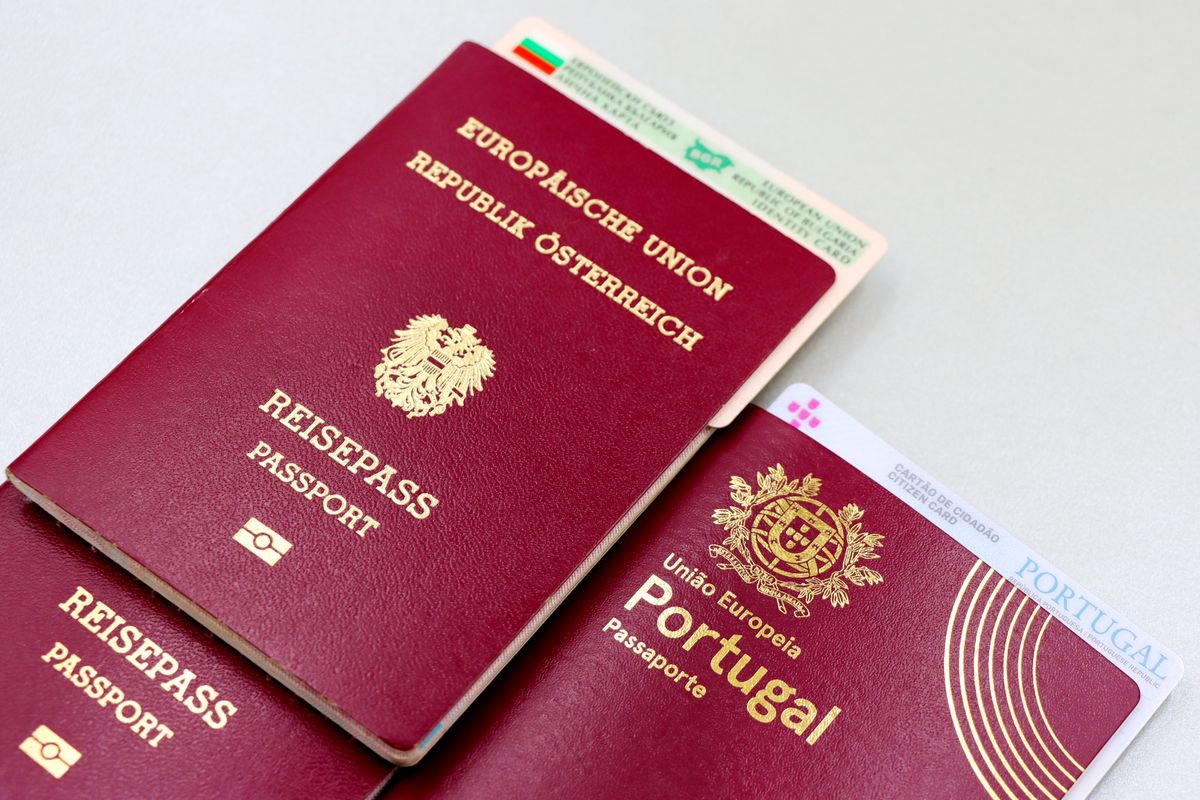
Close-up of European passports and an ID card on a table
Practical

Embassies and Consulates in the Balkans: Where to Go and What They Can Do

Where UK, US, Canadian and Australian embassies sit in the Balkans, what consular staff can do, and how to replace a lost passport.
White and red striped ambulance with a blue light bar parked on a snowy street
Practical

Emergency Numbers in the Balkans: Police, Ambulance, Fire and Who to Call

Country-by-country emergency numbers for police, ambulance and fire in the Balkans, plus hospital, embassy and insurance advice as of 2026.
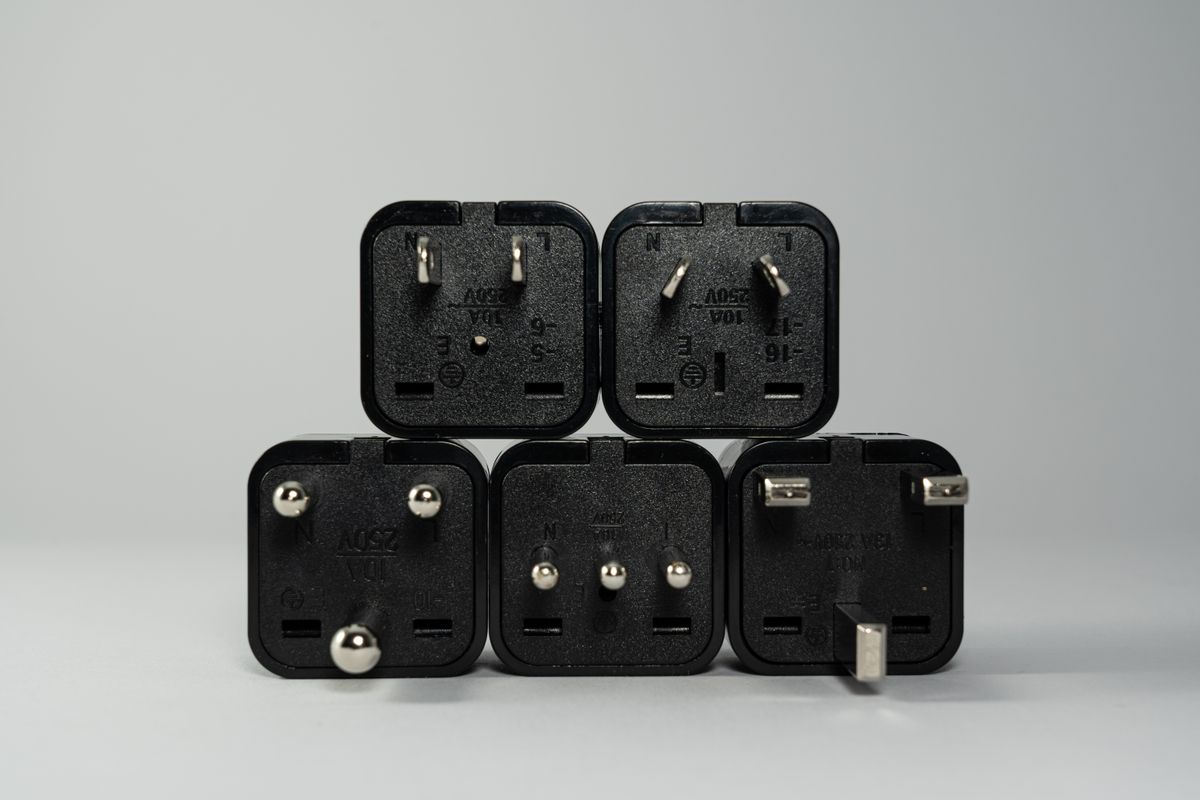
Black international travel power plug adapters laid out together
Practical

Power Outlets and Adapters in the Balkans: Plug Types, Voltage and What to Pack

Plug types C and F, 230V voltage and which adapter to pack for the Balkans, with advice for UK, US and Australian travellers, as of 2026.
Small Orthodox chapel in the mountains - Balkans public holidays guide
Practical

Balkans Public Holidays: Country-by-Country Guide for Travelers

Public holidays across the Balkans: exact dates, what stays open, which are most disruptive, and moveable Orthodox and Catholic Easter dates for 2026-2027.

Outdoor cafe seating in Belgrade Serbia - tipping in the Balkans
Practical

Tipping in the Balkans: How Much to Tip and When

Tipping in the Balkans: how much to tip at restaurants, taxis, tour guides, and hotels. What locals actually do, country by country.
Snow-covered Sarajevo with mountains behind in winter - the Balkans in winter
Practical

The Balkans in Winter: Weather, Ski, Christmas Markets and City Breaks

Balkans in winter 2026–27: ski Jahorina from €25/day, Sarajevo under snow, Belgrade city breaks. Dec–Feb guide with prices and what stays open.

Balkans Travel FAQ

Do US and EU citizens need a visa for the Balkans?
US and EU citizens can travel visa-free to Croatia (EU member), Serbia, Bosnia & Herzegovina, Montenegro, Albania, North Macedonia, and Kosovo for stays up to 90 days. Kosovo requires a passport valid for at least 3 months beyond your stay. Serbia does not have a land entry stamp requirement for most Western passport holders. Check your specific nationality on each country's embassy website before travelling.
What is the best time to visit the Balkans?
May-June and September-October are the sweet spots. Crowds and prices are lower than July-August, the weather is warm and settled (20-28Β°C), and inland cities like Sarajevo, Belgrade, and Skopje are comfortable to walk. July-August is peak season on the Croatian coast - Dubrovnik and Hvar get extremely busy and accommodation doubles in price. Winter (November-March) suits city-focused trips to Belgrade and Sarajevo but most coastal islands go quiet.
How much does a Balkans trip cost per day?
Budget travellers staying in hostels, cooking some meals, and using buses can manage €35-55 per day across non-EU countries (Serbia, Bosnia, Montenegro, Albania). Croatia is more expensive - budget €60-80 per day in summer on the Dalmatian coast. A comfortable mid-range trip across the region averages €80-120 per day including accommodation, meals, and transport.
Which Balkan countries use the euro?
Croatia (as an EU member since 2023) and Montenegro use the euro officially. Kosovo uses the euro without being an EU member. Serbia uses the dinar, Bosnia uses the convertible mark (BAM, pegged to the euro at 1.956 BAM = €1), Albania uses the lek, and North Macedonia uses the denar. ATMs are widely available in all capital cities; carrying some cash for smaller towns and border crossings is advisable.
What is the easiest way to travel between Balkan countries?
Buses are the main intercity transport in the Balkans - they connect all major cities and are affordable (€10-30 per long route). Trains are limited and often slower than buses; the main useful rail links are Belgrade-Novi Sad and the scenic Sarajevo-Mostar route. Renting a car unlocks coastal Croatia and inland areas with poor bus coverage, but watch for varying fuel costs and different rules at border crossings.