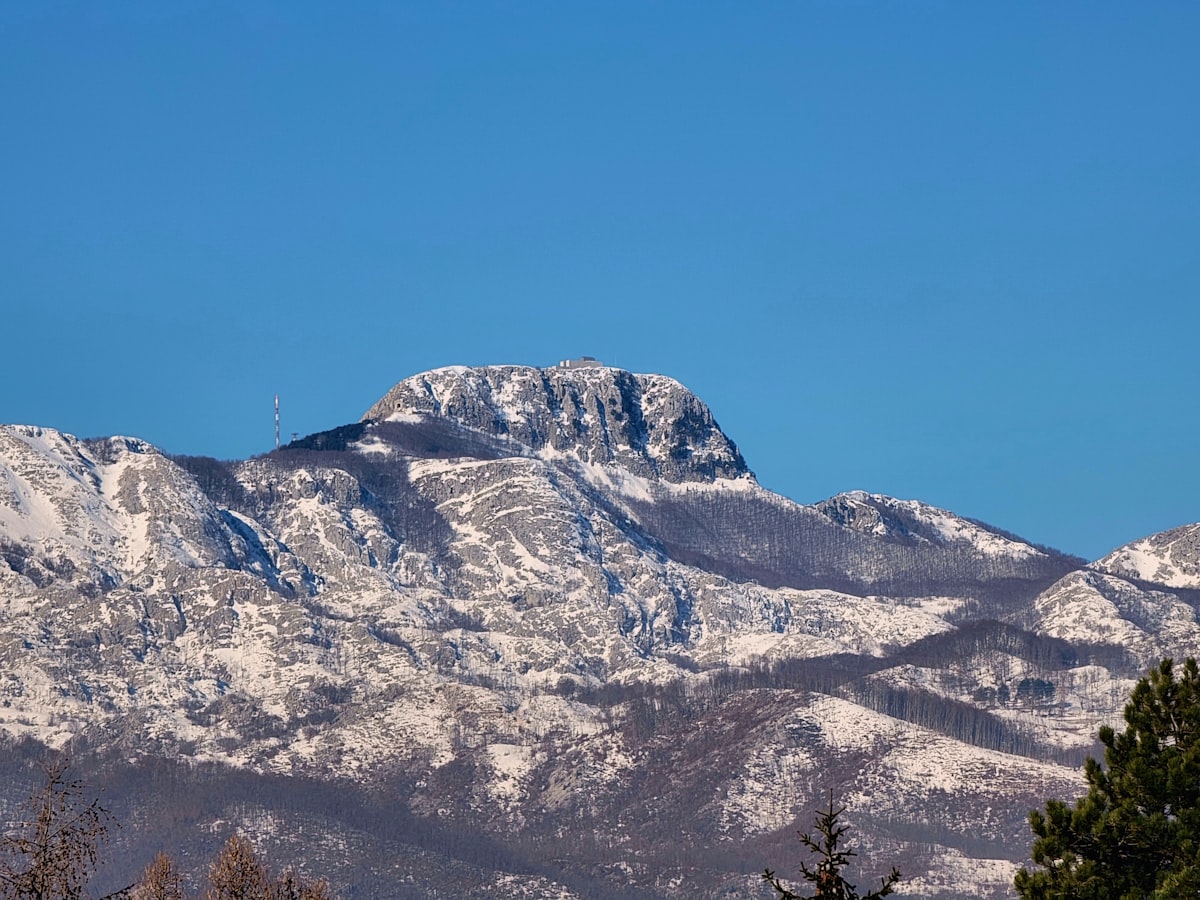
February is the coldest month in the Balkans and the peak of ski season. The coast remains dormant, but inland cities have a quiet charm, and the mountains offer the best snow conditions of the year at a fraction of Western European prices.
Sarajevo Accumulates 30–40cm, Coast Stays Shut: February Weather Across the Region
Croatian coast (Dubrovnik, Split): 8–12°C. Rain and overcast skies are common. The bura wind can shut down ferry services to the islands. Split’s Diocletian Palace is open and crowd-free but the waterfront restaurants are mostly shuttered.
Montenegro coast (Kotor, Budva): 9–13°C. Kotor receives some of the heaviest rainfall in Europe in winter - the mountains behind the bay funnel moisture inland. Budva is deserted.
Bosnia (Sarajevo): The coldest capital in the region. Daytime highs of 1–4°C, lows of -6°C or colder. Snowfall is reliable and heavy - the city can accumulate 30–40cm in a single event. The mountains above the city have 1–2m of packed snow.
Serbia (Belgrade, Novi Sad): 0–5°C. Grey and damp. The Danube is at low ebb. Indoor life dominates - Belgrade’s bar and restaurant scene is year-round, and Novi Sad’s Petrovaradin Fortress is worth the walk despite the cold.
Albania (Tirana): 5–12°C with rain. The coast is wet and closed. Tirana itself has enough indoor cafés and restaurants along Blloku to fill a weekend.
North Macedonia (Skopje, Ohrid): 0–6°C. Ohrid Lake can partially freeze at the edges in very cold years. Skopje is cold but the Old Bazaar is lively with locals.
Peak Ski Season: Jahorina and Kopaonik at Their Best, €60–80 All-In Day
February delivers the most reliable snow across all Balkan resorts. Jahorina and Bjelašnica near Sarajevo are at their best - packed snow, open runs, and clear cold days interspersed with fresh dumps. A full day’s skiing including lift pass, rental, and lunch costs roughly €60–80 per person, compared to €200+ at major Alpine resorts.
Kopaonik in Serbia has the longest season and the most extensive trail network (55km+). February is its busiest month, driven by Serbian school holidays, but “busy” here means short lift queues rather than the hour-long waits of the Alps.
Kolašin 1450 in Montenegro is the smallest of the main resorts but has invested in new gondola infrastructure. It suits beginners and intermediates. Our Skiing in the Balkans guide covers all three resorts with lift pass prices, piste maps, and accommodation options.
Sarajevo Winter Festival and Kurentovanje: February’s Cultural Calendar
Sarajevo Winter Festival (Sarajevska Zima) runs from February into March. It includes theatre, film screenings, and concerts across the city’s cultural venues. The festival has run since 1984 and is one of the oldest cultural events in the country.
Kurentovanje in Ptuj, Slovenia (on the Balkans’ western edge) is a major pre-Lenten carnival held in February. Participants wear elaborate sheepskin costumes and cowbells to chase away winter - it is one of Europe’s oldest surviving carnival traditions, recognised by UNESCO.
Belgrade’s cultural calendar picks up in February with gallery openings and theatre premieres after the January lull. The Atelje 212 theatre and Bitef Art Cafe are worth checking for programming.
Sarajevo Old Town, Empty Dubrovnik Walls, and a Weekend in Belgrade
Sarajevo is February’s standout destination. The combination of affordable skiing (30 minutes from the city centre), a walkable old town with Ottoman and Austro-Hungarian architecture, and strong café culture makes it the best winter city break in the region. Eat ćevapi at Željo in Baščaršija, drink Bosnian coffee at Čajdžinica Džirlo, and take the Trebević cable car for panoramic views. Our Sarajevo accommodation guide covers old-town guesthouses and boutique hotels close to Baščaršija from €35.
Belgrade works well as a weekend city break. The Kalemegdan Fortress, Temple of Saint Sava, and Skadarlija street are all accessible in winter. For food, tryQuestion Mark (Znak Pitanja), the city’s oldest kafana, or Manufaktura in Dorćol for a more contemporary menu.
Dubrovnik is at its emptiest. Walk the walls without queuing, visit the Rector’s Palace and Maritime Museum, and eat at Nishta (vegetarian, old town) or Pantarul (Lapad) without a reservation.
Rock-Bottom Prices and Empty Roads: Under €50 Flights, 50–70% Off Accommodation
February ties with January as the cheapest month. Flights from Western Europe are often under €50 return on budget carriers to Split, Dubrovnik, or Belgrade. Accommodation across the region is 50–70% below summer peaks.
Border crossings are empty. Roads in Bosnia and Montenegro can require snow chains or winter tyres - these are legally required in Bosnia from November through April. Rental car agencies in Sarajevo and Belgrade supply winter-equipped vehicles as standard.
Who February Suits: Skiers and City-Break Visitors at Zero Crowds
Skiers, city-break travellers, and anyone who wants to experience the Balkans at rock-bottom prices with zero crowds. Not suitable for coastal travel, hiking, or road trips through mountain passes.
See our Balkans transport guide for border crossings, bus routes, and getting between countries.
See also
- Balkans in Winter: full Dec–Feb guide
- Best time to visit the Balkans
- Balkans in January
- Balkans in March
- Skiing in the Balkans
- Bulgaria travel guide
- Serbia travel guide
- Bosnia and Herzegovina travel guide
Plan Your Trip
Sarajevo is February’s anchor. Fly in, book a guesthouse in Baščaršija (old-town options from €35), and the Jahorina ski resort is 30 minutes by hire car - the pistes are at peak condition, and a full day including pass, rental, and lunch costs roughly €60–80 versus €200+ in the Alps. The Sarajevo Winter Festival runs theatre and film screenings across the city through February into March. If you’re timing for Kurentovanje - the UNESCO-recognised pre-Lenten sheepskin carnival in Ptuj, Slovenia - it falls in February: combine it with the Zagreb–Ljubljana corridor. Travel insurance is essential for ski cover. Tours & activities in Sarajevo · Balkans eSIM via Airalo