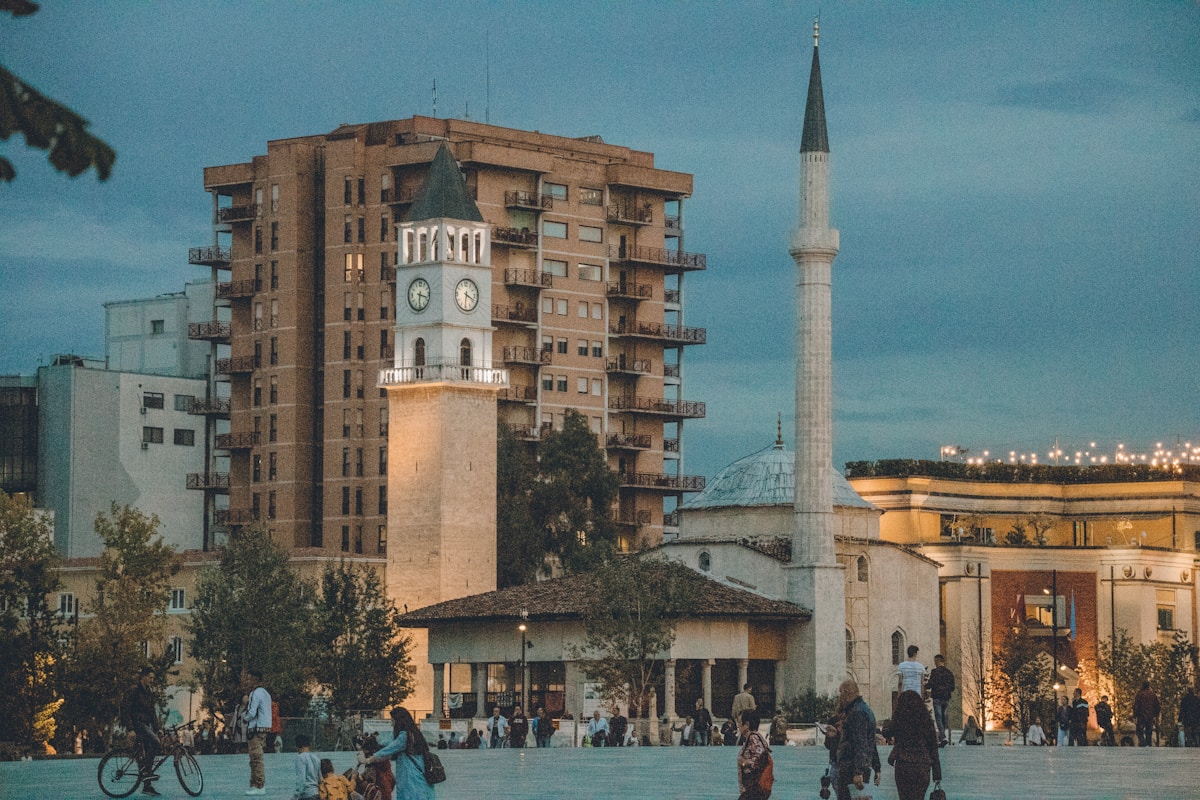
The Balkans has emerged as one of Europe’s most practical regions for remote workers: it sits adjacent to the EU without being inside the Schengen Area, which means most Western passport holders can stay 90 days per country without a digital nomad visa, cheap and improving coworking infrastructure, and a cost of living that makes Western European alternatives look extortionate.
This guide covers the four cities that consistently rank among Europe’s best-value for remote workers: Belgrade (Serbia), Sarajevo (Bosnia and Herzegovina), Tirana (Albania), and Sofia (Bulgaria).
Why the Balkans works for remote work
The region offers a combination of conditions rarely found together elsewhere in Europe:
Visa flexibility. Serbia, Albania, North Macedonia, Kosovo, and Bosnia are not in the Schengen Area. EU, UK, US, Canadian, and Australian passport holders can typically stay 90 days in each country without a specific digital nomad visa - and the countries’ 90-day clocks operate independently of each other and independently of Schengen. A nomad who has used their 90 Schengen days can head to Belgrade or Tirana without starting a new Schengen countdown.
Low cost of living. A comfortable solo lifestyle - furnished apartment, coworking space, daily coffee and lunch out, occasional restaurant dinners - costs approximately €700–1,200/month in most Balkans capitals, depending on city and housing choices. That figure drops further in smaller cities.
Improving infrastructure. Internet quality has improved dramatically since 2020. Fibre is widely available in Belgrade and Sofia; mobile data coverage in urban areas is reliable across all four cities. The coworking market expanded significantly post-2020 as Belgrade and Tirana developed English-language co-working hubs aimed at the international community.
Culture and lifestyle. The Balkans has a cafe culture every bit as rich as Italy or Portugal, a young population with high English proficiency in urban areas, a music and nightlife scene that punches above its weight (Belgrade’s floating river clubs, Tirana’s Blloku district), and proximity to coast, mountains, and other Balkans capitals for weekend travel.
Belgrade, Serbia
Belgrade is the most established digital nomad hub in the Balkans and one of the most underrated in Europe. The city has a large existing expat and nomad community, extensive English-language infrastructure, and a cafe scene that makes working from laptops entirely normal.
Cost of living - Belgrade (as of 2026):
- 1-bedroom furnished apartment (central): approximately €450–700/month
- Coworking space (hot desk, monthly): approximately €100–180/month
- Coffee (espresso): approximately €1.20–1.80
- Lunch (local restaurant): approximately €5–9
- Monthly grocery shop (cooking regularly): approximately €150–220
- Public transport monthly pass: approximately €22
Coworking options in Belgrade:
- Startit Centar (Savska 5) - the most established co-working space in Serbia, with two Belgrade locations, reliable fibre, desk rental from approximately €90/month
- Impact Hub Belgrade (Kralja Milana 10) - community-focused, events programme, from approximately €120/month
- Katapult Hub (Strahinjića Bana) - quiet, design-forward space in the Dorćol neighbourhood, from approximately €110/month
- Cafes for working: Kafeterija on Knez Mihajlova (fast WiFi, tolerant of laptop workers), Supermarket Cafe in Savamala
Visa: Most Western passports enter Serbia visa-free for 90 days. Serbia offers a Digital Nomad Residence Permit (as of 2022) allowing longer stays - eligibility requires proof of remote income; check the Ministry of Interior website for current requirements.
Best neighbourhoods: Dorćol (quiet, walkable, good cafe density), Savamala (creative district, river clubs, younger crowd), Vračar (more residential, good bakeries and local life).
Getting fast mobile data: SBB mobile and A1 Serbia both offer good urban coverage. A local SIM with data costs approximately €5–15 for a month’s usage.
Sarajevo, Bosnia and Herzegovina
Sarajevo is the most atmospheric city in the Balkans for extended stays - a genuinely unusual city where Ottoman, Austro-Hungarian, and Yugoslav-era architecture coexist in a compact valley, and where a heavy, locally specific history creates a different kind of cultural engagement. It’s quieter and less touristy than Belgrade, and significantly cheaper.
Cost of living - Sarajevo (as of 2026):
- 1-bedroom furnished apartment (central): approximately €350–550/month
- Coworking space (hot desk, monthly): approximately €80–150/month
- Coffee (Bosnian kahva): approximately €1–1.50
- Lunch (ćevapi platter): approximately €4–7
- Monthly grocery shop: approximately €120–180
- Tram monthly pass: approximately €18
Coworking options in Sarajevo:
- New Work Sarajevo (Obala Kulina Bana) - riverfront location, desk from approximately €80/month, English-speaking management
- SmartX Hub (Trampina 6) - smaller, community-focused, events and mentoring, from approximately €70/month
- Caffe Tito (Maršala Tita) - not a coworking space formally, but a large, well-lit café with strong WiFi that freelancers use regularly
Visa: Bosnia and Herzegovina grants 90 days visa-free for most Western passports. Bosnia is not in the EU or Schengen, so the 90-day limit resets independently.
Best neighbourhoods for nomads: Baščaršija (old town, walking distance to everything, atmospheric), Grbavica (quieter residential area, more locals, good apartment supply), Ilidža (out of centre, better for families or those wanting green space).
Note on banking: Bosnia uses the Convertible Mark (BAM), pegged to the euro. Cash remains important in everyday life - use a Wise or Revolut card for ATM withdrawals to avoid fees.
Tirana, Albania
Tirana has had the most dramatic transformation of any Balkans city in recent years. The Albanian capital went from a crumbling post-communist city to a genuine destination with a walkable city centre, a restaurant and bar scene in the Blloku district, and a young, outward-looking population with very high English proficiency. It is also the cheapest of the four cities on this list.
Cost of living - Tirana (as of 2026):
- 1-bedroom furnished apartment (central Blloku): approximately €350–600/month
- Coworking space (hot desk, monthly): approximately €80–150/month
- Coffee (espresso): approximately €0.80–1.50
- Lunch (local restaurant): approximately €4–7
- Monthly grocery shop: approximately €100–160
- Public bus (urban): approximately €0.40 per journey
Coworking options in Tirana:
- The Block Co-Working (Blloku district) - the best-known space aimed at internationals, good WiFi, community events, from approximately €100/month
- Pasha Cowork (Rruga e Kavajës) - newer, well-equipped, from approximately €90/month
- Garden Collective - café and coworking hybrid near Skanderbeg Square, day passes from approximately €10
Visa: Albania grants 90 days visa-free for EU, US, UK, and most Western passports. Albania is not Schengen. Easy re-entry available by crossing to Montenegro or North Macedonia (both a day trip from Tirana) and returning - though this remains at each border officer’s discretion.
Best neighbourhoods: Blloku (the most cosmopolitan area, bars and restaurants, young crowd), Rruga e Kavajës (residential, cheaper apartments, good bakeries), New Tirana area (modern builds, more space).
Note on mobile data: Albanian mobile data is among the cheapest in Europe. ALBtelecom and ONE Telecommunications both offer monthly unlimited 4G plans for approximately €6–10.
Sofia, Bulgaria
Sofia is the Balkans’ EU capital and the most internationally connected of the four cities. It has the largest and most developed startup ecosystem in the region, the fastest average internet speeds, and the most straightforward banking and administrative infrastructure. It’s also the easiest point of entry and exit from Western Europe.
Cost of living - Sofia (as of 2026):
- 1-bedroom furnished apartment (central): approximately €500–750/month
- Coworking space (hot desk, monthly): approximately €120–200/month
- Coffee (espresso): approximately BGN 3.50–5 (€1.80–2.60)
- Lunch (restaurant): approximately BGN 12–20 (€6–10)
- Monthly grocery shop: approximately BGN 300–420 (€150–210)
- Metro monthly pass: approximately BGN 50 (€25)
Coworking options in Sofia:
- BetaHaus Sofia (ul. Georgi Benkovski 20) - the largest and most established, multiple floors, fibre, printer access, events, from approximately €120/month
- Puzl CowOrKing (ul. Veslets 3) - design-forward space, good community, from approximately €130/month
- Sofia Tech Park (Business Park Sofia) - for those needing office infrastructure, more corporate in style, from approximately €150/month
Visa: Bulgaria is an EU member. EU and EEA citizens have freedom of movement; non-EU nationals need to check their specific rights. As of 2026, Bulgaria is joining the Schengen Area - verify current status before travel, as this changes the 90-day Schengen calculation for non-EU nomads.
Best neighbourhoods: Lozenets (the most expat-friendly, walkable, good restaurant density), Oborishte (central, near parks, popular with young professionals), Studentski Grad (cheaper, student-heavy, good nightlife).
Month-by-month living costs comparison
| City | Apartment | Cowork | Food/daily | Total (approx) |
|---|---|---|---|---|
| Tirana | €350–600 | €80–150 | €200–350 | €630–1,100 |
| Sarajevo | €350–550 | €80–150 | €200–320 | €630–1,020 |
| Belgrade | €450–700 | €100–180 | €250–400 | €800–1,280 |
| Sofia | €500–750 | €120–200 | €280–450 | €900–1,400 |
All figures as of 2026. Prices rise approximately 5–8% annually in Tirana and Belgrade. Budget estimates exclude flights, health insurance, and travel within the region.
Practical notes for Balkans nomads
Health insurance: EU citizens can use the European Health Insurance Card (EHIC) in Bulgaria. For all other Balkans countries, private travel insurance is essential - the EKTA or SafetyWing plans are commonly used by long-stay nomads. Healthcare quality varies significantly; seek private clinics in major cities for non-emergency care.
Tax considerations: None of the four cities on this list have formalised digital nomad visas with specific tax implications as of 2026 (Serbia has a permit scheme). Consult a specialist for your specific situation - tax residence rules differ by country and individual circumstance.
Banking: Wise multi-currency account and Revolut are the most widely used tools for Balkans nomads. Both work well at regional ATMs with low fees. Serbian banks (Erste, UniCredit) are the most accommodating for non-residents wanting to open a local account.
Community: Belgrade has the most developed nomad community - Facebook groups, regular meetups, and multiple Slack channels. Tirana’s community has grown significantly since 2022. Sarajevo is smaller but has an active expat scene around NGO workers and international staff.
See also
- Serbia travel guide
- Albania travel guide
- Bosnia and Herzegovina travel guide
- Bulgaria travel guide
- Balkans visa guide
- Balkans currency guide
- eSIM for the Balkans
- Solo travel in the Balkans
Useful links: Balkans eSIM · Travel insurance · Search flights