March is the transition month. Winter loosens its grip on the coast - Dubrovnik and Kotor start to feel like spring - while inland cities remain cold and the mountains still hold enough snow for late-season skiing. It is a month of contrasts, and the cheapest time to visit before summer pricing begins.
Weather by Region
Croatian coast (Dubrovnik, Split): 10–15°C. The first warm days arrive by mid-March, particularly around Dubrovnik. Rain decreases noticeably from February. Almond trees bloom along the coast, and the light sharpens. It is too cold for swimming (sea temperature 13–15°C), but walking Split’s Marjan peninsula or Dubrovnik’s walls is comfortable.
Montenegro coast (Kotor, Budva): 11–16°C. The Bay of Kotor begins to dry out after the heavy winter rains. Perast and Kotor old town are beautiful in early spring light. Budva remains quiet - most beach infrastructure is still closed.
Bosnia (Sarajevo): 4–10°C. March is unpredictable - warm sunny days alternate with snowfall. The ski season continues through March at Jahorina and Bjelašnica, though conditions become variable by late month. The city itself starts to thaw, and outdoor terrace seating reappears at cafés along Ferhadija.
Serbia (Belgrade, Novi Sad): 5–12°C. Grey days are common early in the month, but by late March, Belgrade’s Kalemegdan park greens up and locals return to the outdoor terraces along Knez Mihailova.
Albania (Tirana, coast): 10–17°C. Albania warms faster than the rest of the region. Tirana is pleasant for walking, and the coast from Vlorë southward has occasional sunny days warm enough for a light jacket only. The Albanian Riviera road (SH8) is passable but most guesthouses in Himara and Dhermi remain closed until late April.
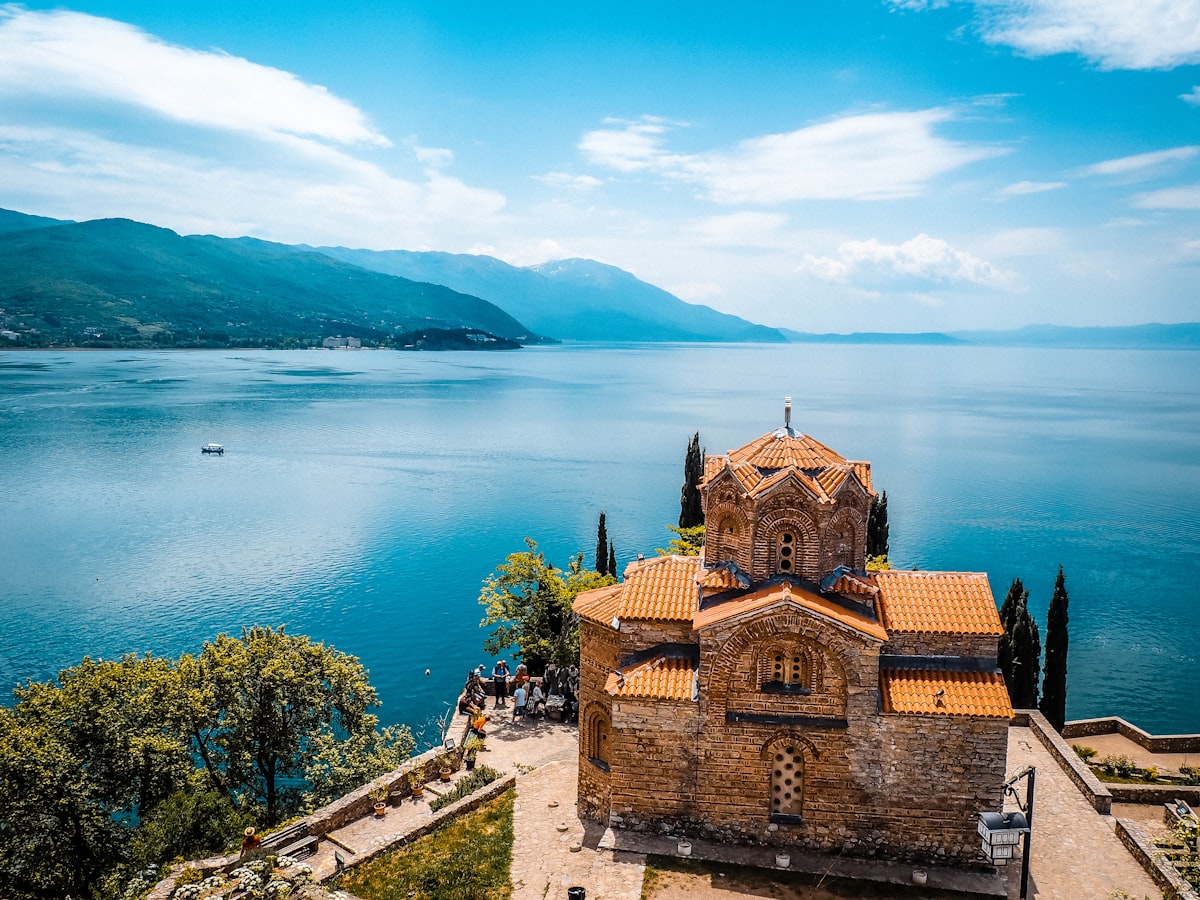
North Macedonia (Skopje, Ohrid): 6–13°C. Ohrid is cold and quiet. Skopje’s Old Bazaar is active year-round, and the warming temperatures make the riverside walkway enjoyable again.
Late-Season Skiing
March skiing is possible at Jahorina and Bjelašnica through mid-month, sometimes into late March in good snow years. Conditions are spring-like: warm mornings, soft snow by afternoon, and shorter lift queues than February. Prices drop slightly from peak season. Kopaonik in Serbia often holds snow through the end of March. Our Skiing in the Balkans guide covers all three resorts with lift pass prices, run grading, and conditions by month.
What to Do
City breaks remain the strongest option. Sarajevo and Belgrade are both excellent in March - warming enough for outdoor exploration but still firmly off-season for pricing.
In Sarajevo, the transition from winter to spring is marked by café terraces reopening in Baščaršija. The War Childhood Museum, Tunnel of Hope, and the historical walking route through the city are all uncrowded. For food, burek at Buregdžinica Bosna (early morning) and ćevapi at Željo remain the essentials.
Belgrade starts to feel lively. The Zemun waterfront, Gardoš Tower, and Ada Ciganlija (the city’s river island) are all good walks. The Skadarlija restaurant strip fills with locals on warm evenings - Dva Jelena and Tri Šešira are the established names. Our Belgrade accommodation guide covers Stari Grad, Dorćol, and Savamala — the three neighbourhoods closest to the main sights.
Dubrovnik and Split are worth considering in late March. Accommodation is still at winter rates, the walls and old town attractions are open, and you can photograph both cities without another tourist in the frame. Restaurant Nishta (Dubrovnik) and Konoba Marjan (Split) are reliable year-round.
Tirana is an underrated March destination - the Blloku café district, National History Museum, and Bunk’Art museums are all accessible, and the city has a creative energy that is more apparent without summer tourist traffic.
Prices and Practical Notes
March prices are still well below summer rates - typically 40–60% cheaper for accommodation across the region. Flights from Western Europe remain affordable, particularly to Split, Dubrovnik, and Belgrade.
Road conditions in Bosnia and Montenegro can still be winter-affected in early March. Winter tyres remain legally required in Bosnia through April. The main coastal highways in Croatia and Albania are clear.
Border crossings are quiet. The Croatia-Montenegro border at Debeli Brijeg (for Dubrovnik to Kotor) is manageable - in March, waits rarely exceed 15 minutes compared to 2+ hours in July.
Who March Suits
Budget travellers, city-break visitors, photographers who want empty landmarks, and late-season skiers. Not suitable for beach holidays or high-altitude hiking (trails are still snow-covered above 1,500m).
See our Balkans transport guide for border crossings, bus routes, and getting between countries.
See also
- Best time to visit the Balkans
- Balkans in February
- Balkans in April
- Skiing in the Balkans
- Bulgaria travel guide
- Serbia travel guide
- Slovenia travel guide
Plan Your Trip
March works as two separate trips in one month. In the first two weeks, Jahorina and Kopaonik still have reliable snow for late-season skiing — softer conditions, shorter lift queues, and slightly lower prices than February peak. From mid-month, Kotor and Dubrovnik become the priority: the Bay of Kotor dries out after winter rains, Dubrovnik’s walls are crowd-free, and restaurant prices haven’t yet hit spring rates. Plitvice Lakes is another March highlight — snowmelt floods the waterfalls, boardwalks are open, and there are no summer queues. Search flights into Sarajevo for skiing or Dubrovnik for the coast. Travel insurance · Tours & activities in Dubrovnik · Balkans eSIM via Airalo