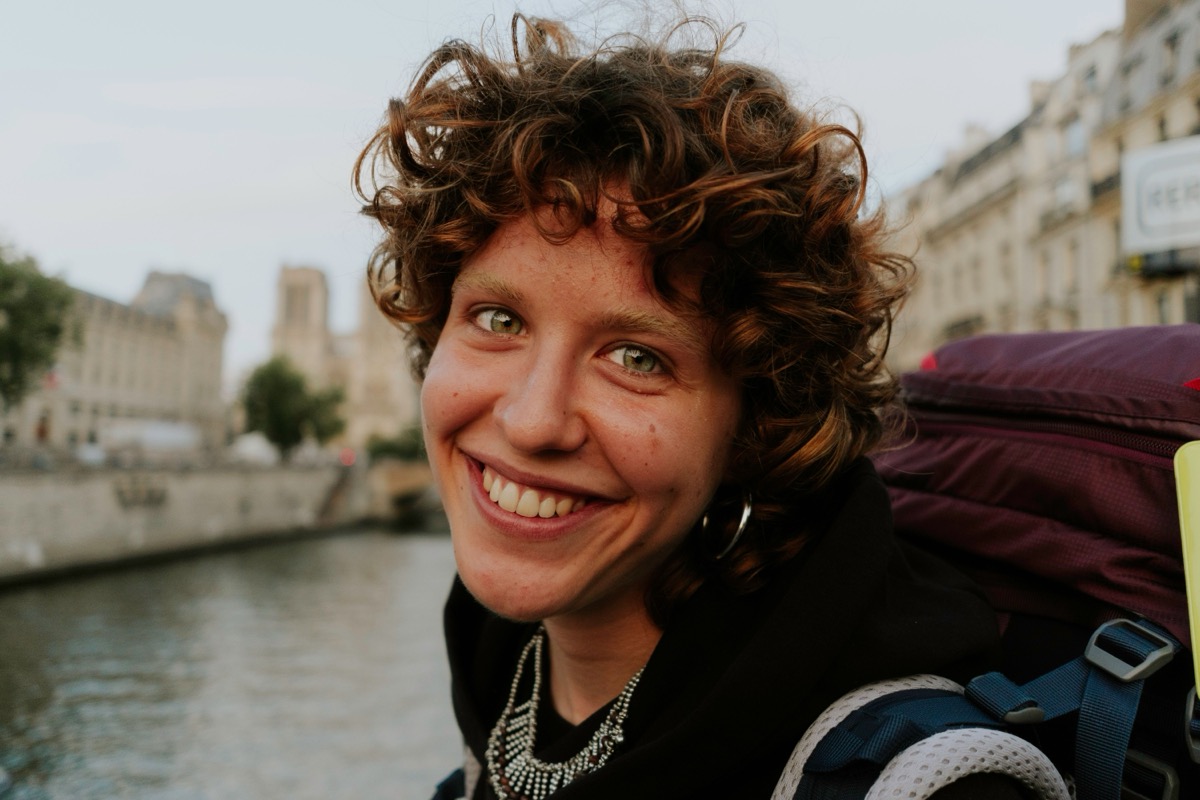
The comparison between the Balkans and Southeast Asia comes up constantly among backpackers planning their first or second long trip. Both regions offer cheap travel, strong hostel culture, beautiful landscapes, and the kind of loose, itinerary-free travel that makes backpacking distinct from package tourism. The question is which is right for your specific trip — and the answer depends on budget, geography, time, and what kind of experience you are chasing.
The Core Difference
Southeast Asia — principally Thailand, Vietnam, Cambodia, Laos, and Indonesia — built its backpacker reputation over fifty years. The infrastructure is mature: dedicated traveller districts in every city (Khao San Road, Bui Vien, Pub Street), a well-oiled system of night buses and border crossings, and a price floor that is hard to match anywhere in Europe.
The Balkans is newer to backpacker travel. The region opened up significantly after the 1990s conflicts ended, and countries like Albania and Kosovo only joined the mainstream circuit in the 2010s. The rewards are real: extraordinary scenery, underrated cities, food that punches above its price, and a sense of discovery that Southeast Asia’s most popular destinations have lost.
They are not directly comparable in most senses — one is 11,000 kilometres from London, the other is three hours by budget flight. The better question is: what do you actually get for your money in each, and which fits your trip?
Daily Costs
Southeast Asia: Thailand on a genuine budget costs €25–35 per day — guesthouse dorm €6–10, two street meals €5–8, transport around €3–5, a beer €1–2. Vietnam is similar. Cambodia runs a little cheaper in rural areas; Bali (Indonesia) has crept up closer to €40–50 in tourist areas. The cheapest Southeast Asian countries — Laos, Cambodia outside Siem Reap — can be done for €20–25 if you are disciplined.
Balkans: Albania is the outlier — genuinely Southeast-Asia-level cheap at €30–40 per day for a backpacker including a dorm, food, and a beer. North Macedonia and Kosovo are close. Bosnia, Serbia, and Montenegro run €40–55 per day. Croatia and Slovenia push to €60–80, closer to Western European pricing. If you route your Balkans trip through the cheaper countries and avoid the Croatian coast in peak season, the daily cost gap with Southeast Asia narrows to €10–15.
The flight factor: Return flights from London to Bangkok or Hanoi cost €350–700. Return flights from London to Tirana, Belgrade, or Dubrovnik cost €30–100 on budget airlines. A three-week trip to Southeast Asia requires roughly €500 more in flights alone — which erases most of the daily cost advantage. For trips under four weeks from a European base, the Balkans is often cheaper total.
What You Get for the Money
Southeast Asia:
- Street food that is world-class and costs €1–3 per meal (pad thai, pho, banh mi, nasi goreng)
- Tropical islands, some still genuinely uncrowded (Koh Lanta, Con Son, Gili Meno)
- Buddhist temples, ancient ruins (Angkor Wat, Bagan, Borobudur) at genuinely low entry prices
- Warm water and predictable beach weather from November to April
- Abundant wellness culture — massages from €5–8, yoga retreats, meditation centres
Balkans:
- Mountains and coastline in close proximity — the Albanian Riviera, Montenegro’s Bay of Kotor, and the Julian Alps are all within a single Balkans trip
- Medieval walled cities (Dubrovnik, Kotor, Berat, Ohrid) that feel uncrowded outside peak July/August
- Extraordinary war and recent history — Mostar, Sarajevo, Vukovar give a dimension of recent human experience that is difficult to access elsewhere
- European cities (Belgrade, Tirana, Skopje) with full nightlife and food scenes at Eastern European prices
- Safe and easy solo travel, including for women, with a familiar cultural context
Hostels and the Backpacker Scene
Southeast Asia’s hostel infrastructure is one of its genuine strengths. Bangkok, Chiang Mai, Hoi An, and Siem Reap have dozens of well-rated dorms from €5–10 per night, often with rooftop pools, organised pub crawls, and the social energy that makes backpacker travel addictive. Connectivity is easy; everyone is going roughly the same direction.
The Balkans scene is younger but maturing fast. Sarajevo, Belgrade, Kotor, and Tirana all have excellent hostels — Hostel Balkan Soul in Sarajevo, Generator in Belgrade, and Old Town Hostel in Kotor are all consistently rated. The social circuit is smaller, which some travellers prefer (less of a conveyor belt, more genuine encounters). Mostar and Ohrid in particular retain a sense of discovery that the Southeast Asia popular circuit has largely lost.
Dorm prices: €8–15 in most Balkan cities, €5–10 in Southeast Asia.
Logistics and Transport
Southeast Asia has a developed tourism transport network — night trains in Vietnam, sleeper buses in Thailand, cheap internal flights between countries via AirAsia and VietJet, and countless minibus services targeting travellers. The trade-off is that popular routes (Bangkok–Chiang Mai, Hanoi–Ho Chi Minh City) are heavily touristed and the experience on the bus or train reflects that.
Balkans transport is patchier but improving. FlixBus now covers most major routes — Belgrade to Sarajevo (5 hours, from €12), Sarajevo to Dubrovnik (4 hours, from €15), Tirana to Kotor (3 hours, from €12). Trains are slower than buses in most of the region. Renting a car unlocks a significantly better version of a Balkans trip — mountain roads, remote villages, and coastal stretches that buses simply do not reach. Car rental from €25–35 per day split between two people.
When to Go
Southeast Asia: November to April for most of mainland Southeast Asia (dry season, lower humidity). May to October brings monsoons to much of the region, though Vietnam’s long north-south stretch means somewhere is always in season.
Balkans: May to September for the coast and lower altitudes. June and September are ideal — good weather without the July–August crowds and price spikes. Winter (November to March) works for the cities (Belgrade, Sarajevo) and the ski resorts (Bansko, Kopaonik, Bjelašnica) but is bleak on the coast.
The Verdict
Choose Southeast Asia if you have more than four weeks, are travelling from outside Europe, want tropical warmth and beaches, or are specifically seeking the Buddhist cultural experience, street food at its cheapest, or the classic backpacker social circuit. It earns its reputation.
Choose the Balkans if you are based in Europe, have two to four weeks, want to avoid the 12-hour flight and the jet lag, and are interested in a region that is still being discovered. The Balkans offers European history, genuine cities, mountain scenery, and a coastline — at prices that would have seemed impossible in Western Europe — all without leaving the continent.
The honest answer for many European backpackers: do the Balkans first. It is logistically easier, cheaper to reach, and rewards repeat visits as new countries open up. Southeast Asia will still be there — and after a Balkans trip, you will know exactly the kind of traveller you are and which parts of Southeast Asia will suit you best.
Related comparisons
- Balkans vs Greece — the Balkans against its most-visited southern neighbour
- Serbia vs Croatia — the Balkans’ most popular internal contrast
- Albania vs North Macedonia — the western Balkans’ best-value pairing
- Bulgaria vs Romania — the eastern Balkans compared
- Montenegro vs Croatia — two Adriatic neighbours at very different price points
- Albania vs Montenegro — two small Adriatic countries side by side
See also: Balkans vs Greece · Balkans Comparison Guide · Two weeks in the Balkans · Three weeks in the Balkans
Plan your Balkans trip: Tours & activities · Car hire · Search flights · eSIM for the Balkans · Travel insurance