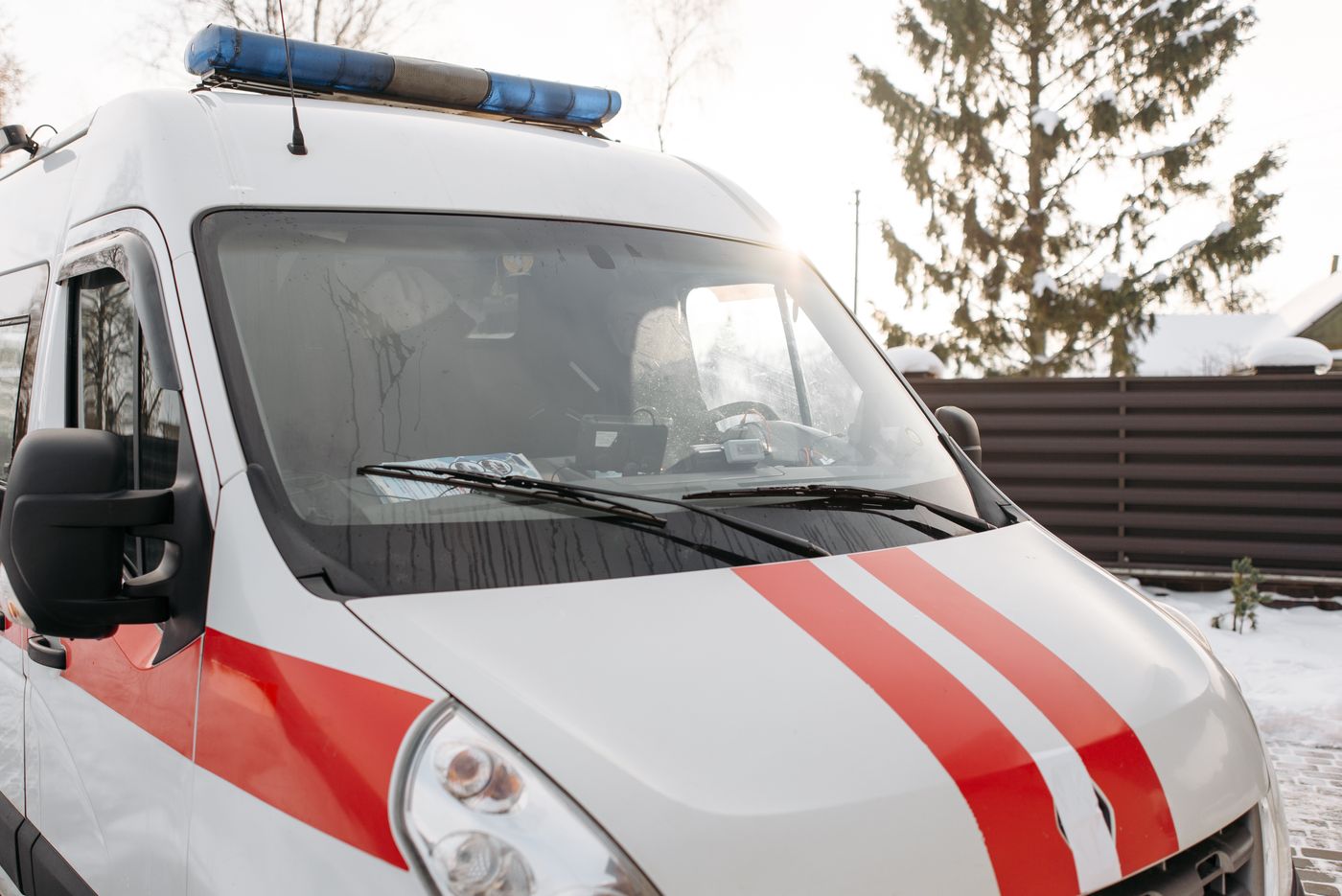
Most visits to the Balkans pass without incident, but the region is a patchwork of countries with different emergency numbers, and the one you remember from home may not connect. This page puts the numbers, hospital advice and embassy steps in one place so you can screenshot it before you fly. For wider risk context such as scams, driving and political situations, read our Balkans safety guide.
The short version
Dial 112 first in Croatia, Slovenia, Montenegro, Serbia, Bosnia and Herzegovina, North Macedonia and Albania. It works from any mobile, with or without credit and often without a SIM. If it does not connect, or you are in a rural area, use the national service number below. Numbers are current as of 2026; check the embassy or national health ministry if you are travelling for a long stay.
Emergency numbers by country
| Country | General | Police | Ambulance | Fire |
|---|---|---|---|---|
| Croatia | 112 | 192 | 194 | 193 |
| Slovenia | 112 | 113 | 112 | 112 |
| Serbia | 112 | 192 | 194 | 193 |
| Montenegro | 112 | 122 | 124 | 123 |
| Bosnia and Herzegovina | 112 | 122 | 124 | 123 |
| North Macedonia | 112 | 192 | 194 | 193 |
| Albania | 112 | 129 | 127 | 128 |
| Kosovo | 112 | 192 | 194 | 193 |
Two details that catch visitors out. First, Montenegro and Bosnia share the 122/123/124 pattern, while Serbia, Croatia and North Macedonia share 192/193/194, so the same digits mean police in one country and something else a border away. Second, in Serbia 112 is routed to the police line on mobile phones, so ask clearly for an ambulance if that is what you need. In Albania the unified 112 system is newer and response can be slower outside Tirana, so a local number or a hotel call is often quicker in rural areas.
Mountain, sea and roadside help
- Mountain rescue: In Croatia call 112 and ask for HGSS, the mountain rescue service. In North Macedonia mountain rescue is listed on 13-112, but 112 is the safer first call. In the Albanian Alps and Montenegro’s Durmitor and Prokletije there is often no signal on trails, so tell your guesthouse your route and return time.
- Sea rescue: Croatia runs a sea search and rescue line on 195. In Albania, 125 is listed for emergencies at sea. Ferry crews will also radio for help.
- Roadside breakdown: Croatia has HAK on 1987, Serbia has AMSS on 1987, Bosnia has BIHAMK on 1282 and North Macedonia lists roadside assistance on 196. Rental companies usually give their own helpline, which you should call first to protect your cover. See our Balkans car rental guide before collecting a car.
Tourist police and reporting a crime
There is no single tourist police force across the region. Croatia adds extra summer police presence on the coast, and larger stations in Dubrovnik, Split and Zagreb are used to tourist complaints. Elsewhere, go to the nearest regular police station. Ask for a written report (a “zapisnik” in Croatian, Serbian and Bosnian) because insurers will not pay out a theft claim without it. Do not pay any “fine” in cash to a plain-clothes officer. Genuine traffic police issue a written ticket and take payment at a station or bank.
Hospitals and medical care
Capital and coastal cities have reliable emergency departments: KBC Zagreb and KBC Split in Croatia, the Clinical Center of Serbia in Belgrade, and the Clinical Center of Montenegro in Podgorica. Standards drop in smaller towns, and Albania and Kosovo have the widest gap between public and private care. In practice:
- Call 112 or the ambulance number for anything serious, such as chest pain, heavy bleeding or a head injury.
- For minor issues, private clinics in Tirana, Belgrade, Sarajevo and Dubrovnik see walk-ins quickly and take card payment.
- Pharmacies (apoteka, farmacia) can advise on mild illness and many sell antibiotics only with a prescription, so bring your regular medicines in original packaging.
- Keep every receipt and the doctor’s written diagnosis for your claim.
EU, UK and Swiss travellers can use the EHIC or GHIC in Croatia and Slovenia, but those cards do not cover Serbia, Bosnia, Montenegro, North Macedonia, Albania or Kosovo, and they never cover repatriation.
Embassies and consulates
An embassy is not an emergency service, so call local numbers first. After that, contact your embassy for an arrest, a serious injury, a death or a lost passport. Most embassies are in Zagreb, Belgrade, Sarajevo, Podgorica, Skopje and Tirana, and several countries cover Kosovo from Pristina or from a neighbouring capital. Our embassies and consulates guide lists the main addresses and what consular staff can and cannot do. Before you leave, save your embassy’s 24-hour number and register your trip if your government offers it.
Travel insurance tie-in
Insurance is where this page matters most. Treat a policy as essential if you plan to hike, drive, ride a scooter on the islands or cross borders in a rental car. Look for emergency medical cover of at least 100,000 EUR, mountain and helicopter evacuation, and repatriation. Confirm that hiking above 2,000 metres and activities like rafting on the Tara or paragliding above Budva are not excluded. Call the insurer’s 24-hour line before paying a large hospital bill when you can, as many policies require pre-approval. You can compare Balkans travel insurance here, and read our Balkans travel insurance guide for what to look for in a policy.
Before you travel: a quick checklist
- Screenshot the table above and save the numbers for your itinerary countries.
- Add your hotel’s address in the local script, which helps a taxi or ambulance reach you.
- Photograph your passport and insurance policy and email them to yourself.
- Carry a small card with allergies, blood type and your emergency contact.
- Check whether your phone plan roams in non-EU countries, or use a local Balkans eSIM so you can always make the call.