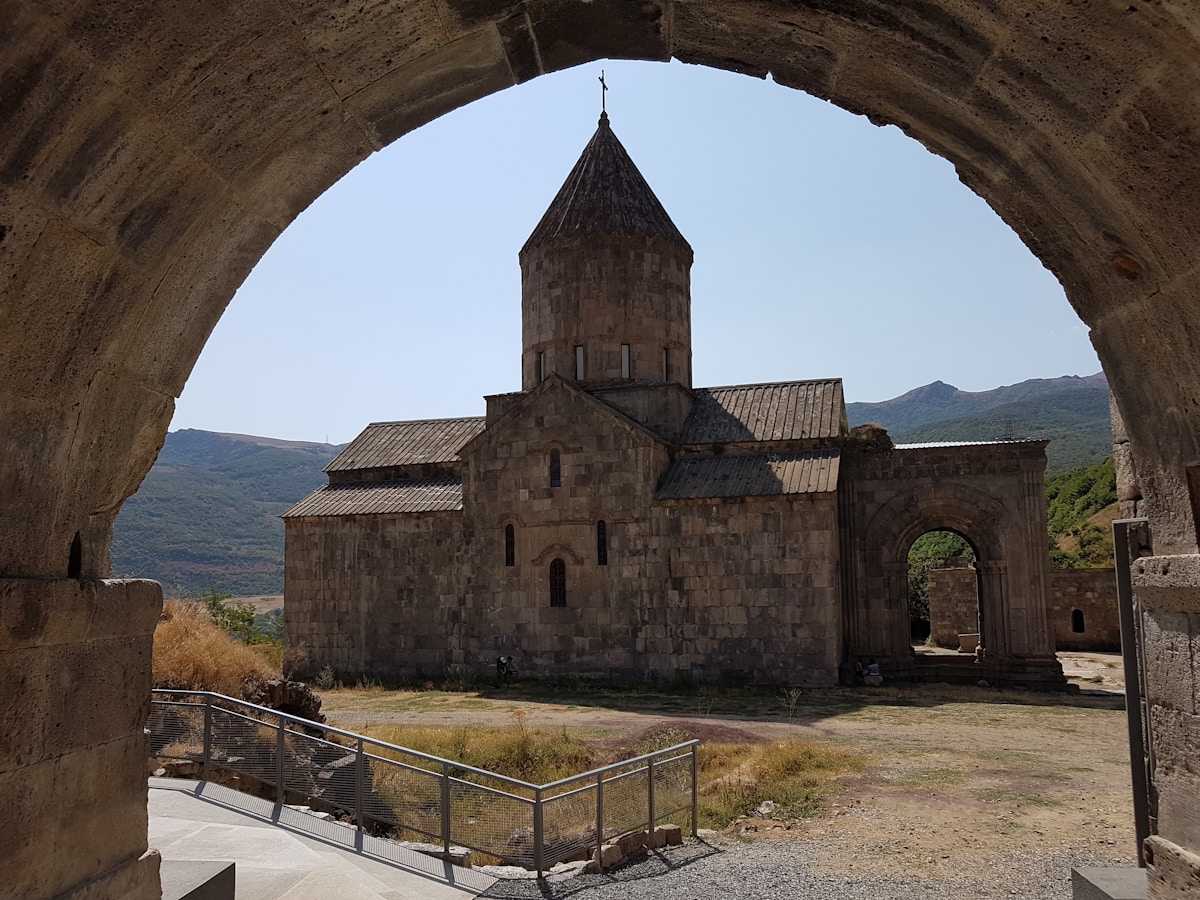
The short answer is yes. The Balkans are widely regarded as safe for tourists, with crime rates generally lower than in Western Europe across most of the region. The risks you face are similar to those in Spain, Italy, or Greece: petty theft in crowded areas, occasional scams targeting tourists, and road-related hazards when driving.
Outdated perceptions from the 1990s conflict era still circulate, but they do not reflect what the region is like to travel in 2026. Cities like Sarajevo, Kotor, Tirana, Skopje, and Ohrid are safe, walkable, and genuinely welcoming to visitors.
What the actual risks look like
Violent crime against tourists is very rare across the Balkans. The primary risks are:
- Petty theft and pickpocketing in busy markets, bus stations, and crowded tourist streets (Dubrovnik Old Town, Kotor ramparts, Tirana main square)
- Scams and overcharging by some taxis, informal guides, or tourist-facing businesses - agree on prices before getting in a vehicle
- Traffic-related hazards when driving on mountain and coastal roads
These are the same categories of risk you manage in any European destination. The Balkans are not uniquely dangerous; they are just unfamiliar to many Western travellers.
Practical everyday safety
Secure your valuables: Use anti-theft bags or zipped inner pockets. Leave passports and extra cards in a hotel safe when possible.
Use registered transport: Taxis with visible company logos and working meters, or ride-hailing apps (Bolt operates in most Balkan capitals), are safer than flagging random cars.
Agree on prices first: For taxis without meters, for informal tour guides, and at any tourist-facing service where pricing is not clearly posted.
Night-time awareness: Stick to well-lit, populated streets in cities. Avoid isolated areas late at night - not because crime is common, but because it is basic travel sense anywhere.
Nightlife: Alcohol-fuelled disputes can occur in busy bar districts. Keep awareness of your group and avoid flashing large amounts of cash or expensive equipment.
Travelling solo? See our solo travel guide for the Balkans for safety tips, the best solo bases, and advice on meeting other travellers.
Driving and road risks
Driving adds a distinct safety dimension to a Balkans trip.
Road quality varies sharply. Modern highways in Croatia and Serbia. Narrow, poorly maintained mountain and coastal roads elsewhere - many routes involve switchbacks, limited guardrails, and unexpected hazards.
Driving behaviour is mixed - a combination of cautious local drivers and aggressive tailgating. Defensive driving is essential on Balkan roads.
Mountain and coastal routes (Kotor–Dubrovnik, Albanian mountain passes, Bosnia highland roads) should be driven slowly, in daylight, with extra time allowed.
Winter conditions in Bosnia, Serbia, Montenegro, and North Macedonia can bring snow, black ice, and legally required winter tyres from November to March.
If you plan to rent a car in the Balkans, check insurance requirements and cross-border permissions carefully - see our car rental guide for full detail.
Health and medical tips
Tap water: Drinkable in Croatia, Slovenia, and Serbia. In Albania, Bosnia, and some other parts of the region, sticking to bottled water or using a filter is the safer choice - local guides will indicate where tap water is reliably safe.
Food safety: Street food is generally fine. Avoid raw shellfish from unregulated vendors.
Travel insurance: Essential. Ensure your policy covers medical evacuation and repatriation. Bring basic medications - painkillers, anti-diarrhoeals, plasters - as pharmacy availability varies in remote areas.
Heat and sun: Summer temperatures in the Balkans can be very hot, especially inland. Carry a reusable water bottle, drink regularly, and adjust plans on extreme heat days.
Outdoor activity hazards: Hiking and kayaking require proper footwear, sun protection, and realistic route planning. Guided tours handle risk mitigation; solo hikers need to plan more carefully.
Cultural and social sensitivities
Yugoslav war history: Many locals in Bosnia, Serbia, and Croatia have strong and personal views on the 1990s conflicts. Asking about it respectfully is fine; making jokes or dismissive comments is not.
LGBTQ+ travellers: Major cities (Belgrade, Ljubljana, Zagreb, Sarajevo, Tirana) have growing LGBTQ+ communities and pride events. Rural and more conservative areas are less accepting - discretion is wise outside large urban centres.
Religious sites: Dress modestly when visiting mosques, Orthodox churches, and monasteries. Remove shoes where required. This applies across Bosnia, Serbia, North Macedonia, and Montenegro particularly.
General etiquette: A basic greeting, polite refusal of unwanted offers, and awareness of local norms go a long way. People in the Balkans are generally warm and welcoming; the reputation for hospitality is well-deserved.
Specific country notes
Croatia and Slovenia: Among the safest Balkan destinations, with low crime and excellent infrastructure. Main risks are petty theft in crowded old towns and road-related.
Bosnia & Herzegovina, Montenegro, Albania, North Macedonia, Serbia, Kosovo: Crime rates often lower than Western Europe. Main risks are petty theft, scams, and traffic hazards.
Post-war sensitivity zones: Some areas of Bosnia and Kosovo have unexploded ordnance from the 1990s conflicts in remote areas off the tourist trail. Stick to marked paths and organised tours in these regions - all standard tourist routes are safe.
Political demonstrations: Occasional protests occur in capitals. Staying away from large confrontations and following local police guidance is sufficient.
Emergency information
Emergency number: 112 is the standard EU-style emergency number used in Croatia, Slovenia, Serbia, Montenegro, Bosnia, and North Macedonia for police, fire, and medical services.
If something is stolen: Report to local police and get a written report for insurance claims.
If you feel unsafe: Hotel staff, police, and tour guides in the Balkans generally respond quickly and helpfully. Do not hesitate to ask for assistance.
Always carry your embassy’s contact details and your travel insurance helpline number.
Useful links: Search Balkans flights · Travel insurance · Balkans eSIM