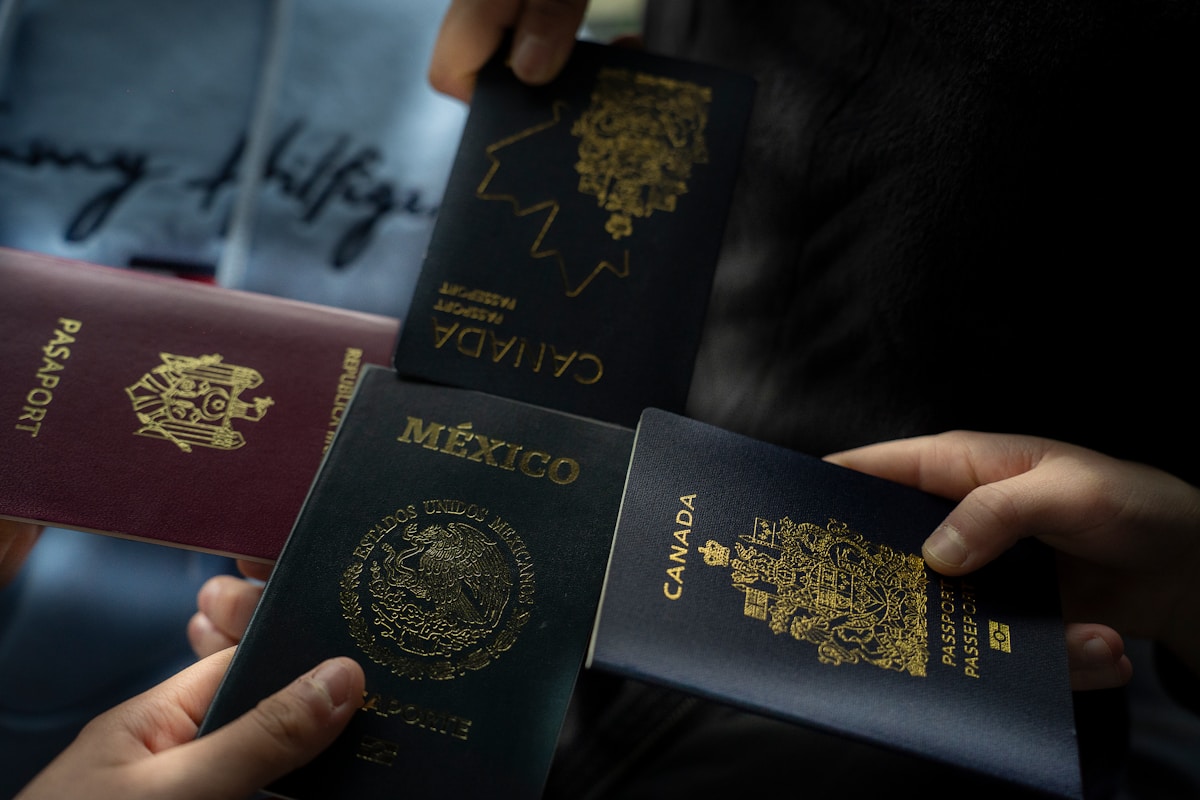
Most Balkans itineraries cross multiple land borders, and passport control adds time to every leg. Understanding how borders work in the region - and building in realistic buffers - prevents the most common Balkans travel frustration: the “we missed our bus because the border took two hours” moment.
The basics: what to expect at a Balkans border
At almost every land border crossing you will:
- Stop the bus or car at the line
- Get off with your passport (and visa/ETIAS PDF if required) and proceed through the passport-control shed
- Wait while documents are stamped or checked
- Re-board the vehicle
Queue and wait times vary significantly. Many crossings are officially open only until 8–10 pm. In peak season (summer and major holidays), wait times at busy crossings can run 30–120 minutes.
Buffer rule: Add at least 1–1.5 hours beyond the timetable time for any bus leg crossing one or more international borders.
The Schengen situation in the Balkans
Slovenia and Croatia behave broadly like Schengen; internal checks within those countries are often minimal or absent.
All other Balkans countries - Albania, Bosnia & Herzegovina, Serbia, Montenegro, North Macedonia, Kosovo, Bulgaria, Romania, Greece - have normal passport-control borders. Even EU passport holders get stamped in and out.
Major crossings for typical itineraries
1. Croatia ↔ Bosnia & Herzegovina
The most-used crossing for Split–Dubrovnik–Mostar–Sarajevo itineraries. See our full Croatia–Bosnia border crossing guide for crossing points, wait times, and tips.
- Key crossing: Metković (Croatia) – Doljani (Bosnia) - main route for southern Dalmatia to Mostar
- Important note: The Pelješac Bridge (opened 2022) now means Dubrovnik–Split bypasses Neum completely. When going directly Dubrovnik → Mostar, you hit one Bosnia border rather than the previous three crossings that went through Neum.
- Summer waits: up to 2 hours at Doljani in peak season - plan accordingly.
2. Bosnia & Herzegovina ↔ Montenegro
Key for Mostar–Kotor and Kotor–Sarajevo routes.
- Key crossing: Hum / Šćepan Polje on the Mostar–Kotor route
- Character: One of the quieter Balkans borders, though still a full stamp-and-check. Mountain-road switchbacks slow the overall journey beyond the border itself.
3. Montenegro ↔ Albania
Essential for Kotor–Tirana–Kosovo or Ohrid loops. See our Albania–Montenegro border crossing guide for the full detail.
- Key crossings: Vermic / Hani i Hotit and other road crossings
- Summer waits: often 1–2 hours or more - one of the busiest and slowest in peak season. Allow a full extra hour in your schedule.
4. Greece ↔ North Macedonia
For Thessaloniki–Skopje–Ohrid opening legs on southern Balkans circuits. Full detail in our North Macedonia–Greece border crossing guide.
- Standard Egnatia-style highway crossings; generally functions as a straightforward stamp-through
- Can be busy around holiday periods; check opening hours if driving late
5. Serbia ↔ North Macedonia
Vital for Belgrade–Skopje–Ohrid corridors.
- Key crossing: Preševo (Serbia) – Tabanovce (North Macedonia) - a main highway axis
- Character: Generally easy and well-organised; buses stop briefly, passengers file through, then re-board
For travellers also covering Bosnia, see our Serbia–Bosnia border crossing guide for the Šepak and other northern crossings.
6. Serbia ↔ Kosovo (political sensitivity)
Serbia does not recognise Kosovo’s independence and officially treats the border as an internal police checkpoint rather than an international border. This creates a specific practical issue:
If you enter Kosovo from North Macedonia and then exit via Serbia, the absence of a matching entry stamp in Serbia’s records can cause complications when you later try to re-enter Serbia from another country.
The standard workaround: Kosovo → North Macedonia → Serbia, treating the Preševo–Tabanovce line as your official land entry point for Serbia.
If Kosovo is in your itinerary, plan the sequence carefully before you travel. See our full guide to the Kosovo passport stamp issue for entry strategies and what to do if your passport gets stamped.
7. Peaks of the Balkans trail crossings (Albania, Kosovo, Montenegro)
The Peaks of the Balkans trail crosses three countries. Wherever you permanently cross from Albania → Kosovo or Kosovo → Montenegro, a small border permit fee is required - approximately €5 per person per crossing, plus Montenegro’s administrative tax. Permits are arranged via local police or the trail agencies at each stage. Day walks that straddle the border without an overnight stay typically do not need a permit.
Documents to carry
At every non-Schengen land border, assume full passport control will happen.
Core documents:
- Valid passport (ID cards are not accepted at non-Schengen borders)
- Visa/ETIAS/e-visa confirmation PDF if required for your passport and destination country
- Bus or transport ticket - the booking reference helps demonstrate you are transiting, not attempting to stay
For car or private transport:
- Vehicle registration
- Insurance (Green Card where relevant)
- International Driving Permit if recommended for your destination countries
- Bosnia and some other non-EU borders may require a €20–30 Green Card extension if your standard insurer’s product doesn’t cover non-EU countries
Time-buffering for Balkans itineraries
Simple rules to keep in mind:
- Any bus leg crossing one or more international borders needs +1–1.5 hours beyond the listed timetable time
- Avoid scheduling a late-night arrival in City A and an early departure for City B if both legs involve borders - let one day be a “pure transit” day
- Summer weekend crossings at Croatia–Bosnia and Montenegro–Albania are the most likely to run long
Useful links: Car hire in the Balkans · Airport transfers · Travel insurance
Plan Your Trip
- Flights - Find the best fares to the Balkans
- Travel Insurance - Get covered before you go
- eSIM - Stay connected from landing
- Car Rental - Compare prices across providers