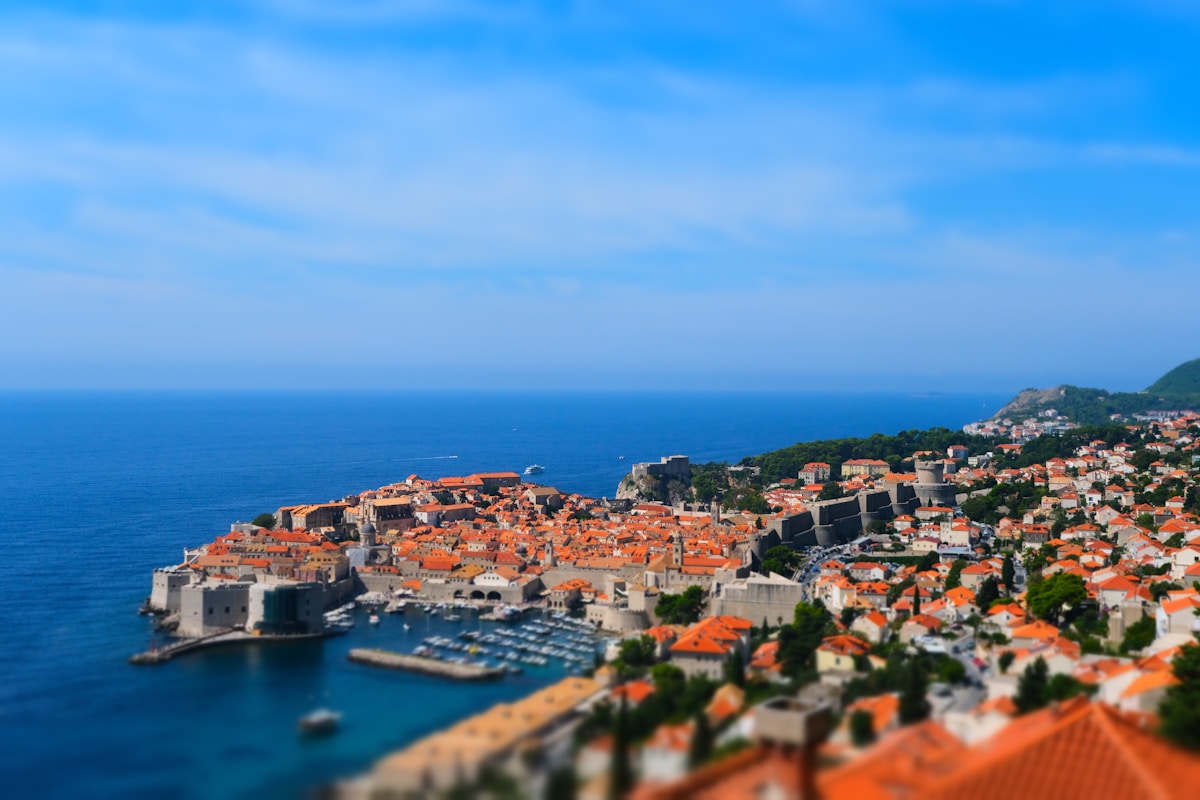
Montenegro and Croatia are next-door neighbours with more in common than most travellers realise — similar architecture, the same Adriatic climate, and overlapping histories of Venetian and Ottoman rule. But on the ground they feel different. Croatia is bigger, better-developed, and more expensive; Montenegro is compact, cheaper, and still raw enough to feel unhurried. Here is how to choose.
Quick Verdict
| Factor | Montenegro | Croatia |
|---|---|---|
| Daily budget | Lower — 20–35% cheaper than equivalent Croatia | Moderate to expensive, especially July–August |
| Coastline | Bay of Kotor + Budva Riviera + Ulcinj | Dalmatian coast + 1,200 islands |
| Old towns | Kotor (UNESCO), Perast, Budva | Dubrovnik, Split, Zadar, Trogir, Šibenik |
| Islands | None to speak of | Hvar, Brač, Korčula, Vis, Pag, and many more |
| Sailing | Minimal infrastructure | One of Europe’s top sailing destinations |
| Mountains | Durmitor, Prokletije — dramatic inland scenery | Plitvice Lakes, inland Dalmatia |
| Schengen | Outside Schengen | EU member (Schengen) |
| Crowds | Kotor gets busy; much of Montenegro is quiet | Very busy July–August on the coast |
Bottom line: Montenegro wins if you want the Bay of Kotor’s dramatic fjord-like setting, lower prices, and a more low-key pace. Croatia wins if you want island-hopping, world-class sailing, a wider choice of beaches, and a polished travel infrastructure.
Costs
Montenegro is noticeably cheaper than the Croatian coast. A coffee costs approximately €1.50–2.50, a restaurant main €10–16 in Kotor or Budva, and a mid-range hotel double €70–110 in peak season. A couple’s daily budget runs approximately €120–170 in summer.
Croatia has risen sharply since adopting the euro in 2023. On the Dalmatian coast, coffee runs €2.50–3.50, a restaurant main €15–22 in Dubrovnik, and accommodation in peak season is significantly more expensive. A couple’s daily budget in Dubrovnik or Hvar in July runs approximately €200–300.
Accommodation in Montenegro’s Herceg Novi or Perast — two of the coast’s most beautiful towns — runs well below comparable Dubrovnik options even in August.
Where to Stay
Montenegro
- Kotor — the jewel of the Bay of Kotor, with a well-preserved Venetian old town. Mid-range hotels inside or just outside the walls from approximately €80–130 per night in summer. See our Kotor accommodation guide.
- Budva — Montenegro’s liveliest beach resort, with a walled old town and sandy beaches. A wider range of accommodation than Kotor; from €60 for budget guesthouses to €150-plus for seafront hotels. See our Budva accommodation guide.
- Herceg Novi — the gateway town at the entrance to the Bay of Kotor, with beautiful gardens and lower prices than Kotor. Hotels and apartments from approximately €60–90 per night. See our Herceg Novi guide.
Croatia
- Dubrovnik — the most iconic city on the Adriatic, and the priciest. Budget €100–180 per night for a standard double outside the old town in summer. See our Dubrovnik accommodation guide.
- Split — more affordable than Dubrovnik and a practical base for island day trips or ferry connections. Mid-range from €70–120. See our Split accommodation guide.
- Island accommodation — Hvar, Brač, and Vis all have guesthouses and apartments; Hvar prices are near-Dubrovnik levels in peak season, Vis considerably less.
Where to Eat
Montenegro
- Black risotto — squid ink risotto is the signature dish of the Montenegrin coast; a generous portion for approximately €12–16 at a seafront restaurant.
- Njeguški pršut — dry-cured ham from the Njeguši village above the Bay of Kotor; served as a starter or antipasti platter for €7–12.
- Grilled fish at Perast — the small village of Perast, with views of Our Lady of the Rocks island, has several excellent seafood restaurants where a full fish dinner for two runs approximately €35–50.
Croatia
- Peka — veal or lamb cooked under a bell lid; a Dalmatian classic. Usually ordered in advance; approximately €20–28 per portion.
- Oysters at Mali Ston — Croatia’s oyster coast north of Dubrovnik; a dozen oysters approximately €12.
- Pag cheese — aged sheep’s milk cheese from the island of Pag; available at markets and restaurants across the coast for €15–25 per kg.
Getting Between Montenegro and Croatia
Road: The most common route is Kotor to Dubrovnik, approximately 2 hours via the Herceg Novi–Igalo coastal road and the Croatian border at Debeli Brijeg. This is one of the most scenic drives on the Adriatic coast.
Ferry: A direct catamaran runs seasonally between Kotor and Dubrovnik (approximately 2.5 hours). Check schedules with Mediteran Travel or Blue Line.
Bus: Multiple daily services run Kotor–Dubrovnik; journey approximately 2.5–3 hours including the border crossing. Tickets from approximately €15–20.
Best Season
Montenegro: June and September are ideal — warm enough for swimming, quieter, and noticeably cheaper than July–August. Kotor’s walled old town gets very crowded with cruise passengers in summer; arriving early morning or in the evening avoids the worst of it.
Croatia: May, June, and September are the best months — warm, less crowded, and more affordable. July and August are peak season with maximum prices and crowds on the Dalmatian coast and islands.
Day Trips
From Kotor: Perast (20 minutes, boat to Our Lady of the Rocks island), Lovćen National Park (1 hour, views over the Bay), Cetinje — Montenegro’s old royal capital (1 hour), and Budva (30 minutes) all work well as day trips.
From Dubrovnik: Montenegro’s Bay of Kotor (2 hours) is one of the most popular Dubrovnik day trips. Mostar in Bosnia (2.5 hours) and Montenegro’s Montenegrin Riviera are both feasible in a long day.
Internal Links
- Montenegro travel guide
- Croatia travel guide
- Where to stay in Kotor
- Where to stay in Budva
- Where to stay in Herceg Novi
- Where to stay in Dubrovnik
- Where to stay in Split
- Croatia and Montenegro 10-day itinerary
- Montenegro itinerary
- Croatia 7-day itinerary
- Kotor vs Dubrovnik
- Kotor vs Budva
- Albania vs Croatia
- Balkans travel costs
FAQs
Is Montenegro cheaper than Croatia? Yes — accommodation and meals in Montenegro typically run 20–35% less than equivalent options on the Croatian coast.
Which has better beaches? Croatia wins on variety — 1,200 islands give it far more beach options than Montenegro’s compact coastline. Montenegro’s best beaches are around Budva and Ulcinj.
Can you do both in one trip? Very easily — Kotor to Dubrovnik is just 2 hours by road. The 10-day Croatia and Montenegro itinerary is one of the most popular routes on this site.
Which is better for sailing? Croatia, decisively — the Dalmatian islands form one of Europe’s top sailing corridors with excellent charter infrastructure. Montenegro has minimal island sailing.
Do I need a visa for Montenegro? Most Western passport holders enter visa-free for up to 90 days. Montenegro is outside Schengen, so time there doesn’t count against your 90-day Schengen allowance.
Comparing other destinations? See our full Balkans comparison guide.
Plan your trip: Tours in Montenegro · Tours in Croatia · Travel insurance · eSIM for the Balkans