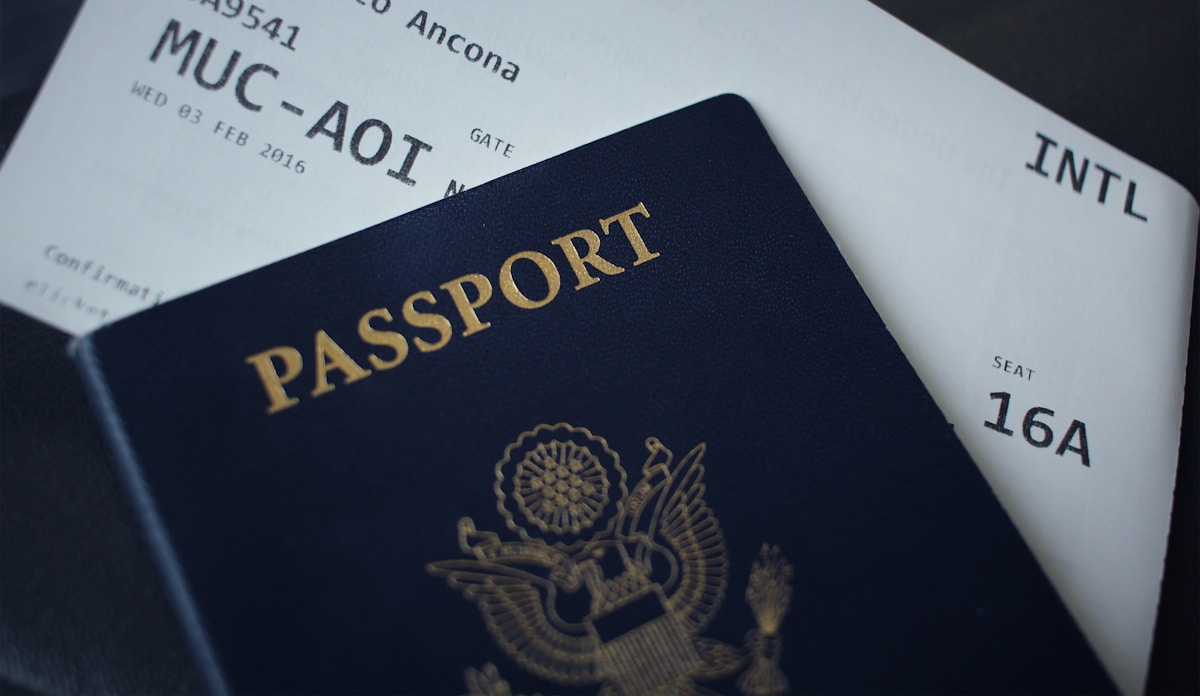
The Schengen Area gives most Western passport holders 90 days in any 180-day rolling window — across the entire zone combined. Once those 90 days run out, you cannot re-enter any Schengen country until the window tips back in your favour. The Balkans is the single most practical solution for travellers who want to stay in Europe longer without overstaying.
Which Balkans countries are not in Schengen?
Five of the seven countries we cover in this guide sit outside the Schengen Area entirely:
| Country | Schengen? | Counts towards 90/180? |
|---|---|---|
| Albania | No | No |
| Bosnia and Herzegovina | No | No |
| Kosovo | No | No |
| Montenegro | No | No |
| North Macedonia | No | No |
| Serbia | No | No |
| Croatia | Yes (from Jan 2023) | Yes |
| Slovenia | Yes (from 2007) | Yes |
Croatia and Slovenia are both full Schengen members. Every day you spend in Dubrovnik, Split, or Ljubljana is a Schengen day. This catches a lot of travellers off guard — Croatia only joined in January 2023, and many planning resources still list it as non-Schengen.
The six non-Schengen countries (Albania, Bosnia, Kosovo, Montenegro, North Macedonia, Serbia) do not consume a single day of your Schengen allowance, regardless of how long you stay. They each operate their own separate 90-day visa-free windows for most Western passports — and those windows do not interact with the Schengen 90/180 rule.
How the 90/180 rule actually works
The rule is rolling, not calendar-based. That is the most important thing to understand.
You are allowed a maximum of 90 days inside the Schengen zone within any 180-day period. The 180-day window is not January–June or any fixed block — it ends on the day you want to enter Schengen and starts exactly 180 days before that date.
Example: You enter France on 1 October. The relevant 180-day window is 5 April–1 October. Count every Schengen day within that window. If the total is 89 days, you have 1 day remaining. If it is 91, you overstayed and are technically in violation even if the most recent crossing was perfectly timed.
Common mistake: Treating the 90 days as a calendar half-year. It is not. You could theoretically have used 30 Schengen days in April and 59 more in August-September, and on 1 October your window contains 89 Schengen days — even though you left in between.
Tools: The EU’s official Schengen calculator at ec.europa.eu/home-affairs lets you enter your travel dates and returns your remaining allowance. Use it before every entry — not once at the start of the trip.
Getting travel insurance sorted first
Before planning a multi-month Balkans reset, sort your insurance. This is not optional.
For stays in Albania, Bosnia, Montenegro, Kosovo, North Macedonia, and Serbia, the EHIC does not apply. You need private travel insurance for medical emergencies in all six of these countries. For stays over 30 days, an annual multi-trip policy works out significantly cheaper than single-trip cover.
EKTA travel insurance → covers all Balkans countries including non-Schengen ones, and is straightforward to configure for multi-month stays. If you are planning a circuit that includes Albania or Serbia as your reset base, get this locked in before you book transport.
Croatia is the exception — EHIC applies there, as with any Schengen country.
Sample 6-month routing: Schengen + Balkans reset
This routing assumes a US, UK, Canadian, Australian, or NZ passport (90 days visa-free in Schengen, 90 days visa-free per non-Schengen Balkans country). Dates are illustrative.
Month 1–3: Use your 90 Schengen days
Arrive in Italy or Spain in early April. Spend 90 days across any combination of Schengen countries — France, Germany, Czech Republic, Greece (all Schengen). By early July your Schengen balance is at zero. Do not enter Croatia or Slovenia.
Month 3–6: Reset in non-Schengen Balkans
Cross from Greece (Schengen) to Albania (non-Schengen) at the Kakavijë border crossing or fly Tirana–Athens. From 1 July onward, every day in Albania, Montenegro, Bosnia, Serbia, Kosovo, or North Macedonia does not count as a Schengen day.
A practical circuit for 90 reset days:
- Albania: 3–5 weeks (Tirana, Berat, Gjirokastër, Albanian Riviera)
- Montenegro: 2–3 weeks (Kotor, Budva, Durmitor)
- Serbia: 3–4 weeks (Belgrade, Novi Sad, Niš)
- Bosnia: 2 weeks (Sarajevo, Mostar)
- North Macedonia: 1–2 weeks (Ohrid, Skopje)
By early October, your 180-day Schengen window now contains only the April–July days — and those days are dropping out of the window. By mid-October, your 90-day window from 5 April has fully cleared. You can re-enter the Schengen zone.
Month 6: Re-enter Schengen with a fresh balance
Fly or cross by land from Serbia or North Macedonia into an EU/Schengen country. You now have up to 90 fresh days — until early January if you play it right.
Getting around during the reset: For transfers between Balkans countries, Kiwitaxi handles cross-border routes that public buses do not cover well (e.g., Tirana–Kotor, Sarajevo–Belgrade). It is worth booking in advance for border crossings with early-morning buses.
Staying connected: A roaming eSIM saves you swapping physical SIMs at each border. Airalo has regional Balkans plans and country-specific plans for Serbia and Albania.
Country-by-country visa-free stays (most Western passports)
| Country | Visa-free days | Notes |
|---|---|---|
| Albania | 1 year (EU/US/UK) | Most Western passports get 365 days. Police registration technically required for private accommodation beyond 30 days — rarely enforced for short stays |
| Bosnia and Herzegovina | 90 days | 90 days per entry for most Western passports |
| Kosovo | 90 days per 180 days | Officially 90/180 rolling rule, separate from Schengen |
| Montenegro | 90 days | 90 days per entry; new e-visa system planned but not yet in force |
| North Macedonia | 90 days | 90/180 rule similar to Kosovo |
| Serbia | 90 days | 90 days per entry; widely used as a long-stay base |
Verify your specific passport: The above applies to EU, US, UK, Canadian, Australian, and NZ passports. Other nationalities should check each country’s official immigration website. Rules change — particularly for Kosovo, which is not recognised by all countries.
Digital nomads: the Balkans reset as a base strategy
If you are working remotely and want to spend most of the year in Europe, the most practical structure for 2026 is:
- 90 days in Schengen (Western/Central Europe)
- 90 days in non-Schengen Balkans (Serbia, Albania, Bosnia as primary bases)
- Back to Schengen with a refreshed window
Serbia and Albania are the strongest nomad bases during the reset window. Belgrade has a mature coworking scene, fast fibre broadband, and a cost of living well below any Western European city. Tirana is rapidly improving and is significantly cheaper.
For a deeper look at working from each city — coworking spaces, monthly costs, accommodation — see the Balkans digital nomad guide.
For country-specific digital nomad visa options (if you plan to stay longer than 90 days in Albania or Croatia specifically), see:
Kosovo stamp issue
One practical Schengen-reset complication: Kosovo. If you enter Kosovo from Serbia, your passport will not get a Kosovo entry stamp (Kosovo and Serbia do not recognise each other’s border authority). If you then try to enter certain other countries — notably Bosnia or some EU countries — with a Kosovo stamp but no corresponding Serbian exit stamp, you may face questions.
This is a real issue for overland travel. It is not Schengen-related, but it affects the routing of any extended Balkans circuit. See the Kosovo stamp guide before planning overland routes through both Serbia and Kosovo.
Entering and exiting: what border officers check
When you leave a Schengen country for a non-Schengen Balkans country, Schengen border officers typically check that you have not already overstayed. When you re-enter Schengen after a Balkans reset, the officer will want to see evidence that you were outside Schengen long enough to have a valid remaining allowance.
Useful documents to carry:
- Receipts or accommodation confirmation from non-Schengen stays
- Bank statements or card transactions showing activity in non-Schengen countries
- Onward travel documentation
You are not legally obliged to carry these, but having them available makes any conversation short. Officers occasionally ask returning travellers to demonstrate their 90/180 calculation, particularly at land border crossings from Serbia or Albania into Greece.
The Schengen expansion question
There is ongoing discussion about several Balkans countries joining the Schengen Area. As of 2026, no additional Balkans country has joined Schengen beyond Croatia and Slovenia. Bulgaria joined in early 2024 for air travel and by full land/sea borders later that year.
Any future Schengen expansion in the region (Serbia, Montenegro, Albania, Bosnia, North Macedonia, Kosovo are all EU membership candidates at varying stages) would change this calculus significantly. We will update this guide when — and if — membership changes.