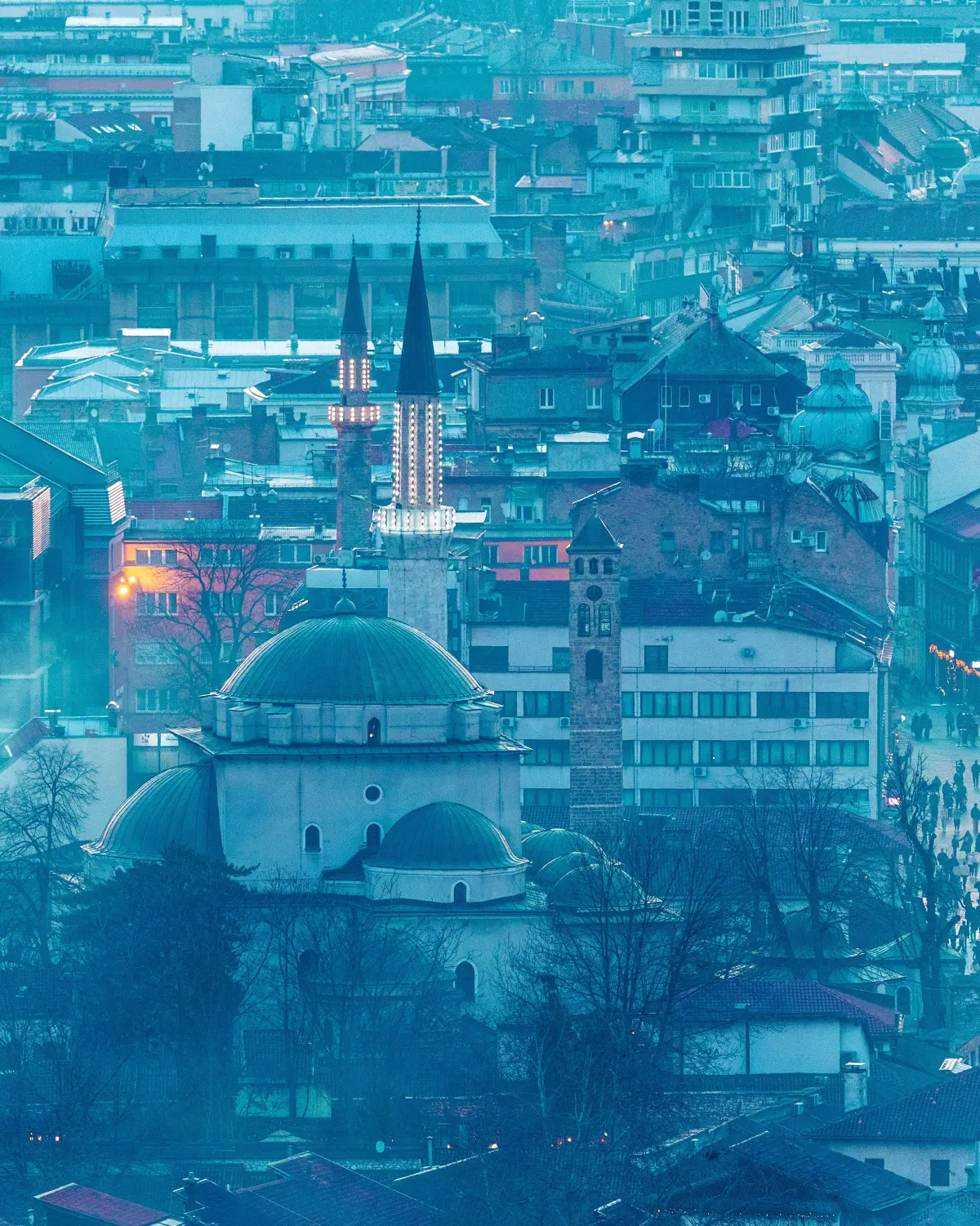
Sarajevo and Belgrade sit 250 km apart on either side of the Drina River - two Balkan capitals shaped by dramatically different 20th-century histories and offering two distinct city-break experiences. Sarajevo is intimate, layered with Ottoman and Austro-Hungarian architecture, and carries the weight of the 1990s siege in a way that is everywhere but never morbid. Belgrade is larger, louder, and relentlessly alive - a city whose nightlife reputation has reached every corner of Europe. Here is how they compare on the ground.
Quick Verdict
| Factor | Sarajevo | Belgrade |
|---|---|---|
| Old town character | Baščaršija - Ottoman bazaar atmosphere | Kalemegdan fortress and Skadarlija bohemian quarter |
| Nightlife | Relaxed cafe culture; some bars open late | Internationally known - river clubs, Savamala, open until dawn |
| History depth | Ottoman, Austro-Hungarian, WWI assassination, 1990s siege | Roman, medieval, Ottoman, Austro-Hungarian, Yugoslav-era |
| City size | Compact - easily walkable | Large - metro area of 1.8 million |
| Budget friendliness | Very affordable | Affordable; slightly pricier than Sarajevo for accommodation |
| Best day trips | Mostar (2.5 hours), Travnik, Jajce waterfalls | Novi Sad (45 minutes), Fruška Gora, Topola |
Bottom line: Sarajevo wins for history, intimacy, and those who want to understand the Balkans more deeply. Belgrade wins for nightlife, city size, and those who want a capital with urban energy. The bus between them takes 5–6 hours - many visitors do both.
Costs
Sarajevo is one of the most affordable capitals in Europe. A coffee (often Bosnian coffee, served with a sugar cube and lokum in a džezva) costs approximately €1–1.50. A restaurant main in the old town runs €6–12, and a beer at a Baščaršija bar is €2–3. A couple’s daily budget (mid-range guesthouse, three meals, an activity) comes to approximately €90–130.
Belgrade is slightly more expensive, particularly for accommodation. Coffee runs €1.50–2.50, restaurant mains €10–16, and cocktails in Savamala €6–10. A couple’s day in Belgrade lands around €120–170. The city has more high-end options that push the ceiling higher, but budget travel is very possible.
Where to Stay
Sarajevo
- Baščaršija area guesthouses - staying inside or immediately adjacent to the old town gives the best first-morning experience; boutique guesthouses from approximately €60–90 per night.
- Hotel Courtyard by Marriott - modern hotel 10 minutes’ walk from the old town; doubles from approximately €90–120. Good for reliability and breakfast.
- Kovači neighbourhood - hillside neighbourhood above the old town with pension-style accommodation from €40–60 per night. Steep streets but rewarded with views.
Belgrade
- Savamala district - the creative waterfront quarter; boutique hotels and design-forward guesthouses from approximately €70–100 per night. Walking distance to river clubs and Kalemegdan.
- Hotel Moskva - landmark early-20th-century hotel on Terazije square; doubles from approximately €100–130. Elegant and central, with Belgrade’s best pastry shop in the lobby.
- Skadarlija area - bohemian quarter with guesthouses from €55–80 per night; walkable to the best kafanas (traditional restaurants with live music).
Where to Eat
Sarajevo
- Inat Kuća (Spite House) - traditional Bosnian cooking across the river from the old town; ćevapi, burek, and grilled meats; mains approximately €8–14. The location in a relocated Ottoman house is part of the appeal.
- Food tours in Sarajevo are an excellent introduction to local dishes like begova čorba (bey’s soup), klepe (Bosnian dumplings), and tufahija (walnut-stuffed poached apple).
- Baščaršija grills - several small ćevabdžinica (ćevapi houses) around the copper market; ćevapi in a somun (flatbread) with kajmak costs approximately €3–5. Ćevapdžinica Hodžić is consistently recommended.
Belgrade
- Savamala kafanas - the traditional Serbian restaurant-taverna where live music is standard and the meze arrives in waves; expect to spend €20–30 per person with wine. Kafana ? is a reliable choice.
- Food tours in Belgrade cover Serbian specialities: pljeskavica (giant burger), pasulj (bean stew), gibanica (cheese pastry), and the country’s excellent fresh-pressed juices.
- Fish market near Kalemegdan - grilled river fish (catfish, carp, pike) simply prepared; mains €10–15. A local tradition with a Danube backdrop.
Getting Between Sarajevo and Belgrade
By bus: Multiple daily services from Sarajevo Central Bus Station to Belgrade Bus Station. Journey time is approximately 5–6 hours depending on the route and border formalities. Tickets from approximately €15–22.
By car: Around 4.5–5 hours on the E761/E65. The route passes through Zvornik at the Bosnia-Serbia border - bring your passport. The drive through the Drina valley is scenic.
By train: A limited service exists but is slow (approximately 8–9 hours) and not recommended for this route. Bus or car are far more practical.
Best Season
Sarajevo: April to June and September to October offer mild temperatures and manageable crowds. July and August are warm but the old town becomes busy. Winter is distinctive - Sarajevo held the 1984 Winter Olympics and the surrounding hills still host skiing at Jahorina and Bjelašnica (from approximately €20 per day for a lift pass).
Belgrade: May, June, and September are the best months. The river club season peaks July–August when Sava and Danube clubs run all night. Belgrade’s parks and terraces are at their best in warm weather; the city is less interesting for outdoor life in winter, though the cultural calendar (EXIT festival in Novi Sad in July, Belgrade Dance Festival in March) draws visitors year-round.
War History in Sarajevo
This deserves its own section. Sarajevo’s four-year siege (1992–1996) - the longest siege of a capital city in the history of modern warfare - is documented thoughtfully throughout the city. The Tunnel of Hope (Tunnel D-B, 800 m long, built to supply the city under siege) is 6 km from the old town and costs approximately €5 to enter. The War Childhood Museum near the Eternal Flame is among the most affecting small museums in the Balkans. These are not grim tourist experiences - they are honest, carefully curated, and help visitors understand what post-Yugoslavia means in human terms.
Internal Links
- Bosnia and Herzegovina travel guide
- Serbia travel guide
- Where to stay in Sarajevo
- Where to stay in Belgrade
- Day trips from Sarajevo
- Day trips from Belgrade
- Food tours in Sarajevo
- Food tours in Belgrade
- Serbia 7-day itinerary
- Serbia and Bosnia 7 days
- Mostar vs Sarajevo
- Sofia vs Belgrade
- Getting around the Balkans
- Best time to visit the Balkans
FAQs
Which is better for first-time Balkans visitors? Sarajevo is often more immediately striking - compact, walkable, and every layer of history is visible. Belgrade rewards those who want a larger European city experience. Ideally, visit both.
Is Belgrade safe for tourists? Yes. Standard city precautions apply. Nightlife areas are lively but generally safe.
How long do you need in Sarajevo? Two full days is the minimum. Three is more comfortable, with time for a day trip to Mostar.
What is Belgrade best known for? Nightlife - particularly the river club (splavovi) scene and Savamala creative district, both internationally recognised.
Is Serbia or Bosnia cheaper? Both are very affordable. Day-to-day costs are similar; Belgrade has a wider range at higher top-end prices.
Comparing other destinations? See our full Balkans comparison guide.
Plan your trip: Guided tours in Sarajevo · Guided tours in Belgrade · Car hire in the Balkans · Search flights
🏨 Search hotels in Sarajevo - Search hotels in Belgrade
Plan Your Trip
✈️ Book your flights to the Balkans 🛡️ Get travel insurance 📱 Stay connected with an eSIM 🚗 Rent a car