June is the last window before the Balkans tips into full peak season. The Adriatic is warm enough to swim, accommodation is still available without advance booking in most places, and prices on the Croatian coast have not yet doubled. We consider early June the best two-week window for a multi-country trip that combines coast and cities.
Weather by Region
Croatian coast (Dubrovnik, Split, Hvar): 24–29°C with long, sunny days. The sea reaches 21–23°C - comfortable for swimming. Dubrovnik is busy but not yet at July-August capacity, when cruise ship arrivals push daily visitor numbers past 10,000. Hvar’s beach clubs and Split’s Riva promenade are in full swing.
Montenegro coast (Kotor, Budva, Ulcinj): 24–30°C. The Bay of Kotor heats up quickly in June. Budva’s beaches are fully open with sunbed infrastructure, and Sveti Stefan is at its most photogenic. Ulcinj’s Long Beach (Velika Plaza) is warm and uncrowded compared to the northern coast.
Bosnia (Sarajevo, Mostar): 18–27°C. Both cities are warm and dry. Mostar’s Stari Most bridge jumping season begins - divers leap from the 24m bridge into the cold Neretva below. Sarajevo’s outdoor kafana terraces are the place to be in the early evening.
Serbia (Belgrade, Novi Sad): 22–29°C. Belgrade’s Ada Ciganlija lake-island is fully operational - locals treat it as the city beach. Novi Sad’s Petrovaradin Fortress starts hosting outdoor events in the run-up to EXIT Festival in July.
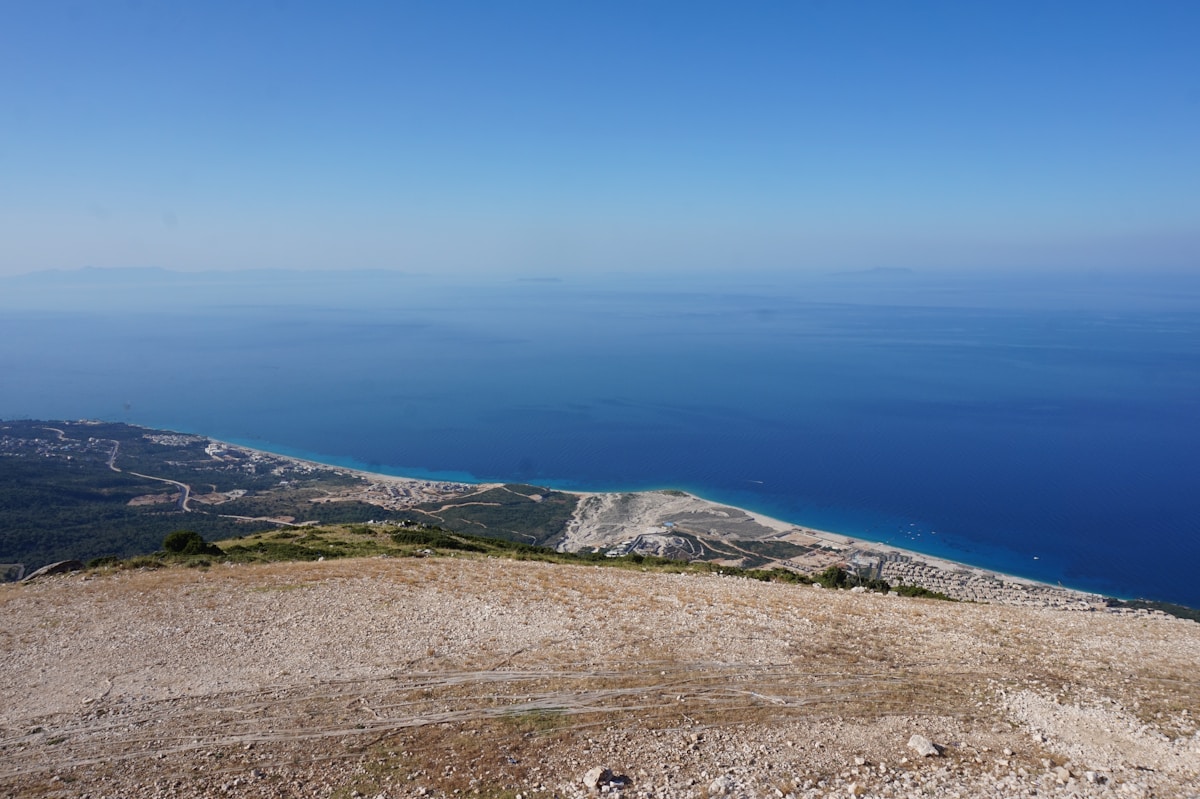
Albania (Tirana, Albanian Riviera): 24–31°C. The Riviera is in excellent form: warm, quiet, and a fraction of Croatian coast prices. Ksamil’s turquoise water and Dhermi’s long pebble beach are at their best before the August crowds arrive.
North Macedonia (Skopje, Ohrid): 22–30°C. Ohrid Lake reaches 20–22°C and the town fills with a mix of regional tourists and Europeans. The Galicica National Park trails are dry and walkable.
Festivals and Events
June marks the opening of the Balkans summer festival calendar. The Dubrovnik Summer Festival (Dubrovačke Ljetne Igre) begins in mid-July, but the city’s outdoor cultural programme starts earlier with concerts and theatre in the Lovrijenac Fortress courtyards. Ohrid Summer Festival, one of the oldest cultural festivals in the region, begins in late June and runs through mid-August with classical music and theatre performances at the Ancient Theatre overlooking the lake.
In Serbia, the Belgrade Summer Festival (BELEF) launches in mid-June with open-air performances in Kalemegdan Fortress. Novi Sad gears up for EXIT in July, but June sees warm-up events and a charged atmosphere in the city’s Laze Telečkog bar street.
Albania’s Gjirokastër National Folklore Festival runs every five years (next edition due 2028), but the southern Albanian towns host smaller regional music events through June that are worth catching.
What to Do
Coastal road trips are ideal in June - hiring a car for the Dubrovnik–Kotor–Budva–Ulcinj route along the Adriatic takes 3–4 days and includes two border crossings - both fast in June (15–20 minutes). Continue south through Albania to Sarandë and Ksamil for the best-value beaches on the Adriatic. Croatian coast accommodation runs 20–30% below July rates; Albanian coast rooms cost €30–50 per night for a seafront guesthouse.
Island-hopping in Croatia works well. Ferries from Split to Brač, Hvar, Vis, and Korčula run full summer schedules. Vis - the furthest from the mainland - is the least crowded and has the best food, particularly at Konoba Bako in Komiža.
Hiking remains good in June at higher altitudes. The Valbona to Theth trail in the Albanian Alps is in peak condition. Durmitor’s Black Lake circuit and Tara Canyon rim walks are dry and warm. Lower-altitude hikes become too hot by midday - start early.
Prices and Practical Notes
June is shoulder-to-high season depending on location. Croatian coast prices rise sharply from mid-June as school holidays begin across Europe. Dubrovnik accommodation in late June can approach July rates. Montenegro and Albania remain 40–60% cheaper than Croatia throughout the month.
Flights into the region are frequent. Direct services operate from London, Berlin, Vienna, and Rome to Dubrovnik, Split, Tirana, Belgrade, and Podgorica. Book internal flights (e.g., Belgrade to Tirana via Wizz Air) early - they fill fast in summer.
All border crossings are open and staffed. The Neum corridor (where Bosnia bisects the Croatian coast) is straightforward in June - the Pelješac Bridge bypasses it entirely now.
Who June Suits
Couples and groups wanting warm-sea swimming without July-August prices and crowds. Road trippers covering multiple countries. Hikers who want accessible mountain trails before summer heat closes the window on lower altitudes. Anyone aiming for the Croatian coast on a reasonable budget should prioritise early June.
See our Balkans transport guide for border crossings, bus routes, and getting between countries.
See also
- Best time to visit the Balkans
- Balkans in May
- Balkans in July
- Croatia sailing guide
- Best beaches in the Balkans
- Croatia travel guide
- Montenegro travel guide
Plan your trip: Search flights to the Balkans · Travel insurance · Balkans eSIM via Airalo · Tours & activities