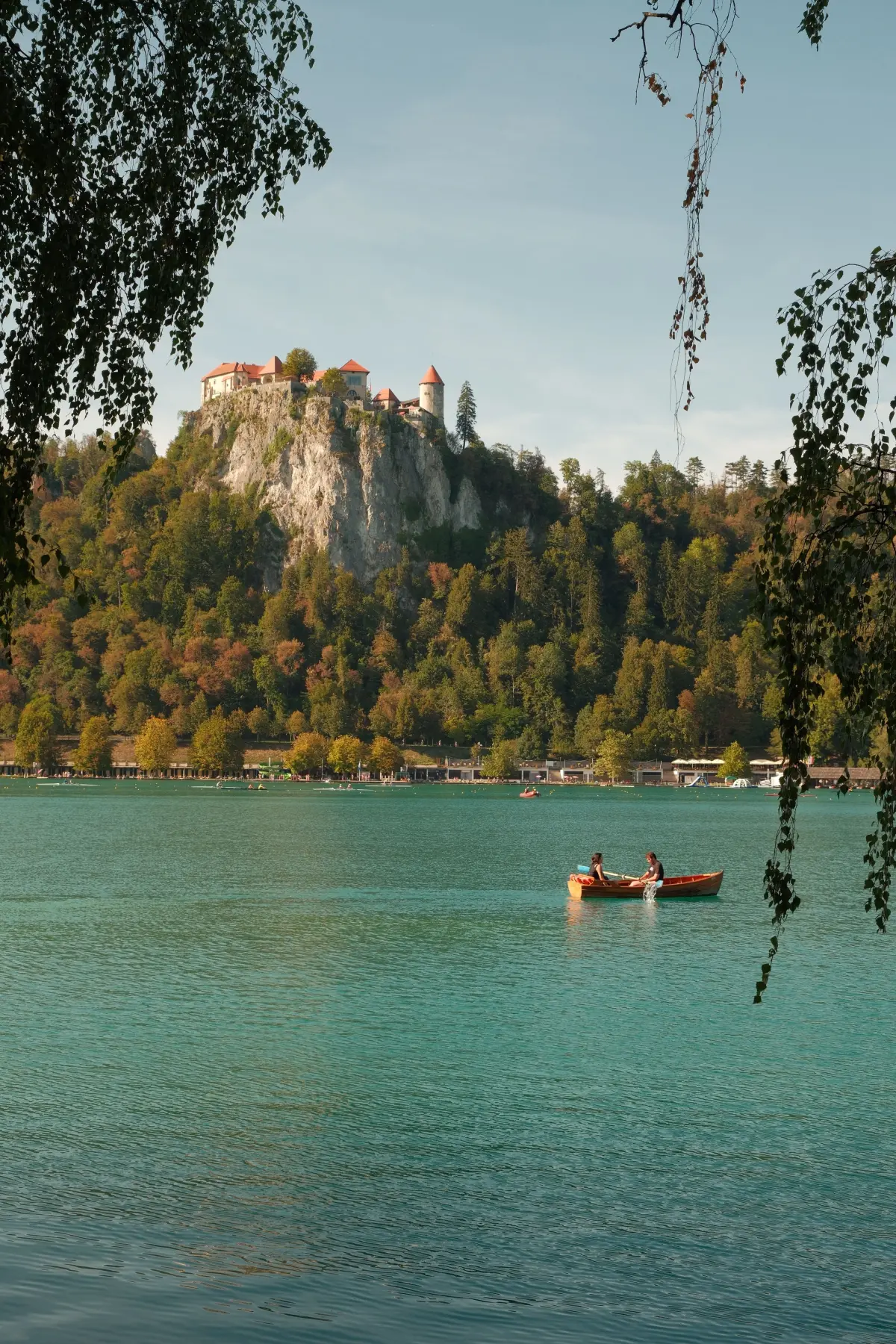
Two Balkan lakes with island churches, old town hillsides, and scenic mountain backdrops - but very different experiences on the ground. Lake Bled has become one of Europe’s most photographed destinations, drawing visitors in numbers that the small village struggles to absorb. Lake Ohrid, larger, older, and less discovered, sits on the North Macedonia-Albania border with a UNESCO-listed old town, early Christian churches, and a fraction of Bled’s visitor numbers. This comparison is genuinely useful - they are often mentioned together and the differences are significant.
Quick Verdict
| Factor | Ohrid | Bled |
|---|---|---|
| Lake size | 358 km² - one of Europe’s oldest and deepest lakes | 1.4 km² - small glacial lake |
| UNESCO status | Yes - old town and lake (natural and cultural) | No |
| Crowds | Manageable, even in summer | Heavily crowded July–August |
| Price level | Very affordable - one of North Macedonia’s best value destinations | Expensive by regional standards; Slovenia has a Western European price base |
| Swimming | Warm, clear, excellent (July: ~23°C) | Cold, restricted in parts (~21°C peak) |
| Historical depth | Roman ruins, Byzantine churches, 365 churches counted historically | Medieval castle, Baroque church on island |
| Best for | History, culture, longer stays, swimming | Alpine photography, short day trips from Ljubljana |
Bottom line: Ohrid wins on almost every practical measure - price, swimming, history, and value for a multi-day stay. Bled wins on concentrated alpine drama and logistics if you are already in Slovenia. If you are in the Balkans and have not been to either, go to Ohrid first.
Costs
Ohrid is one of the most affordable lake destinations in Europe. A coffee on the waterfront costs approximately €1.50–2, a restaurant main €7–12, and a beer at a terrace bar €2–3. A couple’s day (mid-range hotel, three meals, a boat trip on the lake) runs approximately €90–130.
Bled is significantly more expensive. Slovenia uses the euro and has Western European wage levels. A coffee at the lakeside costs €3–4, a restaurant main €15–22, and the famous kremšnita (cream cake) at the original Bled cafe costs approximately €5–6. A couple’s day in Bled runs approximately €180–260 depending on accommodation.
Accommodation follows the same gap: a guesthouse in Ohrid’s old town costs approximately €50–80 per night; equivalent comfort in Bled runs €100–180 per night.
Where to Stay
Ohrid
- Old town guesthouses - staying in the hillside old town puts you among Byzantine churches and cobblestones; guesthouses from approximately €50–70 per night in shoulder season. Lake views from upper rooms are exceptional.
- Ohrid waterfront - modern apartments and small hotels along the lake promenade from €45–75 per night. Ideal for early-morning swims.
- Villa Jovan - well-regarded small guesthouse with lake views; doubles from approximately €55–80. Family-run, good breakfast included.
Bled
- Bled town centre - guesthouses and small hotels within walking distance of the lake; doubles from approximately €90–130.
- Hotel Triglav Bled - lakeside hotel with terrace overlooking the island; doubles from approximately €160–220 in peak season. One of Bled’s most atmospheric options.
- Bohinj valley alternative - 30 minutes from Bled by bus; Lake Bohinj is quieter, cheaper (€60–100 per night), and equally beautiful - an excellent base if Bled is overbooked or overpriced.
Where to Eat
Ohrid
- Ohrid restaurants lean heavily on the lake’s endemic trout (Ohrid trout, locally farmed and protected) and freshwater carp. Mains at a lakefront restaurant run approximately €9–15.
- Restaurant Antiko - traditional Macedonian cooking in a stone courtyard in the old town; stuffed peppers, tavče gravče (baked beans), and grilled meats; mains approximately €8–13.
- Waterfront konobas - casual restaurants along the main promenade grill fresh fish simply; a grilled trout plate with bread and salad costs approximately €10–14.
Bled
- Gostilna pri Planincu - traditional Slovenian inn; roast meats, jota (bean and cabbage stew), and venison; mains approximately €18–28. One of the more affordable proper restaurants in Bled.
- Oštarija Peglez’n - Slovenian comfort food and grilled meats; mains €16–24. Popular with locals as much as visitors.
- Kremšnita at Sava Hotels - the original Bled cream cake at the Park Hotel cafe; approximately €5.50. Worth queuing for.
Getting to Each
Ohrid: Ohrid Airport (OHD) has seasonal flights from several European cities. By bus from Skopje: approximately 3 hours; from Tirana: approximately 3–4 hours. The Albania-North Macedonia 7-day itinerary includes Ohrid as a highlight.
Bled: No airport at Bled - Ljubljana Airport (LJU) is 40 km away. Direct buses run from Ljubljana central bus station to Bled in approximately 1 hour 15 minutes; tickets from approximately €6–8. Trains reach Lesce-Bled station (4 km from the lake centre). From Zagreb: 2.5 hours by car or bus.
Getting Between Ohrid and Bled
There is no practical direct route. The two destinations are approximately 1,000 km apart by road, crossing multiple countries. Travellers combining both typically fly (Ohrid → Skopje or Tirana → Ljubljana, fares from €50–120) or treat them as separate Balkans trips. They share a thematic similarity - UNESCO lake landscapes, old town hills, island churches - but are not logistically close.
What to Do
Ohrid
- Boat trips on the lake: local wooden boats circle the lake stopping at the Church of St. John at Kaneo (one of the Balkans’ most photographed Byzantine churches); full-day tours approximately €15–20 per person.
- Things to do in Ohrid include the Samuel’s Fortress (entry approximately €2), the Ancient Theatre (entry approximately €2), and the Archaeological Museum.
- Swimming from the pebbly beaches below the old town walls - the lake’s clarity is exceptional. Entry to some private beach areas €2–5.
- Day trip to the Albanian side of the lake: Pogradec and the Lin peninsula for a quieter perspective.
Bled
- Pletna boat to Bled Island: traditional wooden boats rowed by licensed gondoliers; approximately €16 return per person. Ring the bell for good luck.
- Bled Castle: clifftop fortress with a museum and panoramic views; entry approximately €15.
- Lake Bled day trips reach the Vintgar Gorge (entry approximately €10), Lake Bohinj (free), and Triglav National Park.
- Hiking: the Mala Osojnica viewpoint trail (1.5 hours return) gives the classic lakeside panorama. Free.
Internal Links
- North Macedonia travel guide
- Slovenia travel guide
- Where to stay in Ohrid
- Where to stay in Lake Bled
- Best restaurants in Ohrid
- Things to do in Ohrid
- Things to do at Lake Bled
- Lake Bled day trips
- Albania-North Macedonia 7-day itinerary
- North Macedonia 5-day itinerary
- Ohrid vs Budva
- Best time to visit the Balkans
FAQs
Is Ohrid worth visiting instead of Bled? Yes. Ohrid is larger, historically richer, cheaper, and less overrun. It has UNESCO dual status (natural and cultural), early Christian churches, Roman ruins, and warm swimming water. Bled is more dramatic in its alpine setting but far more crowded and expensive.
How big is Lake Ohrid compared to Bled? Lake Ohrid is approximately 358 km². Lake Bled is just 1.4 km². Ohrid is a proper city; Bled is a small village.
Is Lake Bled worth the hype? The setting is genuinely spectacular but in July–August it is heavily saturated. Views are best early morning. Those wanting similar beauty with fewer people often prefer nearby Bohinj.
How do you get between Ohrid and Bled? There is no direct route - they are about 1,000 km apart. Flying (Ohrid/Tirana to Ljubljana) is the most practical option for those combining both.
Which has better swimming? Ohrid - warmer (23°C+ in July), crystal clear, with beaches at the waterfront. Bled is colder and swimming is restricted in places.
Comparing other destinations? See our full Balkans comparison guide.
Plan your trip: Guided tours in Ohrid · Tours in Slovenia and Lake Bled · Car hire in the Balkans · eSIM for the Balkans
🏨 Search hotels in Ohrid - Search hotels in Bled
Plan Your Trip
✈️ Book your flights to the Balkans 🛡️ Get travel insurance 📱 Stay connected with an eSIM 🚗 Rent a car