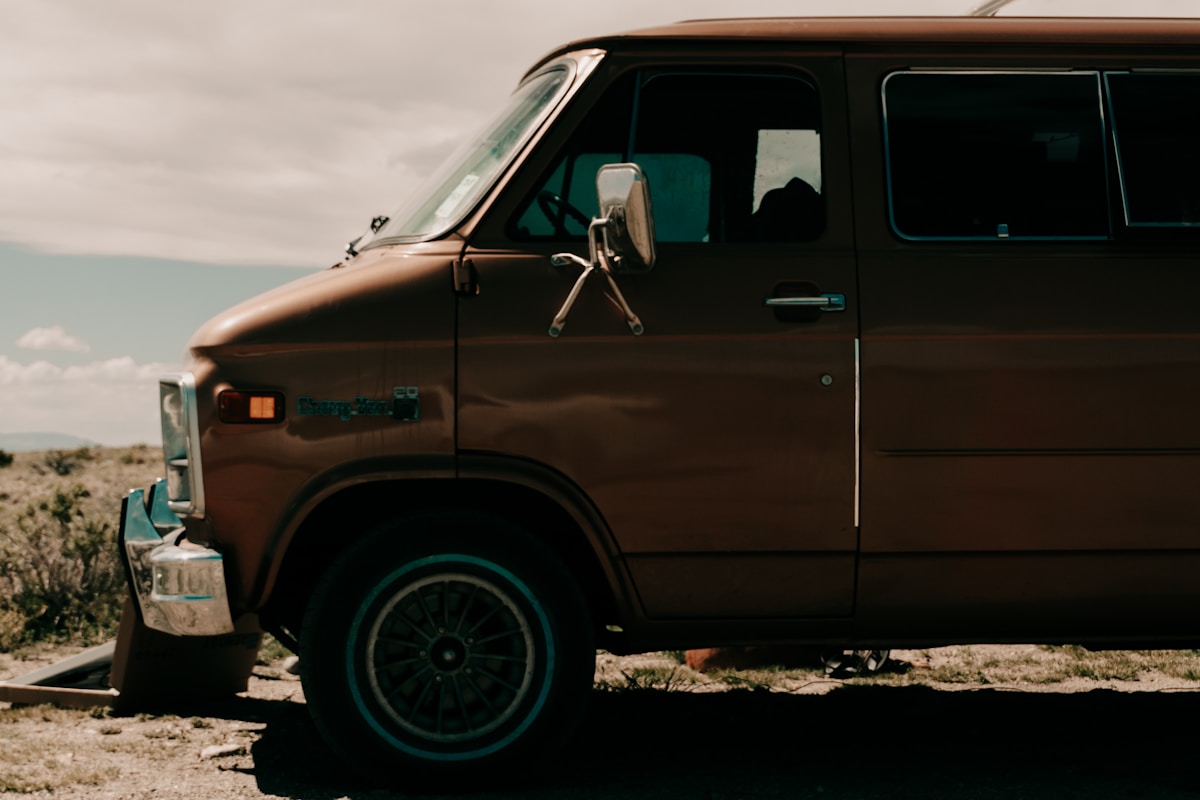
A road trip is the best way to explore the Western Balkans. Public transport connects the major cities but bypasses the places that make the region exceptional - remote monasteries, mountain passes, and coastal villages only reachable by car.
Why Drive the Balkans
- Freedom to stop at viewpoints, rural towns, and places not on the bus route
- Mountain areas (Albanian Alps, Durmitor, Sutjeska) are impractical without a car
- Accommodation is cheaper away from the major tourist towns
- Border crossings that take 30 minutes by car can mean 2-hour delays on international buses
Key Road Trip Routes
Route 1: The Classic Adriatic Coast (7–10 days)
Split → Dubrovnik → Kotor → Budva → Shkodër → Sarandë
The most popular Balkans road trip. Follows the Adriatic coast south through Croatia, crosses into Montenegro, and continues into Albania. Distance: approximately 600 km.
Key stops: Dubrovnik old town; Bay of Kotor; Ostrog Monastery (just off route); Shkodër Lake; Ksamil beaches.
Route 2: Bosnia and the Interior (7–10 days)
Split → Mostar → Sarajevo → Belgrade (or Kotor)
Inland from the coast into Bosnia. More culturally varied than a pure coastal route.
Key stops: Mostar old bridge; Blagaj tekke; Sarajevo Baščaršija; Sutjeska National Park.
Route 3: The Full Western Balkans Loop (14–21 days)
Ljubljana → Zagreb → Split → Dubrovnik → Kotor → Tirana → Ohrid → Skopje → Pristina → Sarajevo → Belgrade → back
A comprehensive circuit covering Slovenia, Croatia, Montenegro, Albania, North Macedonia, Kosovo, Bosnia, and Serbia. Requires careful planning on car hire permissions.
Car Hire Tips
Before anything else, hire a car that explicitly permits travel in every country on your route - cross-border restrictions catch many travellers off guard.
- Check cross-border permissions: Albania and Kosovo are often excluded from standard policies. Request written authorisation for every country you plan to enter.
- Insurance excess: The excess on Balkans car hire is often high (€1,500–3,000). Consider a standalone excess waiver policy - cheaper than the hire company’s own CDW in most cases.
- Pick up and drop off locations: Open-jaw hire (pick up in Split, return in Tirana) is possible but adds to cost. Plan your route to return to the same city or factor in the drop-off fee.
- Fuel: Petrol stations are plentiful on main routes but sparse in mountain areas. Fill up before heading into the Albanian Alps or Montenegro’s interior.
- Road conditions: Main routes are good. Mountain roads are often narrow and unmarked. Albania’s road network has improved dramatically but rural tracks still require attention.
Border Crossings by Car
Border queues are unpredictable - peak summer weekends on the Croatia-Montenegro border (Debeli Brijeg) can run 2–4 hours. Earlier morning or late evening crossings are faster. See the full border crossings guide for each crossing.
Navigation
Google Maps works throughout the region with downloaded offline maps. Waze is widely used in Serbia and Croatia. Some mountain roads in Albania and Montenegro are not fully mapped - paper maps or offline OSM maps are useful backup.
Fuel and Costs
Fuel prices are broadly similar to European averages in Croatia, Montenegro, and Slovenia. Albania and Serbia have slightly cheaper fuel. Budget €0.50–0.70 per kilometre for a typical route covering fuel, insurance, and hire fees on a mid-range vehicle. Comparing suppliers before you book can significantly reduce the hire cost - hire a car in the Balkans through GetRentacar to compare rates across the main providers.
Plan Your Trip
- Flights - Find the best fares to the Balkans
- Travel Insurance - Get covered before you go
- eSIM - Stay connected from landing
- Car Rental - Compare prices across providers