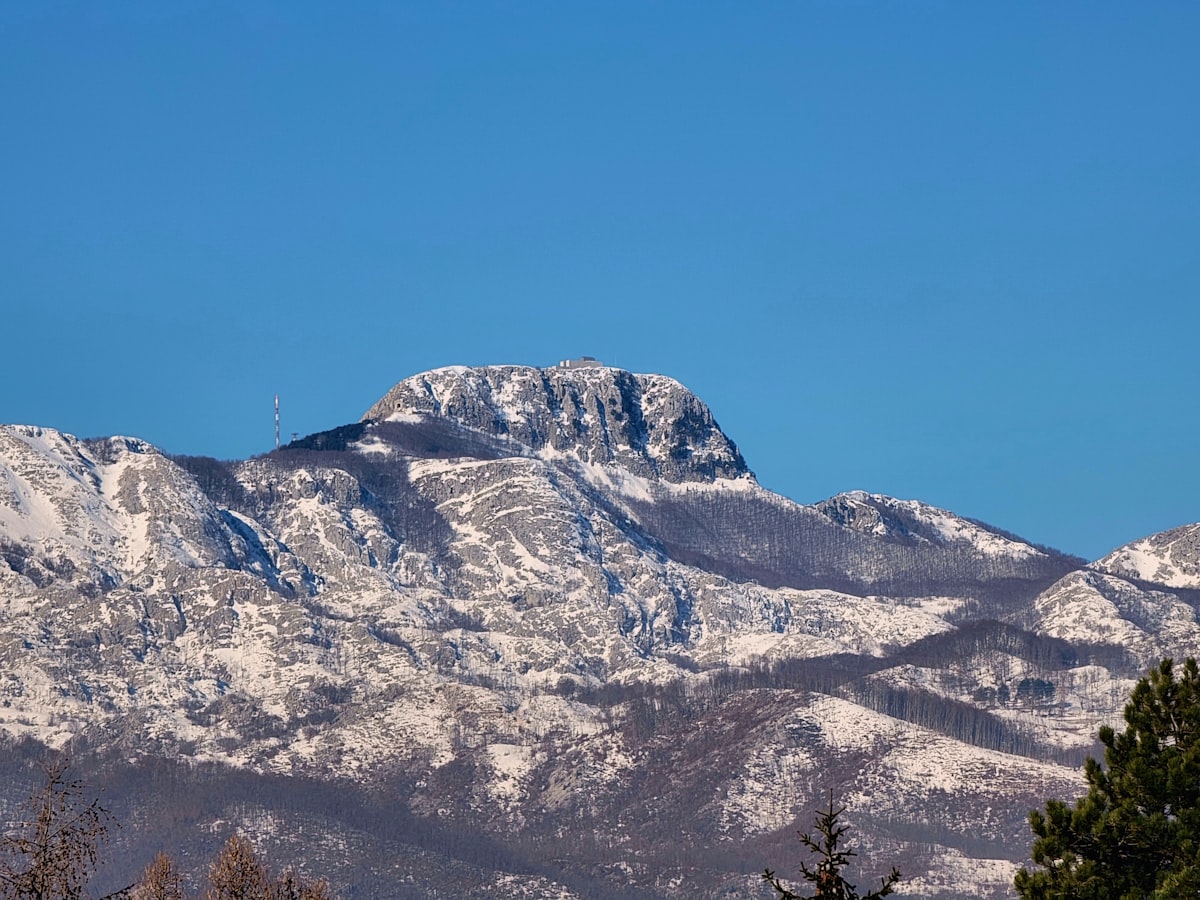
The Balkans divide sharply in winter. The Adriatic coast — Dubrovnik, Split, Kotor, Budva — goes quiet from November and most seasonal infrastructure closes until April. The interior — Sarajevo, Belgrade, the ski mountains, Sofia — comes into its own. Winter is when the region is cheapest, least crowded, and most authentic. It is also when the skiing is genuinely world-class at European off-peak prices.
What Makes the Balkans Good in Winter
Three things separate the Balkans from other winter destinations in Europe:
Affordable skiing. Lift passes at Jahorina and Kopaonik cost €25–35 per day — 50–70% less than equivalent Alpine resorts. A week’s skiing including accommodation, passes, and food costs what two days might in Verbier. See our Skiing in the Balkans guide for a full resort comparison.
Sarajevo. No other mid-sized European city looks like Sarajevo under snow. The Baščaršija bazaar with wood smoke, the Ottoman mosques, the Austro-Hungarian buildings, and the ski resorts 30 minutes away make it the most compelling winter city break in the region. Hotel prices are 30–50% below summer.
Christmas markets. Zagreb Advent is multiple times voted Europe’s best Christmas market. Ljubljana’s is smaller but beautiful. Both run from late November through early January. The Croatian and Slovenian capital combination is a natural December pairing — three hours apart by train.
Month-by-Month Overview
December
The month splits into two phases: the run-up to Christmas (1–21 December), when cities are festive and prices are low, and the holiday period (22 December–2 January), when prices spike 30–50% at Sarajevo, Belgrade, and ski resorts.
Christmas markets in Zagreb and Ljubljana run throughout the month. Sarajevo’s New Year celebrations in the Baščaršija are among the most atmospheric in Europe. Ski resorts begin to open mid-month, with reliability improving as the month progresses.
Full guide: Balkans in December
January
Deep winter. Ski season is in full swing across all resorts. Cities are at their quietest and cheapest. Sarajevo and Belgrade are the strongest urban options — both have strong indoor culture that works well in January cold. Dubrovnik and Kotor are open but very quiet; most restaurants outside the main squares are closed.
The Sarajevo Winter Festival runs from late January through February, bringing theatre, film, and live music to the city.
Full guide: Balkans in January
February
The best month for skiing — snow is most reliable and conditions are typically at their peak. Prices remain low in cities outside the Valentine’s Day weekend. The Sarajevo Winter Festival continues. By late February, the first hints of spring appear on the Albanian and Macedonian coasts.
Full guide: Balkans in February
Where to Go
Sarajevo
The capital of Bosnia and Herzegovina is the best winter city in the Balkans. The Baščaršija bazaar in snow, the history of the 1984 Winter Olympics, and the proximity to Jahorina and Bjelašnica ski resorts make it the natural anchor for any winter Balkans trip. See our Sarajevo guide and where to stay in Sarajevo.
Skiing at Jahorina and Bjelašnica
Jahorina (1,894m) sits 30 minutes from Sarajevo and offers 20km of groomed pistes with modern lifts upgraded since the 1984 Olympics. Bjelašnica (2,067m) is higher and steeper with better snow reliability. Both cost €25–35 per day for a lift pass. You can ski in the morning and walk Baščaršija in the evening. See the Skiing in the Balkans guide.
Zagreb and Ljubljana Christmas Markets
Zagreb Advent runs late November through early January across six city-centre locations, with ice rinks, mulled wine, and traditional food stalls. It has been voted Europe’s best Christmas market multiple times. Ljubljana’s Festive Fair is smaller but beautifully lit along the Ljubljanica River. The two cities are 1.5 hours apart — a Zagreb-Ljubljana December long weekend is one of the strongest short-break combinations in Europe.
Full guide: Christmas markets in the Balkans
Belgrade
Serbia’s capital is the most consistently lively city in the Balkans year-round. In winter, the Skadarlija bohemian quarter, the kafanas, and the Nikola Tesla Museum carry the city. New Year’s Eve in Republic Square draws large crowds. Accommodation is cheap and the food scene is strong. Good base for Kopaonik ski resort (3.5 hours).
See our Belgrade guide and where to stay in Belgrade.
Bansko, Bulgaria
Bulgaria’s best-developed ski resort, with 75km of runs across 13 lifts and a reliable season from December to April. The old Bansko town — cobbled streets, stone houses, ski lodges — is appealing in its own right. Easy access from Sofia (1.5 hours by car). Lift passes run €35–45 per day, slightly more expensive than the Bosnian resorts but with more terrain. See our Bansko guide.
What to Skip
The Adriatic coast. Dubrovnik, Kotor, Hvar, Budva — beautiful cities that close down completely in winter. Hotels and restaurants outside the historic core operate on skeleton schedules or close entirely. The famous scenery is still there, but the infrastructure to enjoy it comfortably is largely absent.
The Albanian Riviera. The beaches and resort towns (Sarandë, Dhërmi, Himara) are empty and most businesses closed from November through March.
Mountain passes in Montenegro and Albania. The road over Komovi and the Prokletije mountains can close after heavy snowfall. If driving between countries in winter, use the main border crossings and lower-altitude routes.
Costs in Winter
Winter is the cheapest season across the Balkans. Hotels in Sarajevo and Belgrade run €35–80 for a good mid-range double room. Ski resort accommodation (including Jahorina, Kopaonik) costs €40–80 per night in ski-in lodges — with meals. The exception is the holiday period (22 December–2 January) and ski resort high weekends, when prices jump significantly.
See our Balkans travel costs guide for a full budget breakdown.
Getting Around in Winter
Winter tyre regulations apply in Bosnia, Serbia, Montenegro, and Bulgaria from November to April. Airport car hire in Sarajevo and Belgrade normally supplies winter-equipped vehicles. Some mountain roads in Montenegro’s interior and the Albanian Alps close after heavy snowfall — check local conditions before driving. Cross-border bus services between cities run year-round on slightly reduced winter schedules.
See our Balkans transport guide.
See also
- Balkans in December
- Balkans in January
- Balkans in February
- Skiing in the Balkans
- Christmas markets in the Balkans
- Best time to visit the Balkans
- Sarajevo travel guide
- Bulgaria travel guide
Plan Your Trip
Match your priorities to the month. For Christmas markets, target Zagreb and Ljubljana in December — Zagreb Advent has won Europe’s Best Christmas Market multiple times and the Ljubljana–Zagreb combination is a natural pairing, three hours apart by bus. For skiing, February at Jahorina is the most reliable: deepest snow cover, all lifts open, and the resort is 30 minutes from Sarajevo old town by hire car. For city breaks with no agenda, Sarajevo and Belgrade work any month from December to February — low prices, strong indoor culture, and far fewer tourists than any other time of year. Search flights to the Balkans · Travel insurance · Tours & activities in Sarajevo · Balkans eSIM via Airalo