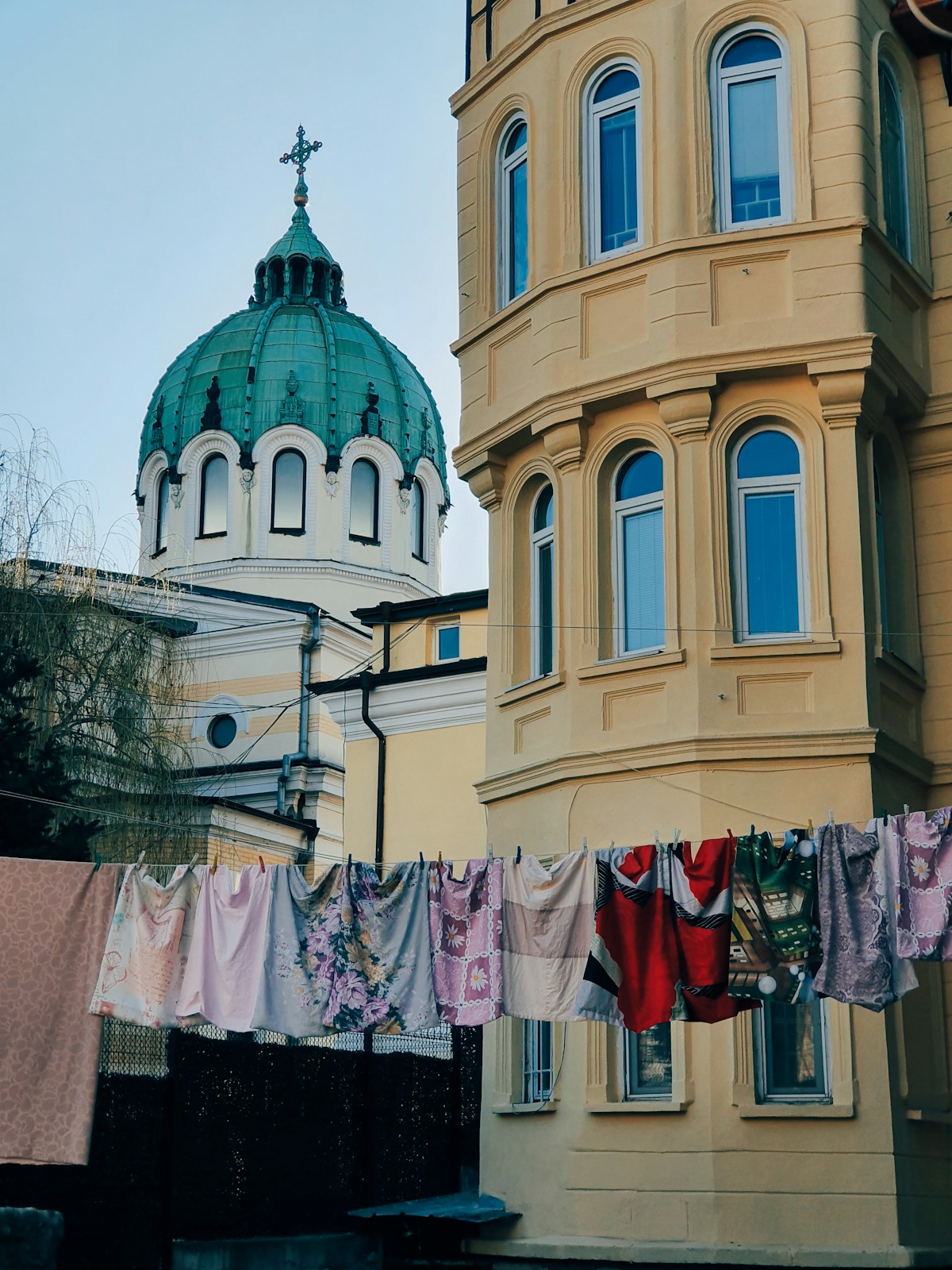
Sofia and Belgrade are the two largest cities in the southern Balkans, and both are frequently underrated by travellers who skip them for Croatia’s coast. Sofia is Bulgaria’s capital - an EU member with a mix of Ottoman mosques, Orthodox churches, Soviet architecture, and Roman ruins, all within walking distance. Belgrade is Serbia’s capital - bolder, noisier, and home to one of Europe’s most celebrated nightlife scenes. They are different cities for different reasons, and both reward a few days.
Quick Verdict
| Factor | Sofia | Belgrade |
|---|---|---|
| EU membership | Yes (since 2007) | No |
| Schengen | Not yet | Not yet |
| Currency | Bulgarian Lev (BGN) | Serbian Dinar (RSD) |
| Historic layers | Roman, Byzantine, Ottoman, Soviet | Roman, Ottoman, Habsburg, Yugoslav |
| Budget | Very affordable | Very affordable |
| Nightlife | Good | One of Europe’s best |
| Mountains nearby | Vitosha (30 min) | None close |
| Best day trips | Rila Monastery, Plovdiv | Novi Sad, Sremski Karlovci |
Bottom line: Sofia has more historical texture and better geography for nature day trips. Belgrade wins on nightlife, river energy, and sheer city personality. Both deserve two or three nights.
Costs
Both cities are among the cheapest European capitals for visitors.
Sofia: Bulgaria uses the Lev (BGN, pegged to the euro at 1 EUR = 1.96 BGN). A coffee costs approximately 3–4 BGN (€1.50–2). A sit-down lunch 8–15 BGN (€4–7.70). A mid-range dinner for two 30–55 BGN (€15–28). Daily all-in for one person (budget guesthouse, three meals, one attraction): approximately €25–40.
Belgrade: Serbia uses the Serbian Dinar (RSD). A coffee costs approximately 200–300 RSD (€1.70–2.50). A sit-down lunch 700–1,200 RSD (€6–10). A mid-range dinner for two 3,000–5,000 RSD (€25–43). Daily all-in for one person: approximately €25–35.
The two cities are roughly comparable on price. Belgrade’s nightlife costs can add up if you’re visiting clubs; Sofia’s mountain proximity adds optional activity costs.
Where to Stay
Sofia
- Arena di Serdica Hotel - boutique hotel built around excavated Roman ruins in the centre; doubles from approximately €80–120. Fascinating setting.
- Hotel Les Fleurs - well-located on Vitosha Boulevard; doubles from approximately €70–100. Good breakfast.
- Hotel Niky - reliable mid-range in the central area; doubles from approximately €50–75. A practical choice without frills.
Belgrade
- Hotel Moskva - Terazije square Art Nouveau landmark; doubles from approximately €90–110. Classic Balkan character.
- Square Nine Hotel - boutique design near Skadarlija; doubles from approximately €120–150. Rooftop pool.
- Savamala hostels - multiple options from €15 dorm, €50–70 private room. The neighbourhood is close to the best nightlife.
Where to Eat
Sofia
- Hadjidraganovite Kashti - traditional Bulgarian cooking in a rustic townhouse setting; mains 15–25 BGN (€7.70–12.80). Kavarma (clay-pot stew), shopska salad, banitsa. Excellent.
- Made in Home - modern Bulgarian café-restaurant near the National Palace of Culture; brunch and dinner, mains 14–22 BGN (€7–11). Very popular with locals.
- Central Hali Market (Zhenski Pazar) - the city’s best produce market; cheap prepared food stalls, fresh bread, and local cheeses. A morning here is essential.
Belgrade
- Ambar - Balkan mezze in Savamala; shared plates approximately 800–1,400 RSD (€7–12) each. One of the city’s standout restaurants.
- Little Bay - opera-themed Serbian restaurant in Skadarlija; full dinner approximately 3,500 RSD (€30) per person, live music nightly.
- Kafana Question Mark - Belgrade’s oldest kafana (1823); traditional bean soup and grilled meats; mains 600–900 RSD (€5–7.50).
Getting Between Sofia and Belgrade
Bus: Multiple daily services, most with one change. Journey approximately 6–7 hours. Tickets approximately €15–25. FlixBus, Lasta, and Bioexpress all serve the route. The crossing is at Kalotina/Gradina (Bulgaria–Serbia border).
Train: Services exist but are slower (8+ hours) and less reliable than buses. Not recommended unless you are a dedicated rail traveller.
Driving: Around 4.5 hours on the E80 motorway via Niš. The road is good and the drive pleasant. You cross the Serbian–Bulgarian border at Gradina/Kalotina.
Best Season
Sofia: April–June and September–October. Summers are hot (30–35°C) but manageable. The Vitosha mountain creates a natural air conditioner effect. Sofia hosts some good outdoor music festivals in summer. Winters can be cold with snow - the ski resort at Bansko is 2 hours south and active December–March.
Belgrade: Spring and autumn again. Summer is very hot and the outdoor splavovi (river club) scene is at full intensity. Novi Sad’s EXIT Festival (July) is one of the best music festivals in Europe - if the dates align, build your Balkans trip around it.
History and Culture
Sofia highlights: The Alexander Nevsky Cathedral (free entry, donations welcome) is one of the largest Orthodox cathedrals in the world - built to honour Russian soldiers who died freeing Bulgaria from Ottoman rule. The Church of Sveta Sofia (entry approximately 3 BGN) dates to the 6th century. Underneath Serdica metro station, excavated Roman ruins are visible through glass floors - one of Europe’s most unusual public archaeology displays. The Museum of Socialist Art (entry approximately 6 BGN) documents the Communist era with jarring effectiveness.
Belgrade highlights: Kalemegdan Fortress (free entry, grounds open) sits at the confluence of the Sava and Danube rivers - the oldest continuously inhabited site in the city. The Military Museum inside the fortress covers Serbia’s full history from Roman times through the Yugoslav wars. Skadarlija is Belgrade’s bohemian quarter - a cobblestone street of kafanas that has hosted Serbian poets, artists, and musicians since the 19th century. The Nikola Tesla Museum (entry approximately 400 RSD/€3.40) displays Tesla’s original patents and personal belongings; guided tours in English run regularly.
Internal Links
- Bulgaria travel guide
- Serbia travel guide
- Sofia city guide
- Belgrade city guide
- Things to do in Sofia
- Things to do in Belgrade
- Where to stay in Sofia
- Where to stay in Belgrade
- Food to try in Sofia
- Belgrade vs Zagreb
- 7-day Bulgaria itinerary
- Balkans travel costs
- Getting around the Balkans
FAQs
Is Sofia in the Schengen zone? Bulgaria joined Schengen’s land and sea borders in January 2024 and air borders in March 2024. Passport checks between Bulgaria and other Schengen members are being phased out. Check the current status before your trip as the rollout is ongoing.
Which city is better for solo travellers? Both are excellent for solo travel. Belgrade has a more social hostel culture in Savamala and it’s extremely easy to meet other travellers. Sofia’s smaller old-town area is easy to navigate alone and the locals are generally helpful.
Is Belgrade really that good for nightlife? Yes - consistently rated among Europe’s top five cities for club culture. The splavovi (floating clubs on the Sava and Danube) are unique to Belgrade and operate from around midnight to 6–8 am. The Savamala arts district has a more alternative, underground scene.
Do I need a visa for either country? Most Western passport holders enter Bulgaria and Serbia without a visa for stays up to 90 days. Bulgaria is an EU member; Serbia is not but is also visa-free for most nationalities. Check your specific passport requirements.
Which is better for a first-time Balkans visitor? Sofia if you want more traditional sightseeing. Belgrade if you want to experience the energy and nightlife that defines the Balkans for many visitors. Both work as entry points.
See also: Serbia vs Romania · Bulgaria vs Romania · Balkans Comparison Guide
Plan your trip: Guided tours in Sofia · Guided tours in Belgrade · Car hire in the Balkans · Search flights
🏨 Search hotels in Sofia - Search hotels in Belgrade
Plan Your Trip
✈️ Book your flights to the Balkans 🛡️ Get travel insurance 📱 Stay connected with an eSIM 🚗 Rent a car