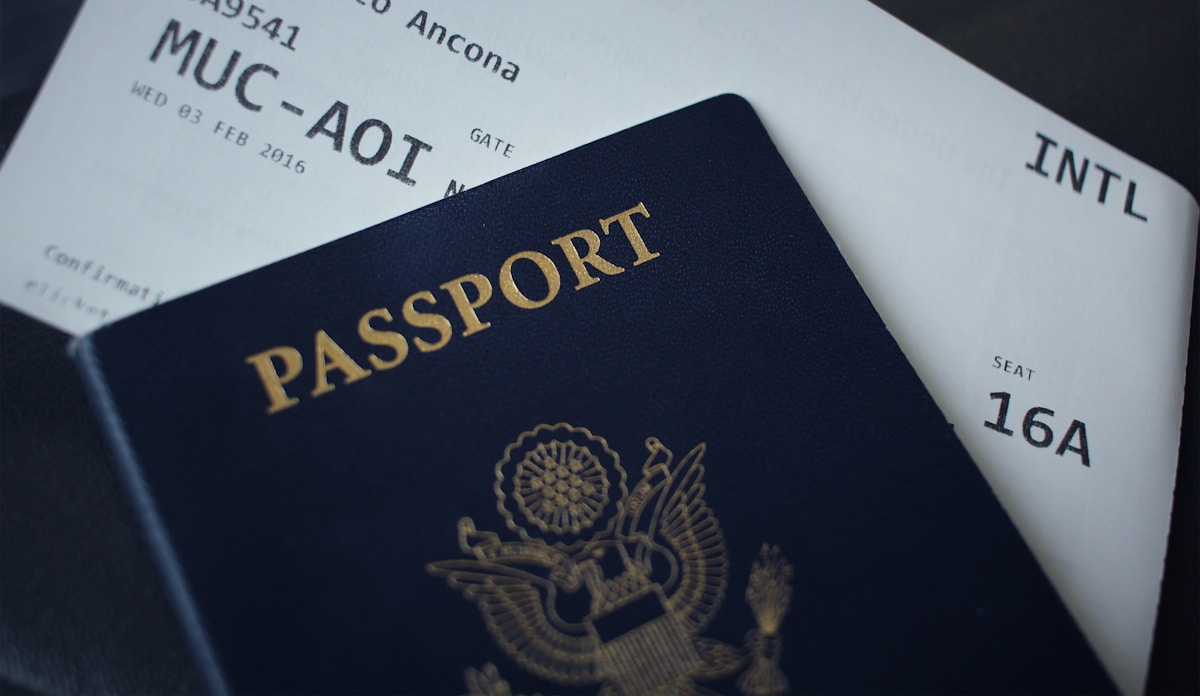
The Balkans spans two regulatory zones: Schengen (Croatia and Slovenia) and non-Schengen (Serbia, Montenegro, Bosnia and Herzegovina, Albania, and North Macedonia). Understanding which zone applies matters - mainly for the 90-day Schengen limit and for understanding how days are counted when crossing between zones.
This guide covers entry requirements by nationality for all seven countries, as of 2026. Entry requirements change, especially for non-EU nationals - always verify against the relevant country’s official embassy or government website before travelling.
Before You Travel: Quick Checklist
- Passport validity — most Balkans countries require 3–6 months validity beyond your travel dates; check each destination individually
- Travel insurance — EKTA covers medical emergencies, trip cancellation, and lost luggage — sort this before you book, not after
- Currency — the Balkans uses five different currencies; see our currency guide
- eSIM or local SIM — EU roaming applies in Croatia and Slovenia only; see our Balkans eSIM guide
- Police registration — if staying in private accommodation in any non-Schengen Balkans country, you are legally required to register with local police within 24–48 hours (hotels handle this automatically)
Which Countries Are in Schengen
| Country | Schengen | Joined |
|---|---|---|
| Slovenia | ✅ Yes | 2007 |
| Croatia | ✅ Yes | 2023 |
| Serbia | ❌ No | - |
| Montenegro | ❌ No | - |
| Bosnia and Herzegovina | ❌ No | - |
| Albania | ❌ No | - |
| North Macedonia | ❌ No | - |
Schengen rule: EU and many non-EU nationals (including US, UK, Canada, Australia) can spend up to 90 days in every 180 days inside the Schengen Area combined. Croatia and Slovenia share this 90-day pool with all other Schengen countries (France, Germany, Italy, etc.).
Non-Schengen rule: Each non-Schengen Balkans country has its own 90-day limit, counted independently from Schengen and from each other. A US passport holder could spend 90 days in Serbia, then cross to Croatia for 90 days, then move to Montenegro for another 90 days - all without violating any individual country’s rules (subject to valid health insurance and funds requirements).
Entry Requirements by Country
Croatia (Schengen)
EU/EEA citizens: No visa. ID card or passport, no time limit on residency (freedom of movement applies).
US, UK, Canada, Australia, New Zealand, Japan, South Korea: Visa-free, up to 90 days within 180 days of Schengen entry.
Other nationalities: Check the Croatian Ministry of Foreign Affairs website. Many countries require a Schengen visa, which is valid for Croatia.
Currency note: Croatia uses the euro (€) since January 2023.
Slovenia (Schengen)
Entry rules are identical to Croatia - both are full Schengen members.
EU/EEA citizens: No visa, no time limit.
US, UK, Canada, Australia, New Zealand: Visa-free, up to 90/180 Schengen days.
Currency note: Slovenia uses the euro (€) since 2007.
Serbia (non-Schengen)
Serbia is not an EU or Schengen member. Entry rules are set independently.
EU/EEA citizens: Visa-free, up to 90 days per 180 days.
US citizens: Visa-free, up to 30 days. Extensions can be applied for at the police station in Belgrade (fee approx. 2,000 RSD as of 2026).
UK citizens: Visa-free, up to 30 days.
Canadian citizens: Visa-free, up to 90 days.
Australian citizens: Visa-free, up to 90 days.
Note on Kosovo: Serbia does not recognise Kosovo’s independence. Entering Serbia from Kosovo at a Kosovo-controlled crossing is typically refused. The standard route is to enter Serbia at a different border (from North Macedonia, Hungary, Croatia, etc.) and then visit Kosovo as a side trip, returning to Serbia via the same border you entered.
Currency: Serbian dinar (RSD).
Montenegro (non-Schengen)
Montenegro is an EU candidate country and operates notably open visa policies as part of its accession process.
EU/EEA citizens: Visa-free, no time limit on stays (EU free movement not yet applicable - practical limit generally accepted as 90 days per year).
US citizens: Visa-free, up to 90 days.
UK citizens: Visa-free, up to 90 days.
Canadian citizens: Visa-free, up to 90 days.
Australian citizens: Visa-free, up to 90 days.
Currency: Euro (€) - used unilaterally (Montenegro is not a formal eurozone member but has used the euro since 2002).
Bosnia and Herzegovina (non-Schengen)
Bosnia has two administrative entities (Federation and Republika Srpska) but operates a single entry system.
EU/EEA citizens: Visa-free, up to 90 days per 180 days.
US citizens: Visa-free, up to 90 days.
UK citizens: Visa-free, up to 90 days.
Canadian citizens: Visa-free, up to 90 days.
Australian citizens: Visa-free, up to 90 days.
Special note on Brčko District: A self-governing district within Bosnia - same entry rules apply.
Currency: Bosnian convertible mark (BAM / KM). Fixed to the euro at 1 EUR = 1.95583 BAM. Euros are widely accepted informally but change is given in KM.
Albania (non-Schengen)
Albania is an EU candidate country and has been expanding visa-free arrangements.
EU/EEA citizens: Visa-free, no time limit for residency purposes; practically, stays over 90 days require registration.
US citizens: Visa-free year-round (visa-free access has been expanded since 2021 from a seasonal policy to permanent).
UK citizens: Visa-free, up to 90 days.
Canadian citizens: Visa-free, up to 90 days.
Australian citizens: Visa-free, up to 90 days.
Currency: Albanian lek (ALL). Euros are widely accepted in tourist areas but official prices are in lek.
North Macedonia (non-Schengen)
North Macedonia is an EU candidate country.
EU/EEA citizens: Visa-free, up to 90 days.
US citizens: Visa-free, up to 90 days.
UK citizens: Visa-free, up to 90 days.
Canadian citizens: Visa-free, up to 90 days.
Australian citizens: Visa-free, up to 90 days.
Currency: Macedonian denar (MKD).
The Schengen 90/180 Rule - Practical Explanation
For non-EU visitors to the Schengen Area (which includes Croatia and Slovenia), the rule works as follows:
You may spend a maximum of 90 days in any rolling 180-day period inside all Schengen countries combined. This is not a per-country limit - it is a combined limit across all Schengen members.
Example: If you spent 60 days in France in March–April, then 20 days in Germany in May, you have used 80 of your 90 Schengen days. If you then enter Croatia in June, you have only 10 days remaining in Schengen before a mandatory 90-day gap.
Key point for Balkans itineraries: Days in Serbia, Montenegro, Bosnia, Albania, and North Macedonia do not count against the Schengen total. A common strategy for longer Balkan trips is to spend time in non-Schengen countries before entering Croatia or Slovenia to reset or preserve the 90-day allowance.
Police Registration in Non-Schengen Countries
In Serbia, Montenegro, Bosnia, Albania, and North Macedonia, foreign visitors are technically required to register with local police within 24–48 hours of arrival. Hotels handle this automatically - check-in at a hotel constitutes registration.
If staying in a private apartment or with friends: You are required to register yourself. The process involves presenting your passport at the nearest police station. In practice, many visitors skip this and face no consequences, but it is a legal requirement and non-compliance is technically an offence.
Albania and Montenegro have recently introduced online registration options - check the current status before travelling.
Border Crossings
Land border crossings between Balkans countries vary in wait times - particularly in summer. The main issues:
- Croatia–Slovenia borders: Since both are Schengen, there are no regular controls (though spot checks occur on the Schengen external frontier)
- Croatia–Bosnia (at Neum): This narrow strip of Bosnian coast on the Pelješac corridor interrupts the Croatian coast highway. Both EU and non-EU travellers cross Bosnia’s external Schengen border here. Can have long queues in July–August; the Pelješac Bridge (opened 2022) now allows bypassing Neum entirely on the D414 road
- Serbia–Kosovo: Complicated (see Serbia note above)
- Other non-Schengen borders: Generally straightforward for most nationalities; queue times at peak periods (particularly Montenegro–Croatia) can run 1–3 hours in July–August
For a detailed guide to specific crossings, see our border crossings guide.
See also
- Border crossings in the Balkans
- Getting around the Balkans
- Balkans currency guide
- First time in the Balkans
- Croatia travel guide
- Albania travel guide
- Serbia travel guide
- Montenegro travel guide
- North Macedonia travel guide
Entry requirements change. Verify current rules via the official embassy website of each country, or through the IATA Travel Centre, before your trip.
Useful links: Search Balkans flights · Travel insurance · Balkans eSIM
Travel Insurance
Travel insurance is worth sorting at the same time as your visa — it covers medical treatment, emergency evacuation, and trip cancellation if your plans change before departure. We recommend EKTA for straightforward policies that cover most nationalities travelling to the Balkans. A quote takes under five minutes and single-trip cover typically starts from around $30 for a two-week stay.