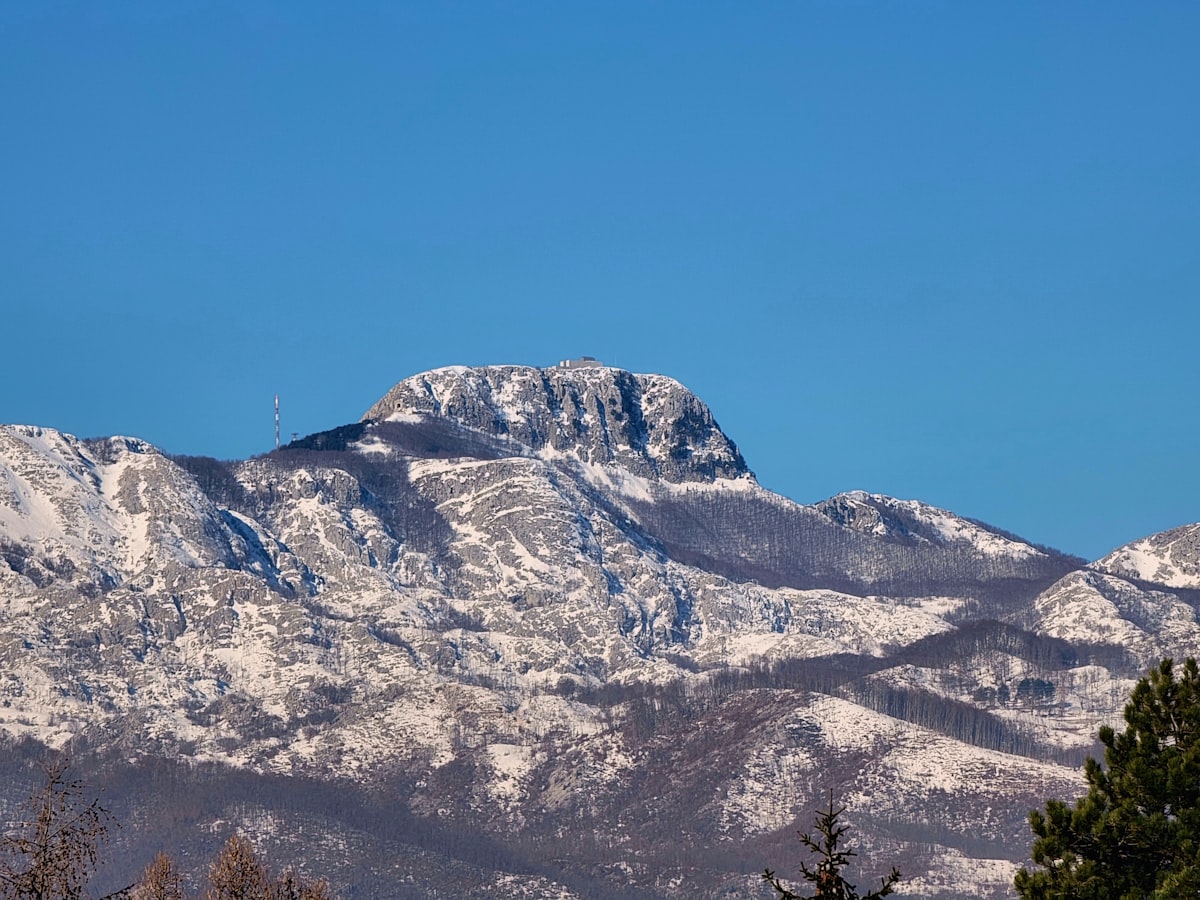
Bulgaria has two ski resorts that most visitors weigh up: Bansko in the Pirin Mountains and Borovets in the Rila Mountains. They are not interchangeable. Bansko is the larger, more developed resort with better infrastructure, a longer season, and a distinctive old-town character. Borovets is smaller, cheaper, and much closer to Sofia — useful for short breaks and for skiers who don’t want to commit a full day to travel each way.
This comparison covers both resorts on the dimensions that matter most when choosing: terrain, lift passes, getting there, accommodation, ski schools, and the surrounding experience.
At a Glance
| Factor | Bansko | Borovets |
|---|---|---|
| Distance from Sofia | ~150 km (2–2.5 hrs) | ~73 km (1.5–2 hrs) |
| Top altitude | 2,600 m | 2,560 m |
| Pistes | ~48 km | ~58 km |
| Longest run | ~16 km | ~12 km (approx.) |
| Day pass (adult) | BGN 100–130 (€50–65) | BGN 70–100 (€36–51) |
| Season | Mid-Dec to mid-Apr | Dec to Apr |
| Old town character | Yes — Bansko old town | No — resort-only setting |
| Best for | Full ski week, all levels | Short breaks, budget, Sofia day-trips |
Prices as of the 2025–26 season. Borovets figures are approximate — the resort is currently expanding.
Getting There from Sofia
Bansko: Bus from Sofia Central Bus Station takes approximately 2.5–3 hours (€8–12). By car via the E79/E85, approximately 2–2.5 hours. Airport transfers run from Sofia (SOF) for approximately €20–30 per person shared.
Borovets: By car from Sofia approximately 1.5–2 hours via the E79 towards Samokov, then up into the Rila Mountains. No direct public bus to the resort itself — the nearest stop is Borovets village, served by buses from Sofia via Samokov. The drive is straightforward and parking is available at the resort. A significant practical advantage for those with a car or who can arrange a day-trip transfer.
Verdict on travel: Borovets wins on proximity. For skiers flying into Sofia and relying on bus transfers, Bansko is better served — direct shared transfers run frequently during ski season. Borovets transfers are less standardised.
Terrain and Piste Quality
Bansko organises its skiing into three clear zones from the gondola top station at 1,700 m up to 2,600 m. The lower slopes around Banderishka Polyana suit beginners; a large band of red runs through pine forest occupies the mid-mountain; black runs and off-piste terrain appear above the treeline. The lift system — a modern gondola, six chairlifts, and eight drag lifts — handles volume well outside the gondola bottleneck at peak hour.
The terrain has variety: long sustained reds, short sharp blacks, and open bowls above 2,300 m for those willing to explore off-piste. The longest top-to-bottom descent is approximately 16 km. Snowmaking covers roughly 75% of the piste area, making the season reliable from mid-December.
Borovets has a slightly larger total piste figure (~58 km) but less vertical variety. The resort is split between two main areas — the lower slopes around the base village, and a higher gondola section — with the upper area reaching approximately 2,560 m on the flanks of Musala (at 2,925 m, the highest peak in Bulgaria and the Balkans). A new gondola, opened in recent years, significantly improved access to the higher terrain and extended the skiable area upwards.
Most of Borovets’ runs are blues and easy reds — it is a resort that suits beginners through to lower intermediates well. Strong intermediates and advanced skiers will find they exhaust the interesting terrain faster than at Bansko. Off-piste options exist on the Musala side but are less developed as a product than at Bansko.
Verdict on terrain: Bansko wins on quality, variety, and the overall ski-week experience for intermediates and advanced skiers. Borovets is fine for beginners and those wanting a casual ski day rather than a full immersive week.
Lift Passes
Bansko (2025–26 season):
| Pass | Adult | Child (7–12) |
|---|---|---|
| 1 day | BGN 100–130 (€50–65) | BGN 55–70 (€28–35) |
| 3 days | BGN 260–340 (€130–170) | BGN 145–185 (€73–93) |
| 6 days | BGN 480–620 (€240–310) | BGN 265–340 (€133–170) |
Borovets (2025–26 season, approximate):
| Pass | Adult | Child |
|---|---|---|
| 1 day | BGN 70–100 (€36–51) | BGN 40–60 (€20–31) |
| 3 days | BGN 185–270 (€95–138) | BGN 110–155 (€56–79) |
| 6 days | BGN 330–480 (€169–245) | BGN 195–280 (€100–143) |
Borovets passes are consistently cheaper — approximately 20–30% lower than Bansko at equivalent durations. Both resorts apply peak pricing around Christmas/New Year and February half-term.
Verdict on passes: Borovets is cheaper. For budget-first skiers or for a single day on the slopes, this margin matters.
Ski Schools
Bansko — Ulen Ski School is the main operator. English-speaking instructors are standard during peak weeks. Group lessons from approximately BGN 60–80 (€30–40) for 2 hours; private lessons from BGN 120–160 (€60–80) per hour. The infrastructure is well-established — children’s programmes, beginners’ dedicated slope, structured progression through ability levels. Booking in advance is recommended during February.
Borovets has a longer tradition of ski instruction (the resort has operated since the early 20th century) and several ski schools operate at the base. English instruction is available but less universally guaranteed than at Bansko. Group lessons at comparable prices to Bansko; private lessons tend to be slightly cheaper. For beginners who want a lower-pressure, less crowded environment for first lessons, Borovets has an advantage.
Verdict on ski schools: Both are adequate. Bansko wins on infrastructure and English-language availability; Borovets wins on atmosphere for nervous first-timers.
Accommodation
Bansko splits between the gondola area (apart-hotels, the Kempinski, pools and spas, close to the lifts) and the old town (guesthouses, stone walls, traditional atmosphere, free ski bus to the gondola). Budget options from approximately €25–40/night; mid-range apart-hotels from €40–80/night; the Kempinski from approximately €100–180/night.
Borovets is a resort village without an old town. Accommodation is concentrated around the ski base — apart-hotels and smaller guesthouses, most within easy reach of the lifts. Prices are lower than Bansko: budget options from approximately €20–35/night; mid-range from €35–60/night. The village lacks the character of Bansko’s old quarter, and dining options are more limited — mostly resort hotel restaurants and a handful of independent places.
Verdict on accommodation: Bansko wins on atmosphere and range. Borovets is cheaper and practical for a short break but offers less as a place to spend evenings.
After Skiing
Bansko has a genuine après-ski and evening scene. Bars near the gondola base (Happy End, BPD Bar) fill from 16:30 during peak weeks. The old town’s mehanas — Baryakova, Kasapinova, Dedo Pene — offer traditional Bulgarian food, folk music, and rakia by the carafe from around BGN 14–25 (€7–13) per main. The hot springs at Banya (5 km) and Dobrinishte (6 km) add an extra evening option. The overall package means Bansko works as a destination in its own right, not just a ski resort.
Borovets has limited off-slope character. Hotel restaurants and a few bars carry the evening. For skiers who ski hard and sleep early it is perfectly adequate; for those who want evenings out, it falls short of Bansko.
Verdict on après-ski: Bansko wins decisively.
When to Go
Both resorts follow similar seasonal patterns: mid-December opening, peak in January–February, season running into April at altitude.
- Short day-trip or weekend from Sofia: Borovets wins — the shorter drive makes it viable without overnight accommodation.
- Full ski week: Bansko wins — more terrain, better evenings, more to fill a week.
- Budget priority: Borovets wins on day-pass and accommodation cost.
- Beginners on a first trip: Either is fine. Borovets is slightly less overwhelming; Bansko has better ski school infrastructure.
- Intermediate skiers wanting variety: Bansko wins.
The Verdict
Choose Bansko if you are flying to Sofia, want a proper ski week with enough terrain to stay interested, and value an atmospheric base town with good food and après-ski. It is the right call for most international visitors.
Choose Borovets if you are already based in Sofia or Bulgaria, want a lower-cost day or weekend on the slopes, are a beginner happy with simpler terrain, or are travelling with children who don’t need the full mountain.
For a two-resort trip within Bulgaria, combining both is theoretically possible but requires an extra night in transit — it is better to commit to one resort and save the other for a future visit.
See Also
- Skiing in Bansko
- Skiing in the Balkans
- Bansko travel guide
- Bulgaria travel guide
- Sofia travel guide
- Balkans in January
- Balkans in February
- Bulgaria travel costs
Plan your trip: Book ski tours and lessons in Bansko to secure instructor slots before arrival. Book a transfer from Sofia Airport to Bansko — fixed price, no haggling on arrival. Cover the trip with winter sports travel insurance that specifically includes skiing and piste rescue.