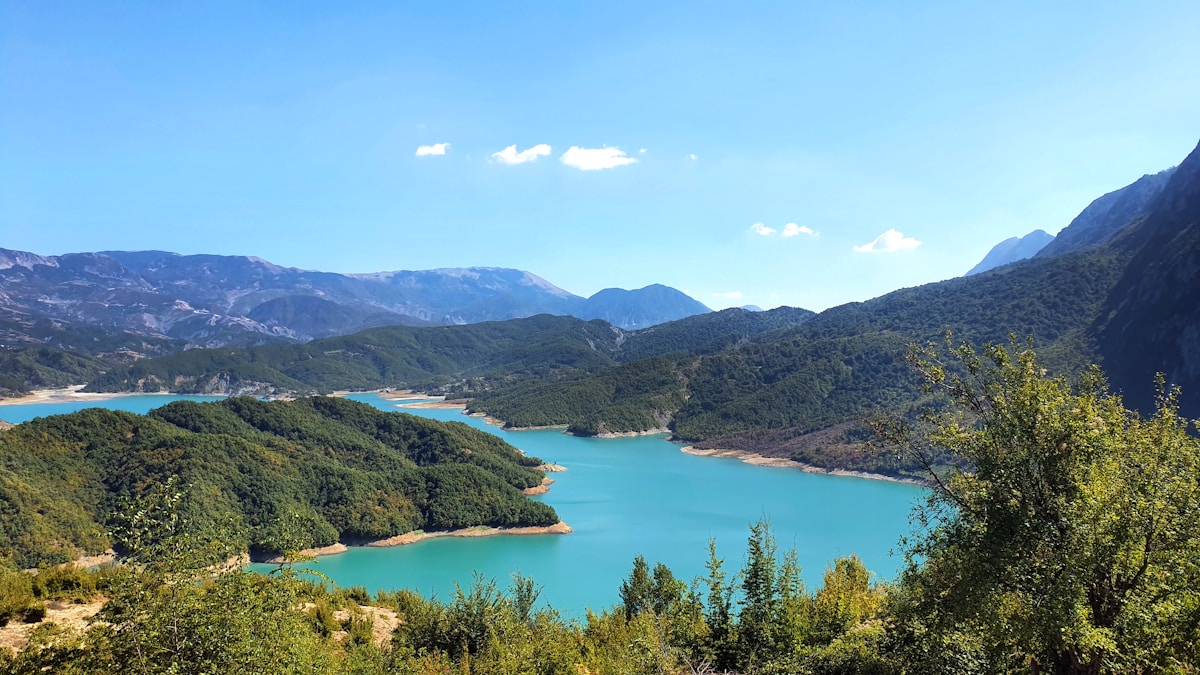
Albania and Croatia share the Adriatic coast and a Balkan history, but the experience on the ground is completely different. Croatia is polished, EU-integrated, and increasingly expensive in peak season. Albania is frontier-feeling, extraordinarily cheap, and still largely undiscovered. Which is right for your trip depends on what trade-offs you are willing to make.
Quick Verdict
| Factor | Albania | Croatia |
|---|---|---|
| Daily budget | Very cheap — one of Europe’s lowest | Moderate to expensive, especially July–August |
| Beaches | Adriatic and Ionian Riviera — beautiful, quiet | Dalmatian coast, islands (Hvar, Brač, Korčula) — polished, busy |
| Old towns | Berat, Gjirokaster (UNESCO), Shkoder | Dubrovnik, Split, Zadar, Trogir — well-preserved |
| Infrastructure | Developing — roads and transport variable | Excellent — EU member, well-connected |
| Nightlife | Tirana’s Blloku district; coastal bars | Dubrovnik, Split, Hvar have strong scenes |
| Visa | Outside Schengen (90-day visa-free for most) | EU member (Schengen) |
| Crowds | Low outside Albanian Riviera in August | Very busy July–August on the coast |
Bottom line: Albania wins if budget, empty beaches, and exploring somewhere genuinely off the tourist circuit is the priority. Croatia wins if you want island-hopping infrastructure, clear signage, great seafood restaurants, and an easier logistics experience.
Costs
Albania is one of the best-value countries in Europe. A coffee costs approximately €1–1.50, a restaurant main €5–9, and a beach-town apartment €40–60 per night in July. A couple’s daily all-in budget (accommodation, three meals, activities) runs approximately €70–100 on the Albanian Riviera in peak season.
Croatia has risen sharply since joining the euro in 2023. A coffee in a café costs €2.50–3.50, a restaurant main €14–20 in Dubrovnik or Split, and beachfront accommodation in high season easily reaches €120–200 per night for a basic double. A couple’s daily budget on the Dalmatian coast in July runs approximately €180–280.
A week on the Albanian Riviera can cost less than three nights in Dubrovnik during peak season.
Where to Stay
Albania
- Tirana — the capital has a full range of accommodation from €30 hostel dorms to €100-plus boutique hotels. See our Tirana accommodation guide for specific options in each neighbourhood.
- Ksamil — a small resort village near the Greek border with turquoise lagoon beaches. Guesthouses and villas from approximately €50–80 per night in summer; book ahead for July and August.
- Himara and Dhermi — lively Riviera towns with a good mix of apartments and small hotels from approximately €60–90 in peak season.
Croatia
- Dubrovnik — the most iconic city on the Adriatic but also the most expensive. Budget €100–180 per night for a standard double outside the old town in summer. See our Dubrovnik accommodation guide.
- Split — better value than Dubrovnik and an excellent base for island-hopping. Mid-range options from €70–120 per night. See our Split accommodation guide.
- The islands — Hvar and Brač are the busiest; Korčula and Vis are quieter and cheaper. Accommodation ranges from €80–200 in season depending on the island.
Where to Eat
Albania
- Byrek — Albania’s savoury pastry (cheese, spinach, or meat) sold from small bakeries everywhere for €0.50–1.50. The best breakfast in the Balkans, bar none.
- Tave kosi — baked lamb with yoghurt, a national dish. Found in traditional restaurants across the country for approximately €6–9.
- Grilled fish on the Riviera — locally caught fish grilled to order at beachside restaurants; a full meal for two with wine approximately €25–40.
Croatia
- Peka — lamb or veal slow-cooked under a bell-shaped lid; a Croatian staple in Dalmatia. Usually needs to be ordered in advance; approximately €20–28 for a generous portion.
- Oysters at Mali Ston — Croatia’s oyster-farming coast, 50km north of Dubrovnik. A dozen oysters from approximately €12.
- Black risotto — cuttlefish ink risotto; found at almost every seafood restaurant on the Dalmatian coast. A reliable €14–18.
Getting There
Albania: Tirana International Airport (TIA) is the main entry point. Budget airlines connect it to most European cities. Fares from Western Europe from approximately €60–120 return.
Croatia: Dubrovnik (DBV) and Split (SPU) are the main coastal airports. Direct flights from most European cities in summer; fares from approximately €80–150 return. Ferry connections from Italy (Ancona, Split; Bari, Dubrovnik) operate year-round.
Between the two: The most logical connection is via Montenegro. From Saranda (southern Albania), cross the border into Montenegro and head north towards Kotor and on to Dubrovnik — a scenic two-day coastal drive combining three countries.
Best Season
Albania: June and September are ideal — warm enough for swimming, significantly less crowded and cheaper than July–August. The Albanian Riviera gets very busy in August when Albanians and Kosovars take their summer holidays.
Croatia: May, June, and September are the best months — warm, less crowded, and more affordable. July and August are peak season on the Dalmatian coast with prices at maximum and Dubrovnik extremely busy.
Day Trips and Activities
From Tirana: Krujë with Skanderbeg’s medieval fortress (30 minutes north), Durrës with a Roman amphitheatre and Adriatic beach (40 minutes west), and Berat’s UNESCO-listed ottoman old town (2 hours south) are the top day trips. Albania 7-day itinerary covers the best route through the country.
From Split and Dubrovnik: Plitvice Lakes (2 hours from Split) is Croatia’s most-visited natural sight — book tickets well in advance. Pag island (2 hours) has excellent cheese and beaches. From Dubrovnik, day trips to Montenegro’s Bay of Kotor are easy and popular.
Internal Links
- Albania travel guide
- Croatia travel guide
- Where to stay in Tirana
- Where to stay in Dubrovnik
- Where to stay in Split
- Albania 7-day itinerary
- Croatia 7-day itinerary
- Balkans travel costs
- Kotor vs Dubrovnik
- Albania vs Montenegro
- Montenegro vs Croatia
FAQs
Is Albania cheaper than Croatia? Yes, significantly. Daily costs in Albania run roughly 40–50% of Croatia’s equivalent. The Albanian Riviera costs a fraction of the Dalmatian coast in peak season.
Which has better beaches? Both have excellent Adriatic coastlines. Albania’s Riviera is less developed, less crowded, and cheaper. Croatia’s Dalmatian islands are more polished, better connected, and busier in summer.
Do I need a visa for Albania? Most Western passport holders enter visa-free for up to 90 days. Albania is outside Schengen, so time there does not count against your Schengen allowance.
Can I visit both in one trip? Yes. A two-to-three week itinerary combining both is feasible — Tirana into the Riviera, across Montenegro, then north into Croatia via Dubrovnik or Split.
Is Albania safe? Yes. Albania has a low violent crime rate and is welcoming to tourists. The main risk is variable road quality outside cities.
Comparing other destinations? See our full Balkans comparison guide.
Plan your trip: Tours in Albania · Tours in Croatia · Travel insurance · eSIM for the Balkans