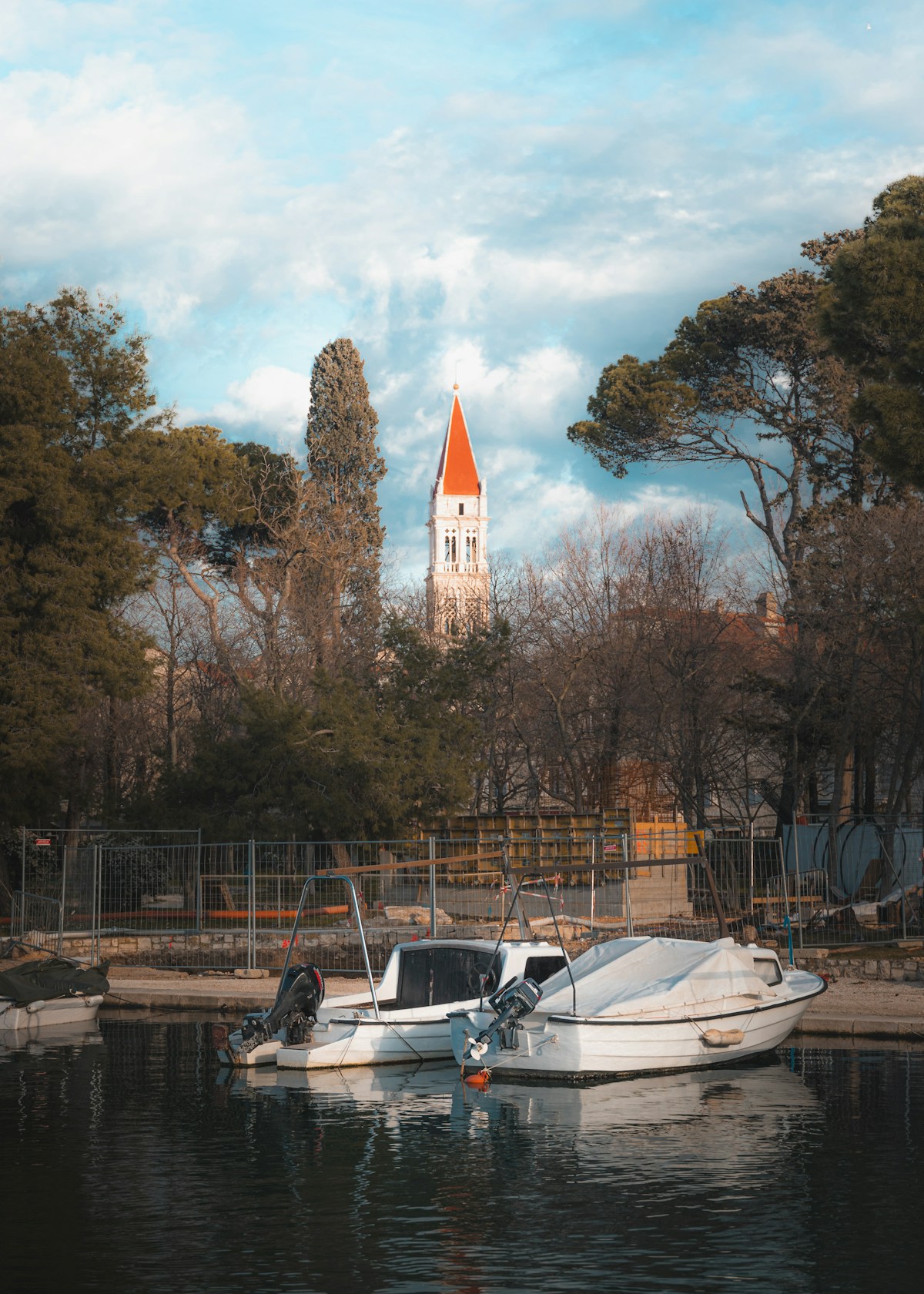
July is peak season across the Balkans. The Adriatic is hot, the Croatian coast is expensive, and Dubrovnik’s old town can feel overwhelmed by cruise-ship arrivals. But July also brings the region’s best festivals - EXIT in Novi Sad, the start of Dubrovnik Summer Festival, and Ohrid Summer Festival in full swing. The key to July is choosing your destinations carefully: avoid the Dalmatian coast honeypots, or embrace them at a premium.
Dubrovnik at 15,000 Daily Visitors, Albanian Riviera Still Bearable: July Heat
Croatian coast (Dubrovnik, Split, Hvar): 28–34°C. The sea is 23–25°C - perfect for swimming. Sunshine is near-guaranteed. Dubrovnik receives up to 15,000 visitors per day when multiple cruise ships dock, and accommodation prices are 2–3x winter rates. Split and Hvar are similarly busy.
Montenegro coast (Kotor, Budva, Ulcinj): 28–33°C. Kotor’s old town heats up and gets congested when cruise ships arrive. Budva’s beaches are packed - Jaz Beach and Bečići are slightly less crowded alternatives. Ulcinj remains the best-value option on the Montenegrin coast.
Bosnia (Sarajevo, Mostar): 22–32°C. Sarajevo is warm but bearable in the evenings. Mostar hits 35°C+ regularly - midday sightseeing at Stari Most is unpleasant, so plan for morning and evening visits. The Kravice Waterfalls (40 minutes from Mostar) offer relief from the heat.
Serbia (Belgrade, Novi Sad): 25–35°C. Belgrade bakes in July. The city shifts to river-bar mode - Ada Ciganlija, the Zemun waterfront, and the floating splavovi clubs are where locals spend their evenings. Novi Sad is dominated by EXIT Festival in early-to-mid July.
Albania (Tirana, Albanian Riviera): 28–36°C. The Riviera is busy but not at Croatian levels. Ksamil, Himara, and Dhermi are the most popular spots. A seafront room in Dhermi that costs €40 in June rises to €60–80 in July - still a fraction of Hvar.
North Macedonia (Skopje, Ohrid): 28–36°C. Skopje is one of the hottest capitals in Europe in July. Ohrid is more pleasant thanks to the lake, and the town fills with regional tourists from North Macedonia, Albania, and Kosovo.
EXIT Festival at Petrovaradin, Dubrovnik Summer Festival, and Ohrid in Full Swing
EXIT Festival (Novi Sad, Serbia) - held in the Petrovaradin Fortress in early-to-mid July, EXIT is one of Europe’s largest music festivals, drawing 200,000+ visitors over four days. The fortress setting above the Danube is spectacular. Book Novi Sad accommodation months in advance; many attendees stay in Belgrade and bus in (90 minutes).
Dubrovnik Summer Festival (Dubrovačke Ljetne Igre) - runs mid-July to late August. Theatre, music, and dance performances in open-air venues across the old town, including the Lovrijenac Fortress and the Rector’s Palace atrium. Tickets for marquee performances sell out early.
Ohrid Summer Festival (North Macedonia) - classical music, opera, and theatre in the 2,000-year-old Ancient Theatre and the Church of St Sophia. Running since 1961, it is the oldest cultural festival in the region. Performances run most evenings from mid-July through mid-August.
Sea Dance Festival (Budva, Montenegro) - electronic and rock music on Jaz Beach, typically mid-July. Smaller than EXIT but with a beachfront setting.
Festival-Hopping from EXIT to Ohrid, Ulcinj’s Long Beach, and High-Altitude Hiking
Festival-hopping is July’s strongest play. Combine EXIT in Novi Sad with a few days in Belgrade, then head south to Ohrid for the Summer Festival - the contrast between a fortress rave and classical music above a lake is quintessentially Balkan. Our Ohrid accommodation guide covers lake-view guesthouses in the old town - most still available without booking far ahead, even in July.
Beach stays work best away from the Croatian honeypots. The Albanian Riviera - Dhermi, Jale, Gjipe Beach - offers clear Adriatic water at a third of Croatian prices. In Montenegro, Ulcinj’s Long Beach is 13km of sand and far less crowded than Budva. Our best beaches in the Balkans guide ranks the top spots by country, including lesser-known options off the main tourist trail. For island-based sailing, our Croatia sailing guide covers multi-day routes along the Dalmatian coast.
Hiking above 1,500m is the only comfortable option in July heat. Durmitor’s higher trails (Bobotov Kuk at 2,523m), the Prokletije peaks on the Albania-Montenegro border, and Pelister National Park in North Macedonia offer cooler temperatures. Start before 7am and be off exposed ridges by early afternoon.
Peak Croatian Prices: Dubrovnik at €200–400, Albania at 60–70% Less
July is the most expensive month on the Croatian coast. A double room in Dubrovnik’s old town runs €200–400 per night. Split and Hvar are €150–300. Montenegro is 30–40% cheaper; Albania is 60–70% cheaper for equivalent quality.
Border crossings slow down significantly. The Croatia-Montenegro crossing south of Dubrovnik can take 1–2 hours in July. The Pelješac Bridge helps if you are staying on the Croatian side. Bosnia-Croatia crossings at Metković are faster.
Book accommodation at least 2–3 weeks ahead for any coastal destination. Inland cities (Sarajevo, Belgrade, Skopje) rarely sell out.
Who July Suits: Festival-Goers, Beach Holidaymakers, and Budget Travellers Heading Inland
Festival-goers, dedicated beach holidaymakers willing to pay peak rates, and travellers who specifically want maximum heat and nightlife. Budget travellers should focus on Albania, inland Montenegro, and Bosnia. Those wanting a quieter Balkans trip should consider June or September instead.
See our Balkans transport guide for border crossings, bus routes, and getting between countries.
See also
- Best time to visit the Balkans
- Balkans in June
- Balkans in August
- Best beaches in the Balkans
- Croatia sailing guide
- Albania travel guide
- Montenegro travel guide
Plan Your Trip
Book EXIT Festival accommodation months ahead - Petrovaradin Fortress in Novi Sad sells out, and many attendees stay in Belgrade (90 minutes by bus). Fly into Belgrade, then bus to Novi Sad for the festival before heading south. After EXIT, the best July beach options are away from the Croatian honeypots: Ulcinj’s Long Beach in Montenegro (13km of sand, far less crowded than Budva) or the Albanian Riviera - Dhermi and Gjipe Beach at a third of Croatian prices. Ohrid Summer Festival runs most evenings from mid-July at the Ancient Theatre - classical music above the lake is the opposite of EXIT in the best possible way. Travel insurance · Tours & activities in Novi Sad · Balkans eSIM via Airalo