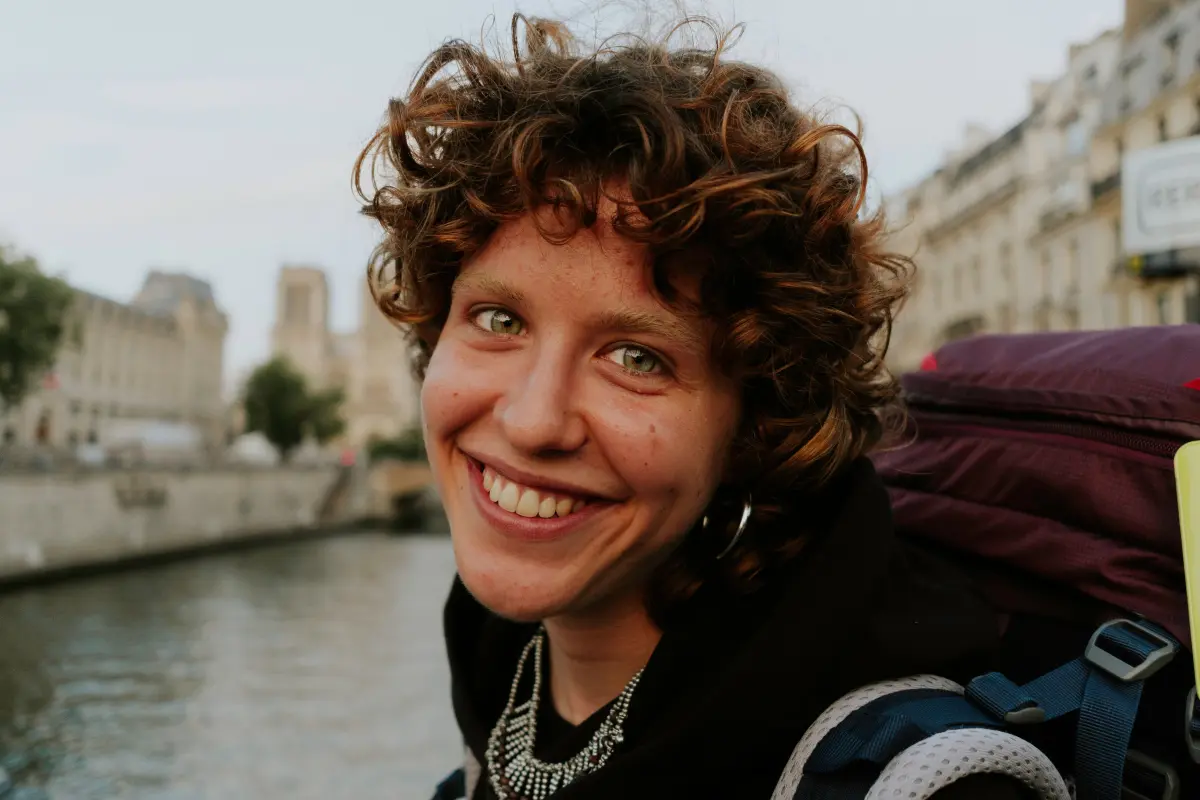
The Balkans remains one of the last genuinely budget-friendly regions in Europe. With a daily spend of €35–55, you can eat well, sleep in a good hostel, take buses between cities, and still do a handful of paid activities. This guide gives you the real numbers, the best cities to base yourself, the inter-city transport options, and the specific things worth spending money on versus where to cut corners without regret.
Daily Budget Reality Check
These are honest averages for a solo traveller staying in hostel dorms, eating at local restaurants, and using public transport:
| Country | Budget per day | Notes |
|---|---|---|
| Albania | €25–35 | Cheapest country on the circuit |
| North Macedonia | €28–38 | Ohrid slightly higher in summer |
| Serbia | €30–42 | Belgrade nightlife adds up |
| Bosnia & Herzegovina | €30–42 | Mostar pricier than Sarajevo |
| Montenegro | €40–55 | Kotor coast inflated in peak season |
| Croatia (Dubrovnik) | €55–75 | Most expensive by far |
| Slovenia | €50–65 | Ljubljana and Bled both pricy |
Practical total: a six-week circuit through Albania, North Macedonia, Serbia, Bosnia, Montenegro, and Croatia comes to approximately €1,500–2,000 in accommodation and food, not counting flights. Add €200–300 for transport costs and €200 for activities, and a full six-week Balkans trip with flights from the UK runs approximately €2,500–3,000 all in — significantly less than six weeks elsewhere in Europe.
Best Backpacker Cities
Tirana, Albania
Tirana has transformed its hostel scene since 2018. The Bunk’Art museums (housed in communist-era bunkers), the Blloku neighbourhood for evening drinks, and the Ethnographic Museum give two full days of content. Hostel dorm beds run approximately €12–18/night. Local food is excellent — a full meal of qofte (meatballs), salad, and bread at a neighbourhood restaurant costs approximately €4–6.
Browse Tirana accommodation for a range of options from hostels to budget hotels.
Saranda, Albania — Gateway to the Riviera
Saranda is the backpacker hub for the Albanian Riviera. Ksamil beaches are 30 minutes south by bus (approximately 150 ALL each way, about €1.30). Butrint National Park is 30 minutes further. The overnight ferry from Corfu runs approximately €25–35 depending on season, making it a popular gateway from Greece.
Hostel dorms in Saranda run approximately €12–20/night in summer. Accommodation options in Saranda.
Sarajevo, Bosnia
Sarajevo is consistently ranked one of the best backpacker cities in Europe. The Ottoman bazaar of Baščaršija, the war history (Tunnel of Hope, Sniper’s Alley, the siege-era stories), and some of the best coffee culture in the Balkans make it genuinely absorbing for three to four days. Hostel dorm beds run approximately €12–16/night; Bosnian cevapi (grilled sausages in bread) at the classic spots like Željo or Hodžić costs approximately €3–5 for a full portion.
Belgrade, Serbia
Belgrade is the nightlife capital of the Balkans and is extraordinarily cheap. A large beer in a kafana (traditional bar) costs approximately €1.50–2. Hostel dorms run €12–18/night. The fortress at Kalemegdan overlooks the Sava and Danube confluence (free entry). The Bohemian Quarter (Skadarlija) has cobblestone restaurants; dinner at a sit-down kafana runs approximately €8–12 for a full meal with drinks.
Ohrid, North Macedonia
Ohrid is the best-value lakeside destination in the Balkans. Dorm beds in the old town run approximately €12–16/night. The Sveti Naum monastery at the southern end of the lake (accessible by boat for approximately 600 MKD, about €10, or by bus for about €2) and the Church of St. John at Kaneo (free, just climb to it) are the two highlights. Full meals run approximately €5–8 at lakeside restaurants in the old town.
Transport Between Cities
The Balkans is best understood as a bus-and-occasional-train network. Rail is useful in Serbia and has scenic value in Montenegro (Bar–Belgrade overnight); everywhere else, buses are the primary option.
Key Bus Routes and Costs
| Route | Duration | Approximate Cost |
|---|---|---|
| Tirana → Saranda | 4–5 hrs | €8–12 |
| Saranda → Butrint → back | day trip | €5–8 total |
| Tirana → Ohrid | 3–4 hrs | €10–15 |
| Ohrid → Skopje | 2.5 hrs | €5–8 |
| Skopje → Sarajevo | 7–8 hrs | €20–28 |
| Sarajevo → Mostar | 2 hrs | €8–12 |
| Mostar → Dubrovnik | 3–4 hrs | €15–22 |
| Kotor → Dubrovnik | 1.5–2 hrs | €10–15 |
| Dubrovnik → Split | 3.5–4 hrs | €15–20 |
| Split → Zagreb | 4.5 hrs | €15–22 |
Bus prices fluctuate with season — July and August are typically 20–30% higher on tourist-heavy routes.
Border Crossings
Budget extra time for borders. Montenegro→Croatia (Debeli Brijeg/Karasovići) and Bosnia→Croatia crossings regularly take 30–90 minutes in summer. Kosovo borders require a valid passport (not just EU ID cards); some nationalities cannot enter Kosovo from Serbia — check current entry requirements before finalising your route.
Accommodation Strategy
Book hostels in peak season cities 1–2 weeks ahead: Dubrovnik, Kotor, and Split hostels fill up in July and August. Everywhere else can be booked a few days out, or even same-day on arrival.
Dorm size matters: 4-bed and 6-bed dorms in older converted Ottoman or Austro-Hungarian buildings (common in Sarajevo and Ohrid) are significantly more characterful than 12–16 bed dorms in modern builds. Worth the small price difference.
Apartments via Booking.com: for two or three people travelling together, a shared apartment usually undercuts hostel dorm prices while giving kitchen access. Search apartments across the Balkans — a two-bed apartment in Tirana or Ohrid for two people sharing typically costs €20–30 per person per night.
Activities Worth the Money
On a tight budget, prioritise these:
- White-water rafting, Tara River Canyon (Bosnia/Montenegro border): the deepest river canyon in Europe. Full-day rafting trips run approximately €50–70 from Žabljak. One of the best-value adventure experiences in the Balkans.
- Bunk’Art 1 & 2, Tirana: the communist-era bunker museums are genuinely fascinating and cost approximately €5 each.
- Kotor Bay boat trip: budget operators run shared group trips for approximately €20–25 per person (versus €80–120 for private); the shared trip covers the same water.
- Sutjeska National Park, Bosnia: entrance to Perućica virgin forest, one of the last old-growth forests in Europe, costs approximately €5. The short forest trail to Skakavac waterfall is free once inside.
Browse budget-friendly tours and activities across the Balkans.
Staying Connected
Multi-country travel in the Balkans means dealing with different SIM cards or expensive roaming charges. An Airalo eSIM for the Balkans covers most of the circuit (Albania, North Macedonia, Serbia, Bosnia, Montenegro, Croatia, Slovenia) from a single data plan without physical SIM changes — typically €10–18 for 10GB regional data, which lasts comfortably for two to three weeks of normal use.
Travel Insurance
Do not skip travel insurance. Even on a tight budget, one emergency medical situation without insurance can cost thousands of euros. Healthcare standards vary significantly across the circuit — Serbia and Croatia are the most reliable; Albania and Bosnia require more caution for non-emergency care.
Balkans travel insurance — compare policies that cover adventure activities (hiking, rafting) if you plan to do either.
Budget-Saving Tips That Actually Work
-
Eat where locals eat, not where the guidebooks point: look for restaurants without English signage at the front and with plastic tablecloths. Quality is generally better and prices half what the tourist-facing places charge.
-
Cook breakfast at the hostel: most hostels have kitchen access. A supermarket breakfast (bread, yogurt, fruit) costs €1.50–2.50 per day versus €5–8 at a café.
-
Avoid Dubrovnik for more than two nights: Dubrovnik is the most expensive city in the Balkans by a significant margin. Two nights is enough to see the main sights; extending costs money without adding proportionally to the experience.
-
Take the overnight bus: Belgrade to Sarajevo overnight saves a night’s accommodation and positions you for a morning arrival with a full day ahead.
-
Walk the Kotor walls on a weekday: the walls entrance costs approximately €8. On weekday mornings in shoulder season, you may have stretches entirely to yourself.
Use the Balkans trip cost calculator to plug in your exact duration and accommodation style for a personalised budget estimate.
Common Backpacker Routes
Classic 4-week circuit (most popular for first-timers): Dubrovnik → Split → Mostar → Sarajevo → Belgrade → Novi Sad → Skopje → Ohrid → Tirana → Saranda
Albania-focused 2 weeks (best value, least crowded): Tirana → Berat → Gjirokastër → Saranda → Ksamil → Ohrid (North Macedonia)
Western Balkans 3 weeks (deeper history focus): Belgrade → Sarajevo → Mostar → Dubrovnik → Kotor → Tirana → Berat