Sofia Travel Guide: What to See in Bulgaria's Capital
Sofia travel guide: Alexander Nevsky Cathedral, Vitosha Boulevard, National Museum, and city day trips - Bulgaria's capital covered.
Guides for Sofia: Bulgaria's Capital City
Sofia is often the overlooked capital - visitors flying in from Western Europe to catch a bus to Plovdiv or Rila Monastery sometimes forget to spend time in the city itself. That is a mistake. Sofia has a distinct character shaped by its unusual layering: Roman ruins visible through glass floors under the central streets, Ottoman mosques coexisting with Orthodox churches, communist-era monumentalism giving way to a lively café and bar scene, and the Vitosha mountain range rising at the southern edge of the city.
It is not a polished destination on the level of Prague or Vienna, and it doesn’t try to be. That roughness is part of what makes it interesting.
Getting to Sofia
By air: Sofia Airport (SOF) has Terminal 1 (mostly charter and budget airlines) and Terminal 2 (main hub). A metro line runs between Terminal 2 and the city centre in about 30–35 minutes for €0.80. Taxis from the airport to the centre cost around €10–15 if you use a licensed taxi with a meter.
By bus from Belgrade: Approximately 5–6 hours, costing €20–30. Several companies run the route.
By train from Thessaloniki: Around 8–9 hours; the route crosses spectacular terrain but is slow. Useful if you are travelling through northern Greece.
By bus from Plovdiv: About 2 hours, costing €5 - very easy for combining the two cities.
Getting Around Sofia
The metro (Sofia Metro) is the cleanest and most reliable transit in the city. A single ticket costs €0.80, and the network covers the main tourist sites: central stops include Serdika (for the city centre and Roman ruins), National Palace of Culture, and the National History Museum is reachable via Line 2 to Vitosha.
Trams and buses cover areas not on the metro. Day passes are available and cost around €3. The city centre - between Alexander Nevsky Cathedral, the Central Market Hall, and Vitosha Boulevard - is walkable in about 20 minutes at a steady pace.
Alexander Nevsky Cathedral
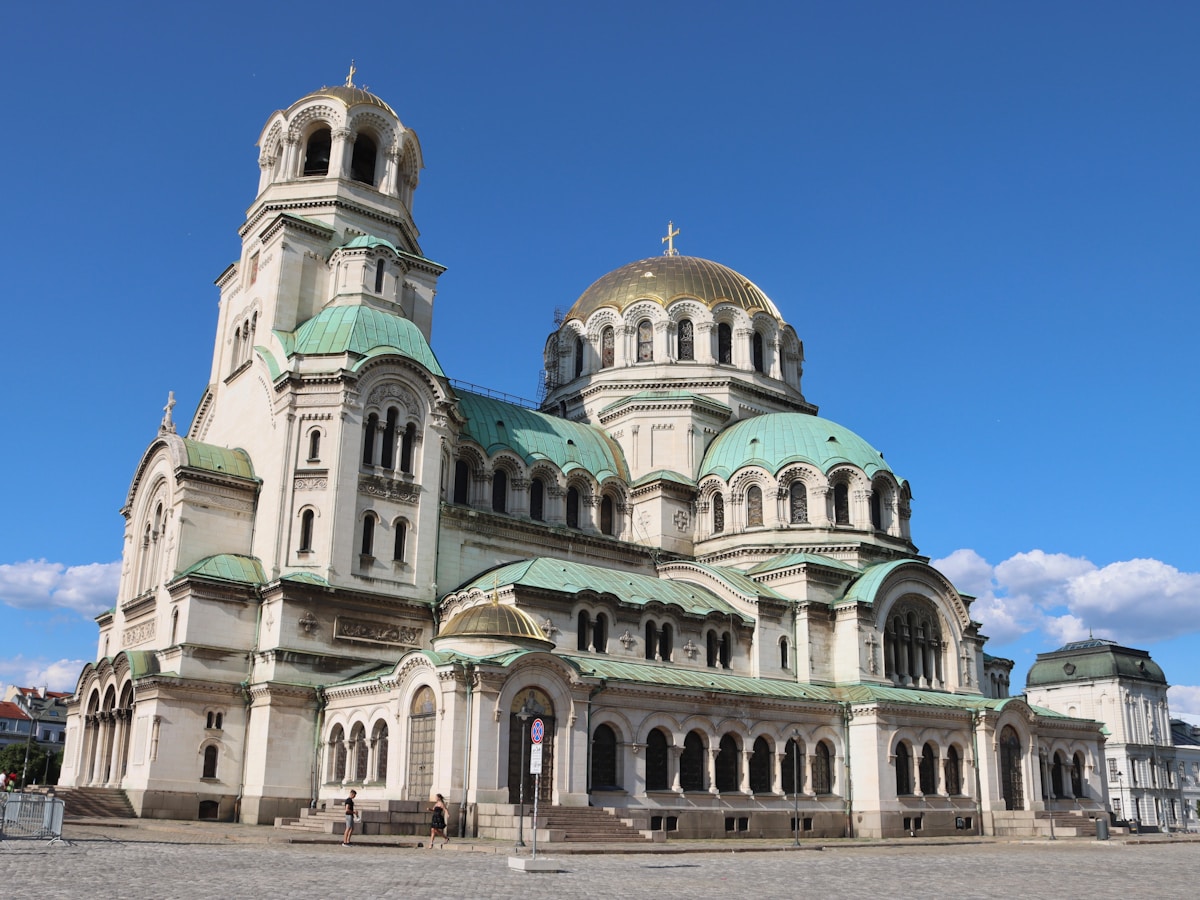
The Alexander Nevsky Cathedral is one of the largest Eastern Orthodox cathedrals in the world, with a capacity of around 5,000 people and a gilded dome that dominates the skyline of central Sofia. It was built between 1882 and 1912 to commemorate the Russian soldiers who died fighting for Bulgaria’s liberation from Ottoman rule.
Entry to the main church is free. The crypt museum, which houses the largest collection of Orthodox icons in Bulgaria, charges a small entry fee (around €4–6). The interior of the main church - gold candelabras, marble columns, painted domes - is genuinely imposing and worth 30–45 minutes.
The cathedral square on Sunday mornings has an informal icon and antiques market on the steps outside, selling Soviet-era watches, coins, religious iconography, and vintage items.
Vitosha Boulevard
Vitosha Boulevard (Bul. Vitosha) is Sofia’s main pedestrian shopping and café street, running south from the main shopping centre to the National Palace of Culture. It is not especially historic - it is lined with chain stores, cafés, and international brands - but it is the liveliest public space in the city and a useful axis for orientation.
The view south along the boulevard toward Vitosha Mountain is a distinctive Sofia image: the urban street receding toward a 2,290-metre peak that rises unexpectedly at the southern edge of the city. Vitosha National Park is accessible by bus from the city and offers hiking routes from easy walks to a full summit ascent of Cherni Vrah (the highest point at 2,290 m).
Roman Serdica
The Roman city of Serdica lies directly under central Sofia - the city has been continuously inhabited for over 7,000 years and was a significant Roman settlement from the 1st to 4th centuries AD. The best display of these ruins is at the Serdica Archaeological Complex, visible through glass floors and in open excavations around the Serdika metro station and the Largo administrative square.
Walking through the centre of Sofia and looking down at preserved Roman streets, mosaics, and building foundations at your feet under the streets is one of the more unusual experiences in Bulgarian urban tourism. There is no admission charge for the street-level viewing; the indoor sections may have a small entry fee.
National History Museum
The National History Museum of Bulgaria (Национален исторически музей) is the largest museum in Bulgaria and covers the full sweep of Bulgarian history from prehistory to the modern era. It is housed in a former communist-era government residence in the Boyana district, about 8 km from the city centre - accessible by bus or taxi.
Allow at least 3 hours for a thorough visit. Key highlights include displays on the Thracian gold (including items from the Panagyurishte Treasure - extraordinary 4th-century BC rhytons and phials), medieval Bulgarian empires, and the period of Ottoman rule and subsequent independence.
Entry costs approximately €5–7 for adults.
Sofia Synagogue and Banya Bashi Mosque
Two of Sofia’s most historically interesting buildings stand near the Central Market Hall within a few minutes of each other - a spatial reminder of the city’s complex religious history.
The Sofia Synagogue (1909) is the largest Sephardic synagogue in the Balkans and one of the largest in Europe, designed in the Moorish Revival style. It serves a small but active community and is open to visitors on a regular schedule.
The Banya Bashi Mosque (1576) is the only active mosque in central Sofia, an Ottoman-period building constructed above natural hot springs (the name means “bath mosque”). It is an active place of worship and open to respectful visitors outside prayer times.
Central Market Hall
The Women’s Market (Женски пазар) and the surrounding Central Market Hall area is Sofia’s main everyday food market, running along a central street in the city. Fresh produce, spices, dried fruits, cheese, and local dairy products fill the stalls. It is a useful place to buy picnic supplies or simply to see how the city feeds itself outside of restaurants.
This is also one of the more affordable café and lunch areas in the centre - the surrounding streets have cheap Bulgarian restaurants (мезе, grilled meats, soup) starting from €3–5 for a meal.
Borisova Gradina
Borisova Gradina is Sofia’s main urban park - a large green space southeast of the city centre with lakes, sports facilities, monument trails, and enough tree cover to genuinely escape the city noise. It is where locals go for morning runs, weekend strolls, and summer evening walks. Not a tourist attraction so much as a useful reminder that Sofia has significant green space.
Access is free; the park is open at all hours.
Free Walking Tour
Sofia’s free walking tour (tip-based) is one of the most effective orientation tools in the city, and the standard of guiding is consistently high. Tours typically depart from the Palace of Justice or Alexander Nevsky Square and run for approximately 2–2.5 hours, covering the Roman ruins, the Orthodox and Ottoman religious buildings, communist-era history, and the political changes of 1989.
Multiple operators run these tours; searching “Sofia free walking tour” will show current departure times. The tip is at your discretion - €5–10 per person is a reasonable guide.
Day Trip to Rila Monastery
The Rila Monastery is Bulgaria’s most-visited site outside the cities, a UNESCO World Heritage Site set in the Rila Mountains about 120 km south of Sofia. A day trip is possible:
- By bus: Take a bus from Sofia’s Ovcha Kupel bus station to Rila village (approximately 2 hours), then a connecting bus to the monastery. The last return bus leaves in the early afternoon - confirm times before going.
- By organised tour: More convenient and typically costing €30–45. Guided tours from Sofia to Rila Monastery and the Seven Rila Lakes handle all logistics and are the most practical option for a single day.
The monastery compound - a painted wooden arcade surrounding a striped stone church, in a mountain valley with no visible modern buildings - is one of the most complete single impressions of Bulgarian Orthodox culture you can get in a day.
Budget Guide
| Item | Approximate cost |
|---|---|
| Metro single ticket | €0.80 |
| Coffee | €1–1.50 |
| Local restaurant lunch | €4–8 |
| Hostel dorm | €12–15 |
| Budget double hotel | €40–60 |
| Mid-range hotel double | €60–80 |
| Alexander Nevsky crypt | €4–6 |
| National History Museum | €5–7 |
Sofia guides
- Things to do in Sofia
- Where to stay in Sofia
- Best hotels in Sofia
- Best restaurants in Sofia
- Food to try in Sofia
- Best cafés to work in Sofia
- Vegan food in Sofia
See also
- Bulgaria travel guide
- Best food in Bulgaria
- Vegan food in Bulgaria
- Plovdiv
- 7-day Bulgaria itinerary
- Food tours in Sofia
- Day trips from Sofia
- Sofia airport transfer
- Sofia vs Belgrade
- Balkans digital nomad guide
Plan your trip: Browse tours and activities in Sofia to see what’s available, from walking tours to day trips. Hire a car if you want flexibility for the surrounding area, and cover your journey with Balkans travel insurance.
Book an experience
Top experiences in Sofia: Bulgaria's Capital City
Explore the best tours and activities in Sofia: Bulgaria's Capital City - instant confirmation, free cancellation on most bookings.