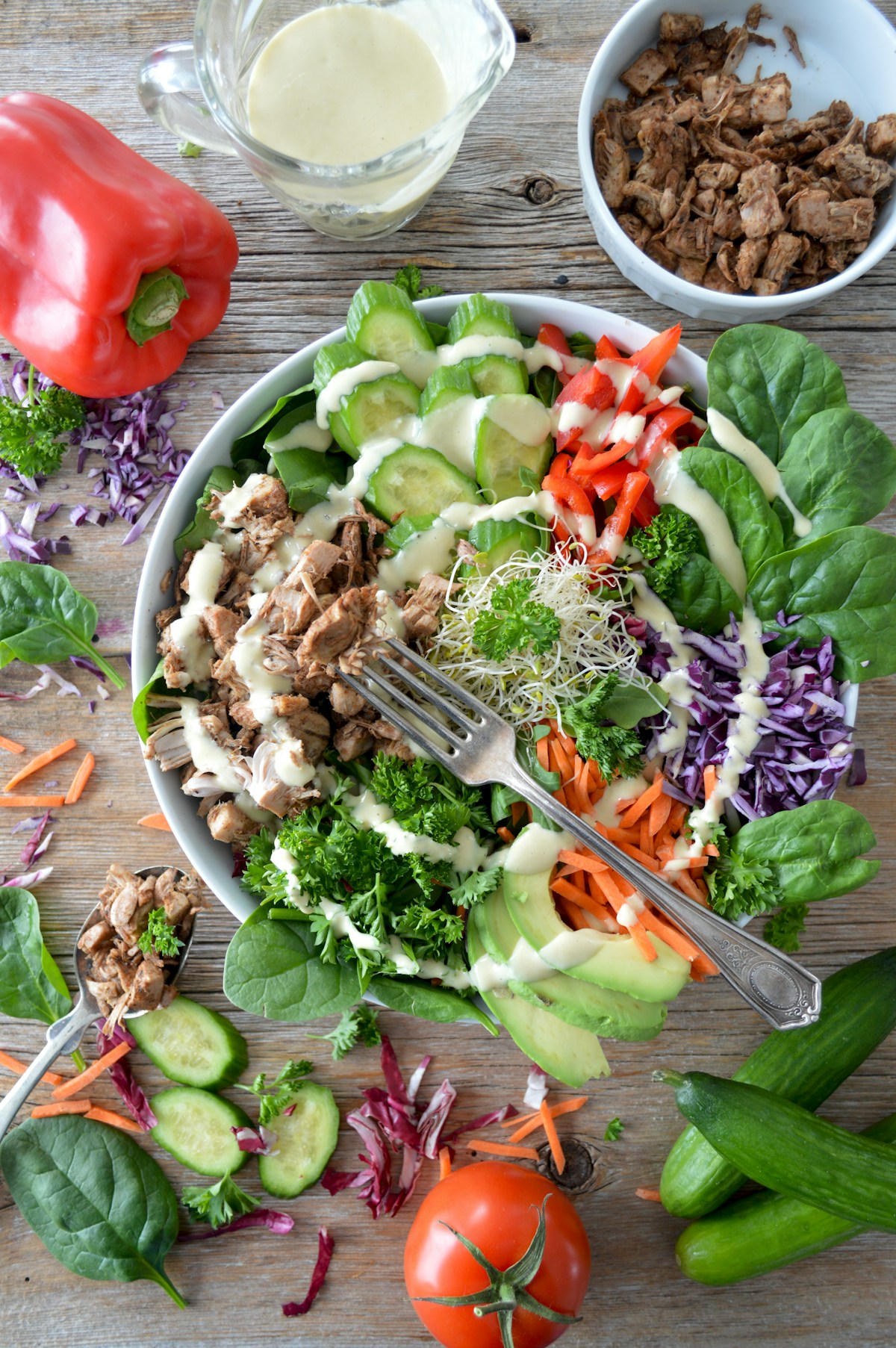
Bulgarian cuisine is a product of Balkan, Ottoman, and Slavic traditions - centred on dairy products, grilled meats, fresh salads, and slow-cooked stews. It is not a globally famous cuisine, which means most visitors arrive with low expectations and leave pleasantly surprised. Sofia is the best city to explore it, with traditional mehanas (taverns) at every price point from street-vendor casual to proper sit-down dining. All prices below are approximate; 1 EUR ≈ 1.96 BGN.
Banitsa
Banitsa is the most ubiquitous Bulgarian food - a baked pastry made from layers of phyllo dough filled with white cheese (sirene), spinach, or sometimes pumpkin or meat. You find it at every bakery, market stall, and petrol station in Bulgaria. In Sofia, the best banitsa comes from traditional bakeries (fırın or banitsernitsa) that bake fresh throughout the morning.
Price: BGN 1.50–2.50 from a street vendor or bakery. Restaurant versions are larger and cost BGN 4–7. Where to find it: Zhenski Pazar market area, any traditional bakery in central Sofia. Best eaten hot, immediately after baking. Variants: Sirene (white cheese) is the classic. Spanachena (spinach) is milder. Tikvenik (pumpkin) is sweet and typically autumn/winter.
Shopska Salata
Shopska salata is Bulgaria’s national salad and one of the first things visitors should order. The base is simple: diced ripe tomatoes, cucumber, and green pepper, with onion and parsley. The defining element is the thick layer of coarsely grated white sirene cheese on top - Bulgarian sirene is saltier and firmer than Greek feta, and the ratio of cheese to vegetable in a good shopska salata is generously high.
Price: BGN 5–9 at a traditional restaurant. Often included in set lunch menus. What makes it good: Ripe, in-season tomatoes (summer and early autumn versions are noticeably better). Freshly grated sirene rather than pre-shredded packaged cheese. A good drizzle of sunflower oil. Vegetarian: Yes. No meat, no fish.
Kavarma
Kavarma is a traditional Bulgarian meat stew - chicken or pork slow-cooked in a clay pot with onions, peppers, tomatoes, and sometimes mushrooms. It is served bubbling at the table in the pot it was cooked in. The technique produces meat that falls off the bone and a rich sauce that absorbs into the bread that is always brought alongside.
Price: BGN 12–18 at a mid-range mehana. Order with: Bread (always provided) and a glass of Bulgarian Mavrud red wine. Regional variants: Different regions have distinct kavarma styles - the Sofia version tends to be tomato-heavy; versions from western Bulgaria use more peppers.
Kebapche
Kebapche is Bulgaria’s most common grilled meat - a cylindrical sausage of minced beef and pork seasoned with cumin and pepper, grilled over charcoal or flame until just cooked through. It is typically served with white bread, shopska salata or sliced tomatoes, and a side of lyutenitsa (roasted red pepper and tomato relish).
Price: BGN 8–12 for a portion (3–4 pieces) at a traditional restaurant; BGN 5–8 at a street grill. Related dishes: Kyufte is a flatter, patty-shaped version of the same spiced minced meat mixture. Nadenichka is a thinner, more heavily seasoned Bulgarian sausage, often served as an appetiser.
Tarator
Tarator is a cold soup made from Bulgarian yogurt, cucumber, garlic, dill, and crushed walnuts - served in a glass or bowl as a starter, particularly in summer. It is light, refreshing, and sharply flavoured. Not everyone’s first reaction is positive - the combination of cold yogurt, raw garlic, and walnut can be surprising - but it is genuinely good in hot weather.
Price: BGN 5–8 at a traditional restaurant. When to eat it: Primarily summer (June–September). In winter, mehanas often replace it with hot bean soup (bob chorba) instead. Vegetarian: Yes.
Bulgarian Yogurt
Bulgarian yogurt (kiselo mlyako) has a cultural significance in the country that borders on national pride. The specific bacterial strains used in traditional Bulgarian yogurt production (Lactobacillus bulgaricus and Streptococcus thermophilus - the latter named after Bulgaria) produce a tangier, thicker, more flavourful yogurt than most commercial equivalents.
In Sofia, Bulgarian yogurt appears at every breakfast, as a side to grilled meats (as a cooling condiment), in tarator, and in baked dishes. The best versions come from small local dairy producers sold at Zhenski Pazar market and traditional supermarkets. The difference between genuine Bulgarian yogurt and supermarket imitations sold in Western Europe is significant.
Price: BGN 1.50–3 for a tub at a market stall or supermarket.
Mishmash
Mishmash is a baked egg dish - scrambled eggs cooked with roasted red peppers, tomatoes, onion, and sometimes white cheese or mushrooms. It is a popular breakfast and lunch dish across Bulgaria. Somewhere between a shakshuka and a scrambled egg, it is warming and filling.
Price: BGN 6–10 at a traditional restaurant. Vegetarian: Yes (cheese version), though some recipes include bacon.
Lyutenitsa
Lyutenitsa is a roasted red pepper and tomato relish - spreadable, slightly smoky, with a gentle heat. It comes with grilled meats in most traditional restaurants and is sold by the jar in every supermarket in Bulgaria. The quality varies enormously between commercial and artisan versions; the jar versions from small producers at Zhenski Pazar are the best to take home.
Price: BGN 3–6 per jar at the market.
Rakia
Rakia is the fruit brandy of the Balkans - in Bulgaria, typically distilled from grapes, plums, or quince, with an alcohol content of 40–60%. It is the standard pre-dinner drink at any traditional mehana, served in a small glass alongside a salad or cold starter.
Price: BGN 2–4 per shot at a traditional restaurant or bar. Varieties: Grozdova (grape), Slivova (plum), Kajsieva (apricot). Grape is the most common in Sofia; plum rakia tends to come from central and western Bulgaria.
Zhenski Pazar for Fresh Ingredients
Zhenski Pazar (the Women’s Market) is the best place in Sofia to experience Bulgarian produce outside a restaurant setting. The stalls sell seasonal vegetables, fresh herbs, dried spices, pickled vegetables (tuршии), white sirene cheese from local dairies, ayran (yogurt drink), fresh yogurt, walnuts, dried fruits, and honey. Walking through it in the morning gives a clearer picture of what Bulgarian cooking is actually built from than any restaurant menu.
Location: Pirotska Street, central Sofia. Opening: Mornings through early afternoon; most active 8:00–13:00.
For restaurant recommendations in Sofia, see our best restaurants guide. For the full city overview, see the Sofia travel guide.
See also
- Bulgaria travel guide
- Sofia travel guide
- Plovdiv food guide
- 7-day Bulgaria itinerary
- Balkans travel costs
Book accommodation in Sofia to stay central and within easy reach of the restaurants on this list.
A Sofia flea and food markets tour covers the central market hall, Zhenski Pazar, and the local street food circuit in one session - or the Sofia afternoon walking tour with wine and food tasting for a more curated approach. Book accommodation in Sofia near the centre for walking access to the main markets and eating.
Plan your trip: Browse tours and activities in Sofia - food tours and guided walks are a great way to get into the eating scene. Sort travel insurance before you fly, and grab a Balkans eSIM for data when you land.