Bulgaria Travel Guide: Best Places to Visit
Bulgaria travel guide: Sofia, Plovdiv, Rila Monastery, and the Black Sea coast. Transport, entry costs, visa rules, and highlights all covered.
Cities & regions
Country guides
Bulgaria sits at the southeastern edge of the Balkans, between the Black Sea to the east and the Rhodope and Rila mountains to the south and southwest. It has been an EU member since 2007 and joined the Schengen Area in March 2024, making border crossings from other Schengen countries seamless.
Despite these credentials, Bulgaria remains one of the least-visited EU countries by Western tourists, which means its historic sites, landscapes, and cities feel less pressured than comparable destinations further west. Prices remain among the lowest in the EU: a coffee costs €1–1.50, a restaurant meal €5–10, and comfortable mid-range hotels run €50–80 per night.
Why Bulgaria is Underrated
Most visitors who do come to Bulgaria go for a single purpose - ski resorts in winter, Black Sea beach resorts in summer - and miss the wider picture. Bulgaria has:
- Roman ruins across multiple cities, particularly Plovdiv’s amphitheatre and Nikopolis ad Istrum
- Orthodox monastery architecture at its best in Rila Monastery (a UNESCO World Heritage Site) and the Bachkovo Monastery
- Sofia: a capital with a mix of communist-era monumentalism, Ottoman mosques, 19th-century Orthodox cathedrals, and genuine urban green space - underestimated by most European travellers
- Plovdiv: one of the most architecturally rewarding old towns in the Balkans, with a Roman amphitheatre still used for concerts
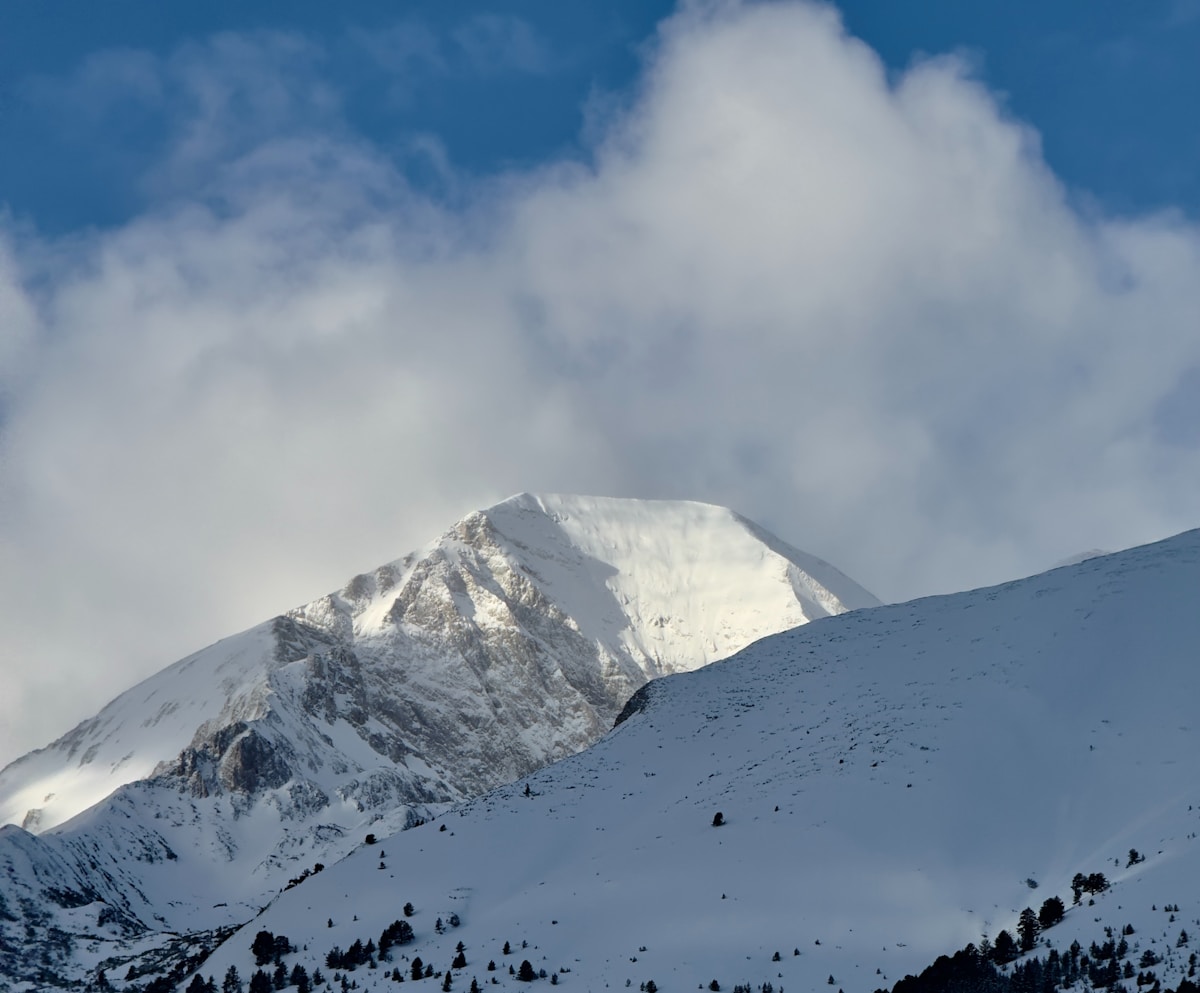
- Rhodope Mountains in the south: rural landscapes, gorges, and a slower pace far from the coast
- Thracian tomb sites: an ancient civilisation left remarkable burial tombs, some of which are open to visitors in the Kazanlak area
Currency
The Bulgarian lev (BGN) is the national currency. The exchange rate is approximately 1 EUR = 1.96 BGN, effectively 2:1, which makes mental arithmetic easy. Bulgaria is expected to adopt the euro, but formal entry has been delayed multiple times -, the lev is still in use.
ATMs are widely available in cities and towns. Card payment is accepted in most restaurants and hotels, though smaller establishments and markets may be cash-only.
Getting There
By air: Sofia Airport (SOF) is the main international hub, with direct flights from most major European cities. Plovdiv also has an airport with some seasonal and budget airline routes. Pre-book a fixed-price transfer from Sofia Airport to the city centre with Welcome Pickups - the journey takes approximately 25–30 minutes.
Overland from Serbia: The main crossing point is at Kalotina on the E80 highway between Niš (Serbia) and Sofia. Regular buses connect Belgrade and Sofia (approx. 5–6 hours, €20–30).
From Greece: Multiple crossing points from Thessaloniki or Kavala into southern Bulgaria. Regular buses and some trains.
From Romania: The Danube bridge crossing at Vidin–Calafat or Rousse–Giurgiu. Train services connect Bucharest and Sofia (approx. 9–11 hours) and Bucharest and Varna on the Black Sea.
From North Macedonia: Border crossings at Gyueshevo and Zlatarevo connect to Kyustendil and the Sofia road. Bus services operate from Skopje.
From Turkey: The main crossing is at Kapitan Andreevo, used by trains and buses between Istanbul and Sofia (approx. 8 hours by bus).
Main Highlights
Sofia
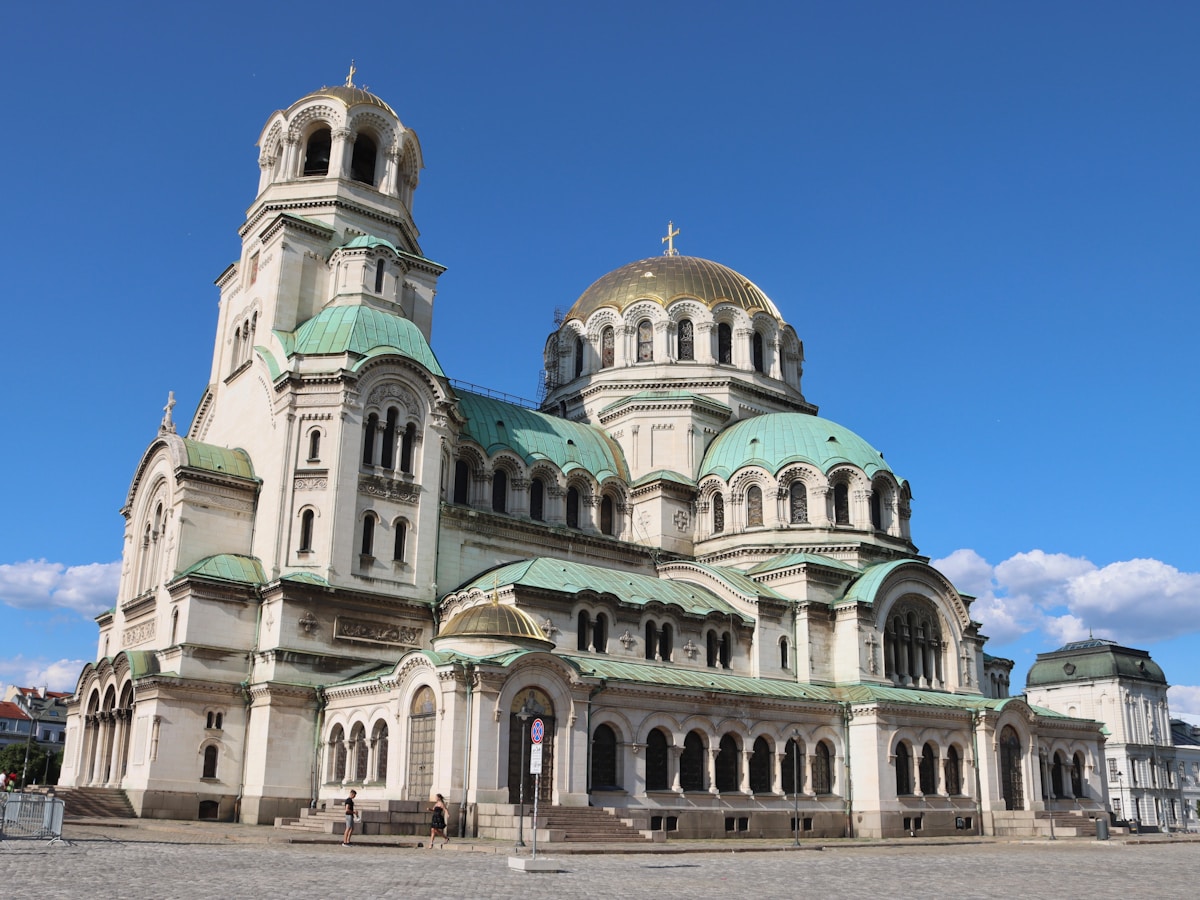
Bulgaria’s capital is an easy city to underestimate. The Alexander Nevsky Cathedral is one of the largest Orthodox cathedrals in the world, with a gold-domed interior and a crypt museum. The city centre mixes Roman ruins (the Serdica complex is visible under the central street), Ottoman mosques, communist-era boulevards, and lively parks. The free walking tour (tip-based, departing from Alexander Nevsky) is the best orientation tool available.
See our full Sofia travel guide.
Plovdiv
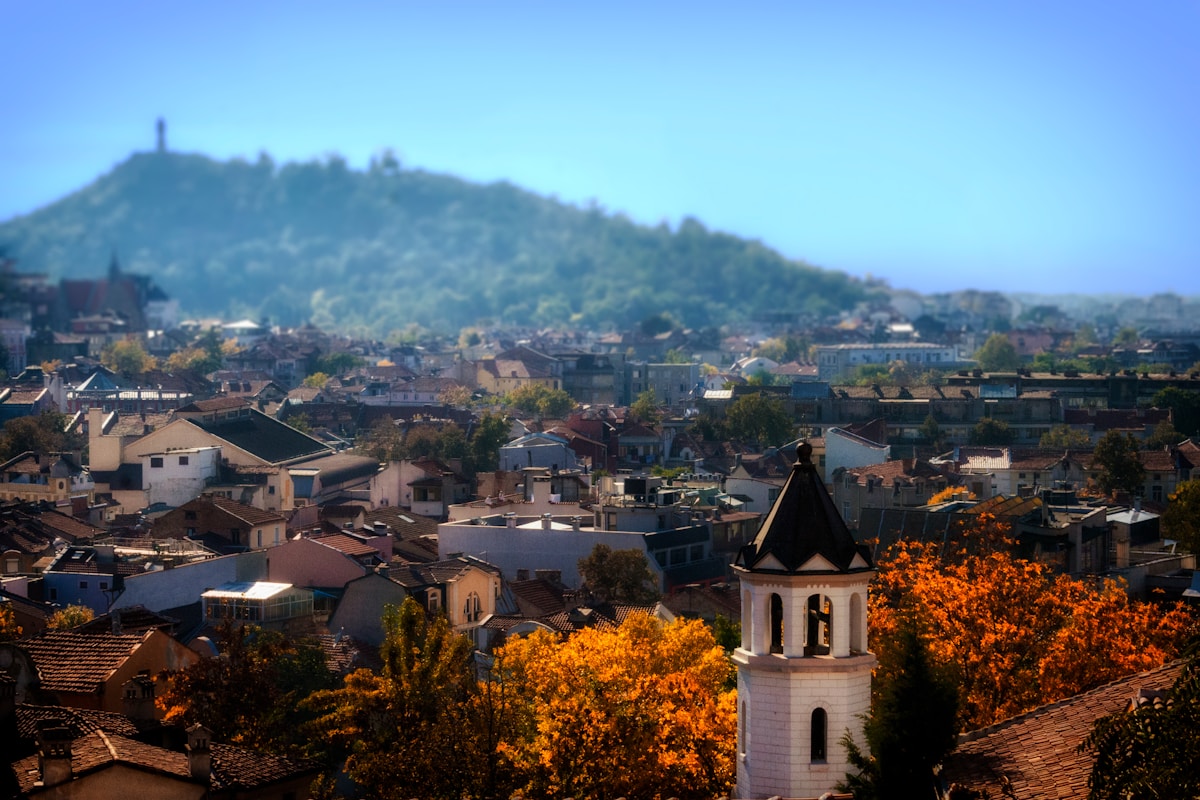
Bulgaria’s second city is often more interesting to visit than Sofia, particularly the Old Town on its famous hills. A Roman amphitheatre dating to the 2nd century AD is still used for open-air concerts. The Kapana Creative District has transformed a former artisan quarter into cafés, galleries, and workshops. Plovdiv was named a European Capital of Culture in 2019.
The day trip from Sofia by bus or train takes about 2 hours and costs around €5.
See our full Plovdiv travel guide.
Rila Monastery
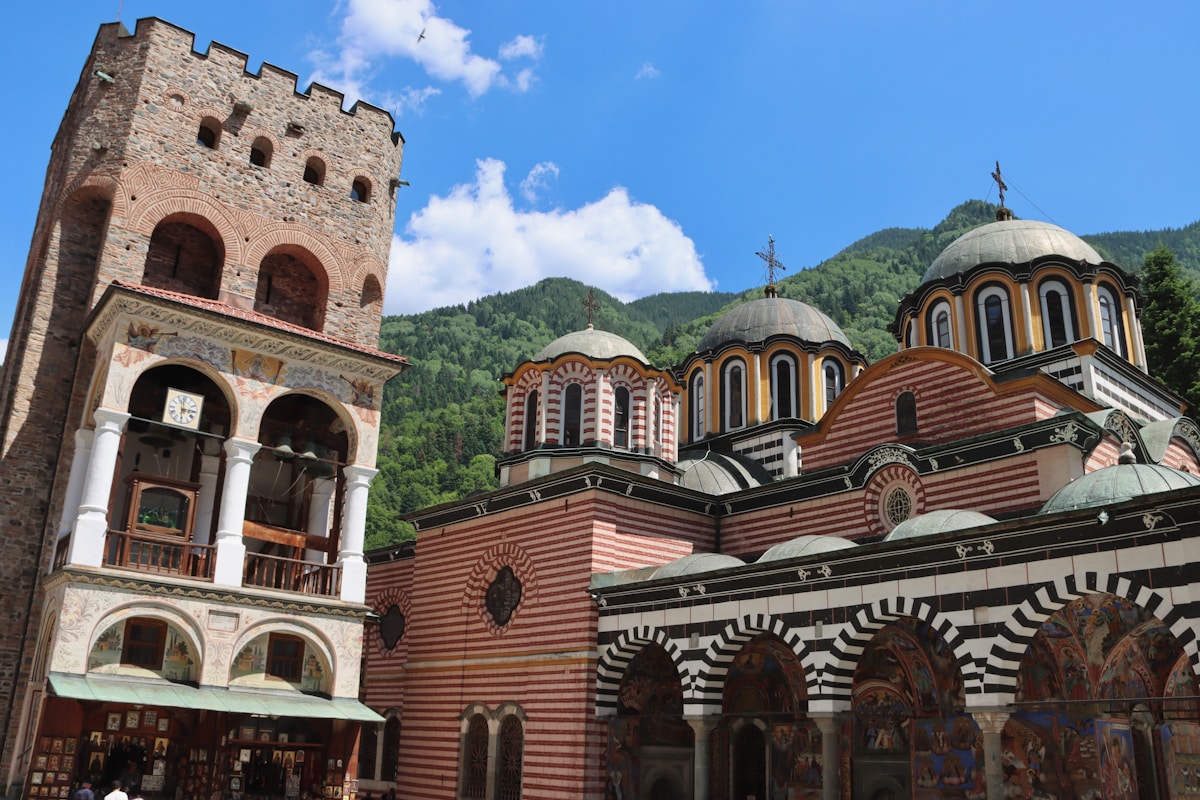
Bulgaria’s most famous single site is the Rila Monastery, a fortified Orthodox monastery in the Rila Mountains about 120 km south of Sofia. Founded in the 10th century, it was rebuilt in the 19th century after a fire and now appears as a dramatic fortress of painted wooden arcades around a central church with striped stone arches. It is a UNESCO World Heritage Site.
Day trips from Sofia are possible by bus (about 2 hours each way, with a change at Rila village) or by organised tour (the more practical option, typically costing €30–45 including transport). An overnight stay in the monastery’s accommodation is possible and gives you the site in early morning before tour groups arrive.
The Black Sea Coast
Bulgaria’s Black Sea coast runs for about 378 km, with a range from large resort complexes (Sunny Beach - very popular with package tourists, particularly British and German) to quieter towns and beaches. Varna is the most interesting city on the coast, with an archaeological museum covering the Varna Necropolis (site of the world’s oldest gold treasure, dating to 4500 BC), a Roman bath complex, and a liveable city centre.
Nessebar (near Sunny Beach) is a UNESCO World Heritage Site - a small promontory packed with medieval Bulgarian churches. Sozopol is a more attractive alternative to Sunny Beach with an old wooden house quarter and a less mass-market feel.
Budget Guide
Bulgaria is consistently among the two or three cheapest EU countries to visit:
| Item | Approximate cost |
|---|---|
| Coffee | €0.80–1.50 |
| Local restaurant meal | €4–8 |
| Mid-range restaurant dinner | €10–18 |
| Budget hostel dorm | €12–18 |
| Mid-range hotel double | €50–80 |
| Sofia metro ride | €0.80 |
| Bus Sofia–Plovdiv | ~€5 |
Best Time to Visit
May–June: Warm, green, uncrowded. The Rila and Rhodope mountains are opening up, wildflowers are out, and Sofia and Plovdiv are at their most liveable. Recommended for most visitors.
July–August: Hot in the cities (Sofia regularly exceeds 35°C). The Black Sea coast is at peak. Crowded at resorts; quieter inland.
September–October: Excellent for cities and mountains. Autumn colours in the Rhodopes. Lower prices than summer.
December–February: Ski season at Bansko and Pamporovo. Sofia in December has Christmas markets but cold temperatures. Not good for beach travel; excellent for ski-focused trips.
Bulgaria city guides
Bulgaria itineraries
See also
- Best tours in Sofia
- Best tours in Plovdiv
- Best tours in Varna
- Best food in Bulgaria
- Vegan food in Bulgaria
- Bulgaria festivals guide
- Skiing in the Balkans
- Best beaches in the Balkans
- Hiking in the Balkans
- 3 weeks in the Balkans
- Balkans travel costs
- Sofia vs Belgrade
- National parks in the Balkans
- Balkans currency guide
- First time in the Balkans
- Serbia travel guide
- North Macedonia travel guide
- Planning a Balkans trip
Plan your trip: Browse guided tours and activities in Bulgaria. Search flights to Bulgaria and compare prices early - booking ahead saves money. Hire a car for flexibility between destinations, and don’t forget travel insurance.
Book an experience
Top experiences in Bulgaria
Explore the best tours and activities in Bulgaria - instant confirmation, free cancellation on most bookings.