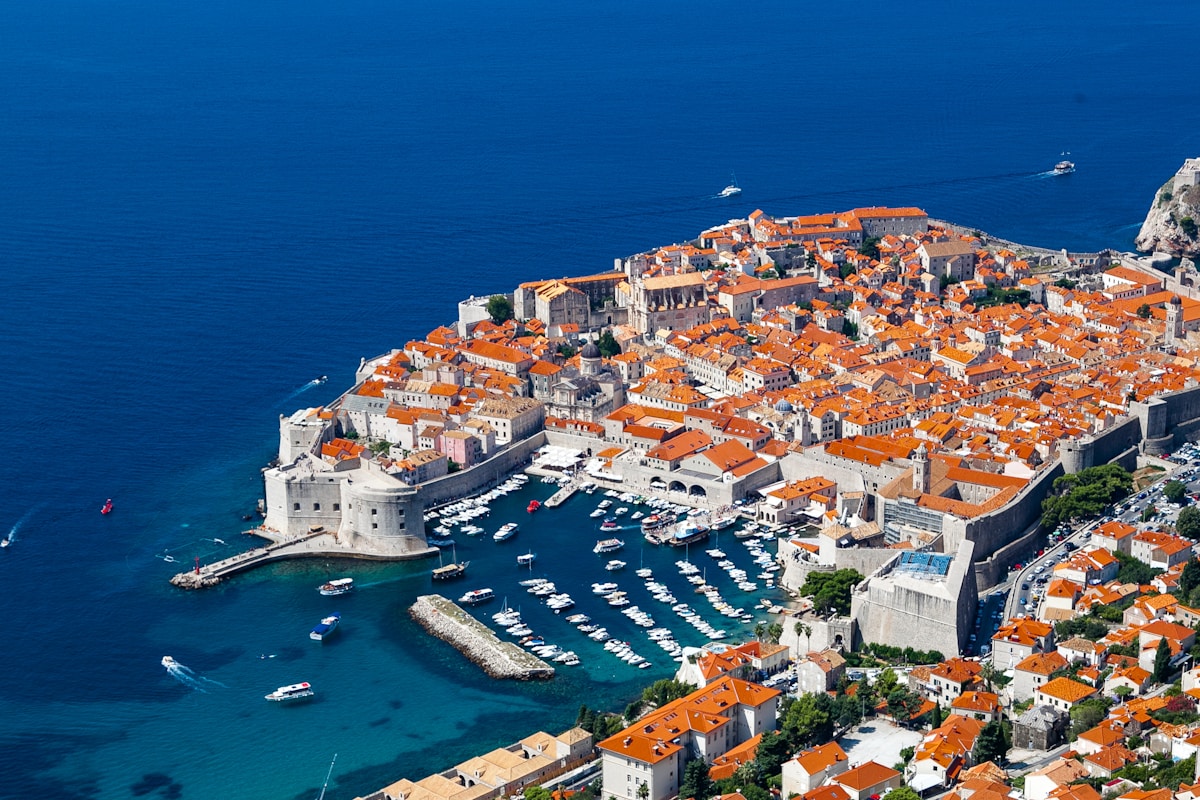
The Balkans is one of the best value short-break destinations in Europe. Dubrovnik, Split, Sarajevo, and Kotor are all 2–3 hours by air from London, Amsterdam, Berlin, and Paris, with return flights frequently available for €80–150. Tirana has become accessible from most European cities since Air Albania expanded its network in 2022–2023. A three-night weekend break to any of these cities costs roughly half the equivalent in Portugal, Italy, or Spain.
This guide covers the seven cities that work best for a 2–4 night break from Europe, with itinerary outlines, accommodation recommendations, and estimated total trip costs.
Why Balkans City Breaks Work
The combination of factors that make a city-break destination — compact old towns, a density of things to do within walking distance, good restaurants in a small area, and enough visual distinctiveness to feel unlike home — is present in virtually all the Balkans destinations below. The Adriatic old towns (Dubrovnik, Kotor, Split) are genuinely among the most beautiful in Europe. Belgrade and Sarajevo have food cultures that repay time more than most cities their size. Tirana is cheap and increasingly interesting.
The absence of the full tourist-industry polish that flattens places like Barcelona or Lisbon is, for many travellers, the point. You are rarely the only people in a restaurant, but you are also rarely eating in a place that has been optimised entirely for your expectations.
7 Best Balkans City Breaks
Dubrovnik: 3 Nights
Fly from: London, Amsterdam, Berlin, Vienna, Stockholm, Rome, Paris. Direct flights; 2–3 hours. Cheapest months: November–March (avoid the summer cruise season).
The old city walls are the centrepiece — walk the full circuit (approximately 2 km, approximately €35 per person, as of 2026) ideally at opening time (08:00) or late afternoon to avoid the midday cruise-ship rush. The walls give the best elevated views; Lovrijenac Fortress (entry approximately €15 as of 2026, or combined ticket with the walls) adds another vantage point.
Day 1: Arrive, walk the Stradun, dinner in the old town or Lapad neighbourhood. Day 2: Early walls walk, afternoon Lokrum island ferry (€7 return, 15 minutes), evening in Pile Gate area. Day 3: Day trip to Elaphiti Islands or Korčula.
Stay: Hotel Stari Grad (inside the walls, doubles from approximately €120/night in shoulder season), or guesthouses in Lapad (€60–90/night, quieter, 10 minutes’ walk from the walls). Browse Dubrovnik hotels.
Total cost estimate (3 nights, 2 people): Flights €120–200 return per person, accommodation €250–400 for 3 nights (double), food and activities €80–120 total. Full trip: approximately €500–900 for two.
Split: 3 Nights
Fly from: London, Amsterdam, Brussels, Munich, Frankfurt, Zürich, Stockholm. Direct flights; 2–3 hours. Best months for beach: June and September.
Diocletian’s Palace is the core of the city — a Roman emperor’s 4th-century retirement complex that is still inhabited. The palace walls enclose cafes, restaurants, an operational cathedral (built in the emperor’s mausoleum), and a warren of apartments. Walk through it at night for the best atmosphere; the underground crypts (entry approximately €10 as of 2026) are worth 45 minutes.
Day 1: Arrive, Stari Grad (old town) and palace exploration, Riva waterfront. Day 2: Krka National Park day trip (bus from Split, approximately 1.5 hours, entry approximately €15, as of 2026) or boat day trip to Hvar. Day 3: Trogir (30 minutes by bus; free UNESCO old town) or Salona (ancient Roman capital, 10 minutes by bus, approximately €5 entry).
Stay: Hotel Vestibul Palace (inside the palace walls, boutique, from approximately €100/night), or apartments in the Meje neighbourhood (€50–80/night, quieter). Browse Split hotels.
Total cost estimate (3 nights, 2 people): Flights €100–180 return per person, accommodation €200–350 for 3 nights, food and activities €80–120. Full trip: approximately €450–800 for two.
Kotor (Montenegro): 3 Nights
Fly from: London (Heathrow/Gatwick to Dubrovnik or Tivat), Amsterdam, Frankfurt, Vienna. Fly into Tivat airport (25 minutes from Kotor) or Dubrovnik (1.5 hours by car/bus). Best months: May–June, September.
Kotor’s old town is a fully intact medieval city inside land walls — the wall-climbing circuit to the fortress of San Giovanni (St. John) takes approximately 1.5 hours up and down, with the best views in Montenegro at the top (approximately 1,350 steps; entry approximately €8 as of 2026). The bay is exceptional for a boat excursion: Perast, Our Lady of the Rocks island church, and the surrounding mountains create one of the most dramatic landscapes in the Adriatic.
Day 1: Arrive, Kotor old town, evening seafood dinner. Day 2: Boat trip to Perast and Our Lady of the Rocks (Bay of Kotor boat tours, approximately €25–40 per person). Day 3: Budva (30 minutes by bus) or Sveti Stefan (45 minutes, the landmark peninsula resort).
Stay: Old town guesthouses (€60–100/night) or Cattaro Boutique Hotel (from approximately €150/night). Browse Kotor hotels.
Total cost estimate (3 nights, 2 people): Flights to Tivat €120–200 return per person, accommodation €200–350 for 3 nights, activities €80–120. Full trip: approximately €500–850 for two.
Full Kotor guide | Full Bay of Kotor guide
Sarajevo: 3 Nights
Fly from: London (Gatwick/Luton), Vienna, Istanbul, Frankfurt, Amsterdam. Direct flights; 2.5–3.5 hours. Year-round destination — winter is cold but atmospheric.
Sarajevo is the most historically layered city in the Balkans for a short break: the Baščaršija Ottoman bazaar, the site of the Franz Ferdinand assassination, the war-siege tunnel, and the Museum of Sarajevo are all within easy reach. The food is outstanding and inexpensive: cevapi, burek, and Turkish coffee at cafes around the bazaar cost under €5 for a full breakfast.
Day 1: Arrive, Baščaršija old town, evening at a kafana. Day 2: Yellow Bastion viewpoint in the morning, assassination site and Museum of Sarajevo, Tunnel of Hope in the afternoon. Day 3: Vrelo Bosne springs (30 minutes by tram and walk), or day trip to Mostar (2 hours by bus).
Stay: Hotel Europe (the classic grand hotel; doubles from approximately €90/night), or guesthouses in Kovaci neighbourhood (€35–60/night). Browse Sarajevo hotels.
Total cost estimate (3 nights, 2 people): Flights €120–200 return per person, accommodation €150–250 for 3 nights (double), food and activities €50–80. Full trip: approximately €380–650 for two.
Belgrade: 3 Nights
Fly from: London (Heathrow), Amsterdam, Paris, Frankfurt, Vienna, Zürich, Stockholm, Copenhagen. Direct flights; 2–2.5 hours. Best months: May–June, September–October.
Belgrade’s energy comes from its nightlife, its food scene, and its sheer size relative to tourist numbers. The city has not been optimised for short-break tourism the way Dubrovnik has, which works in its favour. The Kalemegdan fortress (free, at the confluence of the Sava and Danube), the Skadarlija bohemian quarter (19th-century streets, kafana restaurants), and the Savamala warehouse district (creative bars, galleries) are the main orientation points.
Day 1: Arrive, Kalemegdan fortress and park, Knez Mihailova Street, Skadarlija dinner. Day 2: Nikola Tesla Museum (€5 entry, as of 2026), New Cemetery (Tito’s mausoleum), afternoon in Savamala. Day 3: Day trip to Novi Sad (1.5 hours by train, approximately €3.50 each way), including Petrovaradin Fortress.
Stay: Hotel Moskva (a Belle Époque landmark on Terazije; doubles from approximately €70/night), or boutique hotels in Savamala (€60–90/night). Browse Belgrade hotels.
Total cost estimate (3 nights, 2 people): Flights €100–160 return per person, accommodation €160–280 for 3 nights, food and activities €60–100. Full trip: approximately €380–650 for two.
Ljubljana: 3 Nights
Fly from: London (Stansted, Heathrow), Amsterdam, Brussels, Frankfurt, Vienna, Zürich. Direct flights; 2–2.5 hours. Best months: May–September.
Slovenia’s compact capital is the most straightforwardly beautiful city in the region and the easiest short break for first-time Balkans visitors. The city centre — the Triple Bridge, Robba Fountain, castle hill — is entirely walkable in a morning. The rest of the trip is built around day trips: Lake Bled is 55 minutes by bus (the most photographed lake in the Balkans), and the Postojna Cave system (approximately 90 minutes by bus) is the largest cave complex in Europe accessible to tourists (entry approximately €28 as of 2026).
Day 1: Arrive, old town walk, castle (entry approximately €14 as of 2026 or walk up free), Metelkova district evening. Day 2: Lake Bled day trip — Vintgar Gorge, the island church, Bled Castle. Day 3: Postojna Caves, or Piran (Slovenian coast, 1.5 hours).
Stay: Hotel Cubo or Hotel Vander (both boutique; doubles from approximately €100/night), or centrally-located apartments (€60–80/night). Browse Ljubljana hotels.
Total cost estimate (3 nights, 2 people): Flights €100–160 return per person, accommodation €200–320 for 3 nights, activities €80–120. Full trip: approximately €420–720 for two.
Full Ljubljana guide | Lake Bled guide
Tirana: 3 Nights
Fly from: London (Heathrow, Gatwick), Amsterdam, Rome, Paris, Vienna, Berlin, Istanbul. Direct flights; 2–3 hours. Best months: May–June, September–October. Most affordable city on the list.
Tirana has changed substantially since 2015 — the Blloku district (formerly the communist elite’s exclusive quarter) is now the most concentrated area of restaurants, bars, and cafes in the country. The National Museum (entry approximately €5 as of 2026) covers Albanian history from Illyrian times. The city is small enough to exhaust the main sights in a day and a half, making it best combined with a day trip.
Day 1: Arrive, Blloku neighbourhood, Skanderbeg Square, National Museum. Day 2: Day trip to Berat (approximately 2 hours by bus; the UNESCO castle town is the best day trip from Tirana). Day 3: Durrës beach (40 minutes by train, approximately €1.50 each way) or Kruja castle (45 minutes; the national hero Skanderbeg’s stronghold, entry approximately €3).
Stay: Tirana International Hotel (central, €50–70/night) or boutique guesthouses in Blloku (€45–70/night). Browse Tirana hotels.
Total cost estimate (3 nights, 2 people): Flights €120–180 return per person, accommodation €130–200 for 3 nights (double), food and activities €40–70. Full trip: approximately €330–560 for two — the cheapest city on this list.
Multi-City Weekend: Two Destinations in 4 Days
If you have four days, two adjacent cities can be combined:
- Split + Dubrovnik: Bus between them takes approximately 4.5 hours (or faster by catamaran in summer). Fly in to Split, out of Dubrovnik (or reverse). Three nights gives 1.5 days per city.
- Kotor + Dubrovnik: 1.5 hours by bus. Fly into Dubrovnik, bus to Kotor for two nights, bus back, one night Dubrovnik.
- Sarajevo + Mostar: 2 hours by bus. Fly into Sarajevo, day trip or overnight in Mostar.
- Belgrade + Novi Sad: 1.5 hours by train. One base, day trip.
Practical Tips for Balkans Short Breaks
Flights: Most Balkans destinations (Dubrovnik, Split, Tivat, Sarajevo, Belgrade, Ljubljana, Tirana) have direct connections from the major European hubs. Check flights to the Balkans for booking guidance and best-value timing.
Crowds: Dubrovnik and Kotor are significantly less congested May–June and September–October than in July–August. If you are flexible, avoid peak summer.
Currency: The region uses multiple currencies — our currency guide covers which countries use the euro and which have their own currency.
Insurance: Short city-break travel insurance is cheap. Cover your flights and accommodation with Balkans travel insurance.
See Also
- Best city breaks in the Balkans
- Flights to the Balkans
- Balkans currency guide
- First-time in the Balkans
- Balkans travel costs
Plan your trip: Browse guided tours and activities in Dubrovnik, Sarajevo, Belgrade, and Kotor — walking tours, boat trips, and day excursions. Protect your flights and accommodation with Balkans travel insurance.