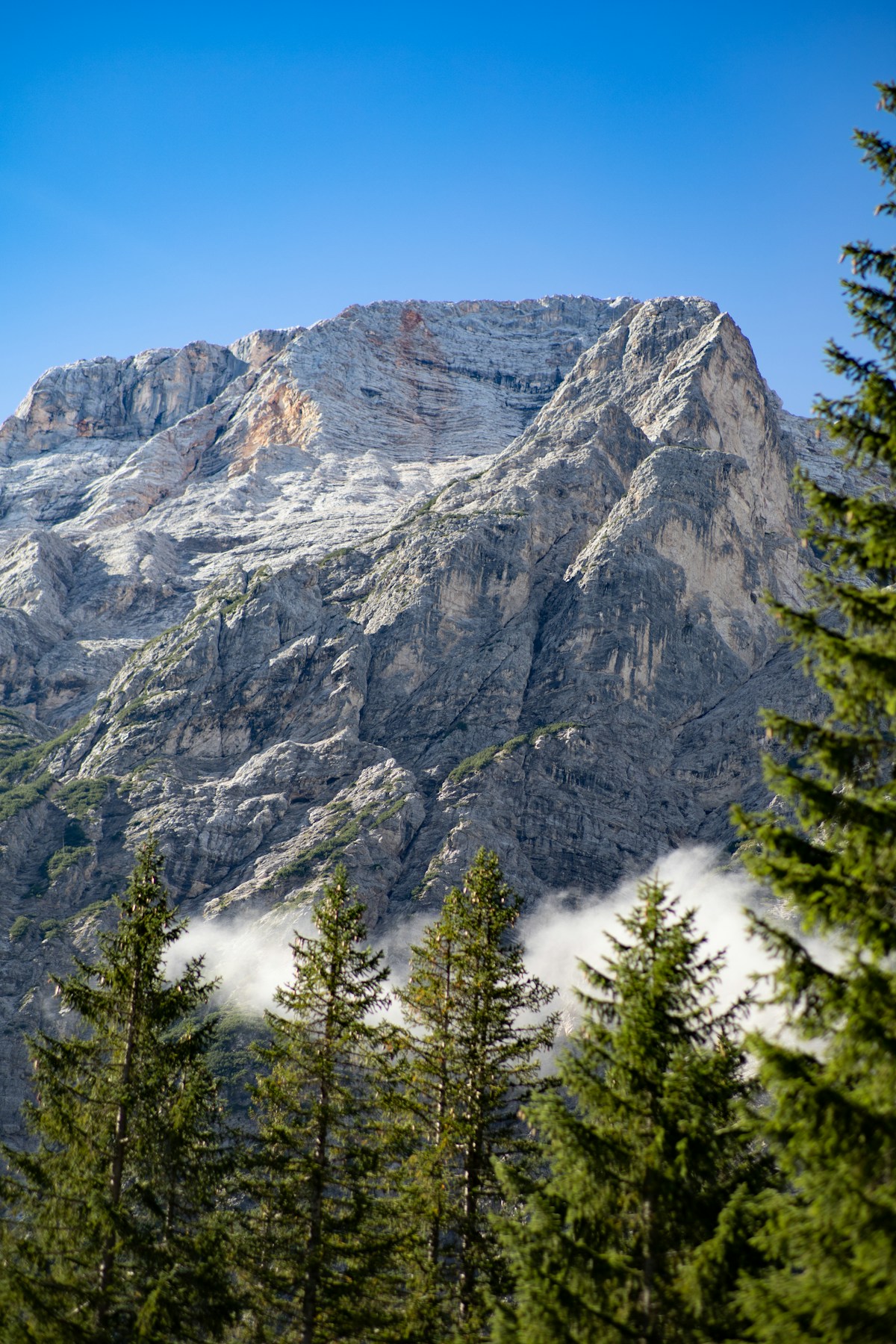
The Balkans punches well above its weight for outdoor adventure. Within a two-week itinerary you can hike multi-day alpine trails through Albania and Kosovo, raft Class IV whitewater on rivers that barely appear in western travel guides, sail a crewed vessel down the Dalmatian coast, and ski a Bulgarian resort that draws serious freeride skiers from across Europe. This guide covers the practical details: when to go, where to book, and how to combine adventure pursuits into a connected itinerary.
Hiking
Peaks of the Balkans — Albania, Kosovo, Montenegro (7–10 days)
The Peaks of the Balkans is a 192 km circular trail crossing three countries at altitude. The route connects the Albanian Alps (Prokletije) with Kosovo’s Rugova Mountains and Montenegro’s border highlands, passing through villages with no road access and across mountain passes above 2,000 m. Infrastructure has improved significantly since 2018: guesthouses operate in Theth (Albania), Valbona (Albania), and Plav (Montenegro), with camping in remote sections.
Best months: June–September. Snow remains on high passes until mid-June. Trailhead access: Shkodër by bus to Theth (5 hrs), or Pristina by bus to Peja then shared taxi to Rugovë.
Guided 3-day hiking option from Tirana covers the Theth–Valbona–Komani Lake loop in a small group format — useful for first-timers unfamiliar with the trail.
Durmitor National Park, Montenegro
Durmitor is the most accessible alpine destination in the western Balkans. The Bobotov Kuk summit (2,523 m) is a straightforward day hike from Žabljak. The Black Lake circuit (3 km) is an easier option with dramatic glacier-carved scenery. Multiple day hikes operate from Žabljak, and the park is directly adjacent to the Tara River Canyon for combined activity trips.
Durmitor guided hiking tours run year-round from Žabljak.
Rila Mountains, Bulgaria
The Seven Rila Lakes circuit is Bulgaria’s most famous day hike: seven glacial lakes at altitude above Sofia, accessible by gondola from Samokov. The full loop takes 4–5 hours and involves some scrambling. Best combined with a visit to Rila Monastery (1 hour from Sofia) the previous day.
Sofia: Seven Rila Lakes Full-Day Hiking Tour includes transport from Sofia.
Trebević Mountain, Sarajevo
A shorter option — the Trebević cable car runs from central Sarajevo to 1,163 m, with hiking trails through beech forest above the city. The disused 1984 Winter Olympics bobsled track is visible on the descent. A half-day activity that pairs well with a city visit.
Sarajevo: Trebević Mountain Hiking Tour runs as a guided half-day.
Whitewater Rafting
Tara River Canyon, Montenegro (Class III–IV)
The Tara Canyon is the deepest canyon in Europe at 1,300 m. The main rafting section runs 18 km through the UNESCO-protected Durmitor National Park. The best rapids are in the upper section near Splavišta and Šćepan Polje — Class III–IV depending on water levels. Rafting season runs May–October; peak flows in May–June after snowmelt.
Booking: most tours depart from Žabljak or from Podgorica. Operators include Ski & Outdoor Žabljak and Rafting Tara Montenegro — compare via GetYourGuide or book directly in Žabljak.
Neretva River, Bosnia & Herzegovina (Class III)
The Neretva flows through a dramatic limestone gorge between Konjic and the reservoir above Mostar. The Konjic section (18 km) runs Class III rapids through canyon scenery with clear turquoise water. A popular day trip from both Sarajevo and Mostar.
Una River, Bosnia & Herzegovina (Class II–IV)
Less visited than the Neretva, the Una River near Bihać in northwest Bosnia offers a full-day rafting experience through some of the cleanest water in Europe. The Una National Park section passes waterfalls and emerald pools. Combined tours run rafting plus kayaking or zip-lining.
Sailing and Water Sports
Croatia — Adriatic Sailing
The Dalmatian coast is one of Europe’s premier sailing destinations: 1,246 islands, reliable summer winds, and marinas at every significant port. Options range from day sailing trips out of Split or Dubrovnik through to week-long flotilla or bareboat charter itineraries.
- Split: Half-Day Sailing Tour with Swim Stop — best for a single-day taste
- Split: Full-Day Sailing to Šolta and Brač — covers two islands
- Dubrovnik: Romantic Sunset Sailing Adventure — popular evening option
For week-long sailing, Croatia charter companies concentrate in Split, Trogir, and Dubrovnik. July–August is high season with strong meltemi wind conditions; May–June and September are better for light winds and less crowded anchorages.
Kayaking
Sea kayaking tours operate on the Bay of Kotor in Montenegro and around the Elafiti Islands near Dubrovnik. Both are calm-water options suitable for beginners. Guided half-day tours depart from Perast (Kotor) and from the Dubrovnik old port.
Skiing
Bansko, Bulgaria
Bansko is the Balkans’ best-known ski resort and the only one consistently listed in pan-European ski guides. The resort sits at 1,000 m village altitude with lifts reaching 2,560 m — enough vertical for intermediate and advanced skiers. Snowfall is reliable from December through March. The off-piste terrain above the treeline is underrated and relatively uncrowded.
Access: 2 hours from Sofia by bus or transfer. The old Bansko town offers excellent apres-ski with rakia and grilled meats. Book activities in Bansko.
Kopaonik, Serbia
Serbia’s largest ski resort with 55 km of marked pistes and a vertical drop of 521 m. Best for intermediate skiers. Less expensive than Bansko, with a more local clientele. February is peak season. Access: 4–5 hours from Belgrade.
Jahorina, Bosnia & Herzegovina
The 1984 Winter Olympics venue near Sarajevo. Quiet, affordable, and with consistent snow on its 20 km of runs. The Soviet-era ski town atmosphere is part of the appeal. A useful add-on to a Sarajevo visit in winter.
Best Season for Each Activity
| Activity | Best months | Notes |
|---|---|---|
| Peaks of the Balkans trek | June–September | High passes snow-free from mid-June |
| Tara River rafting | May–June | Highest water levels; October still good |
| Neretva rafting | April–October | May–June best for flows |
| Dubrovnik/Split sailing | May–June, September | Avoid July–August crowds and heat |
| Skiing (Bansko) | December–March | February best snowpack |
| Skiing (Kopaonik) | January–March | Peak conditions in February |
| Durmitor hiking | June–October | Snow lingers until June |
Combining Activities in One Trip
A two-week adventure itinerary that links multiple pursuits:
Week 1: Fly into Tirana → Shkodër (base for Albanian Alps hiking, 2 days) → Valbona via ferry (Peaks of the Balkans day walks, 2 days) → Sarajevo by bus Week 2: Sarajevo (Trebević hike, half day) → Konjic (Neretva rafting, 1 day) → Žabljak by bus (Durmitor hiking + Tara rafting, 2 days) → Kotor/Split by bus → day sailing from Split → fly home
This itinerary uses Balkans transport passes, budget guesthouses in trail towns, and mix of guided tours and independent activity. Total approximate activity costs: €150–250 for tours and gear rental.