Lake Bled, Slovenia: What to See, Do, and Expect
Lake Bled travel guide: Bled Island, the castle, Vintgar Gorge, cream cake, hiking viewpoints, and transport from Ljubljana and Zagreb.
Guides for Lake Bled, Slovenia
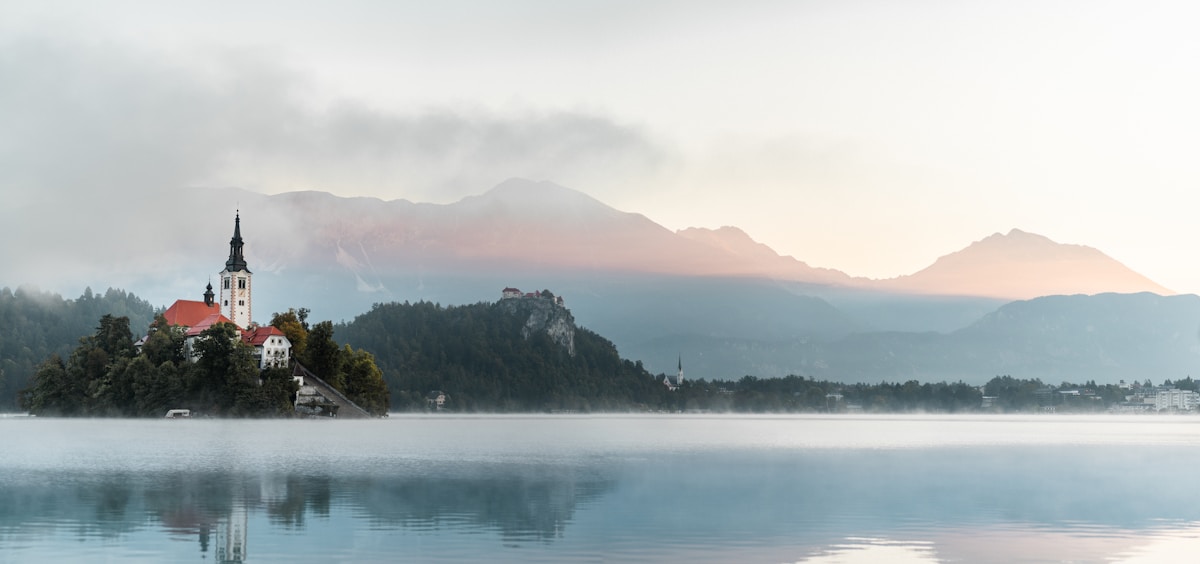
Lake Bled is the single most iconic image in Slovenia - a glacier-carved lake with a small island church at its centre, a medieval castle perched on a sheer cliff above the northern shore, and the Julian Alps filling the horizon. The view from Ojstrica or Mala Osojnica above the lake is reproduced on every postcard and travel brochure in the country, and once you see it in person it makes sense why.
It is possible to do Bled as a day trip from Ljubljana, and many visitors do exactly that — a guided day trip from Ljubljana to Lake Bled includes a return transfer and a local guide, which takes the transport stress out of the visit. But the lake rewards a two-night stay: the morning light on the water before the tour buses arrive, the sunset from the castle terrace, and the time to hike up to the hilltop viewpoints properly.
Getting to Lake Bled
From Ljubljana: The most practical option is the direct bus from Ljubljana bus station (Avtobusna postaja Ljubljana). Journey time is roughly 50 minutes, and return tickets cost approximately €6–8. Buses run throughout the day, more frequently in peak season.
The train alternative runs to Lesce-Bled station, which is about 4 km from the lake shore. You then need a taxi (around €5–7) or a connecting local bus into Bled town. This makes the bus the easier door-to-door option for most visitors.
From Zagreb: Several daily direct buses run the approximately 2.5-hour route. Prices vary but typically fall between €10–18 for a single. This makes Bled a logical first or last stop on a Slovenia-Croatia itinerary.
From Trieste: About 2 hours by car or bus, making it accessible for visitors combining Slovenia with Friuli or coastal Italy.
Bled Island and the Church
The island - the only natural island in Slovenia - sits close to the western shore and can be reached in three ways:
- Traditional wooden pletna boat (a hand-rowed gondola unique to Bled): the standard way to reach the island, taking about 12–15 minutes each way. Boatmen charge around €16–18 per person for the return trip, including roughly 30 minutes on the island.
- Rowing your own boat: you can hire a rowing boat on the northern and southern shores for roughly €15–20 per hour for up to 4 people. Rowing to the island yourself and landing at the designated dock is allowed.
- Swimming: in summer, strong swimmers cross to the island, though you need to use the formal jetty to land.
The Church of the Assumption (Marijino vnebovzetje) stands at the centre of the island. The 15th-century church has a 15th-century bell tower and a wishing bell - legend holds that pulling the rope and ringing the bell three times grants a wish. The church costs about €6 to enter and is small but decorative inside, with painted frescoes. The real draw, though, is the 99-step staircase up from the boat dock and the view back across the lake toward the castle.
Bled Castle
The castle stands 130 metres above the northern shore on a nearly vertical cliff of rock - the site has been fortified since roughly the 11th century, making it one of the oldest in Slovenia. Today it functions as a museum complex with a permanent history exhibition covering the area from prehistoric times through the Habsburg period, a castle café with one of the best views in the region, and a small printing room where visitors can press a souvenir page using a replica 15th-century press.
Entry costs around €15 for adults (museum included). The café charges standard Central European café prices, slightly elevated for the setting. The most useful thing to know: the walk up takes 10–15 minutes through a wooded path from the lakeside, and the view from the top, particularly looking down at the island, is the clearest and most complete in Bled. Go early in the morning for the best light and the fewest other visitors.
Vintgar Gorge
Vintgar Gorge (Soteska Vintgar) sits about 4 km northwest of Bled town and is one of the most visually striking easy walks in the whole of Slovenia. The Radovna River has carved a 1.6 km gorge through limestone rock, and a system of wooden walkways and bridges carries you along the water at close range - sometimes directly above the river, sometimes at water level.
The walkway ends at Šum Waterfall, where you can turn back or continue on a hill path returning to Bled via Gorje village.
Practical information:
- Opening times: The gorge is open roughly April to October; check locally for the current season’s hours as they vary slightly year to year.
- Entry fee: Approximately €7 for adults (prices have risen in recent years to manage visitor numbers).
- Transport: It is walkable from Bled town centre in about an hour on a signposted path, or there is a seasonal shuttle bus.
- Best time: Go early in the morning or in late afternoon; midday in July–August means congested walkways.
The gorge takes roughly 1.5–2 hours at a relaxed pace and involves no serious elevation gain.
Swimming in the Lake
Lake Bled is a glacial lake with clear water, and swimming is one of the simple pleasures of visiting in summer. The water temperature is cold in spring and reaches a reliably swimmable level - roughly 22–24°C - from mid-June to early September.
The main public swimming area is at the eastern shore near the Grand Hotel Toplice. There are changing facilities, sunbathing areas, and rental equipment available. Several other spots around the lake work for swimming, but most involve some access through hotel grounds or short walks from the road.
Do not expect Mediterranean-warm water: even in August, morning dips are refreshing rather than warm. That said, the setting more than compensates.
The Bled Cream Cake
Kremna rezina is a Slovenian institution and the most famous thing on any café menu in Bled. It consists of a thick vanilla custard layer (set, not runny) and a whipped cream layer between two sheets of crisp puff pastry, usually finished with a dusting of icing sugar.
The original recipe was developed at the Park Hotel in Bled in 1953, and it has barely changed since. Almost every café and restaurant around the lake sells a version. A single slice costs roughly €5, and the quality is consistently good across the main venues. The Park Hotel café, the Bled Pub, and the lakeside cafés around the main parking area are all reliable options.
Hiking to the Viewpoints
The postcard view of Lake Bled - lake, island, castle, mountains - is taken from the hilltop south of the lake. There are two main viewpoints:
Ojstrica (611 m): A 20–30 minute walk up from the southwestern shore on a path marked from the Mala Osojnica parking area. The view is the classic one used in most photographs - you can see the island and castle in the same frame with the Julian Alps behind.
Mala Osojnica (685 m): About 10–15 minutes further uphill from Ojstrica on a steeper, sometimes slippery path. The view here is slightly different - looking slightly more northward and at a different angle - and is often less crowded because the ascent is less obvious. Both viewpoints are accessible without special equipment, but the path to Mala Osojnica gets steep and benefits from grippy shoes.
Both hikes are most rewarding at dawn or in the hour before sunset, when the lake surface is still and the light is warm. In peak summer season (July–August), Ojstrica can have a queue of photographers.
Triglav National Park Access
Lake Bled is the most accessible gateway into Triglav National Park, Slovenia’s only national park, covering 838 km² of the Julian Alps. From Bled you can:
- Drive or bus to Lake Bohinj (about 26 km, 30–40 minutes), a larger and less commercial lake at the edge of the park, with fewer visitors and better access to serious hiking routes
- Access the Triglav Lakes Valley (Dolina Triglavskih jezer), a multi-lake high-altitude trail for experienced hikers
- Use the mountain hut system (koče) for multi-day hiking through the park; the main huts require pre-booking in peak season
For serious hiking beyond the viewpoint walks near Bled, Bohinj is the more practical base and has significantly better access to the interior of the park.
Where to Stay at Lake Bled
Budget: Hostel options and guesthouses in Bled village itself start from roughly €20–35 per night for a dorm or basic double. Camping is available at Camping Bled on the northwestern shore.
Mid-range: The best-value option at this level is a guesthouse (penzion) in Bled or in nearby Lesce or Bohinjska Bela, where you get private rooms with breakfast for €80–130 per night. Prices rise steeply closer to the lake.
Higher end: The historic hotels on the lakefront - the Vila Bled and the Grand Hotel Toplice - offer the best views and positions but charge premium prices (€200+ per night). The Vila Bled was formerly Tito’s summer residence and has maintained a distinct character.
Best Months to Visit
May–June: The lake is beginning to warm up, Vintgar Gorge is running well, and the hills are green. Quieter than July–August but the weather is reliable.
July–August: Peak season with the best weather and swimming temperatures. Viewpoints, boat docks, and Vintgar Gorge all get crowded; book accommodation well in advance.
September: Often considered the best month - warm enough to swim in early September, autumn colours starting to appear in the hills, and noticeably fewer visitors.
December: Bled hosts a Christmas market around the lake and the castle, with ice skating possible on the frozen lake in colder winters. The atmosphere is quiet and distinctly different from summer.
November and January–March are off-season, with some accommodation closed, but the lake is peaceful and the castle can be atmospheric in frost or light snow.
Lake Bled guides
See also
- Slovenia travel guide
- Ljubljana
- Soča Valley
- Hiking in the Balkans
- Best time to visit the Balkans
- National parks in the Balkans
- Balkans in May
- Balkans in September
- Ljubljana vs Zagreb
- Balkans travel costs
Plan your trip: Browse guided tours around Lake Bled to see what’s available, from walking tours to day trips. Hire a car if you want flexibility for the surrounding area, and cover your journey with Balkans travel insurance.
Book an experience
Top experiences in Lake Bled, Slovenia
Explore the best tours and activities in Lake Bled, Slovenia - instant confirmation, free cancellation on most bookings.