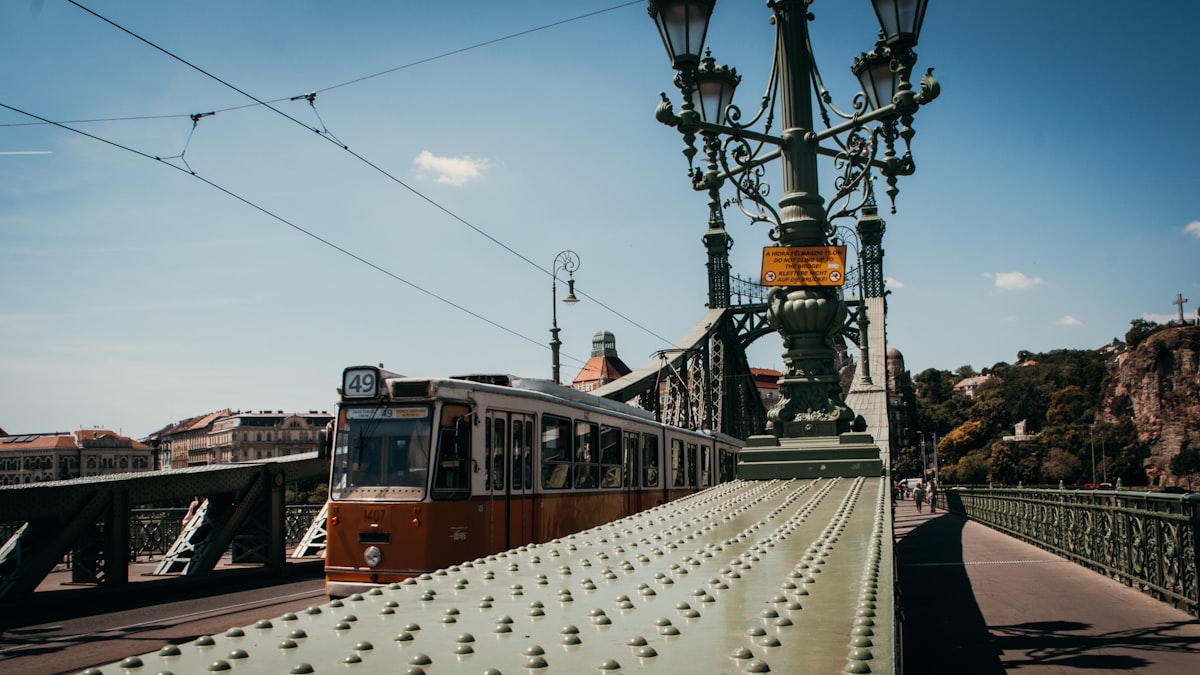
Rail travel in the Balkans is not the Swiss railway system. Journeys are slow, booking platforms can be opaque, and several routes still use rolling stock from the communist era. That said, it remains one of the most rewarding ways to move through the region: the Belgrade–Bar line through Montenegro is among the most spectacular rail journeys in Europe, and overnight trains between capital cities save a night’s accommodation while covering serious ground. This guide tells you what works, what doesn’t, and how to plan a Balkans trip around the train network.
How Good Is the Balkans Rail Network?
Coverage varies significantly by country:
| Country | Rail quality | Recommended routes |
|---|---|---|
| Serbia | Moderate | Belgrade–Novi Sad, Belgrade–Niš |
| Montenegro | Poor speed, spectacular scenery | Belgrade–Bar (via Serbia) |
| Croatia | Reasonable | Zagreb–Split (scenic), Zagreb–Rijeka |
| Slovenia | Best in the region | Ljubljana–Bled Jezero, Ljubljana–Zagreb |
| Bosnia & Herzegovina | Limited, slow | Sarajevo–Mostar (stunning gorge) |
| North Macedonia | Sparse | Skopje–Thessaloniki |
| Bulgaria | Moderate | Sofia–Plovdiv, Sofia–Varna |
| Albania | Very limited | Tiranë–Durrës only (freight-dominated) |
Albania has effectively no useful passenger rail. Kosovo has minimal service. For both countries, bus is the only realistic option.
The Best Rail Routes
Belgrade to Bar (Montenegro) — 11–12 hours
This is the headline route. The line crosses 254 bridges and passes through 254 tunnels on its descent from the Serbian plateau to the Adriatic coast. The stretch between Kolašin and Bar in Montenegro is pure mountain drama: viaducts over forested gorges, sheer limestone cliffs, and the occasional sheep blocking the track. Day trains give you the views; the overnight sleeper saves a night’s accommodation. Book through Serbian Railways (srbvoz.rs) or the Montenegro Railways (zcg.me) portal. Fares run approximately €20–35 one-way.
Sarajevo to Mostar — 2.5 hours
One of the shorter but more beautiful stretches in the region. The line follows the Neretva River gorge from Sarajevo down to Mostar, passing through dramatic limestone canyon country. Only a few trains run daily — check times in advance. No booking required for most carriages; buy at the station.
Zagreb to Split — 5.5 hours
This route runs through the Lika region and Dalmatian hinterland before dropping into Split. Slower than the bus on the motorway, but far more scenic. The overnight sleeper is particularly useful in summer when daytime buses fill quickly. Book via Croatian Railways (hzpp.hr).
Ljubljana to Zagreb — 2.5 hours
The most straightforward cross-border train in the region. Regular daily departures, bookable in advance, comfortable carriages. A reasonable alternative to the bus for this corridor.
Sofia to Plovdiv — 2 hours
A solid domestic route. Plovdiv is easy to visit as a day trip from Sofia on the train, and there are multiple departures throughout the day. Book via Bulgarian State Railways (bdz.bg).
Skopje to Thessaloniki (Greece) — 5–6 hours
Cross-border service connecting North Macedonia with northern Greece. The journey crosses mountain terrain and includes a border stop — allow extra time for passport control. Not the fastest option but a useful connection if building a wider itinerary.
Interrail and Eurail Passes — Are They Worth It?
For a Balkans-focused trip, probably not. Here’s why:
- Coverage gaps: Albania and Kosovo have no Interrail-compatible services. Bosnia and Herzegovina has very limited coverage.
- Low base fares: Balkans rail fares are cheap. A one-way Belgrade–Bar ticket costs approximately €20–30 without a pass. Passes only break even if you’re making multiple long journeys.
- Bus speed advantage: For many city-to-city legs, a bus or minibus is faster, more frequent, and cheaper than the train.
Interrail passes are better value if you’re combining the Balkans with western Europe on the same trip. For a Balkans-only circuit, buy individual tickets.
Practical Booking Tips
Book online where possible: Serbian Railways, Croatian Railways, and Bulgarian State Railways all have online booking in English. For other countries, tickets are often best purchased at the station. Omio aggregates rail and bus options across the region in one search and is the quickest way to compare journey options and prices without navigating multiple national rail websites.
Overnight trains: The Belgrade–Bar overnight includes a couchette option — book this in advance in summer as it fills up. Bring a sleeping bag liner for extra comfort.
Bus vs train decision:
- Train wins: Belgrade–Bar (scenery), Sarajevo–Mostar (gorge views), Zagreb–Split (cost)
- Bus wins: Any route in Albania, Kosovo, Bosnia (most journeys), and anywhere you need frequency or speed
Station facilities: Major stations in Belgrade, Zagreb, Ljubljana, and Sofia are functional and well-signed. Smaller stations often have minimal facilities — bring snacks and water for longer journeys.
Sample Train-Heavy Itinerary (2 Weeks)
A two-week route making maximum use of rail:
- Fly into Ljubljana
- Train: Ljubljana → Zagreb (2.5 hrs)
- Train: Zagreb → Split (5.5 hrs)
- Bus: Split → Dubrovnik (bus is faster on this coastal leg)
- Bus: Dubrovnik → Sarajevo (3.5 hrs)
- Train: Sarajevo → Mostar (2.5 hrs)
- Bus: Mostar → Belgrade (8 hrs — train is impractical on this leg)
- Train: Belgrade → Bar (11 hrs overnight)
- Bus: Bar → Podgorica → Kotor (coast connections)
- Fly home from Tirana (bus from Kotor)
This combines the best rail stretches with buses where trains don’t make sense. Total approximate rail cost for this itinerary: €80–120 in train fares.
What to Expect On Board
Cleanliness and punctuality vary. Serbian and Montenegrin trains run older carriages that are comfortable enough but worn. Croatian and Slovenian trains are noticeably newer. Air conditioning is standard on main routes but can be unreliable in summer heat.
Delays are common on mountain routes — the Belgrade–Bar line in particular is prone to delays of 30–90 minutes. Factor this into connection planning and don’t book onward travel on tight turnarounds.
Getting the Most from the Journey
The Belgrade–Bar overnight is best tackled in the couchette: the descent into Montenegro begins before dawn, and by the time you wake up, the scenery is already spectacular. Bring a phone charger — sockets are available in most carriages but not always working.
The Sarajevo–Mostar route is short enough to do in one direction and return by bus (which is faster). Sit on the right-hand side heading from Sarajevo for the best gorge views.