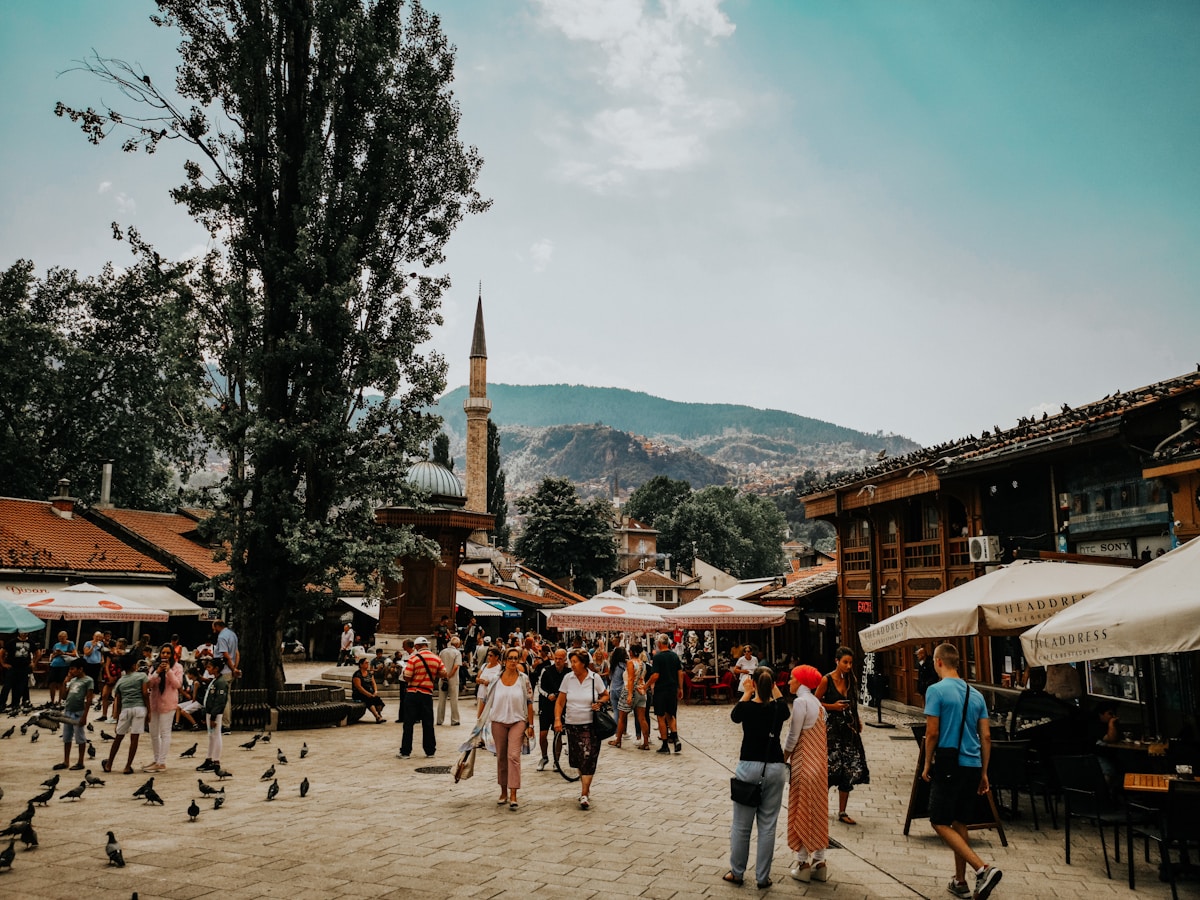
Sarajevo is one of the most distinctive food cities in the Balkans, and almost none of what makes it distinctive is visible from the main streets around Baščaršija at first glance. The best burek bakeries have no menus outside; the greatest ćevabdžinice are unremarkable buildings on unremarkable streets; the coffee ceremony is conducted at a pace that assumes you have nowhere else to be. Getting into this food culture quickly and well is exactly what a guided food tour is designed for.
Below is a breakdown of the operators worth booking in 2026, the foods worth knowing before you arrive, and the practical details that make the difference between a good tour and a wasted morning.
What to Expect from a Sarajevo Food Tour
A Sarajevo food tour is different from what you’d find in, say, Barcelona or Rome. The city doesn’t have a fine-dining scene built for tourism - its food culture is rooted in working bakeries, grilled-meat restaurants that open at 6am, and slow coffee rituals that are social rather than caffeinated. The best tours lean into this rather than trying to frame Sarajevo through a European culinary lens.
Typical stops on a half-day tour: a burek bakery where you watch the pastry being stretched and filled; a ćevabdžinica for ćevapi in somun (flatbread) with raw onion and kaymak (clotted cream); a market stall for seasonal produce and conversation with local vendors; a džezva coffee ceremony, usually at a traditional café in or near Baščaršija; and dessert stops for tufahija (walnut-stuffed poached apple) or a slice of baklava.
The food is filling. Most participants find they’re not hungry for lunch after a morning food tour. This is worth factoring into your day’s planning.
Sarajevo Food Tours and Operators
Three verified GetYourGuide options - from a focused market tasting to a cultural food and coffee walk through the Old Town:
| Tour | Duration | Format | Approx. Price | Covers | Book |
|---|---|---|---|---|---|
| Sarajevo: City Market & Old Town Food Tasting | ~3 hours | Group walking | From ~€35/person | 10 food spots: Markale market, somun bread, burek, tufahija, Bosnian coffee | Book |
| Sarajevo: Grbavica Food Walk - Eat Like a Local | ~3 hours | Group walking | From ~€45/person | 6 stops in the Grbavica neighbourhood away from the tourist circuit, rakija tasting, authentic Bosnian street food | Book |
| Sarajevo: Bosnian Ethnic Food & Coffee Walking Tour | ~3 hours | Group walking | From ~€45/person | Baščaršija Old Town, Gazi Husrev-Beg Mosque, traditional bosanska kafa ceremony, food tastings | Book |
Which to choose: The City Market tour covers the most stops and suits those who want the widest range of tastes - from the open market to a full coffee ceremony - in one outing. The Grbavica walk is better for travellers who want to see a genuinely local neighbourhood away from the Baščaršija tourist circuit. The Ethnic Food & Coffee tour works well for those who want cultural and architectural context woven around the tasting stops.
Prices are approximate. Check current availability at the links above.
Sarajevo Food Tours operates walking tours focused exclusively on Bosnian food culture. Their standard tour runs approximately €45–65 per person, lasting 3–3.5 hours with stops at 5–6 locations. The itinerary includes a burek stop, a ćevapi session at a working ćevabdžinica, a tufahija dessert, and a full Bosnian coffee ceremony with explanation of the ritual. Group sizes are capped at 10; tours depart most mornings from Baščaršija’s central square (Sebilj fountain). Private tours are available on request.
Tasting Sarajevo (tastingsarajevo.com) offers a more structured half-day format at approximately €55–75 per person, typically running 4 hours. Their tours go deeper into cultural context - the Ottoman influence on the meat-centric cooking, the distinction between Bosnian burek (meat) and zeljanica (spinach and cheese), the role of the čaršija (market quarter) in daily life. They also run a “Sarajevo Under the Stars” evening tour that covers the rakija culture and local craft beer alongside the dinner spread. The evening format runs approximately €65–80 per person.
GetYourGuide Sarajevo listings cover a wider range of options including cooking classes (approximately €60–80 per person), food-and-history combination tours, and market visits. Reviews on GetYourGuide are a reliable signal for Sarajevo tours - look for guides who are local to the city, not visiting tour operators who replicate the same format across multiple Balkans cities.
The Foods at the Centre of Every Tour
Ćevapi: Skinless minced meat sausages grilled over charcoal, served in a somun flatbread with raw onion, kaymak (a rich clotted cream), and occasionally ajvar (roasted pepper relish). In Sarajevo, ćevapi are smaller and more tightly packed than the Serbian or Croatian versions. The standard order is 10 pieces; serious eaters order 15. Any food tour in Sarajevo visits a ćevabdžinica - the specialist restaurants that serve nothing else.
Željo is the most famous of these. Ćevabdžinica Željo, on Bravadžiluk Street in Baščaršija, has operated since 1957 and is the reference point against which other Sarajevo ćevapi are measured. It opens at 8:00am and runs until it runs out - usually around 10pm. Queue in the mornings; expect to wait 10–15 minutes at peak lunch hour. A portion of 10 ćevapi with somun and kaymak costs approximately €5–7.
Burek: A filo pastry filled with ground meat (burek), cheese (sirnica), spinach and cheese (zeljanica), or potato (krompirusa). In Bosnia, “burek” specifically means the meat version - ordering “sirnica burek” in Sarajevo marks you as a tourist. The pastry is made fresh and sold by weight; a portion of approximately 350g costs around €2–3. Look for bakeries operating through the night - these are the most serious operations.
Sač: A clay or metal bell-shaped lid used for slow cooking, similar to the Dalmatian peka. Lamb, veal, or vegetable dishes cooked under a sač develop a specific smoky, caramelised quality that oven cooking doesn’t replicate. Some food tours include a sač dish; others arrange it at a konoba as a sit-down course.
Bosnian coffee (bosanska kafa): Served in a džezva with the grounds still in the pot, alongside a cube of sugar (rahat lokum), and typically accompanied by a glass of cold water. You pour slowly from the džezva into a small cup (fildžan), leaving the grounds undisturbed. The ritual is unhurried by design. A proper bosanska kafa stop takes 20–30 minutes and is worth it.
Tufahija: A Bosnian dessert of whole apples poached in sugar syrup and stuffed with walnuts and whipped cream. It’s lighter than it sounds and common in traditional restaurants and sweet shops throughout Baščaršija. Price approximately €3–4 per portion.
Šljivovica: Plum brandy, the default rakija in Bosnia. Quality varies between producers. The best version on a food tour will be homemade from a specific village or producer - commercial versions are considerably less interesting. Served as a digestif, usually at room temperature in a small glass.
Baščaršija: The Quarter Worth Understanding
Baščaršija is Sarajevo’s Ottoman-era market quarter, built in the 15th century and still functioning as the city’s commercial and social heart. It covers roughly 10 city blocks between the Miljacka River and the hill above, and it’s divided into specialist zones that survive from the original Ottoman organisation: coppersmiths (kazandžije), jewellers, textile merchants, and food vendors each have their own street or section.
The food tour geography concentrates on the southern and central sections of Baščaršija - the area around Baščaršija Square (the Sebilj fountain), Bravadžiluk Street (ćevapi), and the streets behind toward the covered čaršija. The neighbourhood doesn’t require a tour to navigate, but a guide gives you access to the bakeries and coffee houses that don’t have English signage and aren’t obvious from the street.
Morning is the best time to be here. The market is most active between 8:00am and noon; afternoon quiets significantly, and the specific shops and bakeries worth visiting often have limited stock by early afternoon.
Practical Information
Duration: Half-day tours run 3–4 hours. Evening tours 2.5–3 hours. Cooking classes half a day.
Group size: Reputable operators cap at 8–12 participants. GetYourGuide listings with unlimited capacity tend to be less personal.
Booking lead time: Book 48–72 hours ahead in summer. April through June and September through October are Sarajevo’s busiest tourism months. Private tours need at least 3 days’ notice.
Dietary requirements: Most operators can accommodate vegetarians and people avoiding pork with advance notice. Full vegan is more difficult in traditional Bosnian cooking - dairy (kaymak, white cheese) is central to many dishes. Discuss in advance.
What to bring: Comfortable flat shoes - Baščaršija’s streets are cobbled. A light layer for morning starts; summer mornings can be cool before 9am. Appetite: the food is generous and multiple stops make for a large combined intake.
Languages: English-language tours are available from all operators listed here. German and French-language tours are available from some GetYourGuide operators with sufficient notice.
Eating Independently After the Tour
A food tour gives you a map of the quarter - after which you can return independently. A few places worth noting:
Inat Kuća (Spite House), across the river on the south bank - a converted Ottoman house that moved stone by stone in 1896 to spite a construction project. Traditional Bosnian cooking with a terrace overlooking the Old Town. Main courses approximately €10–18.
Aeroplan Grill, near the Latin Bridge, does a more modern take on Bosnian grilled meat - popular with locals rather than tourists, reasonable prices, and excellent mixed grill plates.
Slasticarna Dobardan for baklava, šamrlija (dough balls in syrup), and halva. One of the better traditional sweet shops in Baščaršija, easily missed unless you know to look.
Browse guided food tours, cooking classes, and Bosnian coffee experiences in Sarajevo on GetYourGuide.
For planning the wider trip, the Bosnia and Herzegovina country guide covers transport, visas, and what to see beyond Sarajevo. The Sarajevo city guide has neighbourhood-by-neighbourhood orientation and accommodation recommendations.