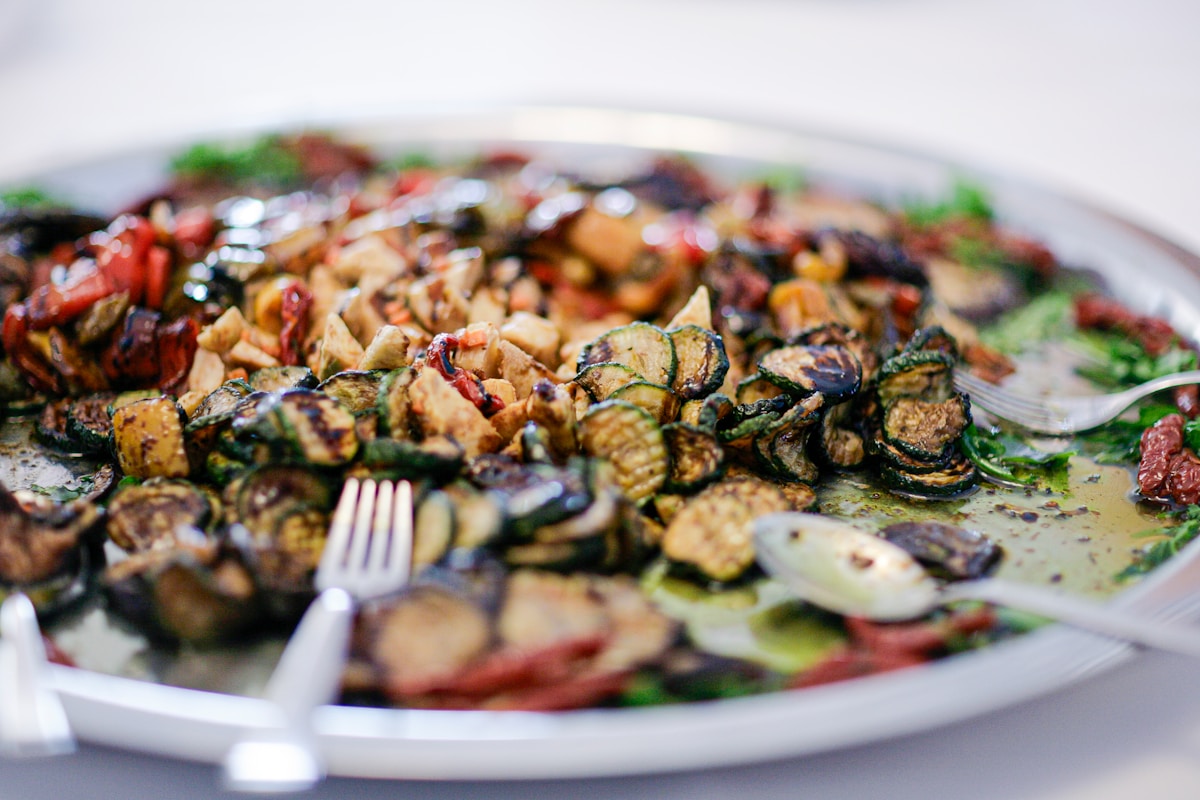
The Balkans runs on grilled meat, dairy-heavy pastries, and slow-cooked stews. That is the honest starting point for vegan travellers heading to this region. But the picture is more complex than it first appears: the same agricultural traditions that produce all that meat also produce some of the best seasonal vegetables and bean dishes in Europe, and the cities - particularly Belgrade, Ljubljana, Zagreb, and Sofia - have developed genuinely impressive plant-based food scenes in the last decade. Vegan travel in the Balkans requires more planning than in Western Europe, but it rewards the effort with food that is both distinctive and, when you find the right places, very good.
Our full Balkan food guide covers the regional cuisine in depth — this page focuses specifically on where and how to eat plant-based across the region.
The Underlying Advantage: Agricultural Variety
Before getting into the country-by-country breakdown, it helps to understand why vegan eating in the Balkans is better than the reputation suggests. The region has a long tradition of vegetable cultivation - aubergines, peppers, tomatoes, courgettes, beans, and root vegetables are all grown at scale and appear on almost every menu. Spreads like ajvar (roasted red pepper) and pindjur (roasted aubergine and pepper) are completely plant-based and ubiquitous. Bean dishes - particularly slow-cooked white or kidney beans with paprika - appear across every country under different names and are almost always vegan. Seasonal salads built on ripe summer tomatoes, cucumbers, and peppers are standard across the region.
The challenge is dairy: sirene (white cheese similar to feta) goes on salads, in pastries, and alongside many dishes as a default. Kajmak (a clotted cream) appears frequently in Serbian cooking. Yoghurt accompanies meat dishes. None of this is unavoidable, but it requires consistent attention when ordering.
Serbia - Belgrade as the Vegan Capital
Belgrade is the most developed city in the Balkans for plant-based eating, with a dozen dedicated vegan restaurants and a broader café scene that takes dietary requirements seriously.
Radost (Pariska 3, Savamala district) is the anchor of Belgrade’s vegan scene - a fully plant-based restaurant with a rotating menu built around seasonal ingredients. Mains run approximately RSD 700–1,200 (€6–10 as of 2026). The kitchen does excellent work with local legumes and seasonal vegetables; the weekend brunch is particularly good.
Bašta (multiple locations) operates as a plant-forward café chain that has scaled across Belgrade with consistent quality - salads, grain bowls, cold-pressed juices. Not fully vegan but reliably labelled and a useful fallback.
For traditional Serbian vegan options: pasulj (white bean soup with smoked paprika, order it without sausage) and prebranac (oven-baked beans) are found in traditional kafana restaurants and are straightforward to order dairy-free. Ask specifically “bez mesa i bez kajmaka” (without meat and without kajmak).
Green Heart (Makedonska 22, Belgrade) runs a fully plant-based menu heavy on raw preparations and cold-pressed juices. It sits close to the main pedestrian zone and works well for lunch between sightseeing. Mains from approximately RSD 600–900.
Novi Sad, Serbia’s second city, has a smaller but growing scene. Cafe Magacin in the old town has a plant-forward menu with reliable vegan labelling. The outdoor market on Zmaj Jovina produces excellent summer vegetables for self-catering.
For a deeper dive into the wider restaurant scene, see our Belgrade restaurants guide.
Croatia - Strong in the Cities, Variable on the Coast
Croatia’s tourist economy has created genuine demand for vegan options, particularly in Dubrovnik, Split, and Zagreb. Standards are higher in summer when international visitors concentrate demand.
Zagreb has the broadest choice: Zrno (Medulićeva 2) is a long-running macrobiotic and vegan restaurant that has been anchoring Zagreb’s plant-based scene for decades. The set lunch menu runs approximately HRK 60–80 (€8–11 as of 2026). Vegehop (Ilica 73) is a dedicated vegan fast-food spot - burgers, wraps, and bowls at accessible prices.
Dubrovnik is expensive but has adapted to tourist demand. Nishta (Prijeko 30) is the best-known fully vegetarian restaurant in the region, with extensive vegan options. Expect to pay approximately €15–22 for a main course in Dubrovnik. The old town grocery shops are well-stocked with fresh produce for self-catering.
Split has several good options in the old town, including cafés around the Vestibule that cater to international visitors. Dvor (Put Firula 14) is a well-regarded restaurant with strong Mediterranean-influenced vegan sections on the menu. The Pazar market is one of the best fresh produce markets in the region — particularly strong for figs, stone fruit, and peppers in August and September.
The Dalmatian coast more broadly is actually strong for vegans in ways that are easy to overlook: Mediterranean-influenced restaurants serve grilled vegetables, bruschetta, pasta with tomato sauce (check for butter), and simple salads that can be assembled into satisfying meals without much negotiation.
For the full picture on eating in Croatia’s capital, see our Zagreb restaurants guide.
Bosnia and Herzegovina - Traditional Challenges, Modern Solutions
Bosnia is the most challenging of the core Balkan countries for strict vegans. Traditional Bosnian cooking is built around meat - ćevapi (minced meat sausages), burek sa mesom (meat pastry), and slow-cooked stews are the centre of the food culture. Dairy is central too: kajmak and sour cream accompany most dishes.
That said, Sarajevo has a sufficient range of modern restaurants to make vegan eating manageable. Karuzo (Dženetića čikma 2, Baščaršija) is a long-running vegetarian and vegan restaurant tucked into the old bazaar quarter — the daily soup and a bread plate is one of the cheapest filling vegan lunches in the city at around BAM 6–8 (€3–4). Mash Sarajevo (Ferhadija 6) is a modern café with clearly labelled plant-based bowls and sandwiches in the pedestrian centre.
To Be or Not to Be (Čizmegija 5) is a popular café near the river that has expanded its vegan options significantly in recent years in response to visitor demand. The hummus board and roasted pepper plates are reliable choices.
The most reliably vegan options in traditional Bosnia: zeljanica (spinach and cheese phyllo pastry — the spinach-only version without eggs is vegan, but confirm when ordering), salate (simple salads), roasted peppers, and bean sides (grah). See our Sarajevo restaurants guide for the full dining picture.
Mostar has fewer dedicated vegan options than Sarajevo, but the tourist restaurants around Stari Most have adapted to international demand. Self-catering from the central market is a realistic strategy.
North Macedonia - Bean Stew and the Shopska Balance
North Macedonia’s food culture is built around grilled meats and dairy-heavy preparations, but the country’s agricultural heritage has produced some outstanding plant-based dishes.
Tavče gravče - oven-baked beans with peppers and paprika - is the national dish and completely vegan. It appears on menus across the country, particularly in Skopje, and is genuinely one of the great bean dishes of the Balkans. Order it with fresh bread and ajvar.
Skopje has a developing plant-based café scene concentrated in the Debar Maalo and Centar neighbourhoods. Vege Land (Vasil Adzilarski 2, Centar) is the most established dedicated vegan restaurant in the city, with a varied menu of Macedonian-influenced plant-based dishes — the tavče gravče here is excellent, properly baked rather than the rushed pan version. Mains from approximately MKD 250–400 (€4–6.50 as of 2026). Coffee Dream (Makedonija Square area) runs a café menu with vegan-labelled sandwiches and wraps that is useful for a quick lunch.
Several restaurants in the old bazaar (Čaršija) serve traditional dishes where bean stews and roasted vegetable preparations dominate — ask specifically about the daily specials. Our Skopje restaurants guide covers more options.
Ohrid is a summer tourist destination with menus that adapt accordingly — salads, grilled vegetables, and traveller-friendly restaurants make it easier than Skopje for finding vegan-labelled food. The waterfront restaurants compete hard for tourist business and will generally accommodate requests without complaint.
The shopska salata - a salad of tomatoes, cucumbers, peppers, and onion - is everywhere and vegan without the standard sirene (white cheese) topping. Ask for it “bez sirenje” (without cheese).
Albania - Traditional Roots and a Growing Urban Scene
Albanian cuisine has strong agricultural roots - gjellë me fasule (bean stew), speca të mbushura (stuffed peppers, usually with rice rather than meat in vegetable-focused versions), and pite me spinaq (spinach phyllo pie) are traditional plant-based preparations available across the country.
Tirana has seen significant growth in modern cafés and restaurants that label vegan options, particularly in the Blloku district. Era Restaurant (Ismail Qemali 12) keeps a strong vegetable section with plant-based dishes clearly marked. Komiteti (Rruga Luigj Gurakuqi) is a popular bar-café with a food menu that includes several naturally vegan Albanian dishes including gjellë me fasule. The Pazari i Ri (New Bazaar) is an excellent indoor market with fresh produce stalls and several food vendors who can accommodate plant-based requests — the fermented vegetable stalls here are outstanding for self-catering.
Berat and Gjirokaster are older towns with traditional restaurants where the menu centres on meat and dairy. Self-catering from local markets is a more reliable strategy than restaurant-hopping in these cities. The produce quality is excellent.
The Albanian Riviera (Dhërmi, Ksamil, Sarandë) has adapted strongly to tourist demand - summer months bring enough international visitors that vegan options appear routinely on beachside restaurant menus.
Slovenia - The Easiest Country in the Region
If you want the path of least resistance, Slovenia is the answer. Ljubljana has a fully mature plant-based restaurant scene by any European standard.
Loving Hut Ljubljana (multiple locations) is a dedicated vegan chain with affordable set menus from approximately €8–12 per person. Soul Kitchen (Knafljev prehod 1) operates as a fully plant-based café in the city centre with a daily-changing menu — the grain bowls and raw desserts are particularly good. Falafel Bar (Wolfova 12) near the Triple Bridge is a reliable quick-lunch option with wraps from approximately €5–7.
Gostilna Dela (Kolodvorska 20) is a social enterprise restaurant with a strong plant-based section on its menu and transparent ingredient labelling — an excellent choice for a more formal dinner in Ljubljana. Valvas’or (Stari trg 7) is a traditional Slovenian restaurant that takes dietary requests seriously and can build a full vegan meal from its seasonal vegetable sides.
Several mainstream restaurants in Ljubljana list vegan options clearly on menus, and the city’s farmers’ market on Vodnikov trg (open daily except Sunday) is one of the best produce markets in the Balkans. Our Ljubljana restaurants guide has more detail.
Beyond Ljubljana, Lake Bled and Piran both have sufficient vegan-labelled options in tourist season to make eating comfortable without significant advance planning.
Bulgaria - Sofia’s Underrated Scene
Bulgaria sits on the edge of the Balkans geographically and culturally, but worth including: Sofia has a strong plant-based café culture, with several dedicated vegan restaurants and a thriving health-food market at the Women’s Market (Женски Пазар).
Edgy Veggy (Lavele 17) is a popular vegan fast-food restaurant in central Sofia with burgers, wraps, and loaded fries — the BBQ pulled jackfruit burger is one of the better plant-based fast-food options in Eastern Europe. Mains from approximately BGN 10–15 (€5–8 as of 2026). Loving Hut Sofia (multiple locations) runs the same affordable set-menu format as its Ljubljana counterpart.
The Bread Project (Positano 5, Oborishte) is a popular health-food bakery and café with a vegan-labelled deli counter — good for breakfast or a self-assembled lunch. Edgy Veggy has a second location in Lozenets that is often less busy than the centre. Soul Burger (Graf Ignatiev 27) takes a more indulgent approach with craft plant-based burgers in the pedestrian shopping zone.
For traditional Bulgarian vegan dishes: tarator (cold cucumber soup — traditional uses dairy but vegan versions exist in plant-based restaurants), bob chorba (bean soup, vegan when prepared without sausage), kyopolu (roasted aubergine spread, similar to Albanian salçë e patëlxhanit), and simple shopska salata. Our Sofia restaurants guide and dedicated vegan food in Bulgaria page cover this in more depth.
Supermarket Options Across the Balkans
Supermarkets throughout the Balkans carry a reasonable range of plant-based staples, and some chains have developed dedicated vegan sections in the past few years.
Serbia: Maxi (a Delhaize subsidiary), Idea, and Lidl are the main chains. Lidl Serbia and Croatia both carry their own-label plant-based range (the Vemondo line in Serbian Lidl stores) with oat milk, plant-based yoghurts, and meat alternatives. DM Drogerie Markt — a German drugstore chain — is excellent for vegan protein bars, plant milks, and packaged vegan snacks in Belgrade and Novi Sad.
Slovenia and Croatia: Both countries have much more developed supermarket vegan ranges than the rest of the region. Mercator (dominant in Slovenia and Croatia) carries a wide plant-based own-brand selection. In Ljubljana and Zagreb, the Interspar hypermarkets have dedicated free-from aisles with tofu, seitan, and plant-based dairy that rivals most Western European supermarkets.
Bulgaria: Kaufland and Lidl are strong options in Sofia and Plovdiv. Kaufland Bulgaria stocks a broad range of plant milks, vegan cheeses, and packaged seitan.
Bosnia and Albania: Options are narrower. Konzum and Bingo in Bosnia carry plant milks but the specialist vegan range is limited. In Tirana, the Conad supermarket and some specialist health-food shops in Blloku stock imported plant-based products, but expect to pay significantly more than Western European prices for packaged vegan items.
Markets everywhere: For fresh produce, the daily markets (pazari) are universally better than supermarkets in terms of price, quality, and seasonal variety. Budget approximately €1–3 for a kilo of mixed summer vegetables at any pazar in the region.
Navigating Vegan Dining in the Balkans
The single biggest challenge for vegan travellers is not a shortage of vegan-compatible ingredients — it is communication and hidden dairy. Here are the patterns that catch people out most often:
Cheese is assumed. Shopska salata arrives with a snowfall of sirene (white cheese) unless you specify otherwise. Ask “bez sira” (without cheese) in Serbian/Croatian, “bez sirenje” in Macedonian, or “pa djathë” in Albanian. The salad underneath is always vegan.
Bread arrives with butter. Most traditional restaurants in Bosnia and Serbia bring bread with a pat of butter or kajmak as a matter of course. Specify “bez putera” (without butter) when ordering bread.
Soups often use meat stock. Bean soups that appear vegan on the menu are frequently made with a pork or beef base stock, particularly in traditional kafana restaurants in Serbia and Bosnia. In more rural areas, ask specifically “da li je čorba kuvana na mesnoj juhi?” (is the soup cooked in meat stock?). Urban vegan-labelled restaurants will use vegetable stock by default.
Phyllo pastries vary. Burek and börek-style pastries use egg wash and sometimes dairy in the pastry itself, but zeljanica (spinach) versions in Bosnia are sometimes vegan — the recipe varies by establishment. Confirm when ordering.
Always verify at traditional restaurants. Fast-food restaurants and cafés with printed English menus are generally reliable. Traditional kafana or konoba restaurants require direct conversation with staff. In tourist areas this is easy; in rural villages without English speakers, pointing at items and asking “bez mesa?” (without meat?) combined with “bez mleka?” (without milk?) is the most reliable approach.
The “pola-pola” technique. Serbian restaurant custom involves ordering many small plates to share. This works in your favour as a vegan — ordering a selection of salads, bean dishes, bread, and vegetable sides assembles into a satisfying meal at most traditional restaurants without needing a specifically vegan main.
Practical Tips for Vegan Balkans Travel
Self-catering is your friend. Every significant town has a daily market (pazar) with exceptional seasonal produce at low prices. Tomatoes, peppers, aubergines, courgettes, cucumbers, and stone fruit in summer are reliably excellent and cheap across the region. Renting accommodation with a kitchen changes the calculation considerably.
Learn the local phrase for “without meat and without dairy.” In Serbian/Croatian/Bosnian: “bez mesa i mliječnih proizvoda” covers both. Show it written down in remote areas. In Albanian: “pa mish dhe pa qumësht.” In Macedonian: “без месо и млечни производи” (bez meso i mlečni proizvodi). In Slovenian: “brez mesa in mlečnih izdelkov.”
Ajvar is your baseline. This roasted red pepper spread appears everywhere, is always vegan, and goes with bread, potatoes, and grilled vegetables. It is one of the genuinely great condiments of the Balkans and available at almost no cost from market stalls. Buy jars to take home — quality varies significantly and the best comes from small producers at village markets.
Summer travel is significantly easier than winter. The region’s plant-based food options expand with the tourist season and with fresh produce availability. Winter travel requires more flexibility and advance research — late November to February is when rural areas become the most difficult.
Urban vegan apps work. HappyCow has solid Balkans coverage in Belgrade, Ljubljana, Zagreb, Sofia, and Sarajevo. Listings in smaller cities and rural areas are sparse but urban coverage is useful for narrowing down specific restaurants. Cross-reference with Google Maps reviews for current opening hours, as Balkans restaurants open and close with some regularity.
Protein sources to know. Beyond beans and lentils, look for: tempeh (increasingly available in health-food shops in Ljubljana and Zagreb), tofu (in most Bulgarian supermarkets and dedicated vegan restaurants in Belgrade), seeds and nuts at market stalls everywhere, and tahini which appears throughout the region in Turkish-influenced areas.
The Balkans requires more planning than some regions, but the combination of excellent agricultural produce, strong bean and vegetable traditions, and rapidly developing urban vegan scenes makes it a genuinely rewarding destination for plant-based travellers. Belgrade and Ljubljana are among the better vegan cities in Eastern Europe by any measure; the rural experience requires adaptation but the raw ingredients — peppers, aubergines, beans, seasonal vegetables — are outstanding. Our Balkan food guide covers the full regional cuisine for context on what to look for.