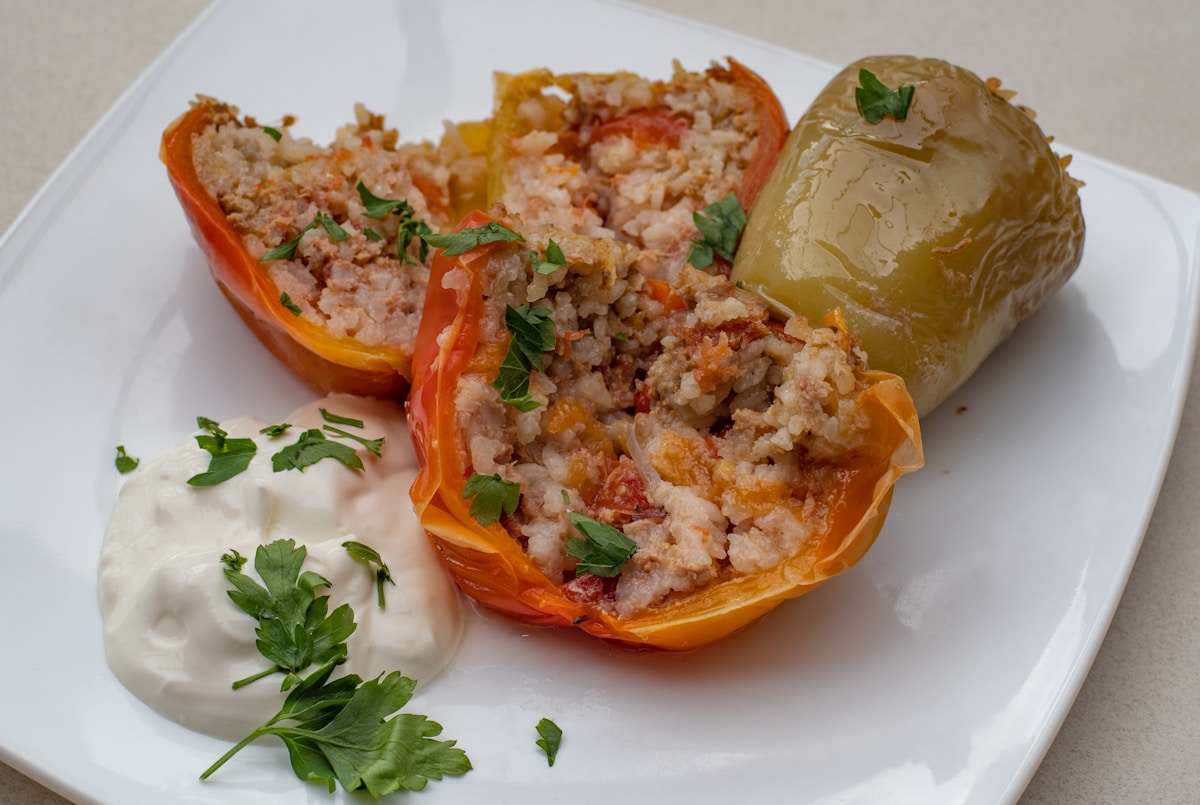
Kosovo’s traditional cuisine is built around grilled meats, layered pastries with dairy fillings, and slow-cooked meat stews - not obviously vegan territory. But the cuisine has a solid agricultural base, and the dishes that are plant-based are genuinely good: thick bean stews, roasted peppers, spinach pastries, and simple salads made from quality summer vegetables. Pristina’s modern restaurant scene has expanded the options considerably in recent years. All prices below are approximate; Kosovo uses the euro.
Plant-Based Dishes in Traditional Kosovo Cuisine
Fasule (White Bean Stew)
The most reliably vegan dish in traditional Kosovo cooking. Fasule is a thick stew of white beans slow-cooked with onion, tomato paste, peppers, salt, and olive oil. When prepared without smoked meat (which is common in some versions), it is completely plant-based and genuinely filling. A bowl costs approximately €2–4 at most traditional restaurants and is served with bread.
Ordering tip: Ask “fasule pa mish” (bean stew without meat) to confirm the version is meat-free.
Pite me Spinaq (Spinach Pastry)
A phyllo pastry filled with wilted spinach, onion, and sometimes garlic - one of the varieties of pite available at burek shops (buregjistore) across Pristina and Prizren. The version without eggs is vegan. A slice costs approximately €1–1.50 at a burek shop, where fresh pite is made from morning.
This is one of the most accessible options for a cheap, quick, plant-based meal or snack in Kosovo.
Salata e Domates (Tomato Salad)
A simple salad of sliced tomatoes with cucumber, green pepper, onion, and olive oil. Found on every traditional restaurant menu. Kosovo tomatoes in summer - particularly from the Dukagjin valley in the west - are ripe and genuinely good. No dressing beyond olive oil and salt. Approximately €2–4.
Roasted Peppers and Aubergine
Traditional Kosovo side dishes include whole roasted or grilled peppers and aubergine, often served drizzled with olive oil and garlic. These appear as sides in most traditional restaurants, sometimes alongside bread. Usable as a plant-based meal when combined with fasule and salad.
Ajvar
A roasted red pepper and aubergine spread - common across all Balkan cuisines and ubiquitous in Kosovo as a condiment. Spread on bread, it functions as a simple plant-based snack or accompaniment. Ajvar is sold in jars in every supermarket and is available at restaurant tables as a condiment.
Tarator (Cold Cucumber Soup)
Not as common in Kosovo as in Bulgaria, but available at some restaurants. A cold soup of strained yogurt (or, at vegan-friendly restaurants, plant-based yogurt), grated cucumber, garlic, and dill. The traditional version is not vegan due to the yogurt, but some modern restaurants in Pristina make vegan versions.
Vegan-Friendly Restaurants in Pristina
Pristina’s café and restaurant scene has evolved quickly. Several spots now cater specifically to plant-based diners.
Green Bistro (Dragodan neighbourhood) - One of Pristina’s few explicitly plant-based restaurants, serving bowls, wraps, salads, and daily specials. The menu uses seasonal local produce and the quality is noticeably higher than most traditional spots. Mains approximately €6–10. Popular with the local international and NGO community.
Soma Book Station (city centre) - A bookshop-café hybrid with a consistently vegetarian-friendly menu, several vegan options, and good coffee. Light dishes, soups, and salads. Mains €5–8. The atmosphere is calm and the coffee is better than average for Pristina. Good for working lunches.
Rron Coffee & More (Mother Teresa Boulevard area) - Modern café with a food menu that includes vegan-labelled options alongside the standard menu. Smoothies, bowls, and open sandwiches. Mains approximately €5–9.
Tiffany Restaurant (near Mother Teresa Boulevard) - A long-running traditional restaurant that is not vegan-focused but has enough usable options: salads, fasule, roasted vegetables, and pite me spinaq. Staff are familiar with requests for meat-free dishes. Mains approximately €6–10.
Traditional Restaurant Strategy: In any standard Kosovo restaurant, a workable plant-based meal can usually be assembled from: fasule (bean stew, confirm without meat stock), salata e domates (tomato salad), bread, and pite me spinaq if available. This is not exciting, but it is filling and affordable - approximately €5–8 total.
Supermarkets and Markets
Viva Fresh Market and standard supermarkets (Interex, TEK) in Pristina stock a reasonable range of fresh vegetables, bread, and pantry items for self-catering. The central market near the old bazaar has vendors selling seasonal vegetables, peppers, and herbs at very low prices.
Ajvar and lyutenitsa (jarred roasted pepper spread) are available in all supermarkets and make practical provisions. Kosovo-produced versions from local brands (look for Kosovar labels rather than Serbian or Macedonian imports) tend to be of good quality.
Eating Plant-Based in Prizren
Prizren is smaller than Pristina and has fewer dedicated plant-based options, but the old town’s restaurant scene has improved.
Restaurant Marash (Marash Garden area) - Traditional restaurant with a good range of salads, roasted vegetables, and pite alongside the meat dishes. The garden setting near a stream is one of the most pleasant in Kosovo. Mains approximately €5–9. Usable plant-based options available; ask the waiter directly.
Burek shops along the old bazaar - Several burek shops near the Sinan Pasha Mosque sell fresh pite me spinaq in the morning. This is the simplest plant-based breakfast option in Prizren.
Pastiçeri Kina (near Shadervan Square) - Good for sweet plant-based options: some baklava variants are vegan (made with oil rather than butter - worth confirming), and plain Turkish coffee with lokum (Turkish delight) is a standard café order.
Practical Tips
- Key phrases: “Pa mish” - without meat. “Pa qumësht” - without dairy. “Pa vezë” - without eggs. Combined: “pa mish, pa qumësht, pa vezë.”
- Buffet-style restaurants: Some Pristina lunch spots operate a self-service format - useful for inspecting dishes before committing.
- Timing: Fasule and daily specials at traditional restaurants run out by mid-afternoon. Arrive for lunch before 13:30 for the best selection.
- Cross-contamination: Not commonly managed in traditional kitchens. For strict avoidance, dedicated plant-based restaurants are the safest option.
See Also
- Best food in Kosovo
- Kosovo travel guide
- Pristina food guide
- Vegan food in Bulgaria
- Balkans food guide
Plan your trip: Browse tours and cultural experiences in Kosovo. Search flights to Pristina and compare prices early. Browse hotels in Pristina - the city centre keeps you within reach of the best plant-based lunch spots and the dedicated vegan cafés near the university quarter. Travel insurance is worth sorting before you go.