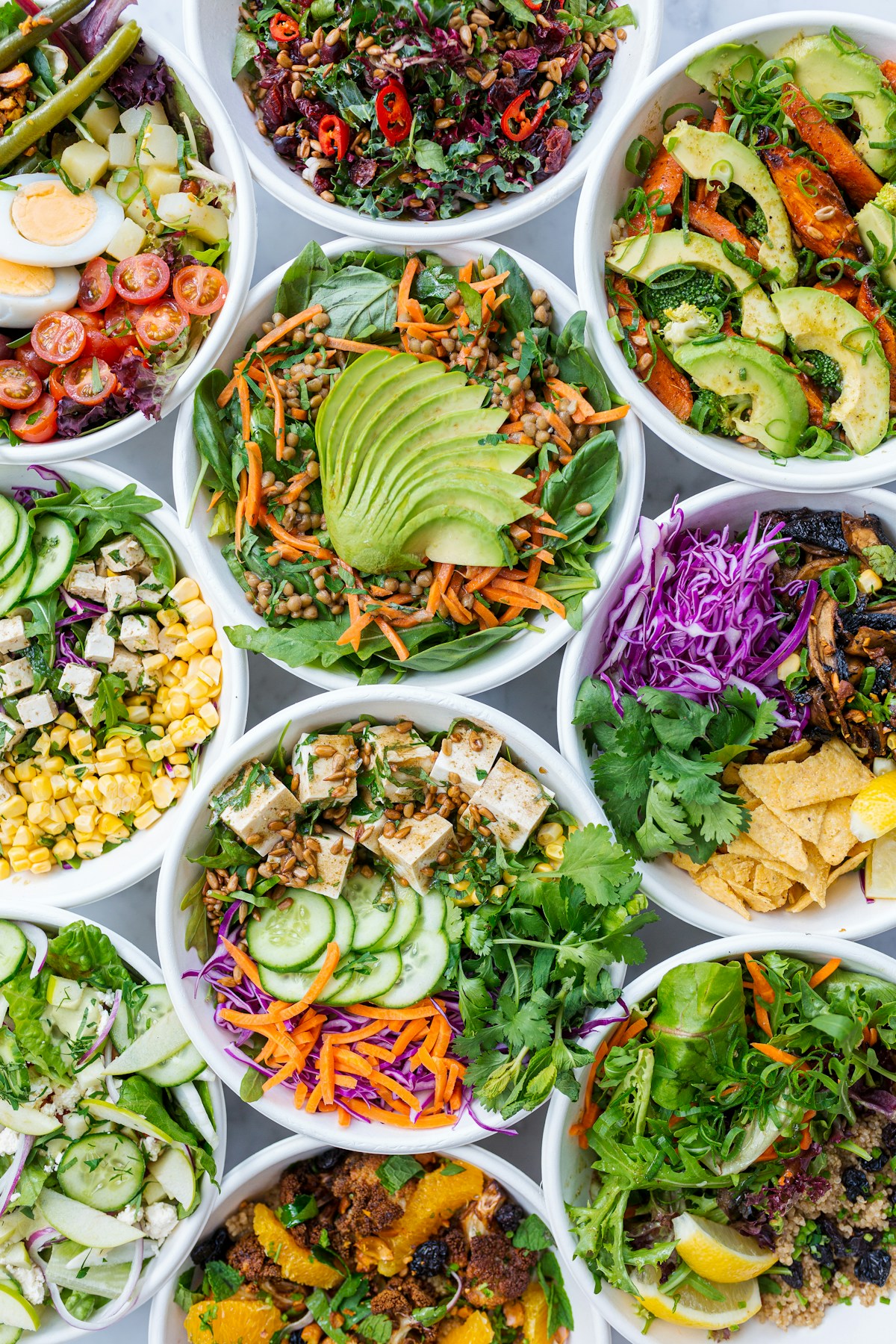
Zagreb is the best city in Croatia for eating well. Away from the Adriatic coast’s tourist-oriented menus, the capital has a genuine food culture - a mix of traditional Croatian dishes (particularly the local štrukli speciality), konoba-style tavern cooking, and a growing number of modern restaurants serving creative interpretations of regional ingredients. All prices below are in euros (€) and approximate as of 2026.
Traditional Croatian Restaurants
Vinodol
Vinodol is one of Zagreb’s most established traditional restaurants - a spacious, vaulted venue in a courtyard in the city centre, specialising in Croatian mainland cooking: roasted meats under peka (a domed baking lid), slow-cooked bean dishes, punjena paprika (stuffed peppers), and game in season. The wine list focuses on continental Croatian producers (Graševina, Plavac Mali) with reasonable mark-ups.
Location: Nikole Tesle Street, central Donji Grad. Price range: Approximately €18–28 per person with wine. Best for: Groups and couples who want a full sit-down traditional Croatian meal; visitors who want a reliable, established option rather than an experimental one.
Stari Fijaker 900
Stari Fijaker (Old Fiacre) is a Zagreb institution - one of the oldest continuously operating restaurants in the city, serving classic Zagreb bourgeois cooking in a dark-wood, old-school interior. The menu includes Zagreb-specific dishes you will not find on the coast: štrukli (the local cheese pastry), Zagrebački odrezak (Zagreb-style veal escalope stuffed with ham and cheese), and traditional soups and stews.
Price range: Approximately €15–25 per person including drinks. Best for: Visitors who want genuinely local Zagreb cooking rather than generic Croatian; the most atmospheric option for štrukli.
Konoba Culture in Zagreb
Konoba (plural konobe) is the Croatian word for a traditional tavern - informal, family-run restaurants focused on simple food done well. Zagreb has several genuine konobe in the streets between Dolac market and the cathedral, serving grilled meats, fresh salads, bean soups, and štrukli at prices significantly below the main tourist-facing restaurants. The quality varies; look for konobe with local regulars at lunch and a handwritten or short menu.
Price range: Approximately €10–16 per person at a genuine konoba.
Creative and Modern Restaurants
Mundoaka Street Food
Mundoaka Street Food is Zagreb’s most-cited modern restaurant for quality at a reasonable price - a compact, informal spot serving creative international street food concepts with local ingredients. The menu changes regularly and tends toward global flavour profiles (Mexican, Middle Eastern, Asian influences) applied to Croatian produce. Very popular, often full - arrive early or make a reservation.
Location: Petrinjska Street, Donji Grad. Price range: Approximately €12–18 per person. Best for: Visitors who want creative food without the formality or cost of a full tasting-menu restaurant; groups with mixed tastes.
V (Tasting Menu)
V is Zagreb’s most ambitious restaurant for visitors wanting a full tasting menu experience - small portions, seasonal ingredients, wine pairing, and the kind of format associated with European fine dining. The menu is short and changes with the season; the wine list is serious. Not everyone’s choice for every meal, but worth knowing about.
Price range: Approximately €50–80 per person for a full tasting menu with wine pairing. Best for: Special occasion dinners; wine enthusiasts; visitors interested in what Croatian fine dining looks like.
Budget and Market Eating
Dolac Market Vendors and Surrounding Cafes
The streets immediately around Dolac market - particularly Tkalčićeva Street to the north and the alley entrances below the market terrace - have some of the most affordable and authentic eating in central Zagreb. Sandwich stands, pastry shops, and informal cafes serving grilled meats and soups run from €3–8 per meal. Eating at the market level (buying ingredients and finding a bench) is even cheaper.
Best for: Breakfast and lunch; budget travellers; anyone who wants to eat the way local market vendors eat.
Tkalčićeva Street
Tkalčićeva Street is Zagreb’s main café and bar strip - a pedestrian street running north from Ban Jelačić Square lined with tables from spring through autumn. During the day it is a café culture street; in the evening it transitions toward cocktails and wine bars. Food quality along the strip varies - some venues are primarily drinking spots with adequate bar food. Treat it more as a drinking destination than a restaurant destination.
Typical prices: Coffee €1.50–2.50; food (where served) €8–15 per person.
Craft Beer in Zagreb
Pivnica Mali Medo
Mali Medo (Little Bear) is Zagreb’s flagship craft brewery pub, producing and serving its own Croatian craft beers in a basement venue near the market. The beers are well-made and reasonably priced; the food is secondary but functional.
Beer price: Approximately €3–5 per half-litre. Best for: Beer enthusiasts; casual evening drinking without heavy food expense.
Pastry and Sweets
Zagreb Klara and the Kremšnita Connection
Zagreb’s café culture runs on thick, strong espresso and pastries. Kremšnita - a vanilla custard slice with a puff pastry top and bottom - is the most famous Croatian dessert and is particularly associated with the town of Samobor, 20 km west of Zagreb. The best kremšnita is still found in Samobor (it is a common day trip from Zagreb precisely for this reason), but reasonable versions are available at traditional cafes throughout the city.
Price: €2–4 for a slice at a traditional café.
Practical Notes
- Zagreb restaurants in Donji Grad typically open for lunch from 11:30 and for dinner from 18:00.
- Sunday is a popular brunch day in Zagreb - the Esplanade Hotel terrace and several central cafes do full Sunday brunch service.
- Croatian wine is worth exploring: Graševina (white, continental Croatia), Malvazija (white, Istria), and Plavac Mali (red, Dalmatia) are the main varieties worth trying.
- Tipping: 10% is customary at sit-down restaurants; rounding up for coffee is typical.
For Zagreb’s signature foods explained, see our Zagreb food guide. For the full city overview, see the Zagreb travel guide.
See also
- Zagreb city guide
- Food to try in Zagreb
- Things to do in Zagreb
- Where to stay in Zagreb
- Croatia travel guide
- Best food in Croatia
- Belgrade vs Zagreb
Plan your trip: Browse tours and activities in Zagreb - food tours and guided walks are a great way to get into the eating scene. Sort travel insurance before you fly, and grab a Balkans eSIM for data when you land.