Montenegro Travel Guide: Kotor, Budva, Durmitor
Montenegro travel guide: Bay of Kotor, Budva, Durmitor National Park, Perast and Ulcinj — with transport, costs and where to stay.
Cities & regions
Country guides
Montenegro is one of Europe’s most compact and scenically varied countries - a thin strip of land on the Adriatic coast that rises sharply into a dramatic mountain interior. Located between Croatia to the north, Bosnia and Herzegovina to the northwest, Serbia to the northeast, Kosovo to the east, and Albania to the south, Montenegro packs an extraordinary range of landscapes into a country roughly the size of Northern Ireland.
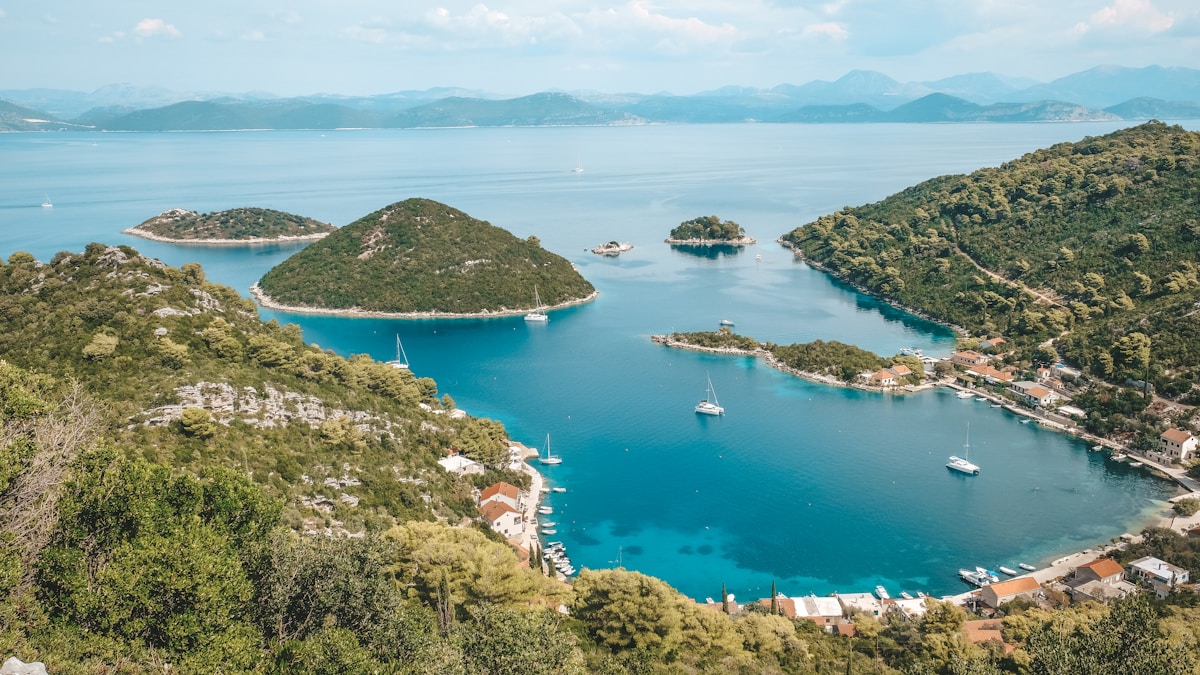
The Bay of Kotor is often called the southernmost fjord in Europe, though it is technically a river canyon flooded by the sea. Budva is the liveliest resort stretch, with sandy beaches and a lively nightlife scene in summer. Durmitor National Park is the mountain core - glacier lakes, Europe’s second-deepest canyon, and some of the best hiking in the western Balkans. Perast is arguably the most perfectly preserved Baroque town on the Adriatic.
The country is small enough to drive end-to-end in a few hours, which makes it unusually good for combining coast and mountain in a single trip. Most visitors spend three to seven days, though Montenegro rewards a longer stay if you want to explore beyond the bay.
Where is Montenegro?
Montenegro sits on the western Balkan Peninsula, facing the Adriatic Sea across from southern Italy. The coast runs for approximately 295 km, including bays and inlets. Despite its small size (population approximately 620,000 as of 2026), the country has been independent since 2006 and uses the euro as its currency - even though it is not an EU member state. The capital is Podgorica, an inland city used mainly as a transport hub, while the coastal towns draw the overwhelming majority of tourists.
Key destinations
Bay of Kotor
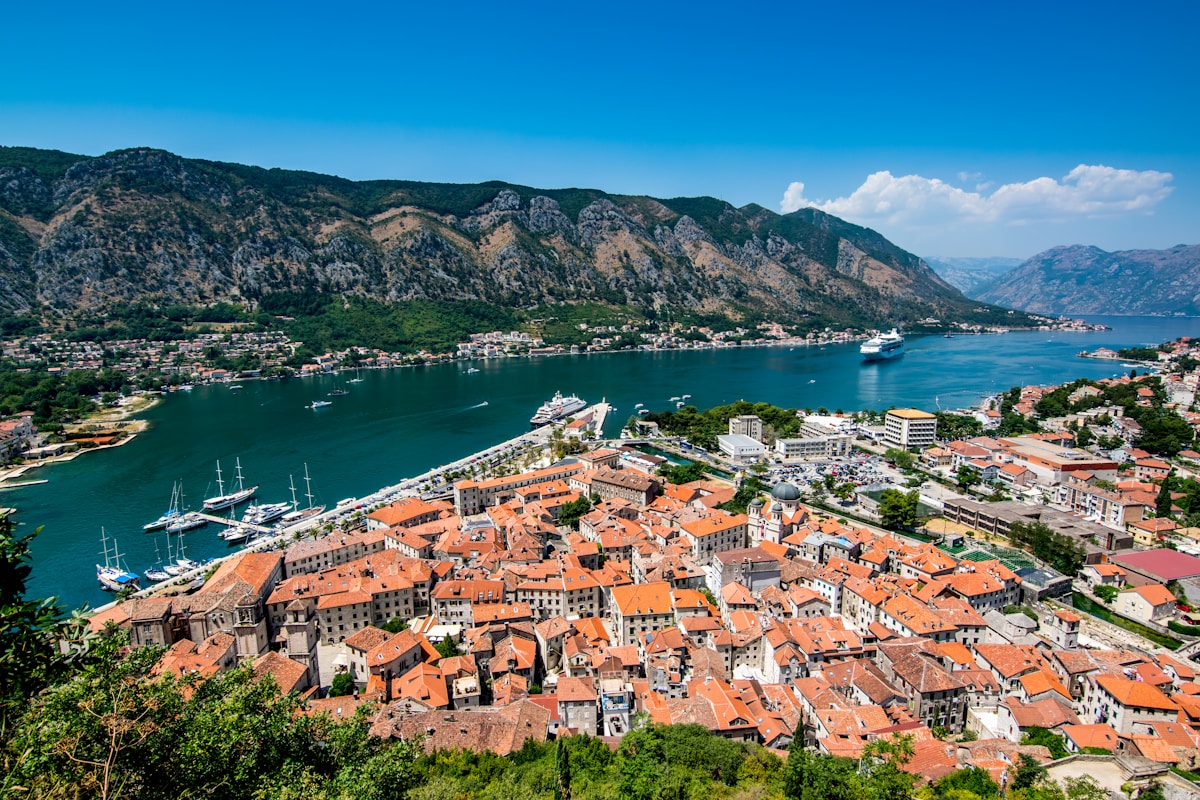
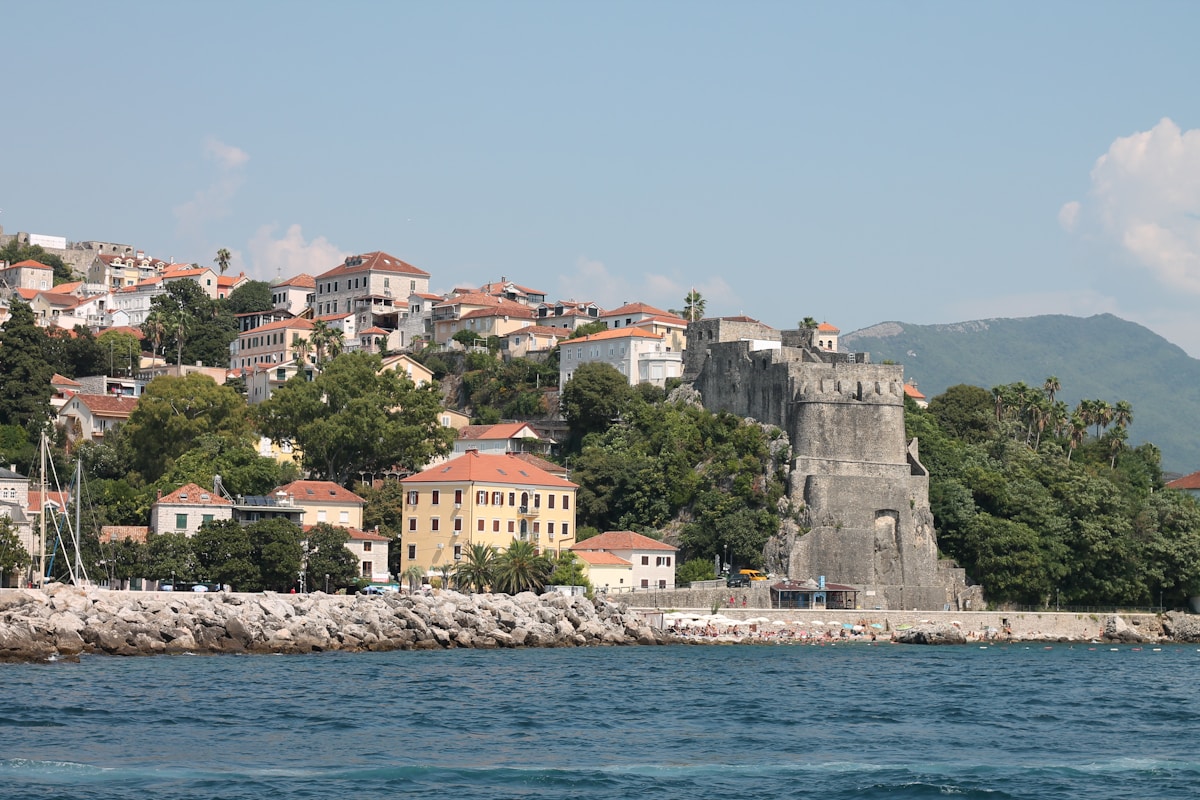
The bay curves inland from the Adriatic through a series of narrows, with medieval walled towns, Baroque villages, and the island church of Our Lady of the Rocks set against steep limestone mountains. Kotor is the main base; Perast is the quietest and most atmospheric of the bay towns. The bay road connects all settlements but gets congested in summer - a car ferry across the Verige Strait (approximately €5 per car as of 2026) saves time.
Kotor
The old walled city is a UNESCO World Heritage Site - a compact medieval core ringed by Venetian walls that climb the hillside to the fortress of San Giovanni (approximately 1,350 steps; entry approximately €8 as of 2026). Kotor is the best base for exploring the bay and has the strongest mix of accommodation, restaurants, and cafes. The old town is car-free, with stone alleyways opening onto small squares. On cruise ship days (primarily May–October), the old town can be very crowded - arrive early or visit in the evening. Book accommodation in Kotor and browse guided tours including the fortress walk and bay boat trips.
The Cat Museum of Kotor (Muzej Mačaka) on the main square celebrates the city’s centuries-long feline population, which has lived inside the walls since at least the medieval era and is considered part of Kotor’s identity. Entry is a few euros and takes around 20 minutes. Cats are throughout the old town year-round and difficult to miss.
Budva
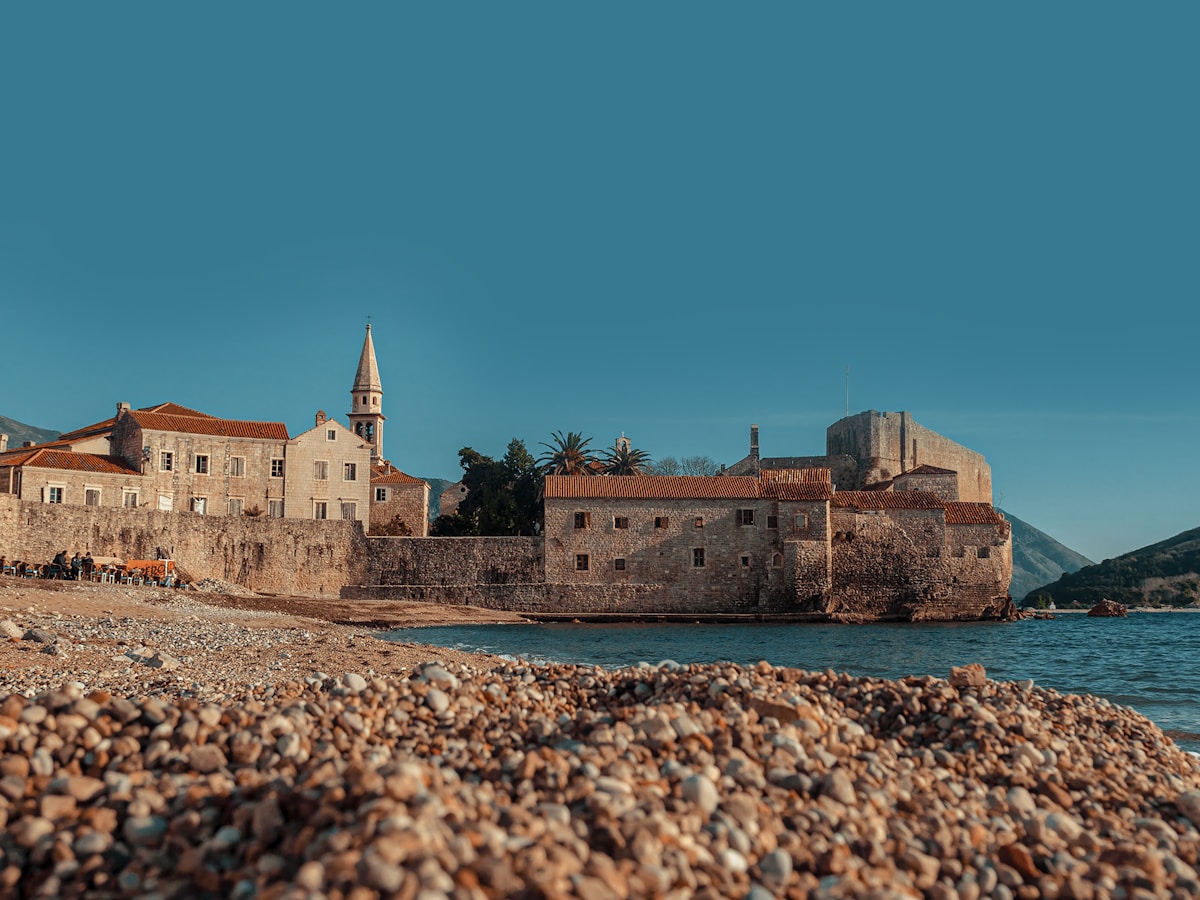
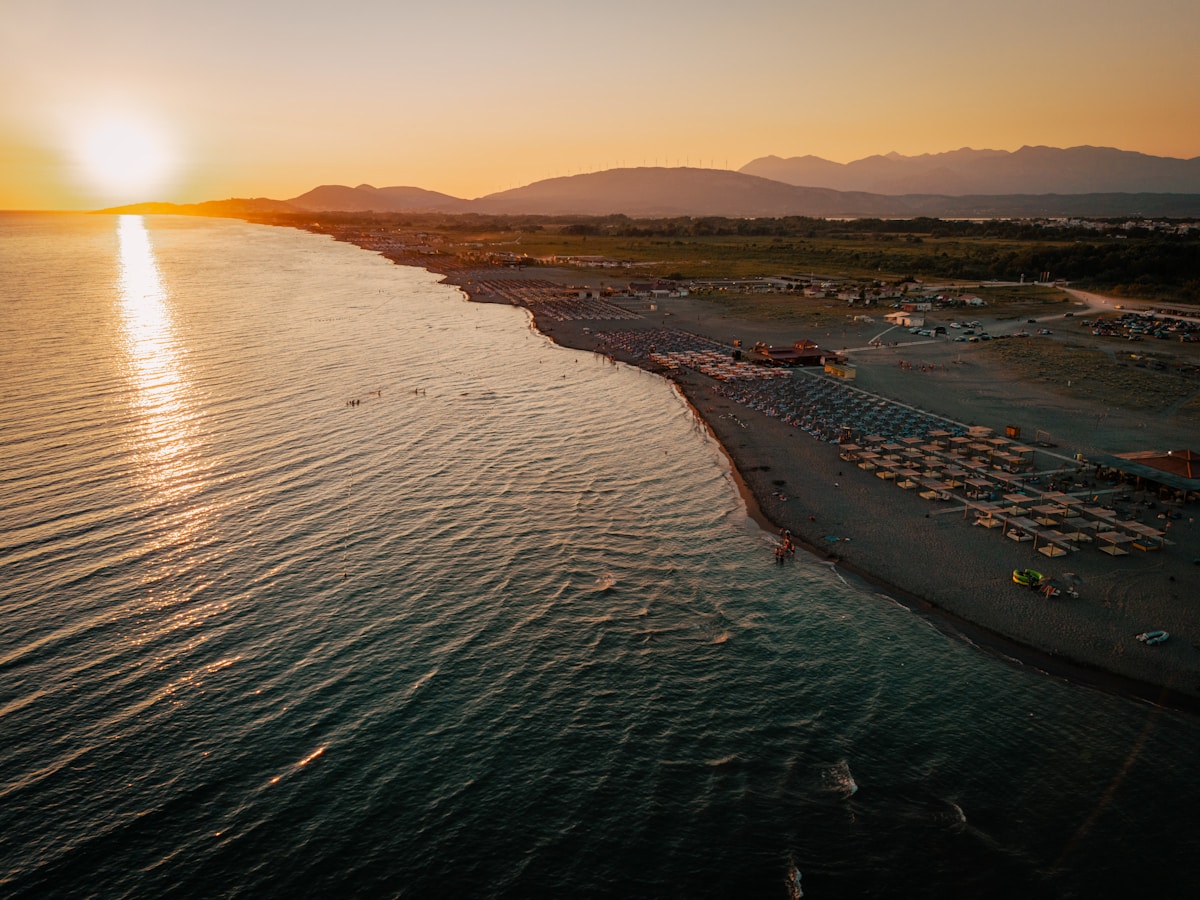
Montenegro’s main resort town and the centre of its beach tourism. The old town (Stari Grad) is a smaller, bolder version of Kotor’s, surrounded by sandy and pebble beaches. Mogren Beach (two connected coves, free access) is the standout for its clear water and dramatic cliff backdrop. Jaz Beach, about 4 km northwest of the old town, is the largest and most popular stretch of sand on the Budva Riviera - wide, open, and less crowded than the town beaches. In summer Budva is busy and loud, with bars and clubs running late; outside peak season it is much more manageable. The nearby island of Sveti Stefan - a former fishing village converted into an exclusive resort - is one of the most photographed spots on the Adriatic. Access to the island itself is restricted to hotel guests (Aman Sveti Stefan, from approximately €800/night as of 2026), but the public beach beside it is free.
Perast
A small Baroque village on the inner bay, frozen in the 17th century. Two island churches - Our Lady of the Rocks and Saint George - sit directly offshore. Boat trips to Our Lady of the Rocks depart from the Perast waterfront (approximately €5 per person, 5-minute crossing as of 2026). The village has a handful of restaurants and a maritime museum (entry approximately €4 as of 2026), but no nightlife - it is a place for quiet evenings and morning coffee on the waterfront.
Cetinje
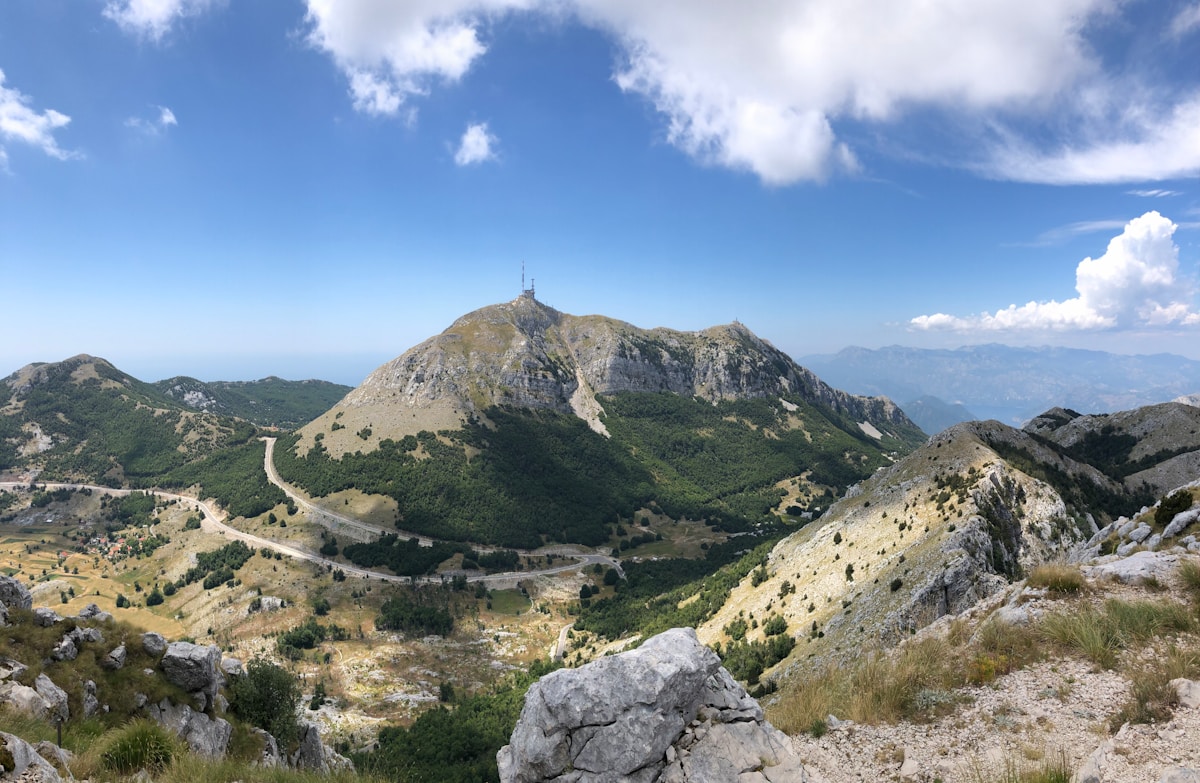
The old royal capital, set in a valley behind Mount Lovćen. Cetinje has several museums including the National Museum of Montenegro (entry approximately €5 as of 2026), the Cetinje Monastery, and a collection of former embassies from the brief period when Montenegro was an independent kingdom (1878–1918). It is a good half-day trip from the coast, often combined with a drive up to the Lovćen mausoleum (entry approximately €5; 461 steps to the summit viewpoint).
Durmitor National Park
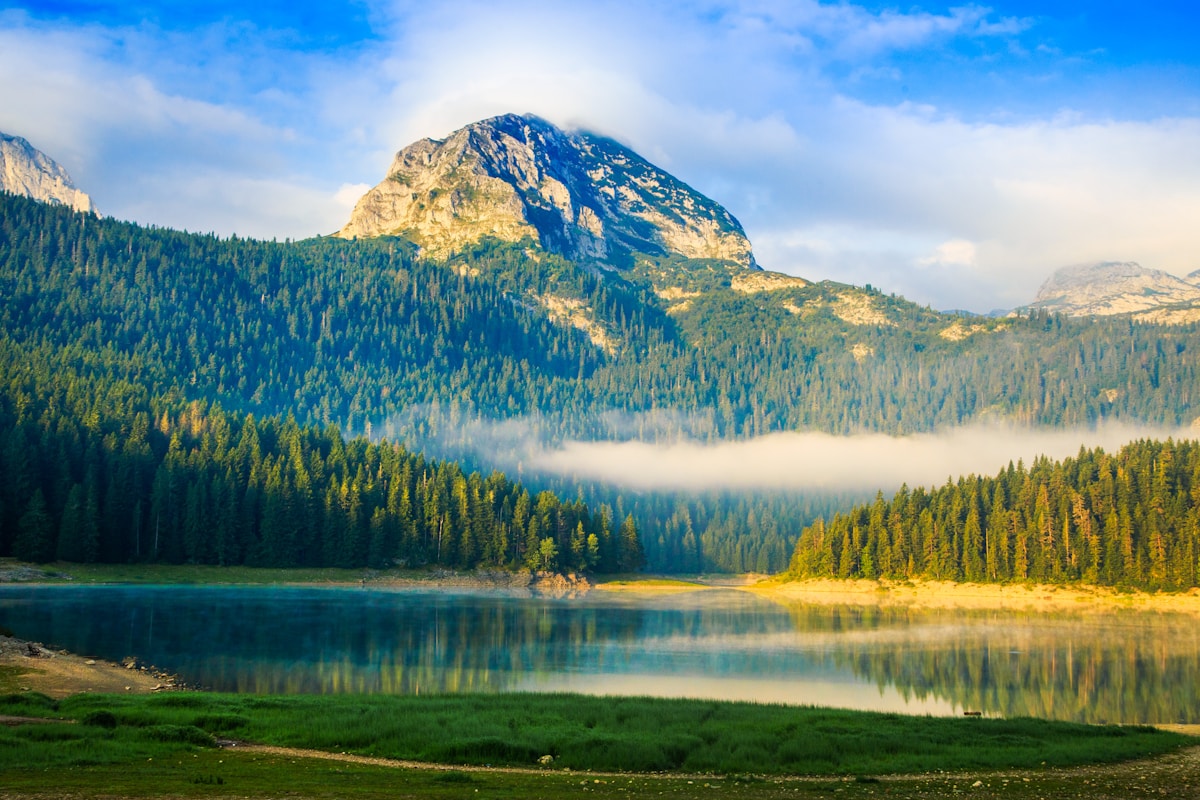
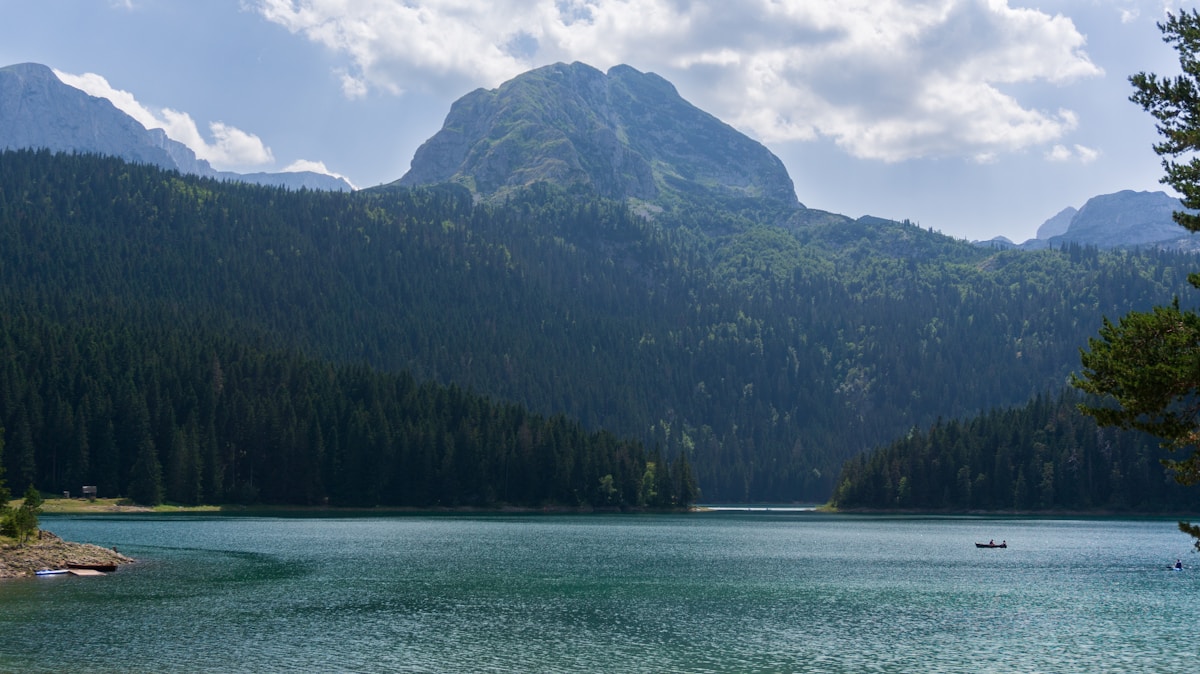
The national park in the north covers 390 km² and includes dozens of peaks over 2,000 m, the Tara Canyon (one of Europe’s deepest at 1,300 m), Black Lake (Crno Jezero), and the best hiking and rafting in Montenegro. The town of Žabljak (1,450 m altitude) is the main base. Tara River rafting trips run from approximately €50–80 per person for a half-day excursion as of 2026, booked through local operators like Tara Tour or Summit Travel Agency. Park entry is approximately €3 per day.
Lake Skadar
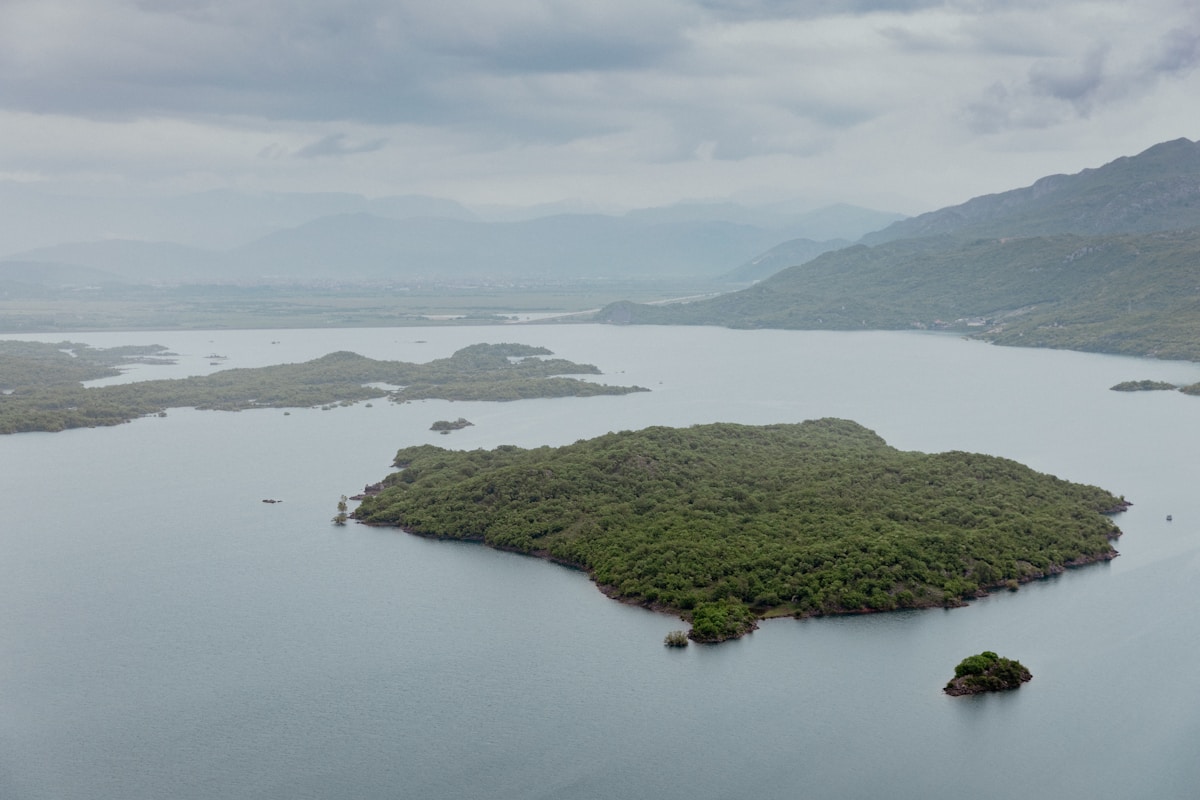
The largest lake in the Balkans, shared between Montenegro and Albania. The Montenegrin side has boat tours from Virpazar (from approximately €15 per person as of 2026), birdwatching - over 280 species have been recorded - and wine tasting at family-run wineries along the Crmnica River. The Plantaže Winery near Podgorica is the largest in the region and offers guided tours.
Getting there
Fly: Tivat Airport (TIV) serves Kotor and Budva and is approximately 8 km from Kotor old town. Podgorica Airport (TGD) is the larger international gateway but is further from the coast (approximately 90 minutes to Kotor by car). Ryanair, easyJet, and Wizz Air connect both airports to major European cities seasonally. A pre-booked airport transfer from Tivat to Kotor takes around 20 minutes and costs approximately €20–30 as of 2026. For Podgorica Airport, compare fixed-price options via Welcome Pickups. Dubrovnik Airport (DBV) in Croatia is another option - approximately 90 minutes to Kotor by car, crossing one international border.
Bus: Well-connected overland from Dubrovnik (2 hrs, approximately €15–20), Sarajevo (4–5 hrs, approximately €20–25), and Belgrade (8–9 hrs, approximately €25–35). FlixBus and local operators cover these routes.
Drive: The Adriatic Highway from Dubrovnik is the classic entry for most tourists. The border crossing at Debeli Brijeg can have queues of 30–60 minutes in July and August - crossing early morning or late evening avoids the worst.
Getting around
Car rental is the most flexible option for the bay and mountains - compare rates at GetRentacar. Expect to pay approximately €30–50/day for a compact car in summer as of 2026. Roads are generally good but mountain routes (particularly Podgorica to Žabljak, or the Lovćen serpentines) are narrow, winding, and slow. The Sozina tunnel (toll approximately €3.50) shortcuts the Skadar Lake approach from the south.
Buses connect main towns reliably. The Kotor–Budva route runs frequently (approximately €3, 30 minutes). Longer routes like Podgorica–Žabljak run two to three times daily (approximately €10, 3 hours). Check schedules on busticket4.me.
Taxis are inexpensive by Western European standards. A taxi from Kotor to Perast costs approximately €15–20. Ride-hailing apps are not widely used - agree on the price before departing or ensure the meter is running.
Best time to visit
- May–June: Warm (20–28°C on the coast), uncrowded, everything open. Best for hiking and bay towns. Water temperature reaches swimmable levels by late May.
- July–August: Peak season. Daytime temperatures regularly exceed 35°C on the coast. Beaches crowded, Kotor and Budva busy with cruise passengers and package tourists, prices at their highest. Best avoided unless beach holidays are the priority.
- September–October: Still warm (22–28°C in September), crowds thinning, best value. Sea temperature remains comfortable through mid-October.
- November–April: Kotor is quiet but atmospheric. Many coastal restaurants and hotels close November through March. Durmitor has skiing at Savin Kuk from December through March (limited facilities compared to major Alpine resorts; day pass approximately €25 as of 2026).
Costs
Montenegro sits at the mid-to-upper end of Balkan pricing - more expensive than Bosnia or Serbia, slightly cheaper than Croatia in high season. A mid-range traveller spending approximately €120–180/day can stay in good accommodation, eat well, and cover transport and activities comfortably.
| Category | Budget | Mid-range | Upper-mid |
|---|---|---|---|
| Accommodation | €25–45 | €70–130 | €150–300+ |
| Meals | €8–15 | €20–40 | €50+ |
| Daily total | €50–80 | €120–180 | €250+ |
Tipping: Service charge is not usually included. Rounding up or leaving 10% is standard in restaurants.
Where to stay
Kotor
- Hotel Cattaro - centrally located in the old town, rooms from approximately €100/night in shoulder season, from €160 in summer as of 2026. Rooftop bar with bay views.
- Hotel Vardar - boutique hotel on the main square (Trg od Oružja), from approximately €120/night. Well-maintained, good breakfast included.
- Old Town Hostel - budget option inside the walls, dorm beds from approximately €20/night in summer.
Budva
- Splendid Conference & SPA Resort - the largest and most prominent luxury hotel on the Budva Riviera, at Bečići beach approximately 3 km from the old town. Full-service spa, outdoor pools, private beach, and conference facilities. From approximately €180/night in shoulder season, €300+ in peak summer as of 2026.
- Hotel Avala Resort & Villas - beachfront on Budva’s main strip, from approximately €130/night in summer as of 2026. Pool and sea access.
- Falkensteiner Hotel Montenegro - a resort hotel also at Bečići, from approximately €110/night. Good for families.
- Freedom Hostel - budget option near the old town, dorm beds from approximately €18/night.
Where to eat
Kotor
- Galion - the most consistently recommended seafood restaurant in Kotor, situated on the waterfront just outside the southern gate. Grilled fish and Adriatic shellfish, mains approximately €18–30. Book ahead in summer.
- Bokun - a small wine bar and kitchen inside the old town, good for local wines and sharing plates.
Budva
- Stari Mlin - a traditional Montenegro restaurant in a restored old mill on the road between Budva and Sveti Stefan. Known for slow-cooked lamb and local cured meats. Mains approximately €12–22.
- Porto - seafood on the Budva marina, reliable grilled fish and shellfish in a straightforward setting.
Safety, language, and practicalities
Safety: Montenegro is generally safe for tourists. Petty theft (bag-snatching, pickpocketing) can occur in crowded old towns during summer, particularly when cruise ships are in port. Road safety requires attention on mountain routes - local driving can be assertive.
Currency: Euro (€). ATMs are widely available. Credit cards are accepted at most hotels and restaurants in tourist areas; smaller shops and rural businesses may prefer cash.
Language: Montenegrin (mutually intelligible with Serbian, Croatian, and Bosnian). English is widely spoken in Kotor, Budva, and tourist-facing businesses. In the interior and smaller towns, a few phrases in the local language are appreciated.
Water: Tap water is drinkable throughout the country.
Electricity: Standard European two-pin plugs (Type C/F), 230V.
Mobile data: Local SIM cards from Crnogorski Telekom, m:tel, or One are available at airports and in town centres. Approximately €5–10 for a tourist SIM with several GB of data. EU roaming rules do not apply (Montenegro is not in the EU), so check with your provider before relying on roaming.
Montenegro itineraries
Things to do in Montenegro
Montenegro city and region guides
Montenegro food guides
See also
- Best tours in Kotor
- Best tours in Budva
- Kotor vs Dubrovnik
- Ohrid vs Budva
- Montenegro itinerary
- Croatia Montenegro 10-day itinerary
- 1 week in the Balkans
- 10 days in the Balkans
- Podgorica airport transfer
- Croatia travel guide
- Albania travel guide
- Bosnia and Herzegovina travel guide
- First time in the Balkans
- Montenegro travel costs
- Balkans travel costs
- Balkans visa guide
- Balkans honeymoon guide
- Luxury Balkans travel
Book an experience
Top experiences in Montenegro
Explore the best tours and activities in Montenegro - instant confirmation, free cancellation on most bookings.