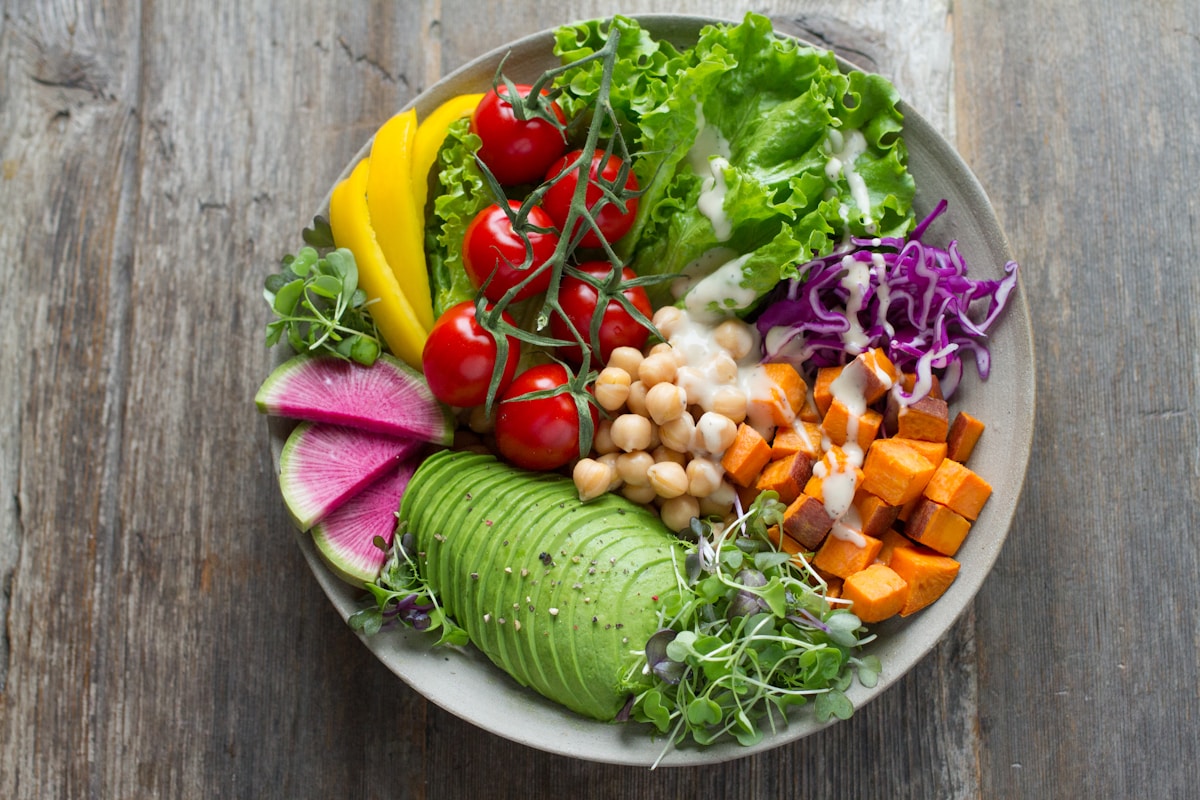
Sofia has a small but genuine vegan eating scene, and the broader restaurant culture is more adaptable to plant-based diets than most Balkan cities. Traditional Bulgarian cuisine is heavily dairy and meat-oriented, but it also has a strong tradition of legume dishes, roasted vegetables, and grain foods that are naturally plant-based or easily modified. All prices below are approximate; 1 EUR ≈ 1.96 BGN.
Dedicated Vegan and Vegetarian Restaurants
Divaka
Divaka is Sofia’s longest-established healthy eating and vegetarian restaurant - a relaxed, café-style space with a menu of salads, grain bowls, roasted vegetable dishes, soups, and vegetarian versions of Bulgarian classics. Not fully vegan, but the menu is clearly labelled, and vegan options are substantial.
Location: Near the Borisova Gradina park area. Price range: Approximately BGN 12–22 per person (€6–11), making it one of the more affordable specialist options. Best for: Vegetarian and vegan visitors who want reliable plant-based food in a comfortable setting; anyone who needs a break from heavy mehana cooking.
Loving Hut Sofia
Loving Hut is an international vegan chain - fully plant-based, with a menu of mock-meat dishes, Asian-influenced plates, soups, sandwiches, and desserts. Sofia has at least one branch. The food quality is consistent rather than exceptional, but for fully vegan visitors who need a reliable, straightforward option, it covers the basics.
Price range: Approximately BGN 8–16 per person (€4–8). Best for: Fully vegan visitors who want guaranteed plant-based food without checking ingredients; budget-conscious plant-based eating.
Rainbow Factory
Rainbow Factory is a small, independently run vegan burger and fast-casual spot in Sofia. Plant-based burgers, wraps, and sides in a casual setting - more focused menu than Divaka, but better for visitors who want something in the fast-food register without compromising on plant-based credentials.
Price range: Approximately BGN 12–18 per person (€6–9). Best for: Casual lunches, quick meals, visitors craving something in the burger or wrap format.
Green Lab
Green Lab is a health-focused café with an emphasis on juices, smoothies, salads, and raw and cooked plant-based meals. Smaller and more café-oriented than Divaka - good for breakfast or a light lunch.
Price range: Approximately BGN 10–18 per person (€5–9). Best for: Breakfast and lunch; health-focused visitors; anyone who wants a juice or smoothie alongside a light plant-based meal.
Kashaite (Raw Food Café)
Kashaite is Sofia’s dedicated raw food café - a small, quiet space serving entirely uncooked plant-based food: raw desserts, dehydrated crackers, nut-based cheeses, sprouted grain dishes, and cold-pressed juices. It is the most specific option on this list, and the most niche.
Price range: Approximately BGN 12–20 per person (€6–10). Best for: Raw food enthusiasts; visitors with specific dietary restrictions beyond standard veganism.
Adapting Traditional Bulgarian Food
Bulgarian cuisine is not naturally vegan, but several traditional dishes are plant-based or easily adapted:
Shopska salata - the classic Bulgarian tomato, cucumber, and pepper salad - contains white sirene cheese as a topping. Order it without the cheese and it is fully vegan. The base dressing is sunflower oil and (sometimes) white wine vinegar.
Bob chorba (bean soup) is one of Bulgaria’s most traditional dishes - slow-cooked white beans with onion, peppers, tomato, and herbs. In most traditional recipes it is vegan; ask about stock (meat stock is sometimes used, sometimes not). At a traditional mehana, confirm before ordering.
Gyuvech (vegetable stew) can be prepared without meat - ask specifically for “gyuvech bez meso” (without meat). The vegetable version with peppers, tomatoes, courgette, and onion is genuinely good.
Mekitsi (fried dough) - Bulgaria’s version of fried dough, typically eaten at breakfast with honey, jam, or cheese. The dough itself is vegan (flour, water, yeast). Ask for it plain or with jam to keep it plant-based.
Lutenitsa and kyopolu - roasted red pepper spreads, available jarred in every supermarket and served as sides in traditional restaurants. Naturally vegan; good as a bread accompaniment.
Vegan Shopping in Sofia
Zhenski Pazar (the Women’s Market) is the best place for plant-based staples: seasonal vegetables, dried legumes (chickpeas, lentils, white beans), walnuts, almonds, dried fruit, fresh herbs, and locally produced honey and fruit preserves. Prices are lower than supermarkets for fresh produce.
Zdravoslovno shops (health food stores) are distributed around central Sofia - look for small specialist shops selling tofu, plant-based milks, nutritional yeast, nut butters, and international vegan products not always found in standard supermarkets. Bio&Bio is a chain with multiple Sofia branches selling organic and health food products, including a reasonable plant-based section.
Lidl and Billa (the main supermarket chains in Sofia) both have expanding plant-based sections, including own-brand plant milks, vegan spreads, and meat alternatives. Not as well-stocked as Western European equivalents, but functional for self-catering.
Practical Tips for Vegan Visitors
- Language: The word “веган” (vegan, pronounced “vegan”) is increasingly understood in Sofia restaurants. “Без месо” (bez meso - without meat) and “без сирене” (bez sirene - without cheese) are the most useful phrases.
- Lard in bread: Some traditional Bulgarian breads and pastry dough use lard - ask at traditional bakeries if this matters to you.
- Mehanas and traditional restaurants: Most will have at least three or four plant-based options if you ask directly. Bean soup, salads, roasted vegetable dishes, and bread are your baseline.
- Cost: Vegan eating in Sofia is affordable - a full meal at a specialist vegan restaurant runs BGN 12–22 (€6–11), below the cost of equivalent restaurants in Western Europe.
For general Sofia eating recommendations, see our best restaurants guide. For the full city overview, see the Sofia travel guide.
See also
Book accommodation in Sofia to stay central and within easy reach of the restaurants on this list.
Book accommodation in Sofia near the centre for the best access to the vegan restaurant clusters in Oborishte and Lozenets.
Plan your trip: Browse tours and activities in Sofia to find food tours and local experiences. Sort travel insurance before you go.