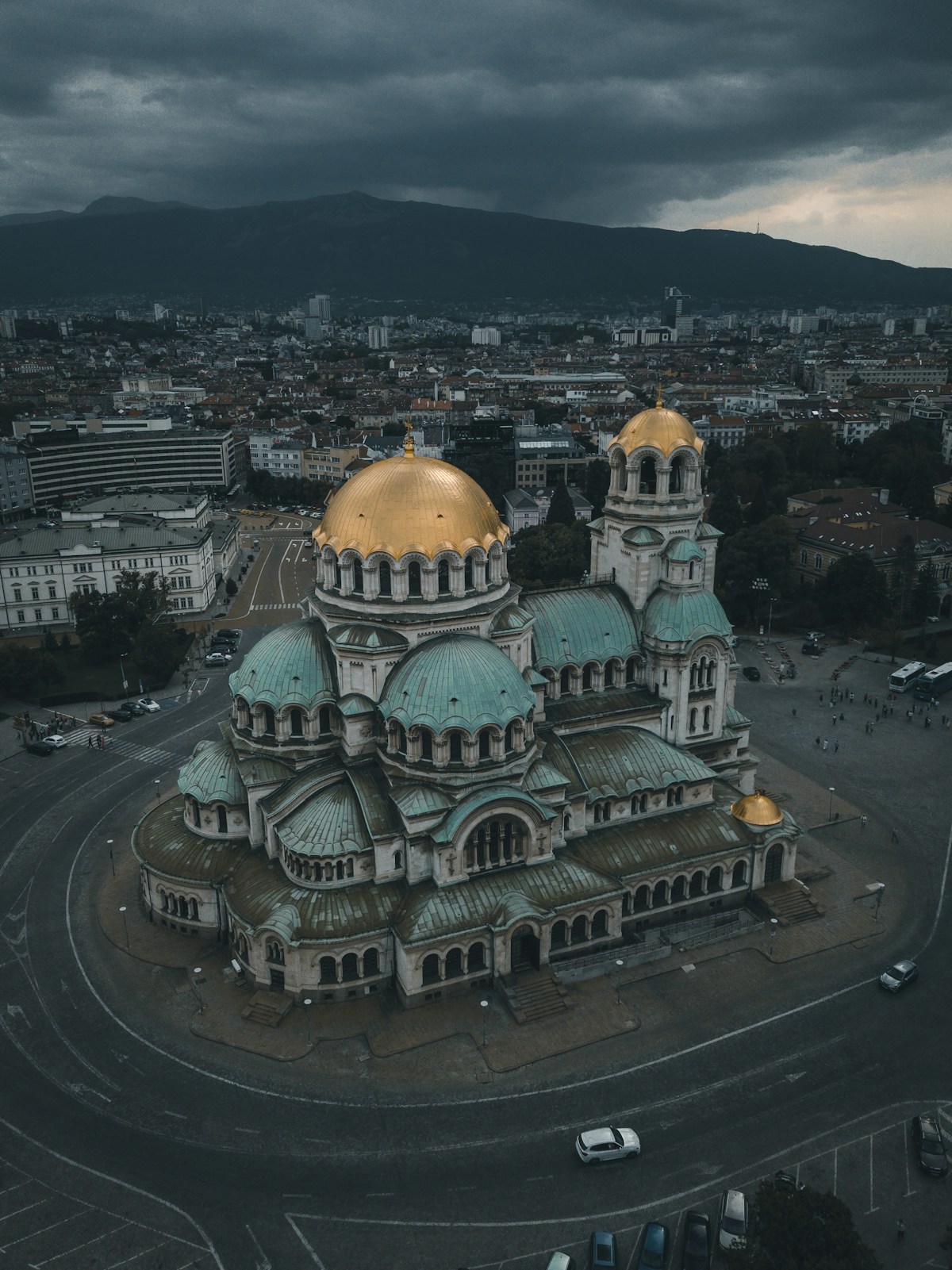
Sofia’s food identity took longer to become a tourism product than those of Sarajevo or Dubrovnik, and that’s part of what makes it interesting to explore now. The cooking here is genuinely Bulgarian - shaped by the Ottoman period, the communist-era preservation of rural food traditions, and a wine culture that predates both by several centuries. A guided food tour gives you direct access to the parts of this that aren’t obvious from the restaurant strip around Vitosha Boulevard.
Below is the breakdown of what’s available in 2026, who runs the best tours, and the Bulgarian foods that anchor the experience.
What to Expect from a Sofia Food Tour
Sofia food tours are market-anchored and neighbourhood-based - they work outward from Zhenski Pazar (Women’s Market) in the Lozenets or Oborishte districts, or from the covered Hali market near Banski Square, into the surrounding streets and their traditional restaurants (mehane, plural mehani). The format is similar across operators: 4–7 tasting stops, a mix of street food and sit-down, a rakiya and wine component, and approximately 3–4 hours walking.
The city is geographically manageable - the best food neighbourhoods are within a 2km radius of each other - and the tours don’t require transport between stops. Good walking shoes and a willingness to eat across multiple stops is all you need.
Compare Sofia Food Tours on GetYourGuide
Three verified options - a multi-market walk, a communist-era tram food tour, and an afternoon wine and food walk:
| Tour | Duration | Format | Approx. Price | Covers | Book |
|---|---|---|---|---|---|
| Flea and Food Markets Tour | ~3 hours | Walking group | From ~€30/person | Four historic Sofia markets - Flea, Central Hall, Hali, Zhenski Pazar - street food and drinks at each | Book |
| 5-Stop Food & Culture Tour by Communist-Era Tram | ~3 hours | Tram + walking | From ~€45/person | Mekitsi, banitsa, lyutenitsa, sač platter, shopska salad, Bulgarian beer, wine, rakija - with a vintage tram ride | Book |
| Afternoon Walking Tour with Wine & Food Tasting | ~2.5 hours | Walking group | From ~€35/person | Central Hali Market, baklava, shopska salad, tarator, Bulgarian wine - afternoon format suits the mehana culture | Book |
Which to choose: The markets tour gives the best market coverage if Zhenski Pazar is a priority. The tram tour is the most distinctive format in Sofia - the communist-era tram is itself worth the ticket - and covers the widest range of Bulgarian dishes. The wine and food walk is the most accessible entry point for a shorter afternoon session.
Prices are approximate. Check current prices at the links above.
Sofia Food Tour Operators
Sofia Food Tour (sofiafoodtour.com) is the most established specialist operator in the city. Their signature morning tour starts at Zhenski Pazar and covers 5–6 stops over 3.5 hours: banitsa at a traditional bakery, shopska salad and tarator at a mehana, mekitsi with jam and white cheese, a local wine tasting (2 varieties), and a dessert stop for Bulgarian halva or boza. Price approximately €40–60 per person, with private tours available from approximately €120 for a group of two. The guides are Sofia-based with genuine food industry backgrounds; tours run in English with notice for German and French.
Their afternoon option, which runs from 4:00pm and focuses more heavily on the wine and rakiya culture with a sit-down meze spread at a traditional mehana, is worth considering if you’ve already covered the market quarter in the morning.
Balkan Heritage Food Tour via GetYourGuide covers the Sofia highlights in a format positioned for travellers passing through the Balkans rather than settling in Sofia specifically. Price approximately €35–55 per person, duration 2.5–3 hours. The tour is shorter and covers fewer stops, but the guide provides context on how Bulgarian food fits into the broader regional picture - useful if this is one stop on a multi-country trip rather than an extended stay. Well-reviewed; reliable if not as deep as the specialist operator.
Taste Sofia (GetYourGuide listing) is a third option from a local operator concentrating on the street food and bakery side of the food culture - mekitsi, banitsa, gevrek (sesame ring bread), boza (fermented wheat drink), and coffee. It covers less ground geographically and runs approximately 2 hours, priced at approximately €30–45 per person. The format suits travellers who want an efficient orientation to the breakfast and snack culture without committing to a half-day.
The Foods at the Centre of Every Sofia Tour
Banitsa: A filo pastry layered with a mixture of eggs and white brined cheese (sirene), baked until golden and flaky. Banitsa is the Bulgarian breakfast staple - sold at bakeries from early morning, usually eaten standing or walking, sometimes with boza or ayran (yogurt drink). The best versions are from small bakeries that make fresh pastry daily rather than reheating from frozen sheets. Price approximately €0.80–1.50 per piece. A specialist variant - mliyana (milk banitsa) - uses a custard filling and skips the cheese entirely.
Shopska salad: A cold salad of diced tomatoes, cucumber, and roasted or raw green pepper, topped with grated white cheese (sirene). It’s the Bulgarian salad - straightforward but dependent on ingredient quality. The tomatoes need to be genuinely ripe, the sirene sharp and crumbly, the cucumber thin-skinned and not watery. At its best in late summer; a reasonable approximation is available year-round in mehani. Price approximately €4–7.
Tarator: A cold soup of strained yogurt, cucumber, garlic, dill, and water - occasionally with walnuts and olive oil. It’s served in summer and eaten in quantity as an appetiser or light lunch. The key ingredient is Bulgarian yogurt - high-fat, sharp, and thick, made from Lactobacillus bulgaricus cultures that are specific to Bulgaria and produce a distinctive sourness not replicated by most commercial equivalents. Price approximately €3–5.
Mekitsi: Fried dough rounds, roughly similar to a doughnut without the ring, eaten for breakfast with jam, white cheese, or both. The dough uses yogurt and is lighter than it looks; mekitsi made fresh and eaten immediately are considerably better than the versions sold throughout the day. Most food tours include a morning mekitsi stop at a bakery operating from around 6:30am.
Bob chorba: A thick bean soup with onion, tomatoes, savory (chubritsa), and paprika, usually enriched with oil. It’s the Bulgarian winter staple - filling, cheap, and found on nearly every traditional restaurant menu. A bowl costs approximately €3–5 at a mehana. Not a summer food tour staple, but appears on tours running from October through April.
Bulgarian wine - Mavrud and Melnik: The Mavrud grape, grown around Asenovgrad in the Thracian lowlands south of Plovdiv, produces a deeply coloured, tannic red with black fruit and mineral notes. It improves with 3–5 years’ ageing and is among the most distinctive Balkan red varieties. The Melnik grape (also called Shiroka Melnishka Loza), from the extreme southwest near the Greek border, gives a more elegant red with tobacco and cherry notes. Both are served on food tours that include a wine component; producers including Svischtov, Katarzyna, and Villa Melnik are the names worth knowing.
Rakiya: Bulgarian fruit brandy, similar in concept to Serbian rakija and Bosnian šljivovica but with regional differences. Grape rakiya (grozdova) is common in the Bulgarian wine regions; plum (slivova) and quince (dunja) versions are found throughout the country. The quality ceiling for Bulgarian rakiya is high - artisan producers in the Rhodope Mountains and Stara Planina range make single-variety productions that are worth the premium. A food tour rakiya tasting typically covers 2–3 types.
Gevrek: A sesame-covered bread ring similar to Turkish simit, sold from street carts throughout Sofia from early morning. Eaten plain or torn into a mehana breakfast spread. Price approximately €0.30–0.50 per piece; paired with a glass of boza (the fermented wheat drink that divides opinion but is very much worth trying once).
Zhenski Pazar (Women’s Market): The Core of Sofia’s Food Culture
Zhenski Pazar - Women’s Market - is Sofia’s main fresh produce market, running along Stefan Stambolov Boulevard in the central city. It opens daily from around 7:00am and operates until early afternoon. The market is spread across two sections: the outdoor stalls for seasonal produce, and the covered area for meat, dairy, and dried goods.
In autumn, the market is at its most dramatic - pyramids of red peppers (for lutenitsa and lyutenitsa, the Bulgarian version of ajvar), enormous pumpkins, racks of dried herbs and mountain tea, and handmade white cheese from producers in the Balkan mountain region. In spring, fresh herbs dominate - wild garlic, nettles, dock - alongside the first of the year’s strawberries from the Plovdiv valley.
The dairy section is worth extended time. Bulgarian white cheese (sirene) varies enormously by producer - the version from cow’s milk is the most common; sheep’s milk and mixed varieties are richer and sharper. Yogurt producers sell direct; the full-fat, strained versions are far better than anything available in a supermarket. Kashkaval (a yellow cow’s milk cheese similar in concept to pecorino or manchego but distinctly Bulgarian in character) can be aged or fresh.
Food tours visiting Zhenski Pazar typically arrive around 8:30–9:00am. The market is free to enter, and vendors are accustomed to tourists - though prices are for locals, not for the tourist strip, which means they’re significantly lower than what you’d pay in a restaurant.
Practical Information
Duration: Standard tours 3–4 hours; morning market focus or evening wine focus options exist.
Timing: Morning tours (9:00am start) suit the market and breakfast culture. Afternoon/evening tours from 4:00pm suit the wine and rakiya component and the mehana dinner format.
Booking lead time: 48 hours is usually sufficient outside peak season. July through August and September (Sofia Jazz Festival period) book up faster - 5–7 days ahead is safer.
Transport to starting point: Zhenski Pazar is a 10-minute walk from Sofia University metro station (Line 2). Sofia Food Tour meets at the market entrance on Stefan Stambolov Boulevard.
Currency: Bulgaria uses the Bulgarian lev (BGN), pegged to the euro at 1.96 BGN per EUR. Bulgaria is scheduled to adopt the euro - check the current status before travel, as this was in progress. Most tour operators accept card payment in EUR; markets are cash only.
Language: English-language tours available from all operators listed. German and French on request with sufficient lead time.
Eating Independently After the Tour
Hadjidraganov Kushti (Hadjidraganov’s Houses), a traditional Bulgarian restaurant in the Oborishte district, is one of the best mehane in the city for a full sit-down meal. Reservations recommended. Traditional meze, Mavrud wine, live music on weekends. Main courses approximately €10–18.
Pod Lipite (Under the Lindens), operating since 1926 on Elin Pelin Street, is the classic Sofia mehana - folkloric but not folksy, with solid traditional cooking and a wine list focused on Bulgarian varieties. A full meal with wine for two runs approximately €35–50.
Tartine bakery in the Lozenets district produces the best sourdough bread in Sofia alongside European-style pastries and excellent coffee. Worth it for breakfast if the food tour has already covered mekitsi and banitsa and you want a different register.
Browse guided food tours, wine tastings, and cooking classes in Sofia on GetYourGuide.
For planning the broader Bulgaria trip, the Bulgaria country guide covers the Plovdiv wine route, Rhodope hiking, and transport between Sofia and the rest of the country. If you’re based in Sofia for several days, our day trips from Sofia guide covers Rila Monastery, Plovdiv, and the Vitosha day hike.